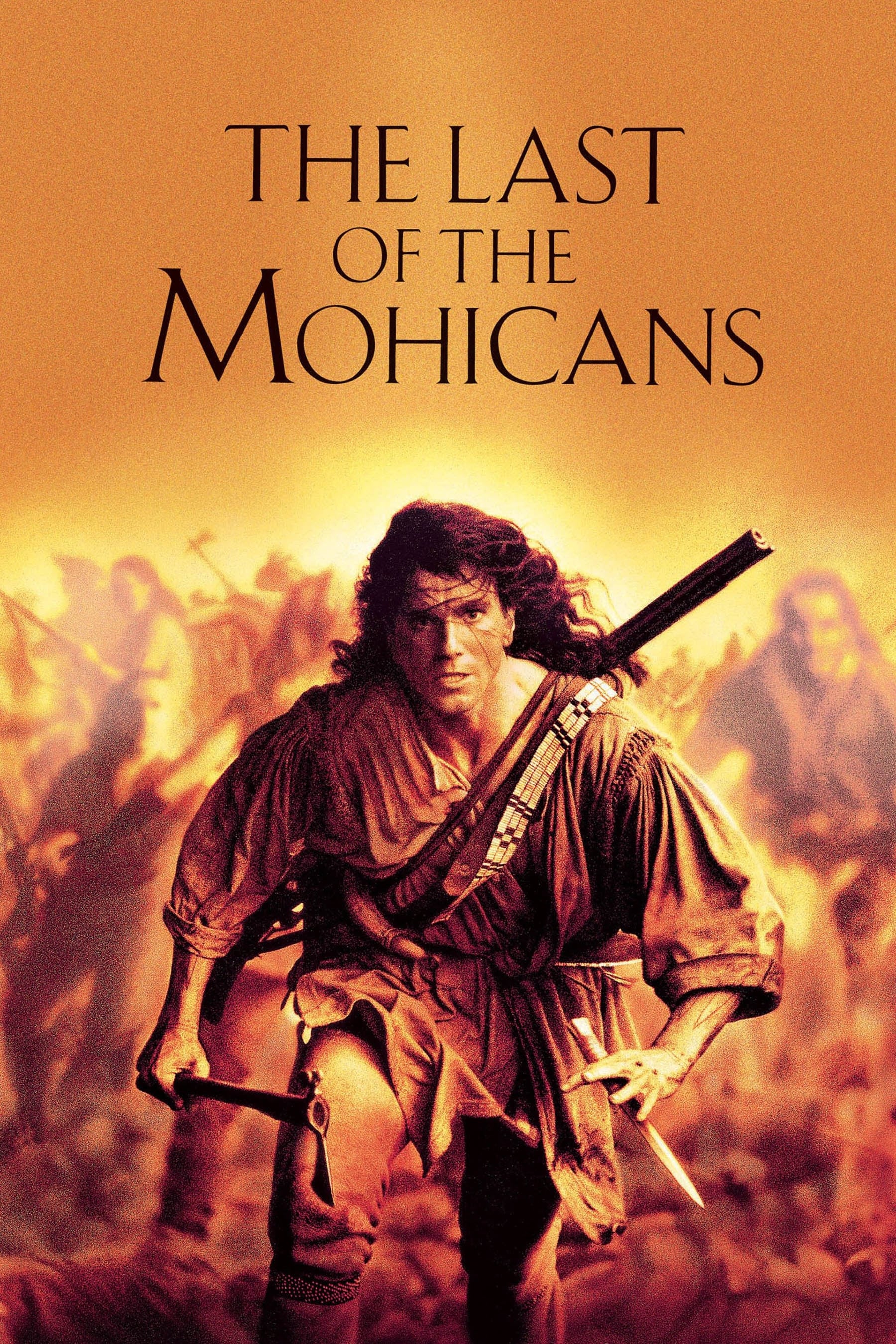
Mann's takes and budget overrun; Fort William Henry set; waterfall reshoot; composer change; costume designer exit; release delay and three cuts; Native American extras; Russell Means's background
The hosts say Mann did at least 20 takes per setup, the budget ran $7 million over, and 20th Century Fox sent a representative to keep it on track. — Bill Simmons
A story has Mann shouting over speakers about an orange light that turned out to be the sun rising; the host questions whether it is true. — Bill Simmons
The hosts say the production used North Carolina for 1757 New York and spent $6 million on a Fort William Henry set built to historical specifications. — Bill Simmons
The hosts say Mann decided he did not like the waterfall scene and reshot it nine days before, as transcribed, 'Revere saw the movie', and that the 'stay alive, I will find you' moment came from the reshoot. — Bill Simmons
Citing a 1996 Randy Edelman interview, the hosts say Mann fired Trevor Jones over a more electronic score and brought in Edelman for a classical one; both are credited, with jokes about Jones being replaced. — Bill Simmons
The hosts say the original costume designer, a multiple Academy Award winner (transcribed 'Jay Matcheson'), left over artistic differences and removed his name, and Elsa Zampelli (as transcribed) finished; this is joked into Mann's pattern of people walking off sets. — Bill Simmons
The hosts say the film was scheduled for summer 1992, Mann delivered a three-hour version, Fox postponed it to September, and it was cut to two hours, with three cuts existing. — Bill Simmons
The hosts say the production employed 900 Native Americans from across the United States, most notably Cherokee. — Bill Simmons
The hosts say Russell Means was 52, making his first movie, and was a famous American Indian activist; they say he ran for vice president in 1984 as Hustler publisher Larry Flint's (as transcribed) running mate and lost the 1988 Libertarian nomination to Ron Paul. — Bill Simmons
A reported practical-joke war between Day Lewis and Stowe escalated from food fights to a staged bloody car crash; both hosts doubt it happened. — Bill Simmons
The episode notes include an ambush and then a second ambush; two ambushes in one movie, like multiple Gladiator fights, signal the right pick. — Bill Simmons
First ambush, about 20 minutes in: Magua mutters under his breath, walks to the back of the column, and a British soldier who greets him is tomahawked. — Bill Simmons
The ambush includes a scalping and Chingachgook's thrown tomahawk as Hawkeye and his two companions upend it, with confusion over whether Russell Means plays Uncas or Chingachgook. — Bill Simmons
The argument where the English do not believe Hawkeye yields 'Someday I think you and I are going to have a serious disagreement'; the hosts say the line was cut from the first version and restored in a later director's cut, one of three versions Mann has made. — Bill Simmons
Hawkeye pulling Cora away for the first kiss is praised for the building music. — Bill Simmons
A joke proposes a Vegas trance remix of the love theme after quarantine. — Chris Ryan
A joke about playing the theme during a spousal argument over the unclean sink while watching basketball in the bubble. — Bill Simmons
Second ambush: Magua cuts out the colonel's heart and vows to wipe out his seed, joked as excessive trash talk; the act is not shown, and Mann is joked to be saving the footage. — Chris Ryan
The waterfall scene's 'Stay alive, no matter what occurs. I will find you' is great stuff; anyone unmoved is a replicant, Duncan concedes he cannot compete, and the moment was in the summer 1992 trailer. — Bill Simmons
Magua presents the two women to the Sachem; Hawkeye walks in unarmed and takes blows; the Sachem's line about the white man is called a good quote, and the trade is narrated in NBA trade terms with Duncan offering himself. — Bill Simmons
That Sachem scene would be a favorite if not for the ending; older Sachem-type characters are 'always a home run'. — Chris Ryan
The film conveys the era efficiently, such as settlers insisting on defending their homes, described as an early American revolutionary spirit. — Chris Ryan
The cliff sequence: Uncas loses to Magua, his father runs in slow motion, and the music and images are called as overwhelming as Heat's bank robbery; the scene was watched about five times the night before. — Chris Ryan
Alice looks at Magua and steps off the cliff as Cora rounds the corner; the sisters go from a tea set in a meadow to giving themselves to the wild, and are game throughout, with Cora becoming a nurse. — Bill Simmons
A Madeleine Stowe tangent covers her Revenge and Stakeout run and her filmography, with Playing by Heart defended. — Bill Simmons
In the last scene Hawkeye and Chingachgook clean house; the wide shot of Magua and Chingachgook on the rock and the final 360 tomahawk swing are called one of the coolest shots seen in a theater. — Bill Simmons
That final scene is named as the most rewatchable pick, and the other participant goes with it as well. — Chris Ryan
Honorable mention: Hawkeye covering the courier from the fort wall; the courier is called the worst job in colonial America and the 'Postmates of 1757'. — Chris Ryan