
Film credit
Omar Epps
Stats
- Episodes featuring their films
- 4
- Movies in this archive
- 4
Rewatchables episodes featuring Omar Epps’s films

Mentioned in discussions
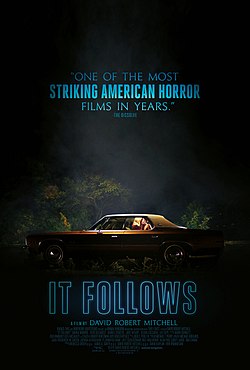

Probably Unanswerable Questions
Where does Jay's date rank among the worst movie dates? Was naked guy on the roof an It? Does it work for all kinds of sex? Did Paul wear a condom? How does the entity choose its form? What if everyone had sex at once? Could you isolate the person? Does its touch kill, and could having sex with it reverse the curse?
In the discussion (13)
- Where does Jay's date with Hugh rank among the worst movie dates in movies: Ellen Barkin and Mickey Rourke in Diner, and Jada Pinkett and Omar Epps at the premiere of Stab, where she gets stabbed to death.
- Matt Damon and Jack Nicholson at the theater in The Departed, and the family outing in Cape Fear with a cigar in the theater, are added.
- What if Naked Guy on the Roof wasn't an It but a neighborhood creep, grandpa out again; the movie is called a bellwether for old people being scary.
- Does it work for all kinds of sex: David Robert Mitchell has answered in interviews that it works for queer sex and condoms don't work, and the hosts debate non-penetrative sex between two women.
- Does digital penetration count, the kids could have tested the limits, and the demon is on its own clock, since Greg is sure he beat the system before his own mom gets him.
- In a threesome all three people get it, which raises whether she had sex with all three boat guys.
- Did Paul wear a condom with the sex workers: probably not, since he would want it spread, so Paul probably got a real STD.
- Is Jay off sex for a while; she does not enjoy sex with either Paul or Greg.
- Does the entity choose a person to get to who it wants to kill: the answer is it shows up as what will unsettle you, a loved one or a seven foot Romanian basketball player, with naked Aaron Rodgers, Mike McCarthy and Ben Roethlisberger imagined.
- What if everyone in Detroit had sex at the exact same time; it's just one entity with a clear path, so whoever you have sex with is next.
- One human sacrifice in government solitary confinement, a block of ice, burial 500 feet underground or outer space like the Martian, but it can get on a plane or a space shuttle, and when that person dies it comes back to Jeff Hugh.
- Earlier, flagged as an unanswerable, the hosts argue whether Jay had sex with the boat guys at the lake to buy herself time before the pool and Paul.
- One more idea after the double feature: when the It touches you, do you just die, and could you reverse Uno it by having sex with the It; since it grabbed Jay by the hair and her ankle without killing her, the touch is not enough, and it has to have sex with you, grinding against you, as seen once with the mom.

Casting What-Ifs
Rashad replaces Apollo’s earlier wife performer; no alternative candidates
In the discussion (1)
- Casting what-ifs: no reliable alternative casting is offered; Omar Epps and Meryl Streep are explicitly jokes. The panel attributes Phylicia Rashad replacing Apollo’s earlier wife performer to that actor’s death, a reported claim requiring separation from external credits. — Bill Simmons

In the discussion (4)
- The first participant chooses Tupac because the film functions as his vehicle and coming-out party. — Wosny Lambre
- A second participant also chooses Tupac without hesitation. — Wosny Lambre
- The third participant chooses Omar Epps because Q supplies the film’s stable conscience against Bishop’s storm. — Van Lathan
- The final synthesis says Tupac wins the movie itself while Epps wins what came out of it through a thirty-year career. — Wosny Lambre
Podcast choices
- Speaker not identified
- Tupac Shakur
- Speaker not identified
- Tupac Shakur


Apex Mountain
Ernest Dickerson (Juice and Malcolm X together); Khalil Kain; Jermaine Hopkins; Cindy Herron; the DJ competition
In the discussion (10)
- The category opens with the direct verdict “Tupac, no.” — Bill Simmons
- Ernest Dickerson receives a combination verdict for directing Juice while shooting Malcolm X, though his work on The Wire complicates the case.
- Tales from the Crypt: Demon Knight is named as one participant’s favorite Dickerson movie but explicitly rejected as Dickerson’s Apex Mountain. — Van Lathan
- Khalil Kane and Jermaine Hopkins receive positive verdicts for their careers. — Wosny Lambre
- Neil Moritz is rejected because producing the Fast and Furious franchise became a larger achievement. — Wosny Lambre
- Cindy Heron receives an emphatic yes for combining the film with EnVogue’s success. — Bill Simmons
- Omar Epps is moved to Love & Basketball when the question is restricted to his characters named Quincy. — Bill Simmons
- For Omar Epps’s recurring angry, bulging-eye expression, the panel chooses Higher Learning as the apex. — Bill Simmons
- The DJ contest receives a positive verdict as the film peak for scratching.
- The panel narrows Harlem’s movie-location peak to Shaft, Harlem Nights, or Paid in Full and does not settle one answer.
Half-Assed Internet Research
Tupac’s bruising shoot, Jermaine Hopkins’s wound, the censored poster, method acting, Dickerson’s source interviews, an accidental blank injury, Omar Epps’s music and DJ work, two memorial dedications, and the added ending announcement
In the discussion (11)
- An Entertainment Weekly report describes Tupac complaining that padding failed while gang actors repeatedly kicked him for a scene. — Bill Simmons
- Jermaine Hopkins concealed that he was recovering from a gunshot wound by calling it a football injury. — Bill Simmons
- Paramount airbrushed Tupac’s gun from the poster because it feared accusations that Black films incited violence. — Bill Simmons
- Tupac sometimes asked people to call him Bishop while preparing intense scenes. — Bill Simmons
- Omar Epps learned to spin records well enough that the DJ scenes could be filmed authentically. — Bill Simmons
- Dickerson developed the story by interviewing his cousin’s friends and recording their best stories. — Bill Simmons
- The gang performer was accidentally struck in the neck by a blank, leaving a visible powder burn. — Bill Simmons
- Omar Epps had a group called Vision whose music led to touring with Queen Latifah after the film. — Wosny Lambre
- The actors revised dated script slang into their own vernacular, increasing the film’s authenticity. — Wosny Lambre
- The ending dedication remembers Dickerson’s fiancée Janet and production assistant Tamu, who were both killed. — Bill Simmons
- A DJ announcement was added during test screenings to show that Q’s mixtape was being played and his career was advancing. — Bill Simmons

Most Rewatchable Scene
The DJ competition; the robbery; the Mix Master scene; the gun scene; the locker confrontation
In the discussion (15)
- The opening efficiently distinguishes the four boys through their rooms, families, and morning routines.
- The spinning-record credits and Def Jam record establish the film’s hip-hop specificity before the story begins. — Wosny Lambre
- The record-store theft stays in the story’s lighter first half and uses Q’s flirtation as the distraction. — Wosny Lambre
- Bishop’s juice speech is praised for the physical intensity and poetic language of Tupac’s performance.
- Steele cooking for the group makes him the nurturing and innocent member before the friendship fractures. — Wosny Lambre
- The DJ semifinal makes turntablism feel like Q’s credible route out, aided by Omar Epps learning the craft.
- The police interrogation sharply cuts from an officer’s reassurance to Q explaining why three Black boys would still be nervous. — Bill Simmons
- The gun introduction centers the weapon in the frame and marks the moment power shifts to Bishop. — Wosny Lambre
- The Blizzard robbery shows how quickly the group moves from refusing crime to making the same kind of choice. — Van Lathan
- Blizzard casually greets Q and then announces the robbery, giving the scene dark comic force.
- The final chase and roof climax carry substantial drama and connect to a wider run of New York roof scenes. — Van Lathan
- The original ending had Bishop release Q’s hand and choose death; test audiences forced a replacement ending that the panel considers worse. — Bill Simmons
- One participant chooses the Mix Master semifinal and says the scene could continue for another twenty minutes. — Bill Simmons
- Another participant chooses the robbery scene because its lines became repeatedly quoted at home. — Van Lathan
- The final participant names the Mix Master scene, the gun scene, and the locker confrontation as choices, then emphasizes the locker confrontation as possibly Tupac’s greatest acting scene. — Van Lathan

In the discussion (9)
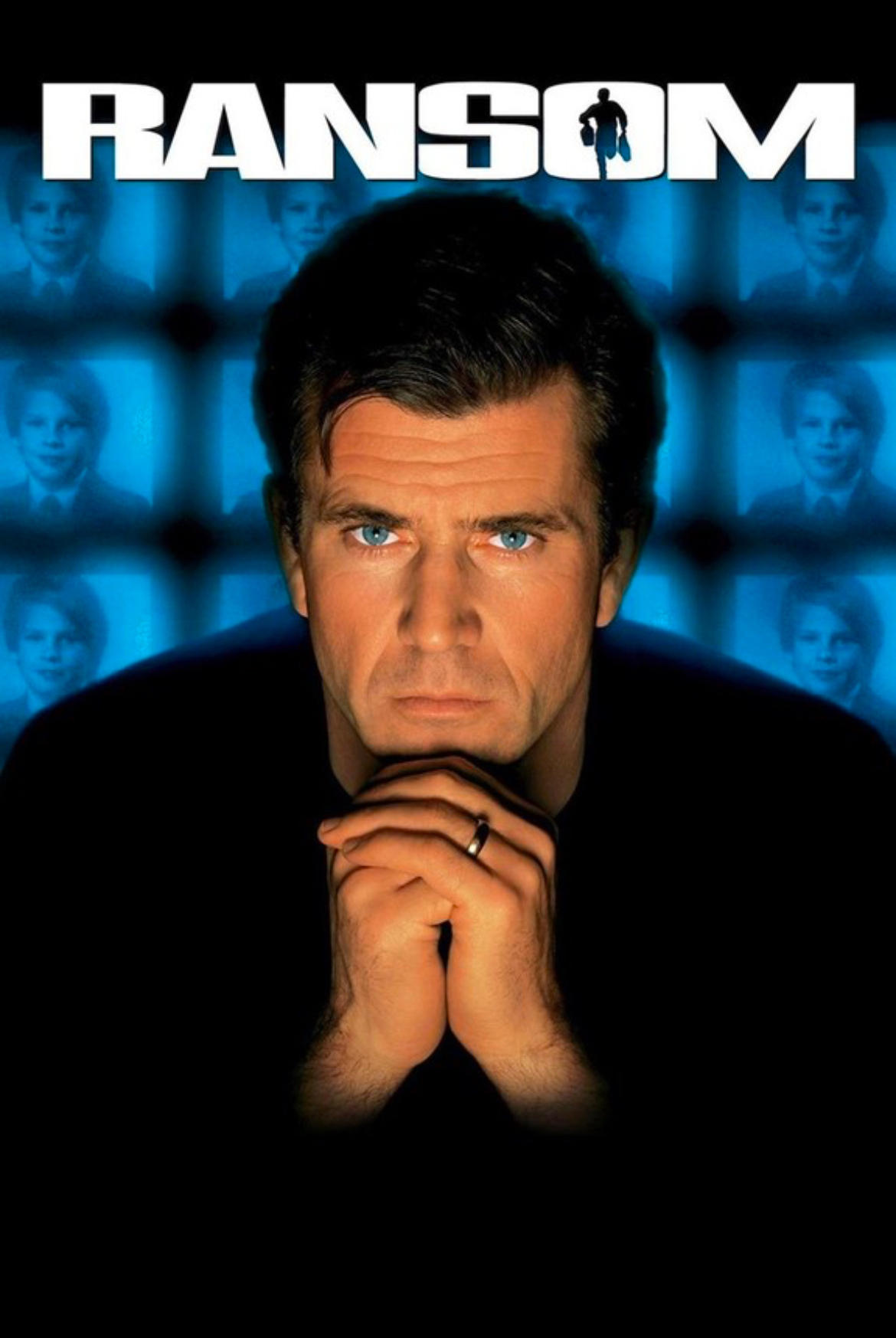
- The Gibson-Russo reteaming leads off; actor pairs who run it back in different roles are rare, with examples including Julia Roberts and Richard Gear, Meg Ryan and Tom Hanks, Sana Lathan and Omar Epps, Emma Stone and Ryan Gosling, Bradley Cooper in multiple movies with a co-star (more of a David O. Russell thing), and Winslet and Leo. — Bill Simmons
- Emma Stone and Ryan Gosling (Crazy Stupid Love, La La Land) is the favorite re-pairing because they could make another completely different movie now. — Bill Simmons
- The chess-match aspect of Sinise and Gibson has aged well. — Bill Simmons
- The script is called well-constructed and well-written, with a shout-out to the writers, including Richard Price for the screenplay. — Bill Simmons
- The kidnappers, by shorthand, are Lieutenant Dan, the bald Californication guy, New Kid on the Block number two, the HBO narrator guy and Lily Taylor; Lily Taylor is praised. — Bill Simmons
- Donnie Wahlberg as the good kidnapper recalls the good Nazi in Victory. — Bill Simmons
- Early email as a plot device, when getting an email signaled that he must be really rich. — Bill Simmons
- The crew is a sneaky good cast who all played their positions; Donnie Wahlberg was stunt casting in 1996 and has since become a successful actor on Blue Bloods. — Van Lathan
- The narrative of the dirty cop as the lead villain has aged best. — Van Lathan

Apex Mountain
Omar Epps; Halle Berry's hair extensions; Craig Sheffer; Craig Sheffer's tall tales; Steve Lattimer (Andrew Bryniarski); steroids
In the discussion (8)
- Omar Epps is at Apex: coming off Juice and before Higher Learning, he was one of the great sports-movie actors, before things faltered after ER. — Bill Simmons
- Halle Berry's hair extensions are Apex only because she never did it again. — Bill Simmons
- Craig Sheffer is a yes, and this is also the Apex of his tall tales, including a reported Parcells letter about backing up the Patriots' quarterback; one participant says he read it and it was true, though it amounted to Parcells saying he would love to have him around. — Bill Simmons
- Kristy Swanson's peak is probably Buffy the Vampire Slayer instead. — Ryen Russillo
- The guy who played Latimer is absolutely at Apex. — Bill Simmons
- The film may be the Apex Mountain for steroids, before the McMahon trial and baseball's reckoning; it is called wildly irresponsible steroid porn, and the case is agreed with.
- Asked whether Princeton had a urine guy, the speaker jokes he was named Kevin and charged $100. — Kyle Brandt
- A final Apex question is whether this is when people realized Michigan sucks, with its image turning from Big Chill favor to loathsome; Weyman's draft stock is also debated. — Bill Simmons
Most Rewatchable Scene
First practice into Latimer's weight-room scene; night-before-the-game speech; Darnell's lost football into Latimer's place at the table; first Mississippi State game; second loss without Kane; second half of the final game
In the discussion (16)
- The first practice includes Darnell's first run and fumble and the coach's question "are you hurt or are you injured?", which the speaker says he has used on his daughter. — Bill Simmons
- Whether the hurt-versus-injured line originated with Parcells is debated; it was probably heard before the movie. — Ryen Russillo
- Welcome to the Jungle kicks in for the pit drill, then the exhausted locker room gives way to Latimer pressing 465 while coaches say gaining 35 pounds over a summer is not hard; the stretch is called an unassailable, almost perfect five minutes. — Bill Simmons
- Latimer's clean and jerk, throwing 315 down and kicking it while seemingly mad at the weight, is incredible; headbutting cars came from a real South Carolina player in a 1988 Sports Illustrated article that made the writer want the character. — Ryen Russillo
- Latimer's first dive-bar scene shows Joe ordering two tequila shots for himself but takes too long to register Latimer's added 35 pounds; he was long mistaken for Sting the wrestler. — Ryen Russillo
- Latimer's steroid-era physique, like the Ultimate Warrior's, does not happen now in 2020 and makes the dialogue hard to follow. — Bill Simmons
- Small details ring true, such as players lying on the locker-room floor with pads as pillows after the Guns N' Roses practice, then Latimer doing about 24 overhead reps of 315 and kicking the weights, which players copied. — Kyle Brandt
- The night-before-the-big-game speech ("We're the lucky ones") gives goosebumps; the speaker says he loves being in college stadium tunnels and gets chills for something he does not get to do; it was on the list of rewatchable scenes. — Ryen Russillo
- Darnell losing his football in class leads to Latimer's "place at the table" moment, which should be a constant meme; carrying the football around was copied by high school coaches, though a typed lineup taped to glass is preposterous.
- The first Mississippi State game has a fumble, Latimer's helmet rip on a sack (compared with Kyle Turley and Aaron Brooks), and Alvin Mack's "you're the guy who shot my mother" heckling.
- Alvin Mack's actor moved like a real football player and made the heckles feel original, a delicate thing to pull off. — Ryen Russillo
- The second loss without Kane, where Mack is hurt and Latimer is bowled over, is famous but painful to watch; why Mack's injury ends his career is questioned, with his visibly turned leg as the answer.
- The entire second half of the final game is lumped together: the coach's mini pep talk, Ray finally throwing a good block, Latimer's snot bubbles, Darnell's punt return that Omar Epps seemingly performed, and the big catch; the fans not charging the field is the biggest quandary. — Bill Simmons
- The fans not rushing the field is explained as a fatigued fan base, tired of a non-undefeated team about to go to a bowl. — Kyle Brandt
- The pick is the practice sequence into the workout rather than the game, though Welcome to the Jungle is an 80s song and the scene should have used Pantera or Helmet. — Kyle Brandt
- Asked for a pick, the reply mentions the Iowa fourth-and-goal involving Latimer, which stings every time, and says the last 15 minutes of the film are really liked and not on TV enough.
Casting What-Ifs
No affirmative selection
In the discussion (2)
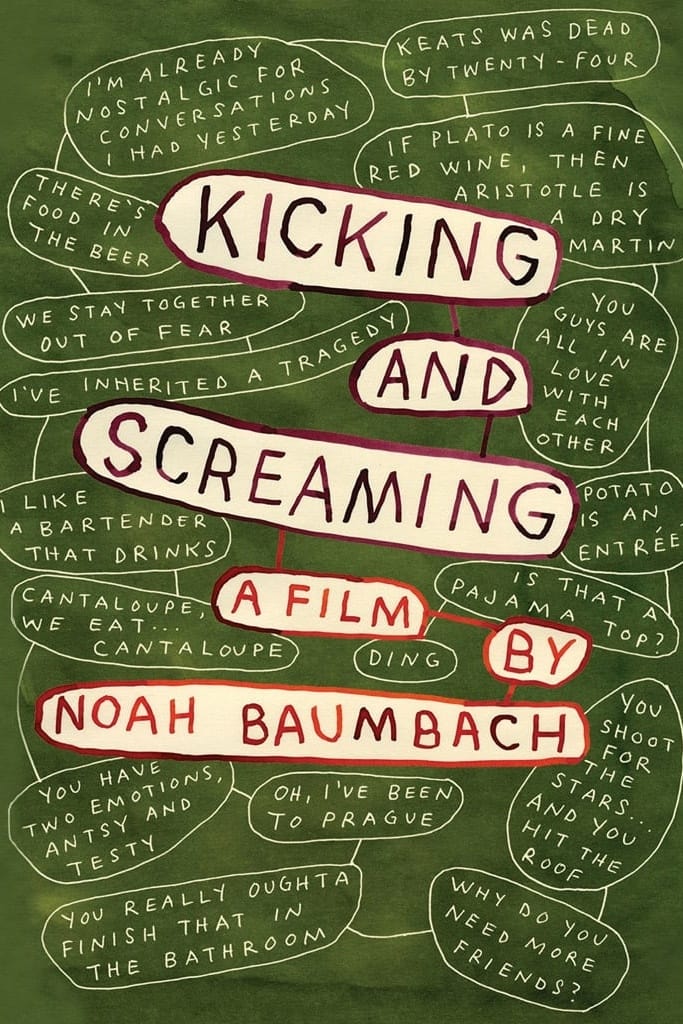
- There is not much to cast; another actor, never identified, was scheduled for the lead and dropped out at the last minute, which led to Eric Stoltz joining. — Bill Simmons
- Ethan Hawk as Grover is floated as a guess, with the speaker saying he is sure he is wrong; Omar Epps is named among a group of six or eight actors.
Most Rewatchable Scene
Balcony Prague conversation at the graduation party; airport scene; bow-hunting scene
In the discussion (17)
- The pick is narrowed from the opening cocktail party to Josh Hamilton and Olivia Diaba on the balcony, where she says she is going to Prague and he claims he has been to Prague; it introduces their relationship. — Bill Simmons
- Prague was a mythical post-Berlin-Wall destination heard about on campuses, requiring a Fodor's book, a visa and travelers checks, so "going to Prague" became a thing in itself. — Andy Greenwald
- A college roommate came back from a Prague junior year abroad judging everyone; skipping a semester abroad is a regret; the movie was seen on Thayer Street in Providence before the first Starbucks there. — Bill Simmons
- The graduation party is up there with the wedding in The Godfather for getting to know every character, Skippy, Max and Otis. — Chris Ryan
- The "You never even been to Prague" exchange riffs on the stop-shaving-your-armpits, read-The-Unbearable-Lightness-of-Being version of Prague.
- The book club scene, added because Eric Stoltz had to be shoehorned in with ad-libbed scenes, has about seven laugh-out-loud lines about All the Pretty Horses.
- Hollywood roller coaster: Stoltz was removed from Back to the Future, and ten years later this movie could not get money without him. — Andy Greenwald
- Further nominations: Grover confronting Max about sleeping with Miami, with Chet sneaking back in; Skippy confronting Max; and Grover and Chet at the bar, where Chet saw it as a postponement of his life until realizing it was his life. — Bill Simmons
- The final airport scene is spectacular: Grover's roughly three-minute monologue on a whim to go to Prague, with the camera on him.
- Hamilton's airport performance echoes Dustin Hoffman banging on the church at the end of The Graduate. — Andy Greenwald
- If asked at the end of 1995 which five young actors to bet on, Chris O'Donnell, Damon and Omar Epps would have been on the list along with Hamilton; the part could easily have been a Matt Damon part, but Hamilton is perfect in it. — Bill Simmons
- Hamilton suffers on Google from the Texas Rangers ballplayer of the same name and is part of the 90s New York theater crew with Billy Crudeup, Ethan Hawke and Robert Sean Leonard. — Andy Greenwald
- Jessica Hacked, who was on Friends as the lesbian lover of Ross's ex-wife, is great as the stewardess in the airport scene. — Bill Simmons
- The flashbacks work, perhaps as the story Grover is writing, and the ending goes straight into the Fridi Johnson song Bad Reputation, a needle drop that hits like a bomb.
- The last line, "let's pretend we're an old couple," happens before everything chronologically, and they do not actually kiss. — Andy Greenwald
- The airport scene is one pick, with a special shout-out to the entire graduation party as a meet-everyone-at-a-gathering opening.
- Every scene is equally rewatchable because the tone is so consistent, but the shout-out goes to the scene where he would rather be bow hunting.
Apex Mountain
Sanaa Lathan; Barcelona professional women's basketball; early WNBA optimism
In the discussion (8)
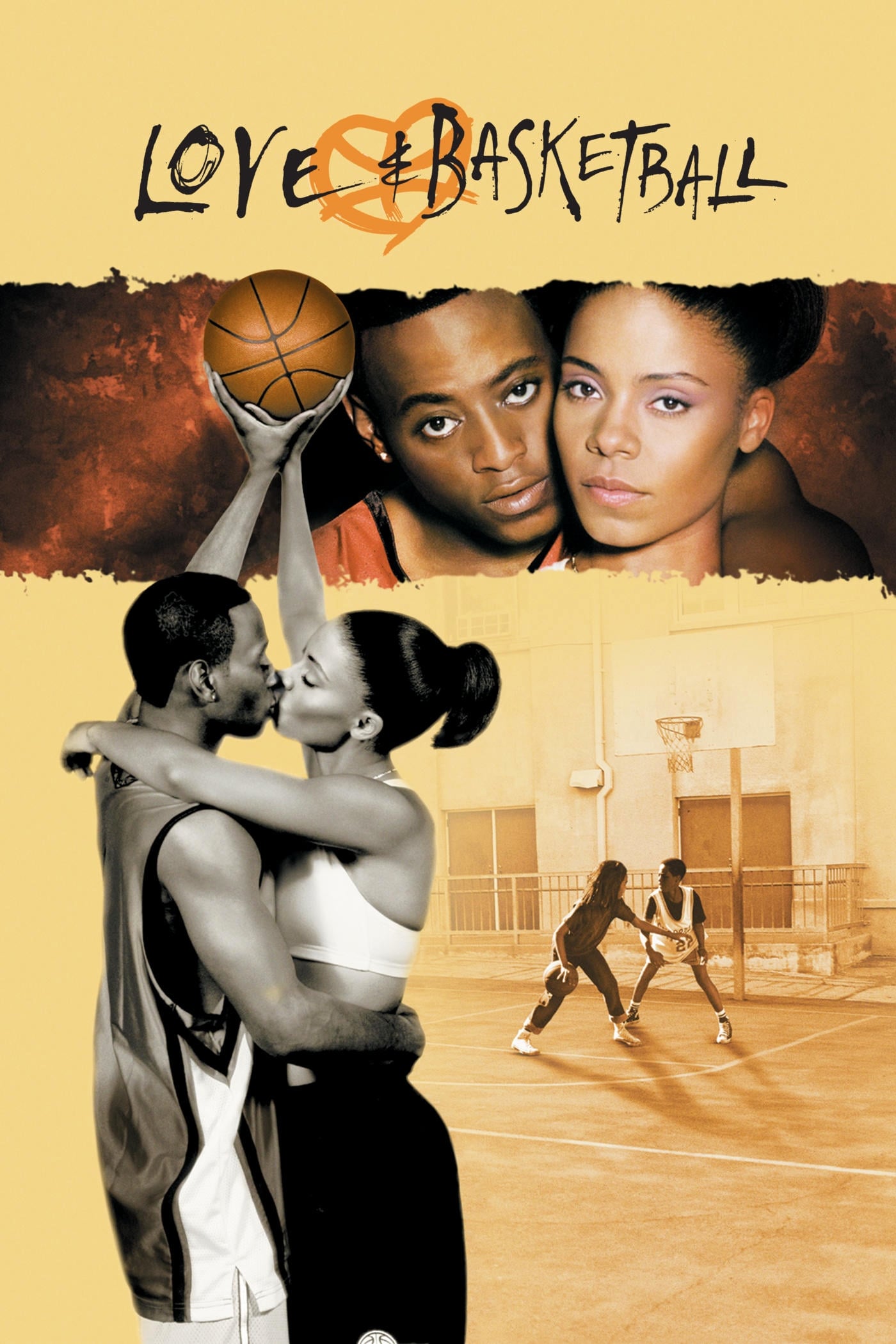
- Sanaa Lathan is a yes, with a big stock buy after this movie leading to good roles. — Bill Simmons
- Asked about Oscar potential, the 2000 Best Actress nominees are listed (Julia Roberts winning, Joan Allen, Laura Linney and others); the year is called loaded and Linney is said to have deserved it. — Bill Simmons
- A possible original screenplay nomination is raised, joked about as ignored by the Oscars committee; the five nominees are listed and Billy Elliot is said not to have aged well. — Bill Simmons
- Omar Epps is called a no; the other participant makes the yes case from his longevity, escape from typecasting, and TV resurgence, saying he could put up a fight. — Jemele Hill
- USC basketball is a no. — Bill Simmons
- Barcelona professional women's basketball is a yes, and the other participant agrees. — Bill Simmons
- The early WNBA seeming optimistic about the league's future is an emphatic yes; the film explained why the league was pushed: the players had nowhere to play. — Bill Simmons
- Dick Vitale is later floated as a possible Apex candidate that should have been brought in. — Bill Simmons

