
Film credit
Robert Sean Leonard
Stats
- Episodes featuring their films
- 2
- Movies in this archive
- 2
Rewatchables episodes featuring Robert Sean Leonard’s films
Mentioned in discussions

Apex Mountain
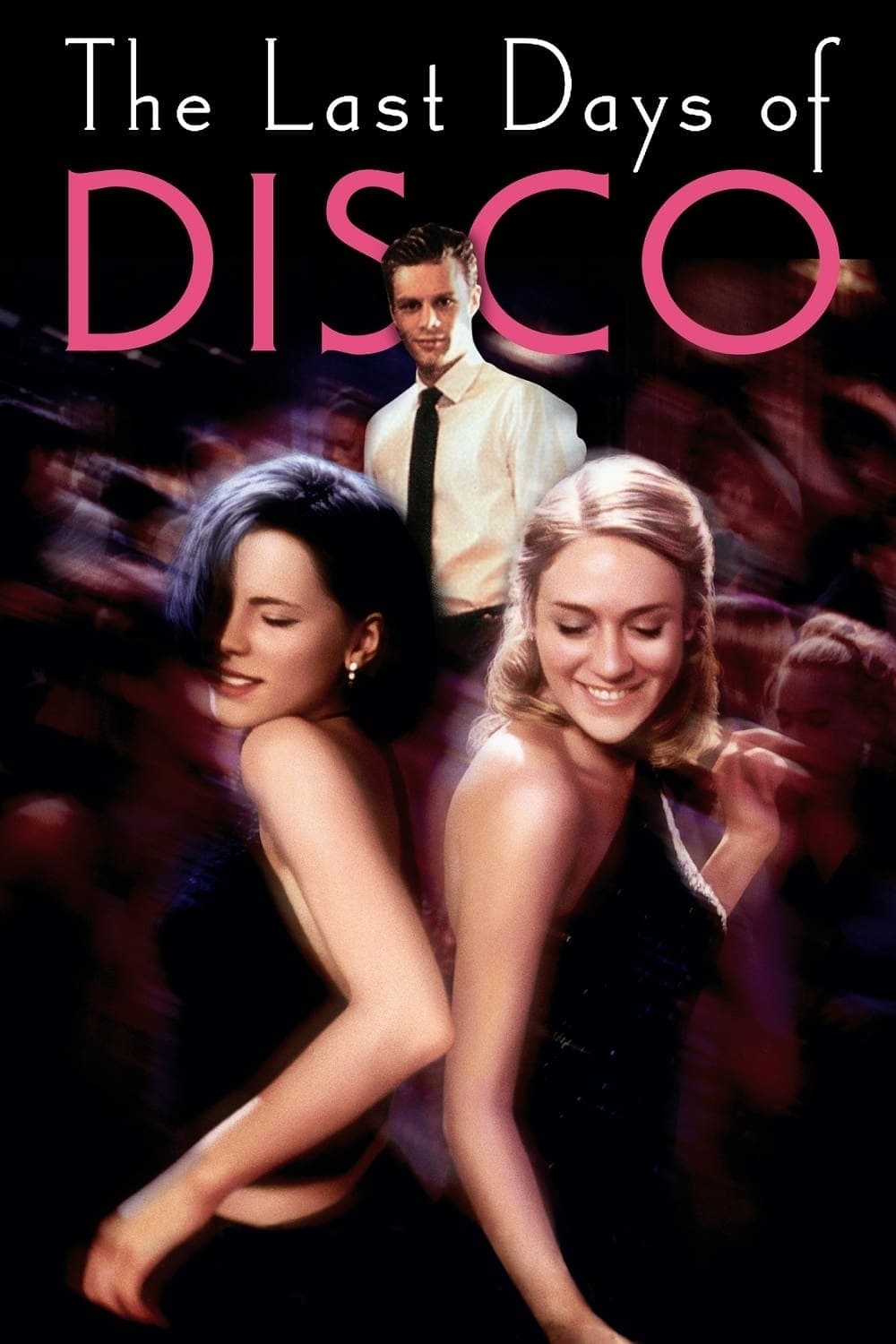
Sevigny; Mackenzie Astin, qualified; money-losing Studio 54 movies
In the discussion (13)
- Sevigny receives yes for her New York It Girl moment before Boys Don’t Cry, with a joking Brown Bunny qualification. — Bill Simmons
- Beckinsale’s peak is placed with Underworld rather than this film; Brokedown Palace and Instagram are alternatives.
- Mackenzie Astin initially receives yes, then Facts of Life is raised as competition. — Bill Simmons
- Robert Sean Leonard receives no.
- Hatred of advertising people is proposed, with Mad Men as competition.
- Vodka tonics are proposed without a definite peak ruling.
- Book publishing’s peak is debated against its later film glamorization and the 2000 s as a last strong decade.
- Gonorrhea movie references are suggested without a definite answer.
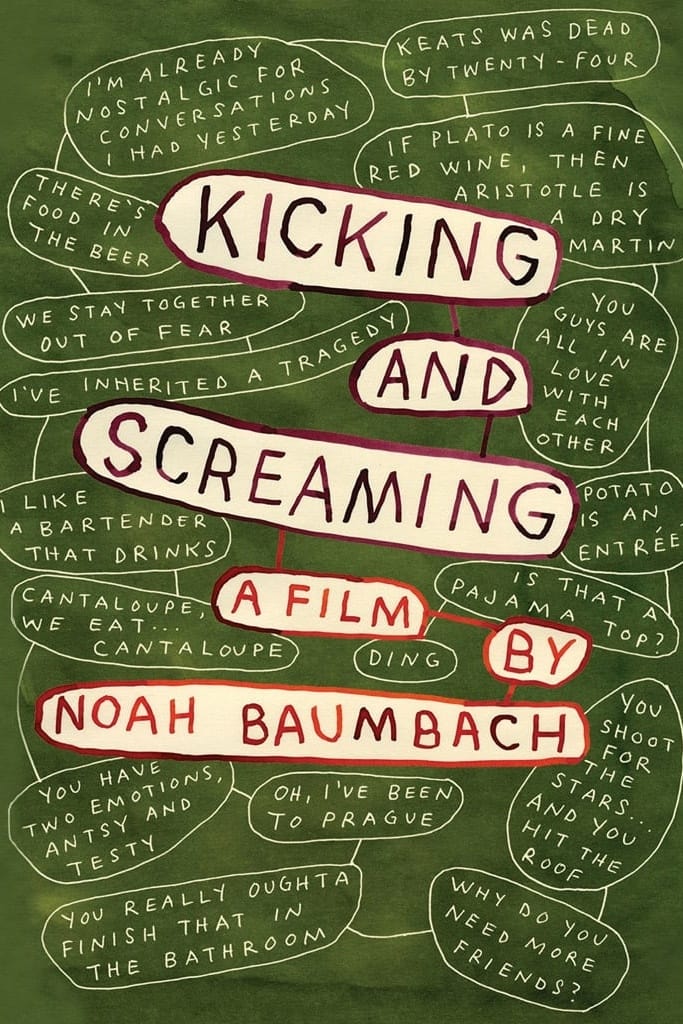
- Eigeman’s Kicking and Screaming is preferred, while this film and Barcelona are treated as a shared strong run.
- Yuppie scum is proposed without a clear ruling.
- Railroad apartments are proposed without a clear ruling.
- Stillman’s peak is debated between Barcelona and Metropolitan, with the latter’s Oscar nomination favoring it. — Bill Simmons
- Money-losing Studio 54 movies receive an explicit yes. — Bill Simmons

The Dion Waiters Award for Best Heat Check Performance
Burr Steers; Leonard, Bernie and doorman also nominated
In the discussion (4)
- Robert Sean Leonard’s few scenes are nominated. — Bill Simmons
- Bernie is nominated.
- The doorman is nominated.
- Burr Steers is the strongest stated choice, particularly his final street speech.

What’s Aged the Best?
Indie films; Leonard; costumes; Sevigny and Beckinsale; soundtrack; gay-day joke; club outfit; Criterion; Dan; New York; unnamed club; railroad apartments
In the discussion (12)
- Late 1990 s independent films receive a choice.
- Robert Sean Leonard remains a welcome performer despite not becoming the anticipated movie star.
- Sarah Edwards’s costumes endure, especially Alice’s blue, striped, opening and subway red outfits; their contemporary appeal is praised.
- Young Sevigny and Beckinsale are reiterated.
- The soundtrack is called a first-ballot Hall of Famer, with the breadth of its playlist praised. — Bill Simmons
- Wednesday being gay day remains a favorite joke. — Bill Simmons
- A clubgoer’s bull’s-eye outfit is funny. — Bill Simmons
- The Criterion release, Stillman commentary and matching illustrated trilogy packaging are appreciated. — Bill Simmons
- Department Dan’s activism and remarks about bourgeois women working are praised.
- New York functions as a living room for young people escaping cramped apartments. — Chris Ryan
- The club evokes Studio 54 without naming it, avoiding the feeling of exclusion from a specific famous scene. — Chris Ryan
- Railroad apartments and Alice’s noisy pots and toilet business evoke unpleasant shared-living realities.

The Great Shot Gordo Award for Most Cinematic Shot
Alice dancing while watched from afar
In the discussion (1)
- Alice dancing while the Robert Sean Leonard character watches is the immediate choice. — Bill Simmons

Most Rewatchable Scene
Opening nightclub sequence (two choices); Rex’s sequence (one choice)
In the discussion (19)
- The opening twenty minutes introduce the whole nightclub ensemble over a succession of songs.
- Jimmy tries to bring older business contacts past the doorman. — Bill Simmons
- The women use a cab trick to gain admission. — Bill Simmons
- Des tells the Jennifer Beals character he thinks he is gay. — Bill Simmons
- Charlotte’s first backhanded compliments establish the frenemy dynamic.
- The publishing-coverage template and formula argument with Dan are favorites. — Bill Simmons
- Alice leaves the booth to dance while Robert Sean Leonard’s character watches from afar. — Bill Simmons
- The harsh confrontation about Alice’s seductive routine is praised for its writing and restrained reactions.
- The debate over whether yuppies exist rejects a label no one claims for themselves.
- The unexpected breast-unveiling anecdote is praised as captivating storytelling.
- Charlotte publicly deduces Alice’s infection from her refusal of alcohol, then offers an insincere apology.
- The Lady and the Tramp analysis about women loving jerks is another favorite. — Bill Simmons
- The nightclub bust is nominated. — Bill Simmons
- Alice’s success, Charlotte’s layoff and the speech declaring disco dead form another favorite ending sequence.
- The subway Love Train finale is praised, especially the cut to dancers on the platform. — Bill Simmons
- The opening is one final choice, with the yuppie discussion as backup. — Bill Simmons
- The Rex’s sequence is another final preference, contrasting a supposedly dull bar with its patrons’ genuine enjoyment.
- The opening introduces existing conflicts rather than strangers meeting, creating the sense of entering established relationships.
- A second final choice favors the opening twenty minutes, with Rex’s and the Radcliffe anecdote close behind.
Most Rewatchable Scene
Balcony Prague conversation at the graduation party; airport scene; bow-hunting scene
In the discussion (17)
- The pick is narrowed from the opening cocktail party to Josh Hamilton and Olivia Diaba on the balcony, where she says she is going to Prague and he claims he has been to Prague; it introduces their relationship. — Bill Simmons
- Prague was a mythical post-Berlin-Wall destination heard about on campuses, requiring a Fodor's book, a visa and travelers checks, so "going to Prague" became a thing in itself. — Andy Greenwald
- A college roommate came back from a Prague junior year abroad judging everyone; skipping a semester abroad is a regret; the movie was seen on Thayer Street in Providence before the first Starbucks there. — Bill Simmons
- The graduation party is up there with the wedding in The Godfather for getting to know every character, Skippy, Max and Otis. — Chris Ryan
- The "You never even been to Prague" exchange riffs on the stop-shaving-your-armpits, read-The-Unbearable-Lightness-of-Being version of Prague.
- The book club scene, added because Eric Stoltz had to be shoehorned in with ad-libbed scenes, has about seven laugh-out-loud lines about All the Pretty Horses.
- Hollywood roller coaster: Stoltz was removed from Back to the Future, and ten years later this movie could not get money without him. — Andy Greenwald
- Further nominations: Grover confronting Max about sleeping with Miami, with Chet sneaking back in; Skippy confronting Max; and Grover and Chet at the bar, where Chet saw it as a postponement of his life until realizing it was his life. — Bill Simmons
- The final airport scene is spectacular: Grover's roughly three-minute monologue on a whim to go to Prague, with the camera on him.
- Hamilton's airport performance echoes Dustin Hoffman banging on the church at the end of The Graduate. — Andy Greenwald
- If asked at the end of 1995 which five young actors to bet on, Chris O'Donnell, Damon and Omar Epps would have been on the list along with Hamilton; the part could easily have been a Matt Damon part, but Hamilton is perfect in it. — Bill Simmons
- Hamilton suffers on Google from the Texas Rangers ballplayer of the same name and is part of the 90s New York theater crew with Billy Crudeup, Ethan Hawke and Robert Sean Leonard. — Andy Greenwald
- Jessica Hacked, who was on Friends as the lesbian lover of Ross's ex-wife, is great as the stewardess in the airport scene. — Bill Simmons
- The flashbacks work, perhaps as the story Grover is writing, and the ending goes straight into the Fridi Johnson song Bad Reputation, a needle drop that hits like a bomb.
- The last line, "let's pretend we're an old couple," happens before everything chronologically, and they do not actually kiss. — Andy Greenwald
- The airport scene is one pick, with a special shout-out to the entire graduation party as a meet-everyone-at-a-gathering opening.
- Every scene is equally rewatchable because the tone is so consistent, but the shout-out goes to the scene where he would rather be bow hunting.
In the discussion (4)
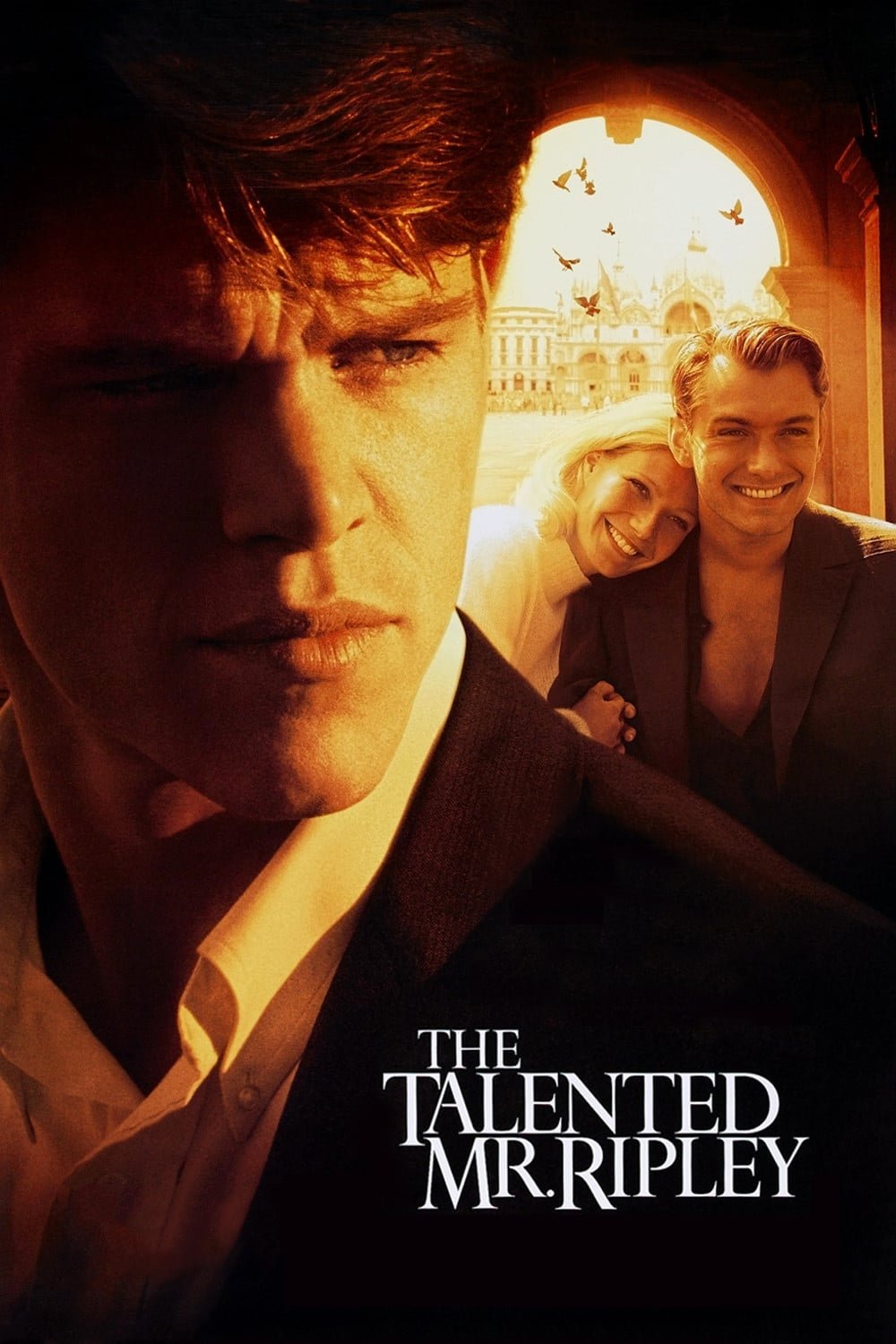
- Peter, played by Jack Davenport, is the role to recast: an early Colin Farrell is floated though maybe too young, with a wish for a future star to make it six instead of five. — Bill Simmons
- One participant long mistook the actor for Robert Sean Leonard.
- Colin Firth is suggested instead and agreed with, because Peter is supposed to be a good person despite some elitism. — Amanda Dobbins
- Jack Black, Will Ferrell and Chevy Chase are thrown out as jokes and rejected.

In the discussion (5)
- Robin Williams is the immediate and repeated winner choice.
- Robert Sean Leonard receives a brief alternative case for Neil.
- No other actor could execute the classroom scenes in quite the same way as Williams.
- Walt Whitman wins among the poets because his work supplies the central question and final salute.
- Robert Sean Leonard edges Ethan Hawke among the students.
Podcast choices
- Speaker not identified
- Robin Williams
- Speaker not identified
- Robin Williams
- Speaker not identified
- Robin Williams

Apex Mountain
Robin Williams, Alexandra Powers, Pitts, Charlie Dalton’s actor, and possibly Robert Sean Leonard
In the discussion (7)
- Dead Poets Society is argued as Williams’s apex because it follows Good Morning, Vietnam and proves he can carry comedy and drama. — Bill Simmons
- The film is said to enable Williams to choose projects and lead into Awakenings, The Fisher King, Hook, Aladdin, and Mrs. Doubtfire.
- Good Will Hunting is treated as a later career culmination rather than the peak of his market power. — Chris Ryan
- The observed Alexandria Powers is explicitly raised as an apex question. — Bill Simmons
- Pitts is explicitly given an apex answer.
- Charlie Dalton’s performer is treated as an apex because his magnetic work suggested a larger acting career that did not follow.
- Robert Sean Leonard’s Neil may be his apex despite a durable stage and television career.

Half-Assed Internet Research
The deleted Keating leukemia story, chronological filming, the cast living together, Williams’s regard for the film and Peter Weir, Cameron refusing the final desk stand, Hawke’s tense relationship with Williams, Delaware locations, a failed first production, and several cast connections
In the discussion (15)
- The original script reportedly had Keating dying of leukemia, which motivated his carpe diem outlook. — Bill Simmons
- Peter Weir removed the leukemia subplot, keeping Keating’s private life largely unexplained. — Bill Simmons
- The actors playing the students reportedly all lived together to forge a sense of community and friendship. — Mallory Rubin
- The movie was shot chronologically so the relationships could develop in order. — Bill Simmons
- Robin Williams reportedly called it one of his favorite films and Peter Weir the best director he worked with. — Bill Simmons
- Robert Sean Leonard later played a doctor on House, matching Mr. Perry’s demand that Neil become a doctor.
- The actor who played Cameron vetoed having Cameron stand on the desk because it violated the character, and Weir agreed. — Chris Ryan
- Colin Irving, who played Chet Danbury, is identified as novelist John Irving’s son. — Bill Simmons
- Ethan Hawke believed Williams disliked him because Hawke resisted the improvisational joking while staying inside Todd’s reserve. — Chris Ryan
- Williams’s teasing reportedly generated improvised classroom material while supporting Hawke’s character. — Chris Ryan
- Josh Charles reportedly completed the bicycle ride down the hill in one take. — Bill Simmons
- The production moved from Georgia to Delaware because fake snow was too difficult or expensive. — Mallory Rubin
- The studio once wanted the story made as a musical called Sultans of Strut. — Mallory Rubin
- A first day of shooting collapsed when Williams, whose deal was unfinished, did not appear; the constructed sets were then burned. — Chris Ryan
- Josh Charles and James Waterston are reported as later appearing together in The Good Wife. — Bill Simmons
Casting What-Ifs
Dustin Hoffman, Mel Gibson, and Liam Neeson were earlier John Keating possibilities; River Phoenix wanted Neil, Sam Rockwell auditioned for Charlie, and Lara Flynn Boyle’s role was removed.
In the discussion (7)
- Dustin Hoffman was intended to play Keating and make the film his directing debut. — Bill Simmons
- Mel Gibson was attached while the observed Jeff Kanoe was directing, before cost and creative changes moved the project elsewhere. — Bill Simmons
- The observed Liam Mason reportedly had the role before Robin Williams and Peter Weir joined.
- Peter Weir took the film while Gérard Depardieu’s availability delayed Green Card. — Bill Simmons
- Her role was reportedly edited out, and she was told not to attend the premiere. — Bill Simmons
- River Phoenix wanted to play Neil, but the role went to Robert Sean Leonard. — Bill Simmons
- Sam Rockwell reportedly auditioned for Charlie. — Mallory Rubin

