Anna needs a stronger survival presence; Rodriguez, Mendes and Berry are proposed. — Bill Simmons
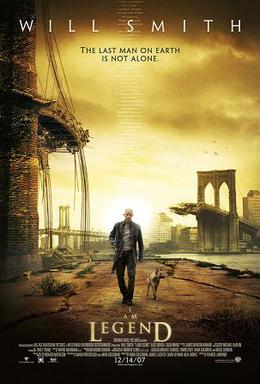
The casting discussion considers perceived restrictions on Smith’s romantic pairings and why Braga’s character lacks force. — Bill Simmons
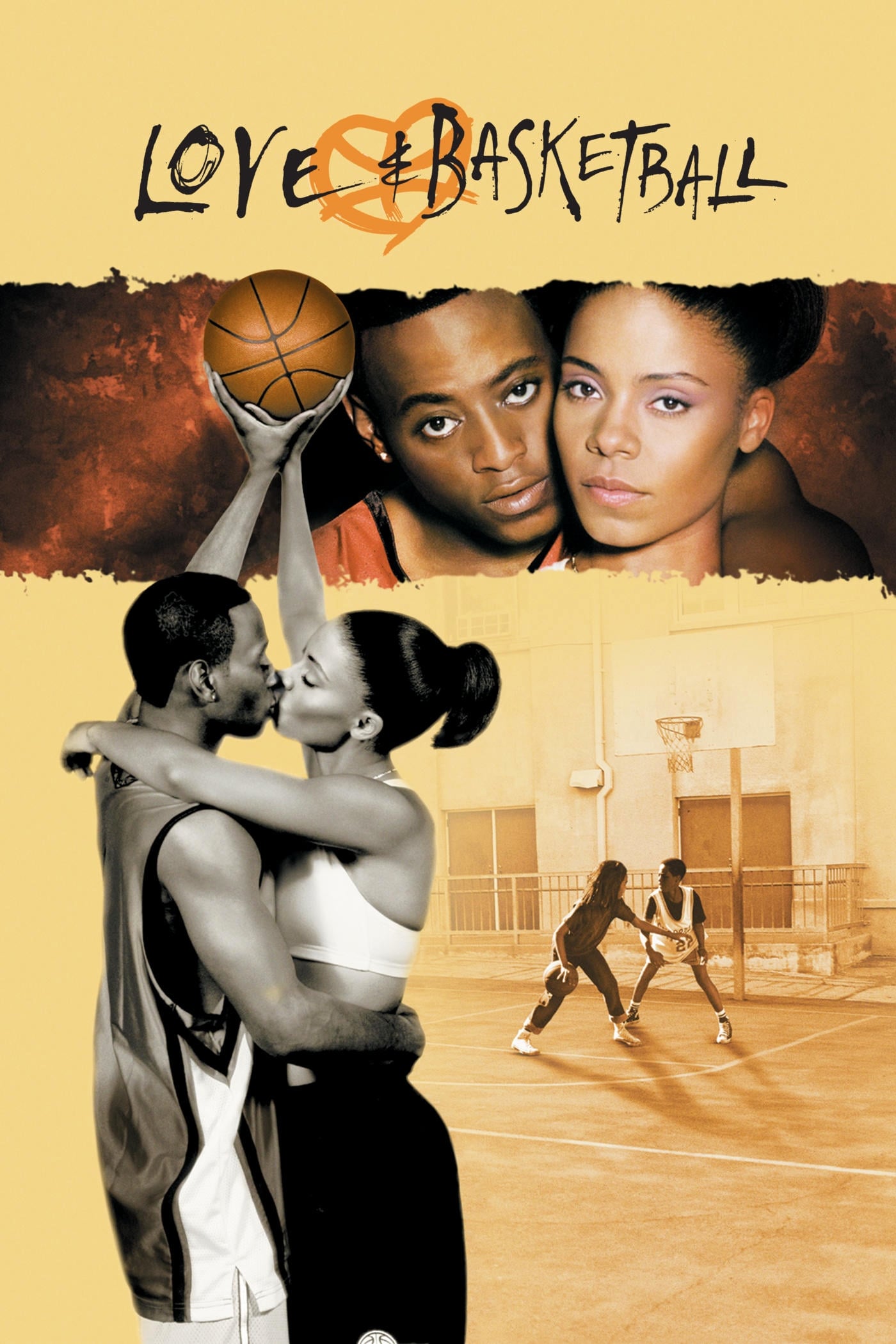
Rodriguez or Lathan would supply believable physical capability and sensitivity, with Love & Basketball as supporting context for Lathan. — Bill Simmons
Tiffani-Amber Thiessen is proposed for a clearly high-school-aged Anna, then an all-Black remake develops around Sterling K. Brown, Sanaa Lathan, J.B. Smoove, and Tracy Morgan, with Kevin Hart rejected.
Kevin Hart is identified as the obvious commercial Bob choice but rejected because the panel doubts he would disappear into the character. — Van Lathan
J.B. Smoove becomes the preferred Bob because he can charm the family while aggravating Sterling K. Brown’s Leo. — Van Lathan
Kenan Thompson is considered for Leo as an undervalued performer. — Van Lathan
Tracy Morgan is also proposed as Bob and receives strong support.
The remake discussion pivots to an all-Black cast for What About Bob. — Bill Simmons
Beyond the performance, the reasoning is that she showed the nuances of being a woman, a female athlete and a Black female athlete, and spoke to women with an unconventional passion, such as a girl in Detroit wanting to be a sports journalist. — Jemele Hill
The second voter calls the character timeless and a role model for a daughter, and says she won the movie. — Bill Simmons
Sanaa Lathan is a yes, with a big stock buy after this movie leading to good roles. — Bill Simmons
Asked about Oscar potential, the 2000 Best Actress nominees are listed (Julia Roberts winning, Joan Allen, Laura Linney and others); the year is called loaded and Linney is said to have deserved it. — Bill Simmons
A possible original screenplay nomination is raised, joked about as ignored by the Oscars committee; the five nominees are listed and Billy Elliot is said not to have aged well. — Bill Simmons
Omar Epps is called a no; the other participant makes the yes case from his longevity, escape from typecasting, and TV resurgence, saying he could put up a fight. — Jemele Hill
Barcelona professional women's basketball is a yes, and the other participant agrees. — Bill Simmons
The early WNBA seeming optimistic about the league's future is an emphatic yes; the film explained why the league was pushed: the players had nowhere to play. — Bill Simmons
Dick Vitale is later floated as a possible Apex candidate that should have been brought in. — Bill Simmons
Reportedly considered for Monica: Serena Williams (unavailable), Marion Jones (on tape) and finalist Naisha Butler; Gabrielle Union auditioned for Monica
Casting What-Ifs is spoiled early: the director reportedly tried about 700 people for Monica and, per her quote, required auditioners to meet her on the court as well as read. — Bill Simmons
Serena Williams was reportedly read for the part but unavailable, and Marion Jones read on tape, which the hosts say would not have aged well. — Bill Simmons
A Huffington Post oral history from five years earlier is cited as the source. — Bill Simmons
By the director's account it came down to Sanaa Lathan, who had never touched a basketball, and Georgia Tech star Naisha Butler, who could not act; each got two months of coaching, and Lathan improved but could not hang in a game. — Bill Simmons
The director is quoted that her husband asked whether it was a basketball movie or a love story; she decided it was a love story because you can fake a jump shot but not a close-up. — Jemele Hill
Returning to casting after the break, Gabrielle Union is described as a point guard for whom Monica was a dream role; with no acting experience she did not get it and was cast as the high school groupie who goes to the dance with Q. — Bill Simmons