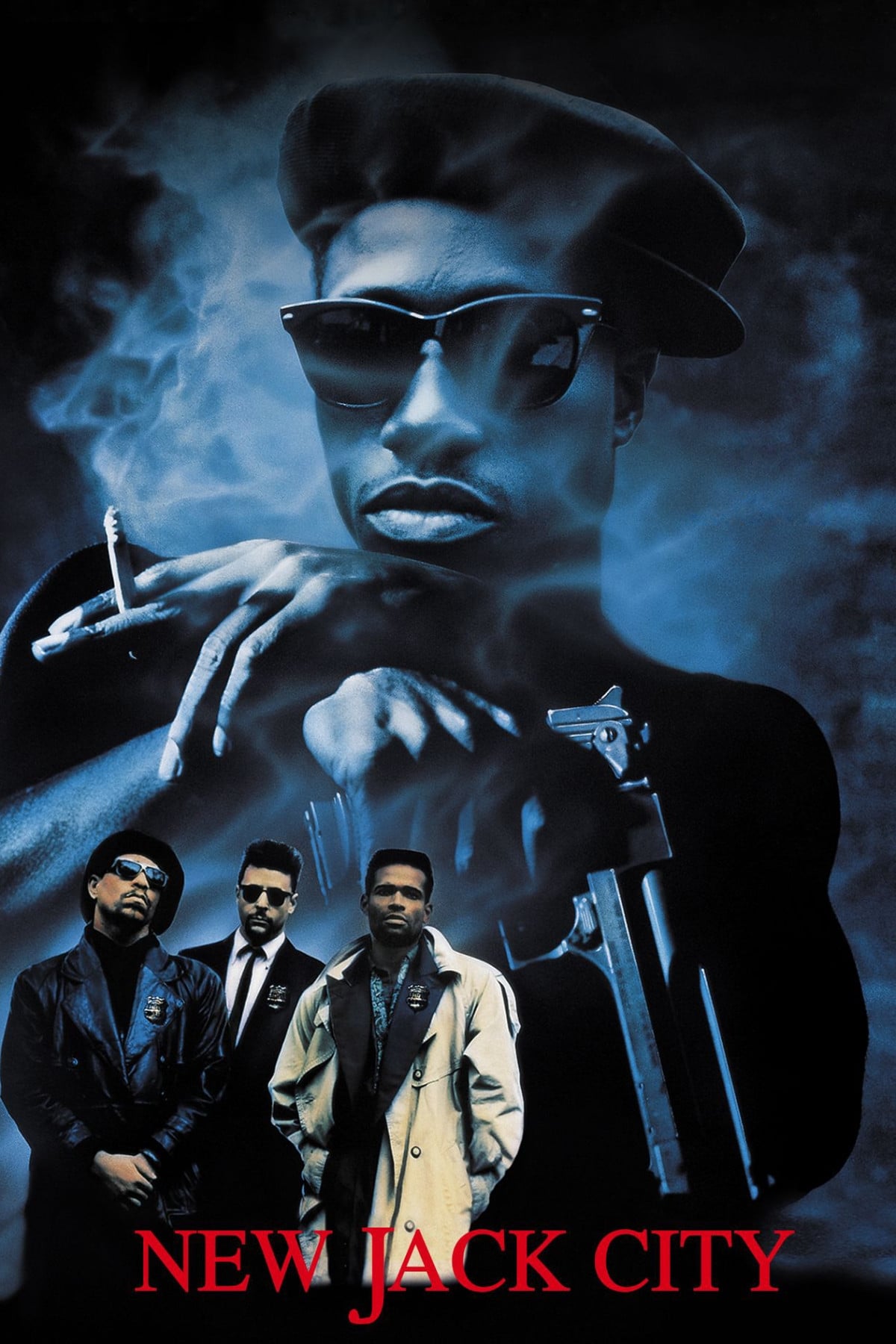
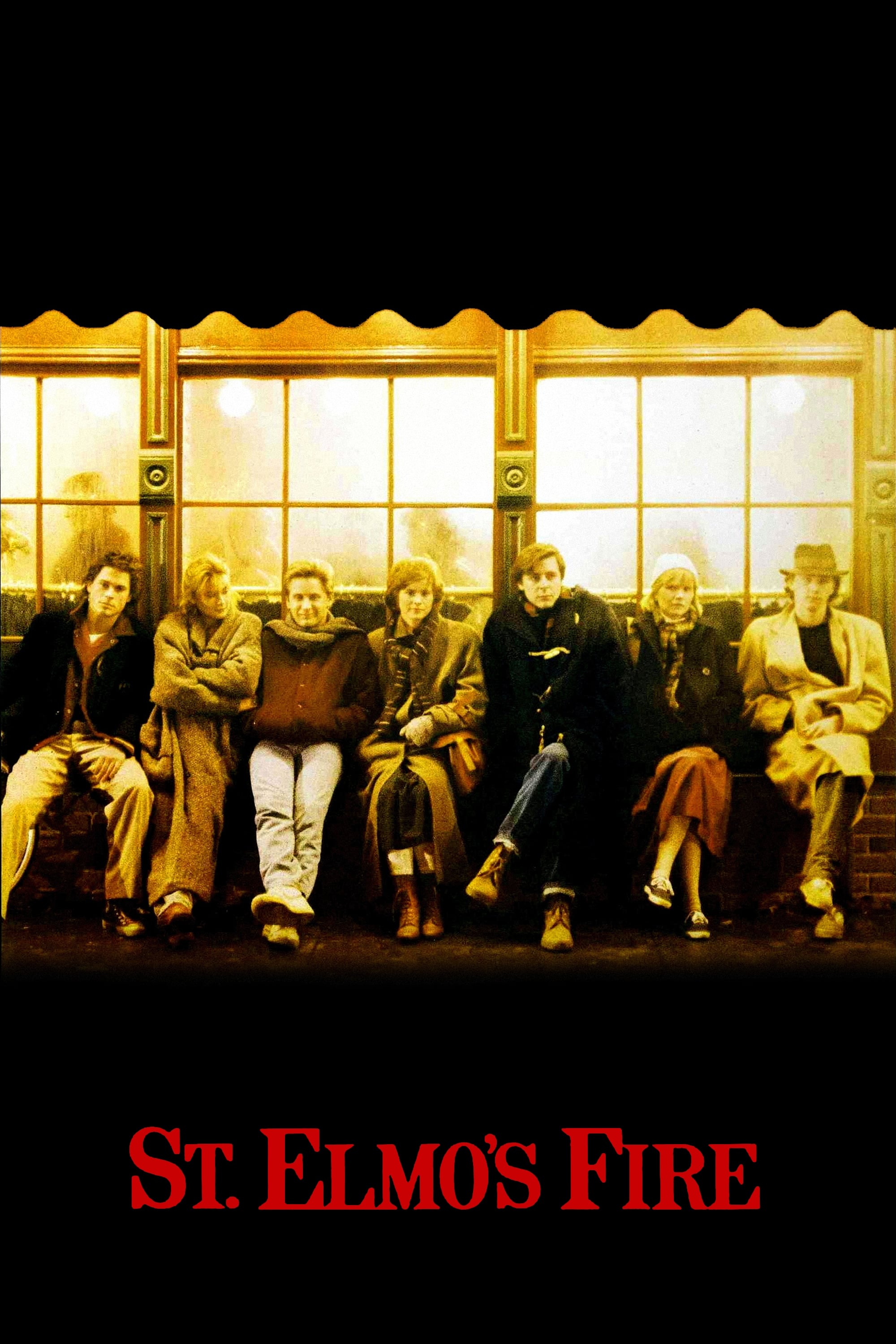
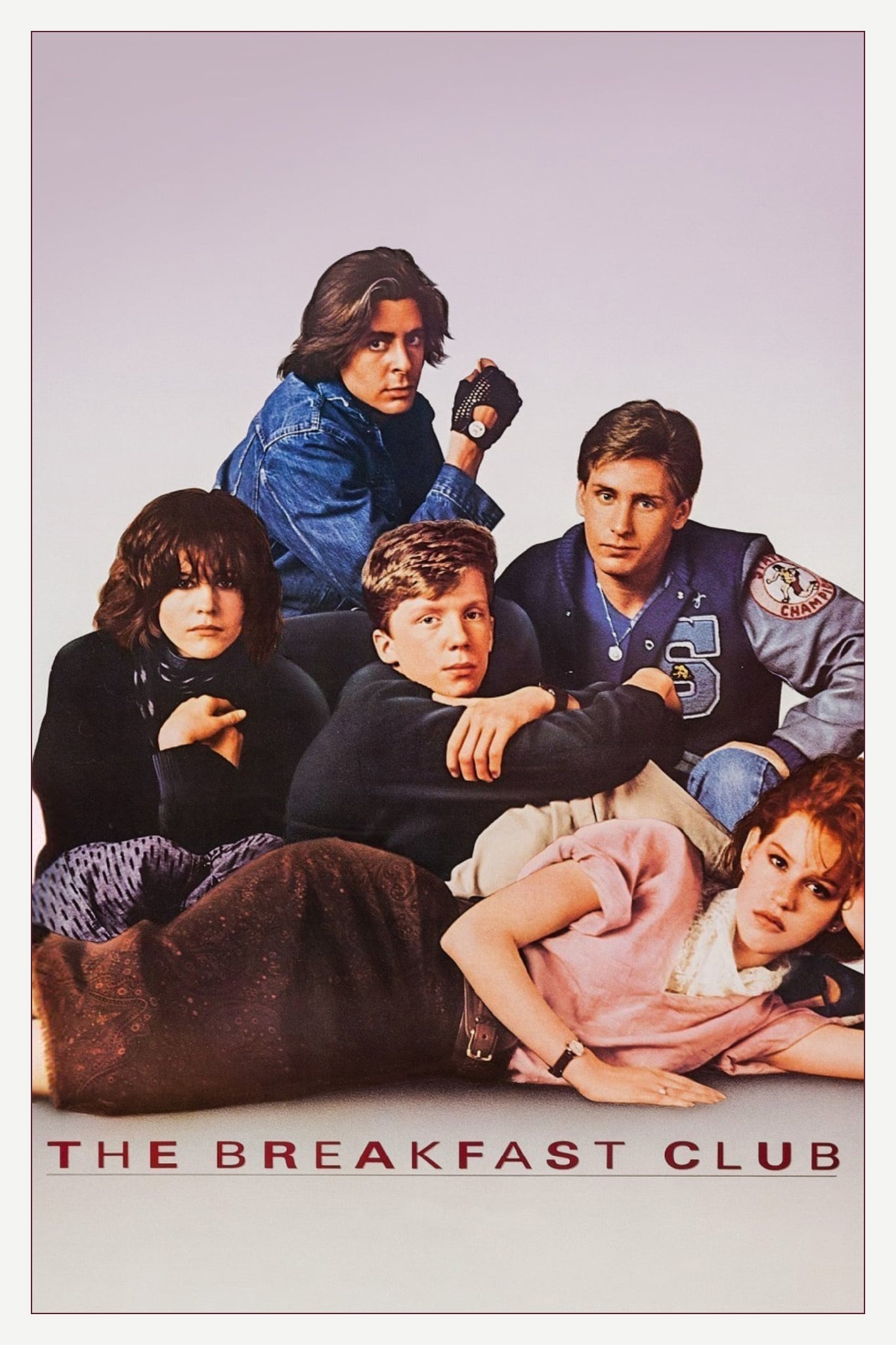
A new award launched the week before on New Jack City: the Judd Nelson Award for someone who is clearly in another movie; Chris was there and Sean was not.
William Defoe seems to be in a completely different movie, generic and giving nothing interesting to say despite being a multi-Oscar nominee, like an old Law & Order episode.
A partial dissent enjoys Defoe being given nothing to do, while noting his odd introduction as a jerk to Denzel followed quickly by an apology.
Per the internet research, Spike and Defoe met in a men's room during an intermission of a Julius Caesar production with Denzel and agreed to work together, so Defoe feels shoehorned in, mainly setting up jokes.
Judd Nelson's New Jack City performance was the model, and Defoe is called a good first winner.
Chris Ryan joins for a cameo, credited as a reason the podcast started and a lover of this movie. — Bill Simmons
A new category is introduced, the Judd Nelson Award, for anyone who seems to be in a completely different movie than everyone else. — Bill Simmons
Nick Peretti is one of the all-time great jarhead cops, essentially John Bender as a narc; as a child this seemed the apex of undercover cops, so Pacino in Serpico seemed to bite Nelson's style. — Chris Ryan
Everyone asks what Judd Nelson is doing in this movie; the performance is a Russian nesting doll, with a favorite moment when he turns into a William Faulkner-style storyteller while drinking with Scotty after Pookie dies.
He is a weird racist ally who calls Scotty high yellow and lies on his bed in boots, yet kills someone for Scotty at the end; possibly made unlikable so he could be redeemed.
He delivers the key line that drugs are not a black or white thing but a death thing; the role feels like it could have been added in reshoots. — Van Lathan
Johnny Depp was sought but too expensive; it was a comeback role for Nelson.
Peretti is either divorced or just out of a long relationship with a high school sweetheart, and lives in New York. — Chris Ryan
Imagined backstory: a cold-water apartment in Brooklyn, early retirement to fund an independent hip-hop label, an estranged daughter as an unfilmed deleted scene, and kinship with Jonah and Chelsea Peretti.
His introduction in untied boots and baggy jeans homages John Bender, and firing his gun in the man's house is baffling.
Making him literally John Bender would be amazing, with a sequel where Emilio Estevez's Andrew runs an HGH ring.
If Nelson had been going through a substance problem during filming, the performance would make the same sense. — Chris Ryan
He smiles at odd moments; the theory is he read the script and played a Martin Riggs type hoping for a Lethal Weapon-style spin-off with Ice T. — Bill Simmons
The Wire's creators were shaped more by their police and newspaper careers than by any movie, but both works draw on the same reality of crews controlling project buildings, like Avon and Stringer. — Van Lathan
The Wire came only 12 years after this movie but feels 20. — Van Lathan
Pookie versus Bubbles as the pop-culture crack addict you are most attached to; Erica Christensen in Traffic is added after a mix-up with Amanda Seafreed (transcribed form), and Bubbles had seasons of screen time, so the comparison is unfair.
Why were there no more Ice T and Judd Nelson movies? A spin-off could have escalated the stakes the way the Crocodile sequel did, and a Narcos season is still possible. — Van Lathan
Wesley Snipes: yes, because the movie's success opened doors; he had bigger moments but not greater ones, and it is his signature performance. — Bill Simmons
Allen Payne is left unsettled: he worked a long time after, including Jason's Lyric and The Perfect Storm, but this was his biggest deal. — Van Lathan
Human bullet shields: yes, over Heat and The Dead Zone as the more recognizable example. — Van Lathan
New Jack swing is offered as an Apex Mountain. — Logan Murdock
In hindsight the moment is called the height of the genre, since it got so big it made a movie title and Hollywood. — Logan Murdock
Guy: no; their big cameo cannot be their apex, and pressing the point draws teasing.
Chris Rock's movie career: yes; it is the best he has been in a movie and his most recognizable role, with Head of State jokingly floated as an Obama precursor.
Box haircuts: Fresh Prince might be up there, but the movie plus the 1991 playoffs may be the peak for high tops; a flat top was kept until 1994.
Mario Van Peebles: 100% his apex; nothing hinted he would make a $50 million movie; later came Posse and Panther and a role in Ali, and his father Melvin Van Peebles was the architect of blaxploitation.
Bill Nunn: no, it has to be Radio Rahim; Judd Nelson: no, with discussion deferred.
Color Me Bad: no, because of their 90210 episode and a number-one record.
Zoot suits are left unresolved, perhaps some 1940s film. — Logan Murdock
Her IMDb is called the weirdest: She's Gotta Have It as Nola Darling, a 1988 Nike ad with Spike Lee and Michael Jordan, a Wild Thing video, Family Ties, a Mo Better Blues cameo and this movie, then no credit for 21 years until Red Hook Summer. — Bill Simmons
Research found no explanation; speculation includes marriage and kids, a substance problem or quitting the business, though Spike Lee's patronage could have sustained a career. — Van Lathan
Listeners who know what happened to her are invited to reply on Van and Logan's Twitter. — Logan Murdock
Her scene turning on music with the remote in another woman's face carries enormous tension. — Logan Murdock
Pookie is proposed but rejected as too big a part; Judd Nelson is ineligible because he gets his own category later. — Logan Murdock
The use of Scarface is mentioned again, and character names such as G Money, Pookie, Duh Duh Man and Frankie Needles are praised. — Bill Simmons
Nino's clothes are fantastic and possibly sampled by NBA players; lean, built Snipes could pull off the full suits.
Kente cloth, including Ice T's beanie in the beach scene, aged really well.
The unexpected Flavor Flav cameo, the Cash Money and Carter album tie-ins, and the "wouldn't want to be" line Snipes seems to say in three movies are cited. — Bill Simmons
The women feel early 90s in a good way, capped by Michael Michelle, later cast in Ali as someone extremely beautiful. — Bill Simmons
Ice T and Judd Nelson together were the CBS police show never made; Judd commentary is held until the end. — Bill Simmons
Ice T as a cop aged beautifully: he played a cop before Cop Killer and Law & Order and has a complicated pop-culture history with cops.
The crooked cop's redemption story, for Ice T's and Judd Nelson's characters, is a recurring 80s trope that seems retired, as in Cobra.
Asked if a tie is a cop-out, the reply is that they have tied before; Demi Moore and Rob Lowe are named co-winners, with About Last Night as a payoff. — Bill Simmons
Lowe had the best role of his career at 20, the right age for the part. — Bill Simmons
Demi Moore: no way; her own apex was not A Few Good Men, G.I. Jane is floated, and signing the record Striptease contract is probably it. — Bill Simmons
Universal back-lot bar street; the Tombs as the model bar; cast partying; Georgetown filming refusal; shower-door accident; Lowe learning sax; McCarthy feeling apart
Per the hosts' research, the bar's street was on the Universal back lot, near the Back to the Future clock tower. — Bill Simmons
Per the hosts, the bar was based on the Tombs (transcribed 'Tumes'), a Georgetown hangout one host visited in the early 90s, which looked similar. — Bill Simmons
The hosts say the five partied a lot, and that Estevez and Moore got engaged and made Wisdom, which he directed and which bombed. — Bill Simmons
The hosts say Georgetown would not permit filming, so the production used the University of Maryland; per Gora's book, a priest answered Schumacher's Exorcist jab by saying God wins in The Exorcist. — Bill Simmons
Per the hosts' research, Lowe had Lakers courtside tickets and a new Porsche. — Bill Simmons
Per the hosts' research, the shower door breaking in the Sheedy-McCarthy scene was an accident; per McCarthy in the book, Schumacher's crude outburst made Sheedy cry, which would be a bigger deal in 2020. — Bill Simmons
The hosts say Lowe learned the sax, though some moments show he is not playing. — Bill Simmons
McCarthy is quoted from the book saying he always felt apart from the group; he is judged a bad hang, and Judd Nelson is preferred. — Bill Simmons
The opening credits are listed first for the theme music. — Bill Simmons
The first St. Elmo's bar scene is listed for its cheesy 80s music and everyone in their habitat, including Judd Nelson dunking Rob Lowe in the water. — Bill Simmons
The short first Jeep scene is listed for the iconic exchange about the three-year Georgetown Young Democrats chief working for a Republican: "Moving up, Kerbo." — Bill Simmons
The scene of Billy on the roof at the Mare Winningham character's house (transcribed 'Mayor Winningham') is listed. — Bill Simmons
Kirby's party at Kim's house and Jules and Billy in the car, ending with "You break my heart. Then again, you break everyone's heart," are listed; the car line is called devastating. — Bill Simmons
Leslie moving out of Alec's apartment and dividing the records ("No Springsteen is leaving this house") is listed, with Nelson described as completely out of control.
The vote is Billy's big sax scene, with "no other question". — Bill Simmons
Also liked: the Kevin and Leslie hookup confession ("Am I part of your props?") and Kevin and Kirby's apartment talk when Billy shows up needing a place to crash; but there is really no competition with Billy Hicks and the New Breed on Halloween night. — Chris Ryan
The band's song seems to have only the lyric "One love", leaving the band standing around during Billy's long solo. — Chris Ryan
Whether Billy is a serious musician is unclear; he fronts Billy Hicks and the New Breed but at Georgetown seemed mostly to father children and play rugby. — Chris Ryan
Schumacher's The Lost Boys also has a long sax-solo scene; Clarence Clemons (transcribed 'Clemens') and Eddie and the Cruisers are floated as the influence, and nobody ever picked a bar for its sax player. — Bill Simmons
The "Let's rock" clap-along after the solo brings joy, and Billy's estranged wife arriving with a very 80s date leads to a fight outside the bar, called a great five minutes. — Bill Simmons
Jules's fire-escape rescue and Alec hanging Kevin over the fire escape are added as scenes that probably belonged in this category. — Bill Simmons