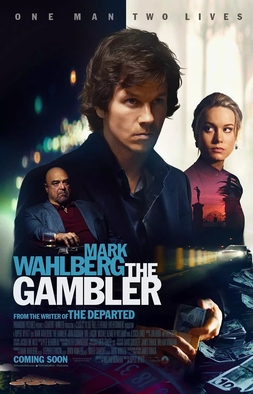
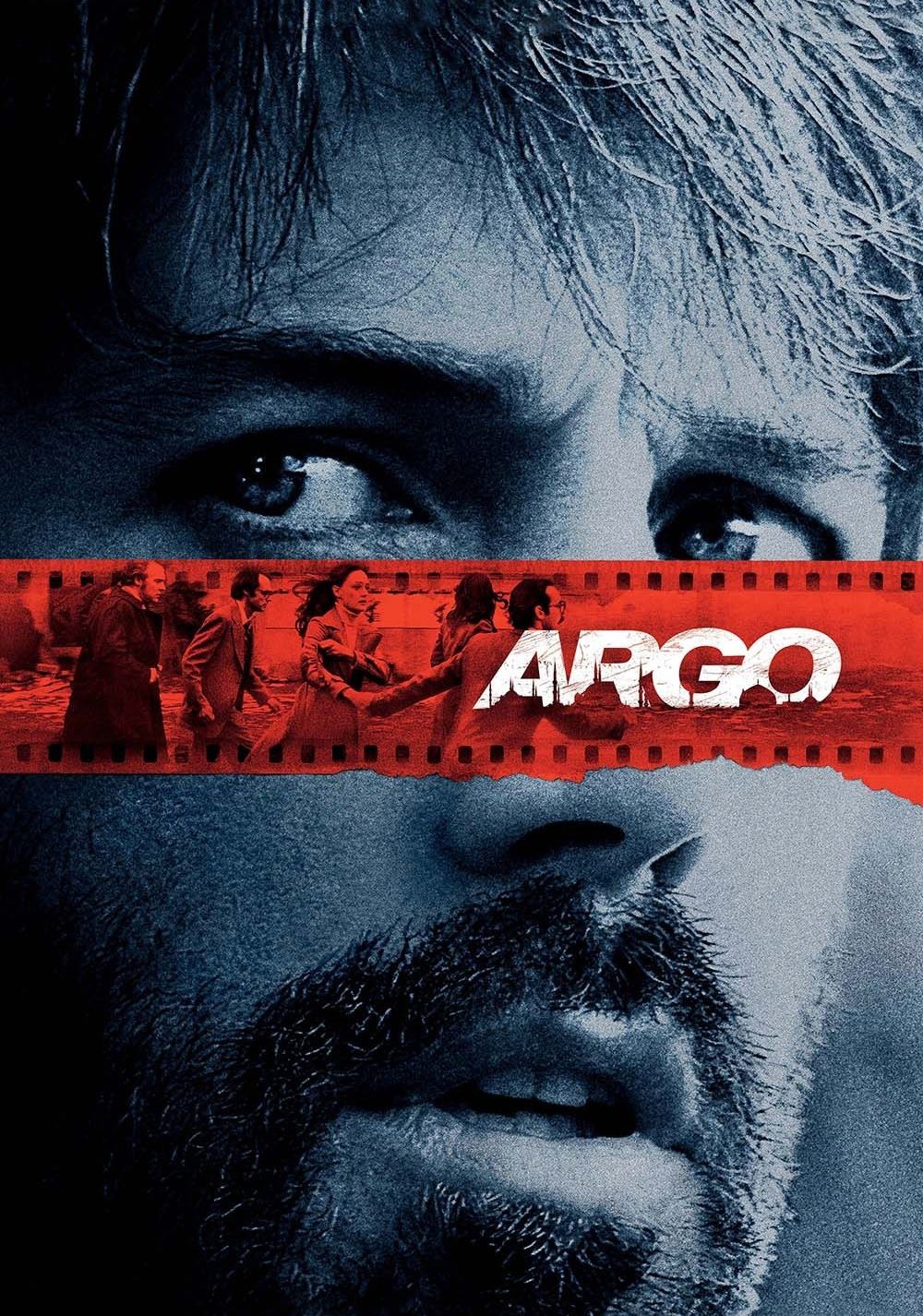
Alan Arkin and John Goodman; Affleck's hair; movie-business in-jokes; the Intelligence Star; the 1979 Iran feel; the heightened escape day; opening credits; soundtrack; Scoot McNairy; 70s thriller vibe and ensembles
Goodman and Arkin end the category; the casting is a 15 out of 10, and once the right people are cast there is little left to do. — Chris Ryan
The six were cast without star power, chosen to resemble the real people shown in the closing credits, while the stars went to Affleck, Arkin, Goodman and the government roles. — Bill Simmons
Goodman has one of the strangest filmographies, working constantly across hits and misses, and is best in dramas where he provides comic relief. — Bill Simmons
The movie-business in-jokes, such as the WGA line, hold up. — Bill Simmons
The Intelligence Star, an award with no ceremony that must be handed back immediately, is a favorite concept and is joked about as a Ringer podcast award for 2021. — Bill Simmons
Affleck breaks out his Good Will Hunting wistful half-smile when receiving the Intelligence Star. — Bill Simmons
It is unclear where the Iran scenes were shot, but the film feels like 1979, helped by cutting in news footage. — Chris Ryan
The decision to make the escape day far more tense holds up, though think pieces say the real departure was easy. — Chris Ryan
The hosts say Affleck was upfront about taking liberties and that the bazaar confrontation and the plane chase did not happen, and Zero Dark Thirty drew more trouble by presenting itself as closer to documentary. — Chris Ryan
Movies based on a true story should be watched for the story, not history; even Spotlight changed things, and the hosts say Arkin's character is a merger of real people. — Bill Simmons
The opening credit sequence and a soundtrack of four bangers, including Dance the Night Away and When the Levee Breaks, are praised despite a song that came out too late. — Bill Simmons
Song-year accuracy matters only if a film goes all in; still, the anachronistic song made one host think it was 1982. — Bill Simmons
Scoot McDerry is incredible as the only real foil to Affleck, though the constant doubting invites a shut-up. — Chris Ryan
His career is judged worse than it should have been; he could have had a Gandolfini-style leading turn, and his name may have hurt him. — Bill Simmons
Hobbs versus the Whammer is fantastic; Joe Don Baker is the best Hollywood Babe Ruth, with the size, nose, gut and swagger, compared favorably to John Goodman; the scene dates to 1923, Ruth's 14-WAR MVP season, and both hosts prefer the Whammer as a cover rather than naming Babe Ruth, partly because a lefty would have been needed.
The foul tip taking out Duval (as transcribed), or rather the poor old catcher, with nobody wearing masks is noted, and Duval backing up twenty paces, to the Whammer's protest about how he will call it from there, is a classic moment.
Hobbs' first batting practice, with the Wonderboy clip played, is wonderful for three reasons: the sheer spectacle like Josh Hamilton in a home run derby, Brimley guzzling the filthy water he had complained about, and the 'I've been here every day' line that shows Roy is kind of a dick, entitled and owed something; Redford's swing was modeled on Ted Williams per the Roger Angel New Yorker piece (as transcribed), and he and Costner both looked like ballplayers.
Roy storming out of the meeting, deflowering Iris and immediately falling for the bad-luck niece after Pop's warning, then slumping, shows poor judgment with women and no understanding of birth control, which is excused as 1923.
Third on one list is Hobbs' first at bat, tearing the cover off the ball as the rain comes at the perfect time; the 'is this team alive' exchange between Red and Pop captures the rhythms of a baseball season when a team gets hot; Roy's batting-practice pitch and Max Mercy sprinting from his seat raise whether he could still pitch with the bullet in his side, answered with pain tolerance and no Toradol.
Other nominees: the lady in white scene with Glenn Close standing up, Hobbs' homer breaking the Wrigley Field clock, which did not exist until two years later, Brimley crossing Hobbs out of the lineup, Roy's last at bat, and the lightning bolt splitting the tree to forge Wonderboy, with the glowing stump called good special effects for 1984.
The 'losing is a disease' speech, comparing losing to syphilis and the bubonic plague, is hilarious, and the newspaper headline montages are praised for propelling the pace like Twitter or push notifications, though that is ruled to belong in what's aged the best.
One pick is the walk-off homer, the greatest chill scene of any sports movie, except perhaps Rocky getting up in the 14th round of Rocky 1; everything leading up to it, breaking Wonder Boy and 'pick me a winner, Bobby' with the Savoy special, is iconic.
The other pick, after 35 years of watching, is Hobbs showing up for the final game while Brimley shaves, with the 'suit up' clip played twice; a dad who calls whenever it is on to quote 'you're the best damn hitter I ever saw' is recalled.
Wilford Brimley's chest hair in that scene, and every scene, is like a forest, a peninsula, a platypus bill, a pelt; the hosts wonder how he does not trim it, whether it is a masculine calling card and whether he is still alive at 84.