A tie between Aretha and Ray Charles is selected; Gibson is rejected for too much screen time, Paul Reubens is considered, and another choice favors Aretha alone.
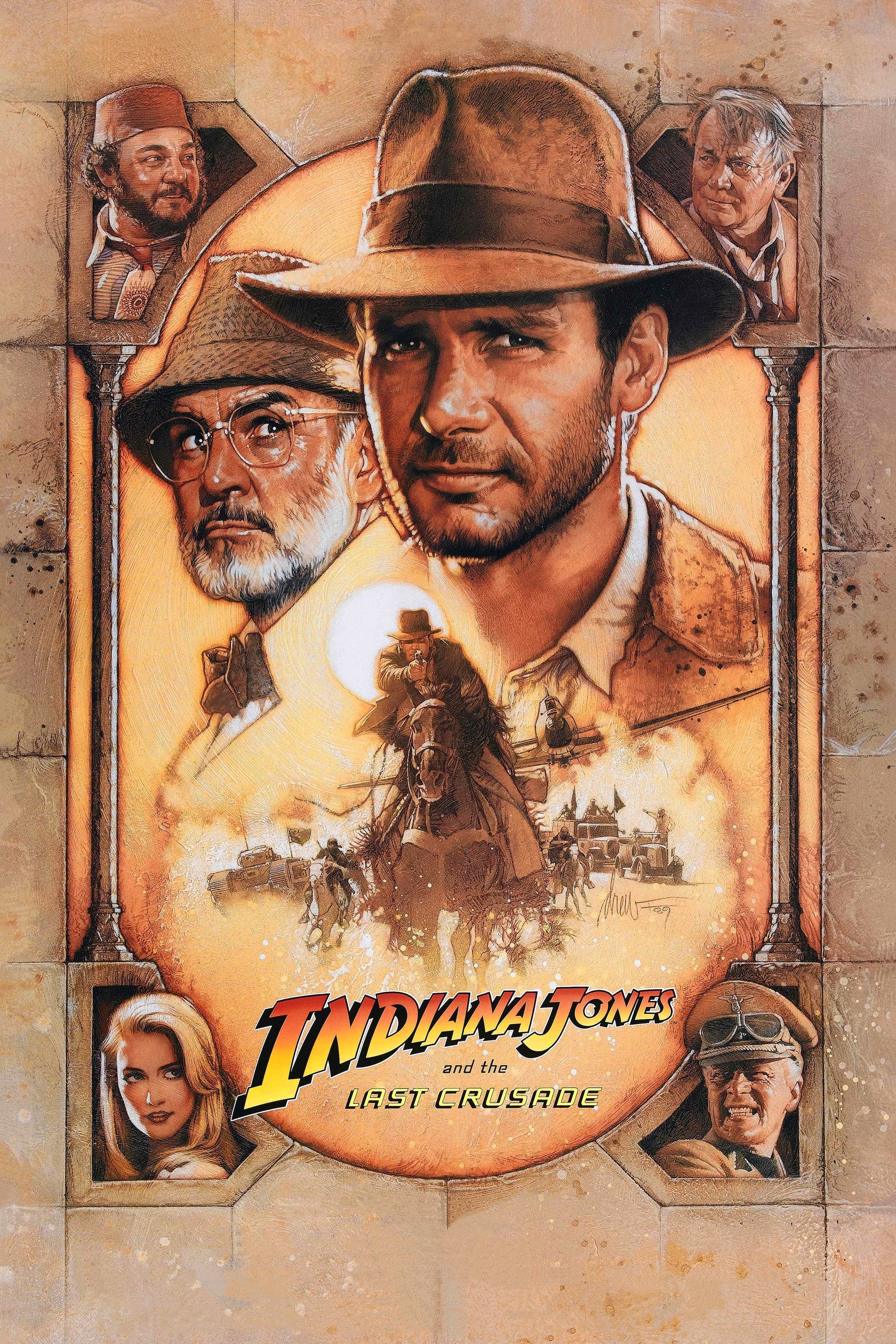
Spielberg and Lucas reportedly made a handshake commitment to three Indiana Jones films. — Bill Simmons
In a 1989 Premiere interview Spielberg criticized Temple of Doom as too dark and impersonal and described the next film as an apology. — Bill Simmons
Spielberg’s Premiere remarks show growing willingness to attempt material unlike his established films, using Raging Bull as the example. — Bill Simmons
Spielberg was considering Big and spent five months on Rain Man before Last Crusade, creating a major career counterfactual. — Chris Ryan
Spielberg said overseeing Amblin films such as Gremlins, Back to the Future, Who Framed Roger Rabbit, The Money Pit and Amazing Stories reduced his own directing output. — Bill Simmons
Spielberg’s Premiere interview praises Casualties of War and Scorsese’s risk-taking while worrying that everyone is taking risks except him. — Bill Simmons
Lucas’s early Monkey King treatment and Columbus script included a Nazi bar owner, undead combat and deadly human chess; concerns about depicting African people helped end that direction. — Bill Simmons
Connery reportedly reshaped a more elderly, crotchety father into a roaming scholar with more vitality.
The reported budget is $48 million and worldwide gross first $472.2 million, then approximately $450 million; it is described as the worldwide annual leader. — Bill Simmons
The film won sound-effects editing and received other Oscar nominations. — Bill Simmons
The Siskel and Ebert episode also covered Miracle Mile, Pink Cadillac and Road House; both rejected Road House, and Siskel rejected Last Crusade as too familiar. — Sean Fennessey
Ford coached Phoenix’s gestures and mannerisms and recommended him after The Mosquito Coast.
The adventurer in the opening was reportedly intended as Abner Ravenwood, Marion’s father and Indy’s alternative mentor; making that explicit would strengthen the origin. — Sean Fennessey
Brody was reportedly made much goofier than in the first film, despite Elliott’s acting stature. — Sean Fennessey
The Young Indiana Jones television series began in 1992 and reportedly sought Phoenix, who declined. — Bill Simmons
The knight’s actor, Robert Eddison, is described as a distinguished stage performer returning to screen after a 1948 appearance; this is a reported claim. — Sean Fennessey
Ford performed many stunts and reportedly impressed stunt professionals enough to imagine an alternate stunt career. — Chris Ryan
Elliott reportedly had AIDS and was ill during production; his 1992 death is recalled. — Bill Simmons
Many Nazi uniforms were reportedly authentic items found in Germany. — Bill Simmons
Rats were bred to avoid disease, with conflicting counts of 2,000 and 7,000 acknowledged. — Bill Simmons
A Jackson set visit with a child is recounted through claims from Leaving Neverland, including meeting Ford and trying the whip; these remain reported documentary allegations. — Bill Simmons
The reported body count is 50, including 13 by Indy, above the participants’ initial estimates. — Bill Simmons
Phoenix and Connery both died on Halloween, in 1993 and 2020 respectively, a 27-year gap.
Stoppard’s uncredited dialogue contribution is reported, possibly almost all dialogue according to an uncertain remembered Spielberg statement; the father-son exchanges are praised.
Titanic's enormous freedom and leverage make it DiCaprio's accepted peak, despite a Django preference. — Bill Simmons
The Father of the Bride house retains its peak in Father of the Bride. — Bill Simmons
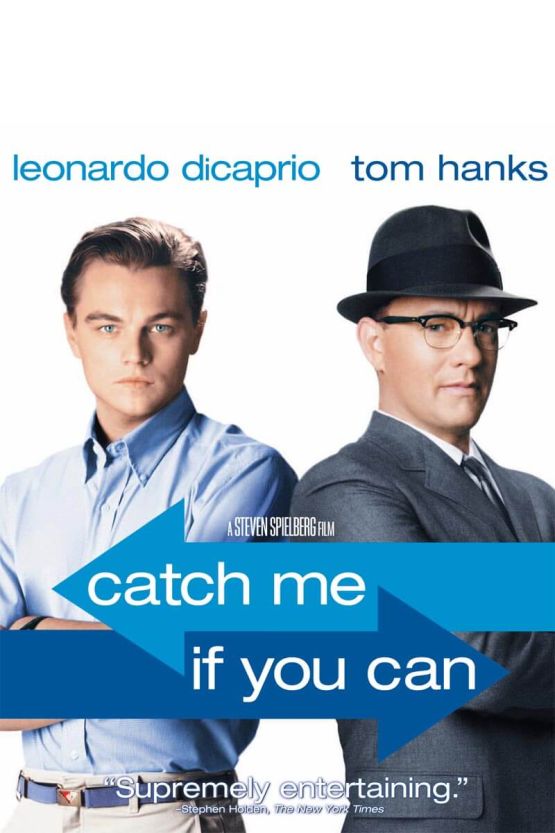
Con-man movies peak with The Sting rather than Catch Me. — Bill Simmons
Walken is rejected for Apex here; The Deer Hunter, more-cowbell fame and the 1993–94 SNL/True Romance/Pulp Fiction period are alternatives, with Annie Hall also a favorite performance. — Bill Simmons
Walken's Pulp Fiction and True Romance scenes continue the favorite-performance discussion. — Bill Simmons
Joe Garagiola's peak is placed at playing or broadcasting a World Series rather than here. — Chris Ryan
Pan Am receives tentative favorable Apex discussion but no firm resolution. — Bill Simmons
Goldfinger is preferred as the Aston Martin's peak. — Bill Simmons
The Aston Martin reportedly came from a Huntington Station dealership and a private owner because the specific car was difficult to find; its very high value is discussed as a reported estimate. — Bill Simmons
Lear and Yorkin reportedly acquired the rights in 1980 after seeing Frank on television; the project passed through several studios before DreamWorks and Spielberg. — Bill Simmons
Spielberg reportedly invented the continuing father-son meetings because the real Frank never saw his father again after leaving home. — Bill Simmons
Joseph Shea is named as the FBI agent most like Hanratty who did not want his identity used. — Bill Simmons
Frank Abagnale reportedly cameos as the arresting French officer. — Bill Simmons
The production reportedly used 157 locations, with California doubling for cities such as Atlanta and Miami and Ontario Airport standing in for Miami. — Chris Ryan
Kaminski reportedly watched High School and Salesman for visual research; the attribution to the Maysles and the exact influence are discussed without independently verifying that attribution. — Chris Ryan
James Gandolfini, reportedly once locked in as Hanratty, is preferred to Hanks; production delays and Sopranos scheduling lost the casting window. — Chris Ryan
Fincher reportedly departed the project for Panic Room. — Bill Simmons
Verbinski reportedly left after Gangs of New York ran long.
Cameron Crowe reportedly considered directing; the panel imagines a different but potentially workable film.
Gandolfini's menace, fractured vulnerability and believable exhaustion would improve Carl; regret over this lost role and The Night Of accompanies praise for Killing Them Softly, The Mexican and Crimson Tide. — Chris Ryan
Spielberg reportedly considered Depp as Frank, with uncertainty about the report; the panel imagines a dashing performance unlike much of Depp's stranger work. — Bill Simmons
Hoffman's brief involvement in early development is doubted as casting, though fast-talking con artistry could fit; the real Frank's reportedly older appearance is discussed with a caveat about disputed history.
The podcast reports a 52 million budget,352 million labeled international,164 million domestic and eleventh place for the year; scopes remain the transcript's unverified wording. — Bill Simmons
Ebert gives three stars, with no scale stated, praising effortless watchability and DiCaprio's breezy charm rather than calling it major Spielberg. — Bill Simmons
Spielberg is the explicit winner, followed by a separate Steve response; Ribisi and Hanks are then mentioned as following choices rather than clear additional first-place ballots. — Chris Ryan
Sizemore is an initial thought, Hanks receives a strong choice based on the latest viewing, and Spielberg is selected for the unique ability to make the film; awarding both Hanks and Spielberg is wished for despite the one-Oscar constraint.