The invited response says the film does not click on a second viewing despite recognizing Spielberg’s intended achievement.
The runtime is criticized as about half an hour too long and dragging, with two-and-a-half-hour blockbusters considered less usual then. — Van Lathan
Cold bleached visuals and uneven early digital effects are disliked; consistently stylized older films are considered less distracting than mixed convincing and weak CGI. — Bill Simmons
Minority Report is called the apex of Nokia Wave: tactile near-future technology, paranoia and state surveillance, with GoldenEye, Bourne, Ronin and related thrillers offered as context. — Bill Simmons
Apex claims for the two individual careers are rejected, but their collaboration is affirmed over War of the Worlds; that film is still defended. — Bill Simmons
Spielbergian techno-noir is an affirmative Apex subject, with this film preferred to AI. — Bill Simmons
Evil von Sydow roles are not considered at their peak here; Strange Brew and Victory are discussed. — Bill Simmons
Future technology is embedded in action without exposition; personalized ads establish the surveillance obstacle that leads naturally to the disturbing eye replacement. — Chris Ryan
Damaged noir characters, including the blind drug dealer, disgraced surgeon and wheelchair-using prison supervisor, preserve Philip K. Dick’s distinctive world. — Bill Simmons
Cruise manipulating pre-crime images with his hands holds up better than Disclosure; modern headset use and possible movement training are discussed. — Bill Simmons
Morton’s unsettling Agatha is praised despite being difficult company; her victimhood deliberately interrupts the action and humanizes the film. — Chris Ryan
The stated remaining time of 51 minutes 30 seconds reportedly matches the time left in the film. — Van Lathan
Ordinary domestic routines interrupted by action and Cruise saying the film’s title are praised. — Van Lathan
Sex, adultery, drugs and murder represent adult Spielberg, although his apparent discomfort with sex is joked about.
Spielberg reportedly convened fifteen experts for three days and developed an eighty-page 2054 guide; his predictions of personalized advertising and privacy loss are considered prescient. — Bill Simmons
The first Cruise–Spielberg collaboration reportedly began development in 1997 but was delayed by Mission: Impossible 2 and AI; several production companies were involved. — Van Lathan
Cruise and Spielberg reportedly took fifteen percent of gross to hold the budget below one hundred million dollars. — Bill Simmons
The reported budget is $102 million and worldwide gross $354 million. — Chris Ryan
Diaz, Crowe and Anderson reportedly make uncredited subway appearances; the literary Anderton is described as older, bald and out of shape. — Van Lathan
The literary ending is tentatively recalled as exile to another planet; the original pre-cogs differ markedly, while Spielberg’s noir viewing and deliberate overlighting shaped the film.
The car-factory scene reportedly draws on an unfilmed North by Northwest sequence described to Truffaut. — Bill Simmons
Parallels with The Fugitive include a framed protagonist, subway recognition, trusted-colleague betrayal, appearance changes, risky escape jumps and a ceremonial public exposure.
If Spielberg followed 1941 with this runaway production, would he still direct Raiders? A Poltergeist follow-up is explicitly framed as a joke at Hooper’s expense. — Bill Simmons
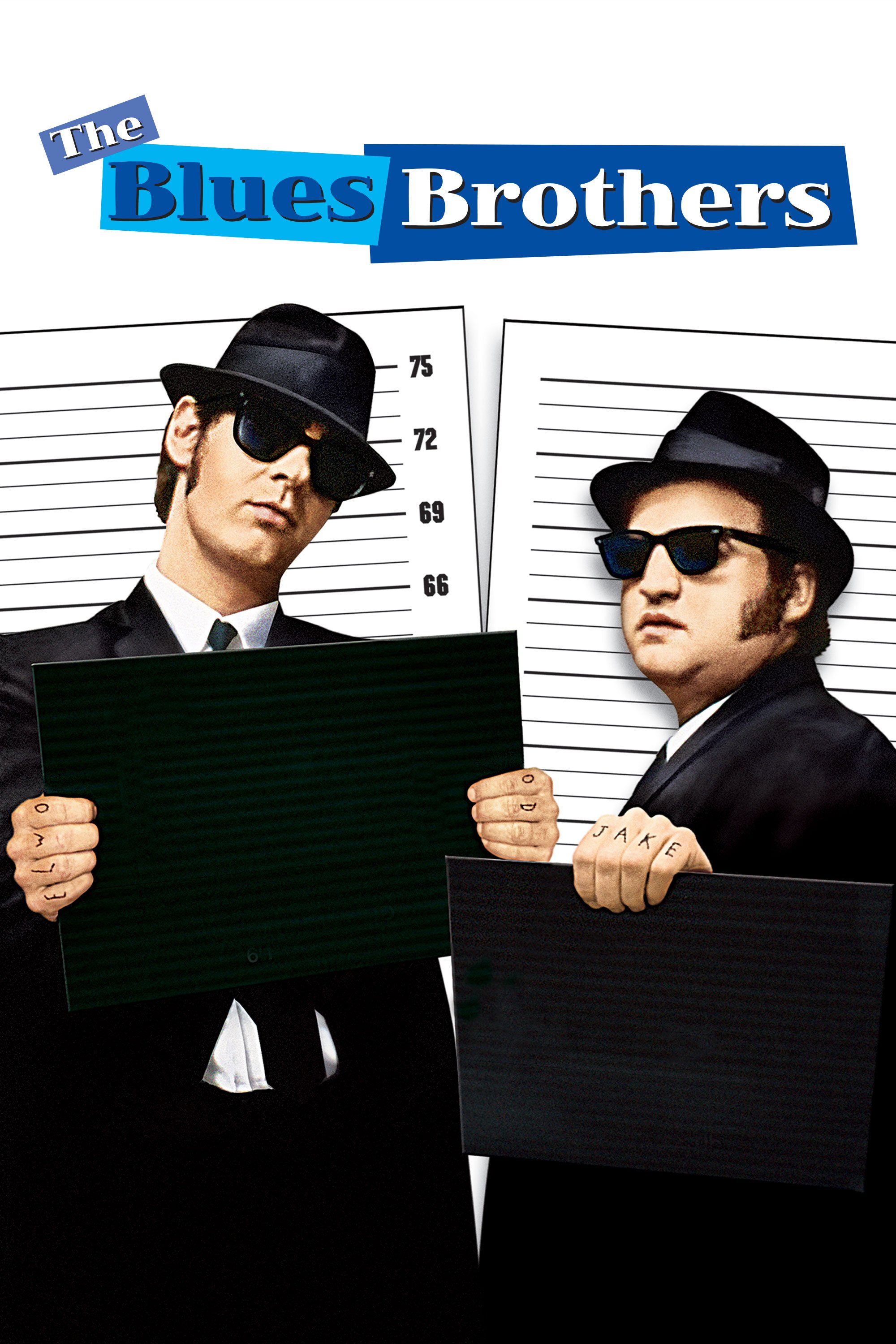
Why Bob abandons his business to pursue the brothers over $200 is questioned; humiliation is offered as motivation. — Bill Simmons
The country bar seems far removed culturally from Chicago, though nearby Indiana could explain it. — Chris Ryan
The scarcity of explicit cocaine use in apparently drug-fueled period movies is questioned, with Cruising a disputed example involving uncertain substances.
How badly the brothers smell is questioned given unwashed clothes, sewer travel and restaurant patrons objecting even amid smoking. — Chris Ryan
The Colleen Camp poster raises a playful shared-universe question with Apocalypse Now and an imagined veteran attending the band.
Belushi’s potential future is debated between more blockbuster comedies and serious acting; an imagined America’s Guest script illustrates spontaneous early-1980s filmmaking. — Bill Simmons
Whether this production encouraged Lorne Michaels to gain more control of SNL adaptations is asked; later contractual participation and power are discussed with explicit uncertainty. — Bill Simmons