The opening, with him on a ledge saying that for a guy with a four-digit IQ he must have missed something, is nominated as a hook that works even though telling viewers where the story ends often fails; it is called good but not the most rewatchable scene.
Vern is loved as a great drug dealer who seduces Eddie and then immediately becomes unavailable. — Chris Ryan
Vernon Gant is identified as Johnny Whitworth, the star of Empire Records.
The dealer explains the drug to Eddie in a grimy, perfect way; Eddie takes it, has sex with the woman down the hall, cleans his room for three days and says he was blind but now he sees.
Asked how close someone would have to be to get them to take NZT, the answer is that it would be taken after side-effect questions if a trusted colleague offered it; one late-night Camel Light while writing once felt like a small NZT kick.
A runner-up choice is the tablet-a-day title line and the montage in which he finishes a book in four days, learns piano, plays blackjack, has sex with models, diagnoses tumors, learns languages and kung fu, holds court with business elites, cliff dives and trades stocks, all in about 10 minutes.
The cliff dive did not look CGI'd, and it is a jackknifed, non-professional dive slamming into the water.
The holding-court scenes are loved, though things-are-going-well sequences are always hard to pull off; a joke imagines Chris holding court about the 2022 World Cup with seven experts.
The short subway fight, with five people wanting to fight him at once, shows Cooper could have had his own Jason Bourne version, but he never made a straight-up action movie and got artsy.
The Bourne Legacy may have misfired choosing Renner over Cooper; the Limitless TV show likewise had the same material without Cooper and did not work.
Abbie Cornish's park chase, where she takes a pill to think her way out of a knife attack, is nominated; the film keeps surprising, as when she slices the bad guy's face with a little girl's ice skate or Eddie drinks the bad guy's blood.
Asked whether he lived in New York, he says Brooklyn rather than Manhattan and jokes that cabs drive through Central Park every day like in Die Hard with a Vengeance. — Chris Ryan
Eddie fighting Russian gangsters and drinking NZT blood is nominated; his vocabulary grows through the film, and the suddenly blinded villain who is still a threat is a favorite trope, as in Halloween and Big Trouble in Little China.
The sterile New York arms-dealer apartment is a real fantasy spot.
One pick is the Cooper-versus-De Niro ending, with 'I see everything, Carl,' the predicted car accident and his diagnosis of Van Loon's heart; it is also De Niro's best scene.
Most action movies end badly, as Taken does with its coda; a 'Bill Simmons cut' ending movies when the villain dies is floated, and this film pulls off not needing another scene, with the lunch ordering scene as dessert.
Another favorite is the come-up after he gets the stash, especially the editor leaving three increasingly excited voicemails about his first pages, which is what a professional writer is after.
A joke recalls Chris leaving Shea three messages about his eighth-grade football team diary.
The pick is the montage where he cures Helen's cancer, learns to play piano and starts day trading. — Chris Ryan
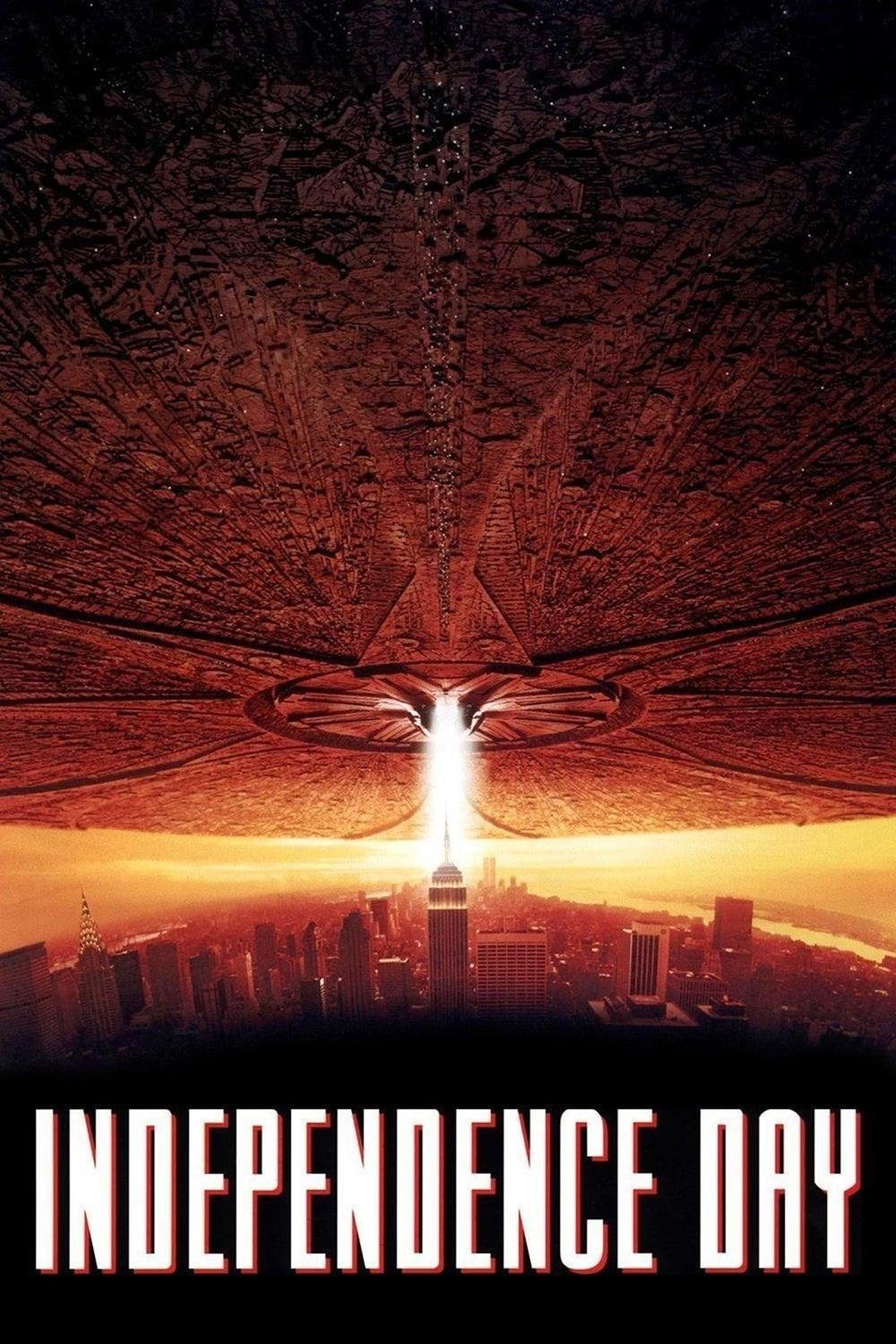
Bad rip-offs; Randy Quaid's real-life weirdness; the sequel without Will Smith; Super Bowl blockbuster ads; the Miguel character; the Quaid kids subplot
Bad Independence Day rip-offs such as Volcano, and its influence on culture has probably not been positive; care is urged because Shea likes these movies, down to Lake Placid and Anaconda. — Bill Simmons
A run of blow-up movies followed, including Godzilla. — Bill Simmons
Independence Day 2 without Will Smith has no acceptable explanation; they recast Pullman's daughter instead of using the original actress and should have waited Smith out after his $50 million ask and conflicts with Suicide Squad and After Earth.
The sequel is compared to a Duncan-era Spurs sequel without Duncan. — Bill Simmons
The movie is blamed for the trend of Super Bowl blockbuster ads, starting with a $1.3 million spot in Super Bowl 30, part of a $30 million campaign with product placement, toys, an Apple deal, strong trailers and an early limited release. — Bill Simmons
Miguel, played by James Duval, is a bad Keanu Reeves rip-off; the Randy Quaid kid material, such as the car-sick scene and the disappearing daughter, would be cut, keeping only the scene where he is mocked. — Bill Simmons
Better Miguels exist, including in Kobra Kai. — Bill Simmons
Six nominees: the Mrs. Doubtfire house, Full House, the Pacific Heights house (three stories on a hill), the Party of Five house, That's So Raven (offered for Shea), and the 1978 Invasion of the Body Snatchers house of Donald Sutherland. — Bill Simmons
The Party of Five house is declared a pick. — Bill Simmons
40 Days and 40 Nights is floated as possibly set in San Francisco. — Shea Serrano
The house from David Fincher's The Game is added, with a top-five movie kitchen, and Full House is echoed for teaching about San Francisco. — Bill Simmons
Research found the Mrs. Doubtfire house on every famous-houses list; it became a tourist attraction where flowers were left after Williams died, and Williams also owned an iconic San Francisco house on landmark lists. — Bill Simmons
A pick claimed to beat both others: Alcatraz from The Rock, to own and live in; it is called a great choice. — Bill Simmons
A high-school debate with a friend: is it OK to be attracted to the three-breasted woman, and could you date her? The answer given is yes. — Bill Simmons
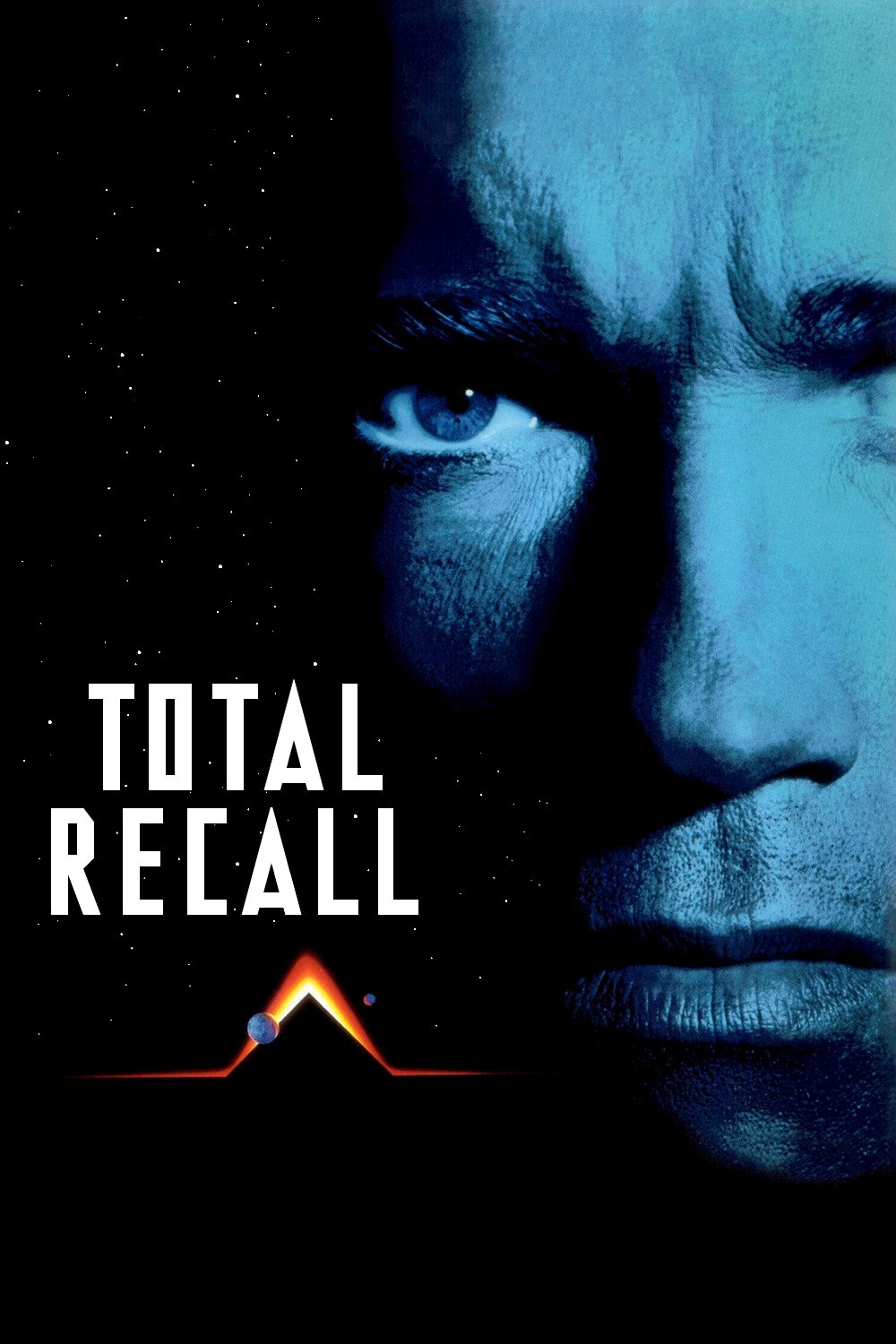
The three-breasted woman has already drawn far more air time than an expected 40 seconds; Cohaagen versus Trump is deferred to a separate podcast. — Bill Simmons
Did Arnold make a run at Sharon Stone? One host calls it a 100% lock, reasoning that the lack of rumors proves it. — Bill Simmons
Shea agrees Arnold took a swing, and she likely said no thanks, or maybe found it fun. — Shea Serrano
Was it real? The hosts say Verhoeven wanted it ambiguous and believed it was a dream, while Arnold's casting pushed toward reality. — Bill Simmons
Dream evidence: the salesman promises he will get the girl, kill the bad guys and save the planet; the chosen woman's face appears on screen; 'Blue Sky on Mars' is named; the sweat-drop doctor describes later events. This host's official answer is a dream from the moment he is at Rekall. — Bill Simmons
Counter: it cannot start at Rekall because the film opens with him already dreaming of Ticotin's character; the construction coworker's and Lori's suspicious looks suggest it is real, and one host says it has to be real.
Asked, Jason says it is a brain-damage delusion, running the memories in a loop because his brain was fried; another host calls that depressing. — Jason Concepcion
A closing view: they are all kind of right, because Verhoeven put everything on the table and wanted ambiguity; there is more evidence for a dream, but it could go either way. — Bill Simmons
Neck injections; the oversized nose tracker; Arnold punching Lori without a mark; the Hauser memory-wipe plot; sending a recognizable giant to Earth; the name Quaid near Kuato
The plot says Hauser worked for Cohaagen, switched sides and underwent the memory wipe; the hosts find this confusing. — Bill Simmons
Asked, Jason says he thought Cohaagen wiped him and stashed him on Earth, wonders why Cohaagen does not just kill Quaid, and why Hauser would wipe his own memory. — Jason Concepcion
Asked to explain, Shea lays out two plot lines: Richter truly wants Quaid dead, while Cohaagen and Hauser planned to wipe him, push him back to Rekall and Mars to infiltrate the mutants and kill Kuato, then restore Hauser. — Shea Serrano
Further flaws: sending a 6'3", 280-pound hero back to Earth unnoticed, and the name Quaid being so close to Kuato. — Bill Simmons
The scene list opens with Quaid going to Rekall on a whim for a secret-agent vacation and choosing the woman who will accompany him (athletic, sleazy, demure). — Bill Simmons
The chair freak-out ('schizoid embolism', 'You blew my cover!') is combined with the Johnny Cab ride and the airport fight as one giant scene. — Bill Simmons
The middle act recalls The Fugitive: once he is on the run after Rekall it is escape after escape and fight after fight.
Asked for other thoughts, Shea says the Rekall sequence sets everything in motion, then the movie goes in the opposite direction from what you expect and it still makes perfect sense. — Shea Serrano
Rewatching after 10 or 15 years, the reveal that Arnold was actually the bad guy felt new again; his smirking arrogant Hauser is likened to Eddie Murphy playing several characters in The Nutty Professor. — Shea Serrano
Next nominee: Lori realizing Quaid knows and their fight; Sharon Stone had bounced around Hollywood for eight or nine years (Irreconcilable Differences, the Allan Quatermain movie, Action Jackson) and knew this would be her movie. — Bill Simmons
The hosts say she got in amazing shape and learned jiu-jitsu, so she looks like she could beat Arnold, who can only use brute strength. — Bill Simmons
80s action was about being huge, unlike today's Bourne and John Wick style; Arnold breaks steel restraints, and the Lori fight, with her technical stance, is the movie's best fight, like a king cobra against a grizzly bear. — Jason Concepcion
Arnold and Stallone made 19 action movies between them in the 80s and defined the action hero, compared with Tupac defining the gangster rapper. — Shea Serrano
Patrick Swayze in Road House may have advanced non-brute-force fighting a year earlier; Arnold and Sly are compared to low-post centers like Shaq, and the John Wick era to spreading the floor. — Bill Simmons
Sharon Stone has Sandra-Bullock-in-Speed star gravity; she is in only three scenes yet feels like she is in the whole movie. — Bill Simmons
Venusville nominee: the Sleaze Bar, Marsburger, the mutant hotel, and random Sharper Image, Jack in the Box and Pepsi branding. — Bill Simmons
Asked why Pepsi advertises in Venusville, Shea says one fast-food brand always survives through time, as Taco Bell did in Demolition Man. — Shea Serrano
Venusville was filmed in a refashioned Mexico City subway station; the mutant bar has everything and deserves a 20-minute freeze-frame video, a Disneyland for mutants with a brothel and drugs that the film never explains. — Bill Simmons
Next nominee: the bald Rekall man visiting Quaid on Mars with Lori to convince him it is all a dream; the dream question is saved for later, and the sweat drop is iconic. — Bill Simmons
Stone beats Arnold a second time, then fights Rachel Ticotin in what the hosts say Verhoeven's DVD commentary calls the first real two-woman fight in a feature film; it is called the Jackie Robinson of female fight scenes, with Rachel walking so Michelle Rodriguez could run. — Bill Simmons
The sequence ends with 'Consider that a divorce,' which brought the house down in theaters; the whole run is called a phenomenal seven minutes. — Bill Simmons
Kuato is nominated because it was unbelievable in 1990 and still looks real; a host first wondered what the man turning around was doing, with Silence of the Lambs fresh in mind.
At the Kuato reveal you stop guessing what will happen; 'A man is defined by his actions, not his memory,' and Marshall Bell is said to play George and voice Kuato. — Shea Serrano
A host who let his young twins watch John Wick would not let them see the Kuato scene because it is too disturbing. — Shea Serrano
The practical puppetry works because of the slimy texture and how light plays on it, which CGI would lose; one theory says the look was influenced by Garbage Pail Kids.
The hosts puzzle over what Kuato does when not needed and settle on a coma theory in which George passes out whenever Kuato emerges. — Bill Simmons
The final sequence is nominated: the cab driver turning on them with a tank, the hologram from the suitcase (likened to the Tupac hologram), 'See you at the party, Richter,' and Ronny Cox's bulging-eyes death. — Bill Simmons
Not a pick but a must-include: Arnold disguised as the woman at customs, with the head that comes off, talks back ('Get ready for a surprise') and explodes, while 20 guards point guns and nobody fires. — Shea Serrano
The pick is the Rekall man's visit with Sharon Stone, called a favorite seven minutes; a second voice picks the same scene because it has the line everybody remembers, 'Consider that a divorce.'
A third voice agrees it is where you begin to question whether he is still in the Rekall chair, ending on an iconic line. — Shea Serrano
The hosts say the original line was 'Consider it a divorce' and that Arnold workshopped it into 'Consider that a divorce.' — Bill Simmons
1980s soundtrack; the 'Mommy not here to dress you' insult; Johnny's semifinal rout of Vidal; Bill Conti's music; dropping the original ending; the golf-and-stuff date spot and montage; Mrs. LaRusso; 'Get him a body bag'; the restaurant scene with Daniel's mom
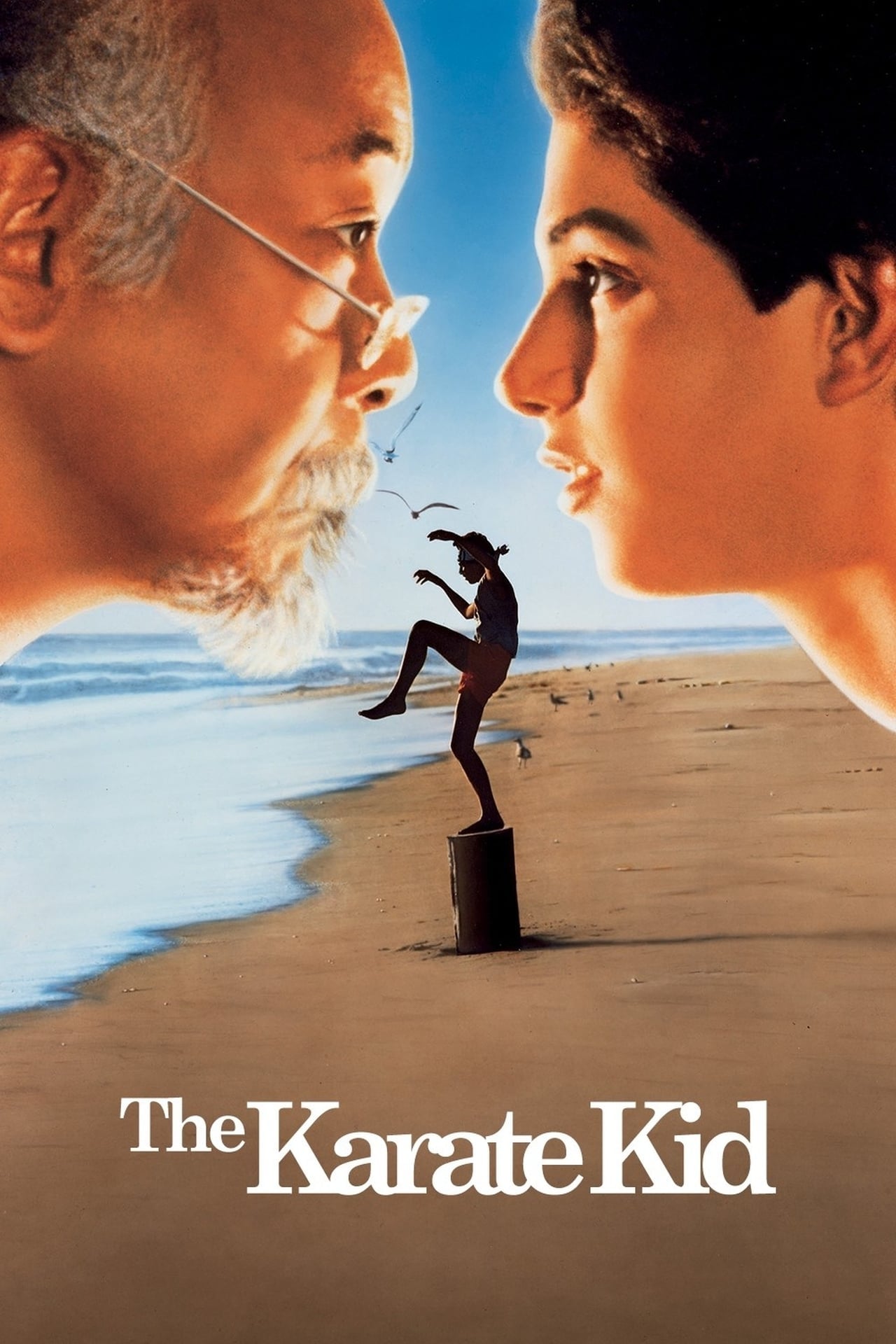
The 80s soundtrack leads: Cruel Summer, 'Danger', 'Young Hearts Beat Fast' in the date montage, and 'You're the Best'; 80s love songs are mocked as caveman-simple. — Bill Simmons
'What's the matter? Mommy not here to dress you?' is called the greatest movie insult ever, a triple crown of disdain, mom and wardrobe. — Bill Simmons
Daniel's wardrobe draws mockery: high-waisted mom jeans and camo pants that would have labeled him in the 80s. — Ryen Russillo
In the final, a crowd member yells 'you're a cupcake, Johnny'; 'put him in a body bag' became a reliable college lacrosse heckle. — Ryen Russillo
The writer is named as Robert Mark Kamen; Cobra Kai's snake and strike-first, no-mercy mentality are praised, and throwing the first punch is described as how fights are actually won. — Bill Simmons
Johnny's semifinal against Vidal, the best technician in the tournament, is a 3-0 demolition and is called Johnny's apex; it is said the fight could have been closer, but that would upstage the final. Johnny is lip-read saying Vidal is not that good. — Bill Simmons
The hosts say Vidal was one of the real black belts, doubled for Miyagi in long shots, and still instructs in Murrieta. — Ryen Russillo
Bill Conti's music is listed; the hosts say the discarded original ending, in which Kreese breaks Johnny's trophy and fights Miyagi, became the opening of Karate Kid II, and ending on the celebration was a great decision. — Bill Simmons
Freddie and friends rejoining the celebration are mocked as front-runners, compared with fans after the Lakers signed LeBron. — Bill Simmons
The golf-and-arcade spot in Norwalk used for the date montage was the dream 80s date location; a parody date montage with happy music over a disastrous date is pitched. — Bill Simmons
Mrs. LaRusso makes a Mount Rushmore of 80s pop culture moms with the Family Ties mom, Mrs. Bueller and the Cosby Show mom; the Growing Pains mom gets an honorable mention. — Bill Simmons
'Get him a body bag': the hosts cite the oral history in which Rob Garrison, said to have died last year, recalls looping the line months later on the first take and being told by Avildsen it would be a classic. — Bill Simmons
Tommy's whole performance is praised, while 'take a worm for a walk' did not catch on; Tommy's death in Cobra Kai is called emotional. — Ryen Russillo
The restaurant scene where Daniel's mom, now a hostess, asks whether he likes anyone ('she buries Judy') is praised as a sincere mother-son moment. — Ryen Russillo
The decision not to use the original ending is restated as a what's-aged-best pick, since what gets cut can make something great. — Ryen Russillo
John Wick loves his wife, his dog and his car; add two kids and that is one host, who likes two of his three dogs and is told to free Olivia; it is called super weird that weirdos secretly relate to the most evil assassin in history, and another host relates too, since Wick has a dog, a car and principles but a lonely life.
Why Common is so loyal to Gianna is questioned, since he seems out for revenge rather than the seven million; he was down in the nightclub because she told him to go upstairs and greet the guests, a poor choice on her part, and he is blamed the way Brett Brown is blamed for the Sixers loss.
The two rules that cannot be broken, no blood on Continental grounds and every marker must be honored, are a pick: out-there rules that people stick to, with an almost childlike tag or capture-the-flag logic where arcane expansions get added; the whole construction of the Continental and its mythology with its cool figures is called genius.
The gearing-up sequence has aged well: the tailor in the back of the Chinese laundromat, the weapon sommelier in Italy asking how his tasting is, even the bank, the whole secret alternate universe.
The Continental drink scene with Common is loved because the two men are trying to kill each other and then have a cocktail, with Common made to drink gin from a tall glass and looking like a dork; the Gianna scene is creepy but great, with a weird vibe, and it took a couple of viewings to understand that he shoots her to save her from hell, with a great overhead shot of the blood pooling.
Chad Stahelski directed all three films and the first was co-directed with David Leitch, who went on to Deadpool 2, Atomic Blonde and the forthcoming Hobbs and Shaw; both were Keanu's stuntmen for years, Chad on The Matrix, and the cinematographer made Danish genre movies before becoming the key cinematographer for the director of The Shape of Water, so a pulpy, bloody movie is made by brilliant artisans, which is the sweet spot; the joke is John Wick 2 is Shape of Water except entertaining.
The honor of the contract killers and the markers ties it to a Western or samurai movie, a classical action setup where a promise must be kept and even the killing has to be done a certain way; caring about Gianna not going to hell shows a moral guy, and honor and codes are called classic Long Island.
Putting a contract out like buying a stock or calling an operator has aged well; if the world were real one host would bet on it, Common at plus 700, though bookies would never take bets on the undefeated Wick, the Kevin Durant or the Mountain of assassins.
The Continental is picked as a world to live in, Soho House for assassins and a rich-guy hangout, though at 800 dollars a night nobody needs a Labrador in the lobby, like a Kempton (as transcribed); Lance Reddick from The Wire as the concierge has a shaky accent; the red leather bar is one of the favorite movie bars, with hotel bars around Columbus Circle the closest New York equivalents; a boutique hotel renaming itself the Continental would be ballsy, a promo stay has been done, and the Intercontinental chain makes the name confusing.
No movie ever set up a sequel better than the end of John Wick 2, the best version of wanting the next one now.
Ian McShane as Winston is the best use of his late-period speechifying, a great guy to hand three pages of dialogue; he would have won the Dion Waiters for John Wick 1, which the show never covered; here he shows up in three key sequences and explains the mythology, making rather than giving the rules.
Compared with over-plotted Marvel, Game of Thrones and J.J. Abrams movies stitched together, the simplicity has aged best: an understandable story with time to embellish, no comic-book or Wikipedia homework, and an exception to the fear of telling simple stories that cannot spawn five sequels.
McShane calling him Jonathan is both condescending and respectful, like someone calling you Christopher; everything McShane says is a rhetorical question.
Shea Serrano calls the speaker Seanathan, which he thinks started after John Wick came out (transcribed as 'won'), and it is in his face all the time. — Sean Fennessey
The final agreement is the whole concept of the Continental, the markers and this world, with the coins as part of it: how much they are worth, how many he has, how heavy they are and why they never fall out when he rolls around.
The who-won-the-movie take is saved for a phone call to Shea; a suggestion that maybe Ethan Hawke won is met with a no, followed by the garbled line 'Ethan Hawke's Denzel Washington won this week' (as transcribed), and a joke that Shea might come in with a Scott Glenn take.
On the call, the in-studio hosts say they saved who won the movie but already think they know the answer; the first question instead is whether this is the guest's favorite Denzel movie, and it is.
Shea is told this is Denzel's finest achievement and that he has written about it; no formal declaration or vote on who won is ever made, so Denzel is implied rather than declared.
Nominees recited: 'King Kong ain't got shit on me', noted as an ad lib, 'man the fuck up', 'finish that shit', 'all that jelly no toast', 'it ain't checkers' and about a hundred others; it has got to be the King Kong one.
The 'I'm the police, I run shit here, you just live here' speech is recited through to the King Kong line; a Ringer column by Shea covered the whole speech; the ad-lib is admired as pushing a scene that was not going far enough, and 'I'm the zigzag man' from the car is a good random one among many great Denzel pop-offs.
In the appended interview excerpt, the actor reports people throwing 'Jake, you got the money, Jake?' and 'King Kong ain't got nothing on me' at him pretty much daily, putting it in his top three.
Ethan Hawke gets an initial no; the alternative apex offered is Before Sunset, the second one, which came after Training Day, with Before Midnight and Before Sunrise also liked, Reality Bites arguable as his movie-star apex, and Boyhood, where he is amazing but not on screen much.
Whether who you are married to counts prompts the ruling, deferred to the person who invented the show and the category, that it is only about performance, not life; still, the case for 2001 is made, a hot celebrity couple and a respected actor newly proven in action, and one host switches their pick to 01 while another stays with Before Sunset.
Hawke's turn in Fuqua's Brooklyn's Finest, basically playing Alonzo, gets a shout-out as an idea hatched at 2:30 in the morning after eight beers.
Antoine Fuqua is a yes: a good career, but how do you top directing Denzel at his peak performance, something to tell your grandkids; The Equalizer 2 is the most anticipated movie of the year for one host's father, Dr. Bill, who loves Denzel and The Equalizer and should have been on the episode, and of the four Denzel-Fuqua movies this is by far the best.
Eva Mendes and the other supporting people are not at their peaks here; Scott Glenn's apex is The Right Stuff, when in the 80s he looked like a potential top-tier actor.
Denzel gets a yes from one host; others answer Malcolm X, a movie about one man featuring three primary characters played by the same actor, a 19-year-old gangster, a 25-year-old militant and a 30-year-old spiritual leader; the Training Day case is that Denzel, already America's most beloved actor with a unanimous approval rating, lacked an Oscar and a Michael Jordan 1992 Finals moment and then played a part nobody else could in a movie that should not have worked; it is called neck and neck, a total coin flip.
Favorite recent Denzel: Flight is growing on one host, the two Travolta movies are liked and Unstoppable is called better with a fun Chris Pine; Denzel inhabits characters for better and worse, probably smoking for three months here and drinking through Flight, and he struggles only when he tries something smaller that recesses from essential Denzel-ness, as with Roman J. Israel.
On the phone, the acting apex is Malcolm X for a single performance, but the cultural apex, the Denzel moment, is Training Day for sure: everyone followed along waiting for the Oscar, Halle won the same year right before him, and his two-birds-with-one-stone comment played out perfectly.
Four candidates are laid out: Denzel bullying Ethan Hawke into smoking pot that turns out to be PCP, an amazing mental chess match of challenging somebody's manhood; the nine-minute robbery of Scott Glenn, where the crew goes back to shoot him and take his money and the guy in the bulletproof vest really does get shot, which Jake refuses to join; the poker scene with the Latino gang at Smiley's house, which has no Denzel in it; and the final Denzel-versus-Hawke shootout in the house.
Their first meeting in the diner, the 'tell me a story' scene, is one host's favorite and makes it five candidates; the 'this is a newspaper' beat is recited.
Asked whether any character in a lifetime of watching movies resembles Alonzo, the answer is that he resembles older guys on a high school team: charismatic but terrifying, guys who could kick your ass but whom you might also die for, messing with you while trying to indoctrinate you, leaving a younger man completely confused; as a younger man this host thought that way about Dave Jacoby. — Chris Ryan
Another voice objects that Jacoby is not threatening and is told they did not know him back then; picks then split, with one host going diner scene alongside Sean and reciting the 'tell me a story' exchange, and another going poker scene for the Latino street gang's crude 'shit pushed in' question.
Revisiting it during the nitpicks, one host thinks the most rewatchable scene might be the one after the diner where Alonzo makes Jake take the drugs, with Alonzo pulling a gun on another motorist who just stays cool and stopping in the middle of intersections.
Asked for a favorite scene seventeen years later, the phoned-in answer is the table scene, the best scene in the movie even though it does not involve Denzel; another voice says that was their case too and that the boys picked the diner scene.
The diner scene is called good, but the poker scene is an incredible nine minutes that left one viewer tense, back knotted and stomach nervous, not knowing how Jake gets out; the escalation is laid out from gangsters taking your gun, to your ride leaving, to being asked a crude question, which is the end of the line.