
Stats
- Episodes featuring their films
- 4
- Movies in this archive
- 4
Rewatchables episodes featuring Jeffrey Tambor’s films
Mentioned in discussions

Apex Mountain
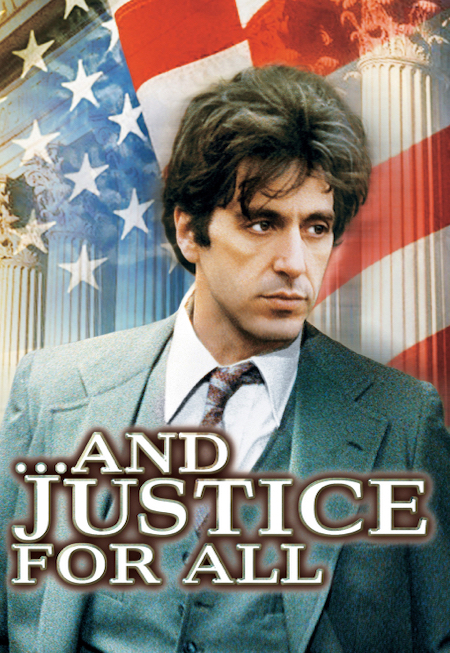
Warden’s era, qualified; courtroom meltdowns, competing with A Few Good Men
In the discussion (7)
- Pacino’s peak remains The Godfather Part II. — Bill Simmons
- Warden is placed around this period, Heaven Can Wait and the years after Shampoo; a Muppets connection is rejected. — Bill Simmons
- Tambor’s simultaneous sitcom activity marks an early rise, but Arrested Development or Transparent is preferred for his peak. — Bill Simmons
- Lahti’s peak is assigned to her five-year Chicago Hope run. — Bill Simmons
- Jewison’s alternatives are In the Heat of the Night and Moonstruck; Moonstruck’s endurance with younger viewers is praised without dismissing the former’s legendary status. — Bill Simmons
- The courtroom meltdown is a strong candidate, competing with Jessup in A Few Good Men and described as possibly the most cited.
- Diner is preferred for Baltimore movies, with Tin Men also mentioned.

What’s Aged the Worst?
Metallica search results; pledge and credits; shaved head; Gail’s neutrality; white victim; score
In the discussion (6)
- The Metallica title overwhelming search results frustrates one participant, while others note both works borrow the Pledge of Allegiance.
- The children reciting the pledge and lengthy opening credits feel conspicuously of their era; the credits receive a strong defense as acknowledgment of the filmmakers.
- Tambor shaving his head no longer delivers the shock it did when the gesture signaled instability. — Bill Simmons
- Lahti’s lawyer is criticized as an inconsistent, fence-sitting device with no firm beliefs, despite appreciation for the actor’s natural presence. — Wesley Morris
- Centering a white man as the system’s most obvious victim in 1979 Baltimore is questioned, despite the character’s emotional effectiveness. — Wesley Morris
- The score is criticized for immediately dating the movie. — Sean Fennessey

What’s Aged the Best?
Failed negotiation; period music, disputed; Strasberg’s advice; Baltimore; Aggie; petty offenses; early cast roles
In the discussion (8)
- The late 1970s-to-early 1980s synthesizer, trumpet and jazzy soundtrack is proposed as a period feature but criticized for not fitting the action; Grusin’s later Firm score is favorably contrasted. — Bill Simmons
- The failed attempt to talk an armed man down before he stands and is shot is an effective tragic trope and a crucial step in Arthur’s breakdown. — Bill Simmons
- The period soundtrack’s saxophones, congas and disco elements remain enjoyable despite earlier reservations. — Bill Simmons
- Strasberg reportedly urged the improvising Pacino to learn his lines, advice Pacino later appreciated. — Bill Simmons
- Levinson’s Baltimore setting anticipates his later work and the systemic concerns of The Wire. — Bill Simmons
- Aggie is treated with surprising sensitivity for 1979, with dignity and humanity central to Arthur’s defense rather than merely a joke.
- The film questions devoting punitive institutional resources to petty offenses while more serious abuses persist. — Sean Fennessey
- Early roles for Tambor, Lahti and Nelson are praised as strong discoveries, alongside Jewison’s broader filmography.

Most Rewatchable Scene
The final opening statement and out-of-order eruption
In the discussion (12)
- The opening follows Aggie before unexpectedly revealing Arthur in jail, establishing the institution’s indignities. — Bill Simmons
- Arthur’s visits with his grandfather divide opinion: the Godfather II reunion appeals, but one visit might suffice; the dementia and missed visits underline another personal failure caused by lack of time.
- Arthur and Lahti’s character moving from an argument into flirting and a Chinese-food date is nominated. — Bill Simmons
- The bathroom announcement of Fleming’s rape charge is praised for the difficult, sustained hysterical laughter and the choice of setting.
- The helicopter ride is a fun but tonally separate sequence, and the unexpected actual crash into the water is especially effective.
- Tambor’s plate-throwing breakdown is admired for its apparently practical staging and the transformation from joking lawyer to morally overwhelmed man. — Wesley Morris
- Arthur attacking the car after Aggie’s death is the defining explosive Pacino showcase, with genuine grief and a demand that lawyers care about their clients’ humanity.
- The incriminating photographs supplied by Chianese’s character are nominated for Fleming’s brazen posing and the strange glimpse of the sexual gathering.
- Fleming’s admission of guilt exposes casual entitlement and his certainty of impunity; pointing out the complainant in court pushes Arthur toward breaking. — Wesley Morris
- The final opening statement and Arthur’s out-of-order eruption are the unanimous scene choice, including his final insistence that he has completed the statement.
- The final performance carries distinct stakes for the jury, the client, the complainant, the judge and the earlier victims of the system. — Wesley Morris
- Tambor tipping his wig is belatedly recalled as one of the film’s most famous images.

Recasting Couch
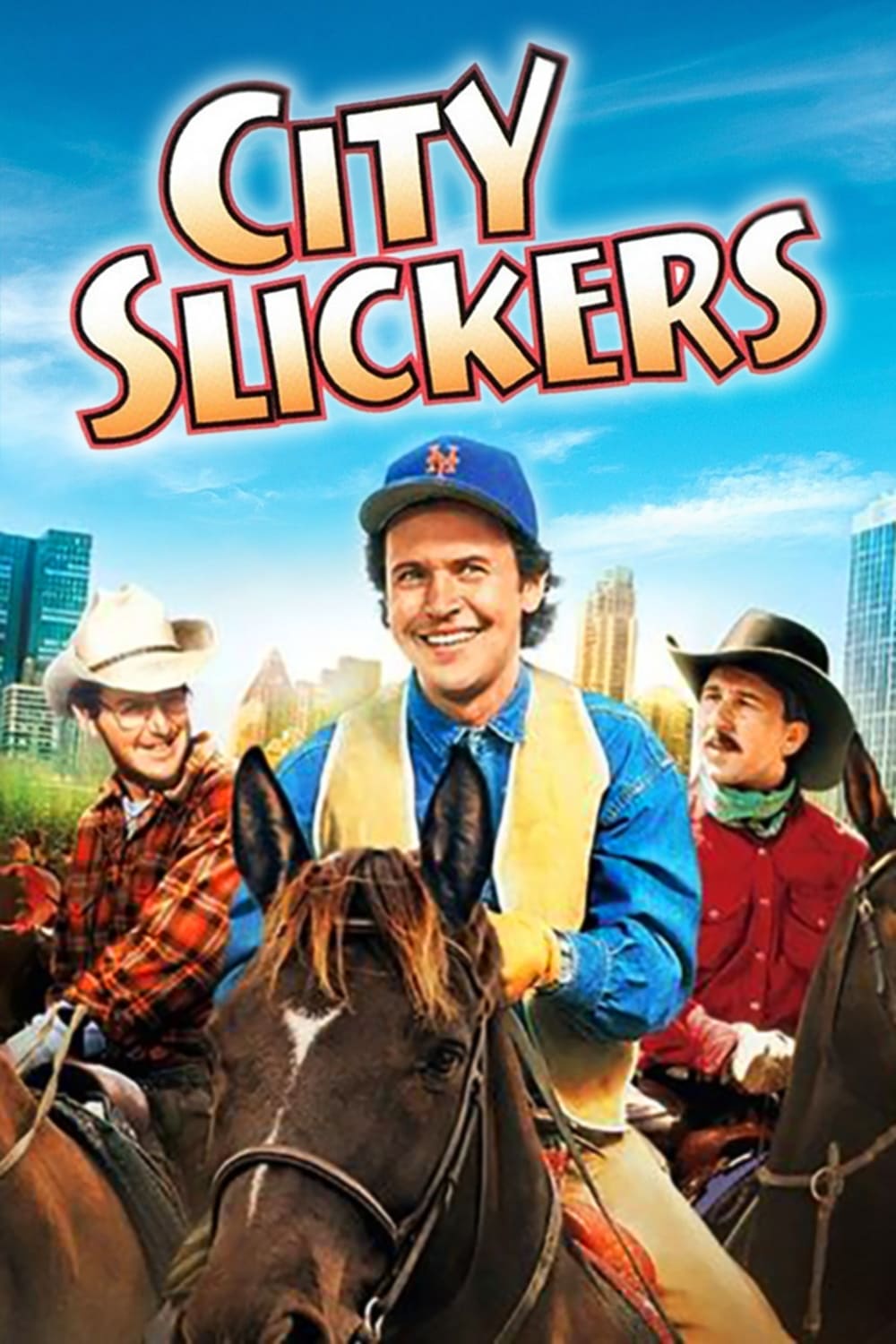
Daniel Stern and Jeffrey Tambor switch parts
In the discussion (2)
- Stern and Tambor switching parts would make a better movie, which draws 'that would be pretty funny.'
- Another recasting idea bleeds into a 10-episode Netflix remake and is saved for that.
Most Rewatchable Scene
Best Day, Worst Day scene; plane ride home from running with the bulls; Nancy confronting Phil at the party
In the discussion (11)
- The plane ride back from running with the bulls is a favorite: Mitch's sore-rear dad jokes, Ed being told he'll soon be dating sperm, Phil pretending to sleep, and the question of when it will ever be enough. — Bill Simmons
- The Crystal-Tambor office scene is called weird, but the pizza ad is perfect, and the 'as good as you're ever going to look' line sets up the movie.
- The school scene with the guy from Total Recall is called crushing it, and it marks Jake Gyllenhaal's debut with a spiked haircut. — Chris Ryan
- The fireplace scene where Kirby and Stern fight is nominated.
- The harmonica scene between Jack and Billy is quoted and all their scenes together are praised. — Bill Simmons
- Curly's 'one thing' secret-of-life scene is quoted.
- Best Day, Worst Day is called 'my favorite, most rewatchable... the best scene,' with the story of standing up to his father quoted.
- Mitch's description of first walking into Yankee Stadium after seeing it on black-and-white TV is called pretty awesome, but his being a Mets fan is flagged as the number one nit. — Bill Simmons
- One answer says the movie falls apart in the last 40 minutes with no rewatchable scenes there, and picks Nancy the cashier confronting Phil about her pregnancy at the party. — Sean Fennessey
- Best Day, Worst Day is the pick, and Kirby is phenomenal in that scene. — Sean Fennessey
- Underwood's staging of the stampede is floated as most rewatchable; the reply grants parts are beautiful but calls it a flat-looking Western with a good script and great bones, likened to Raiders.
Probably Unanswerable Questions
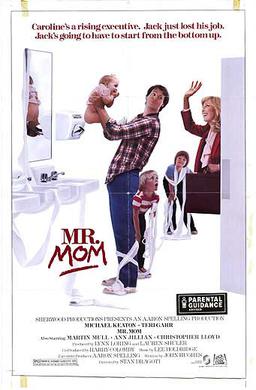
How does Jack get his job back alongside Jeffrey Tambor's character, who was fudging numbers yet never gets fired?
In the discussion (2)
- Keaton gets his job back at the end with the other two guys after it turns out Jeffrey Tambor's character was fudging numbers, yet Tambor is not fired; the cause and effect of sales falling after Jack left makes no sense and the whole resolution is incoherent, when Jack should demand that Tambor be out.
- Jeffrey Tambor was this exact character for seven straight years, on Three's Company and The Ropers and in five movies of the era, so it was amazing when he was hired as Hank on Larry Sanders; sitcoms then would bring an actor back as a lawyer and eight episodes later as a doctor.
What’s Aged the Best?
The overmatched dad handling multiple kids; the film not treating a man at home as a novelty; Jack's real friendships with the other moms; Ann Jillian (transcribed as Angelian); Keaton watching soap operas; the Rocky, Jaws and Chariots of Fire references; the tuna-with-a-heart commercial; the abrupt ending; 1980s parenting; Martin Mull, Jeffrey Tambor and Christopher Lloyd
In the discussion (8)
- The overmatched dad handling multiple kids at home is always an enjoyable gimmick, and the film does not treat a man at home as a huge novelty, only as a moron at home; the mean, judgy moms still exist in 2019 on mommy boards, and the hosts credit the film for not dwelling on whether a man could stay home.
- Jack makes real friends with the other moms, playing poker and being taken to a male strip joint; Angelian (as transcribed) was really good, remembered as the breakout star of the sitcom It's a Living about waitresses at a club, with a dance background, playing the horny divorced friend who is in on the joke, though one host cannot defend the character even while liking her.
- Keaton watching soap operas is both aged best and aged worst: one host watched General Hospital in that era, when daytime TV with only ten channels meant game shows and soap operas and a sick day meant making sure to catch The Price is Right, and Jack goes from mocking the show to yelling at it within five minutes; Rocky training montages are always liked.
- The pop culture references, Rocky, Jaws and a fake Chariots of Fire during the race, have aged well where timely references usually die and date a film instantly, as Wayne's World 2 does.
- The tuna-with-a-heart commercial is very 80s but smart, since the idea that brands need a heart is exactly what every brand on Twitter does now.
- The abrupt ending is a point in its favor: the 80s habit of saying everything and getting out is missed, since comedies now tack on four more scenes, and Night Shift ends abruptly the same way.
- The parenting seems pretty good: no helicopter freaking out, kids who make their own lunch, the speech about giving up the blanket, no crying or punching, and the film accepts on face value that staying home with the kids is hard full-time work, which is relatively progressive for 1983; Martin Mull, Jeffrey Tambor and Christopher Lloyd are a pretty good troika.
- To close, one host goes with Keaton watching soap operas, the other with 1980s parenting, which seemed normal and soothing rather than what was expected, prompting a joke about missing peanut allergies, ADD medication and therapists.
Most Rewatchable Scene
Jack's house attacking the family: Keaton versus the washing machine, dryer and self-starting vacuum
In the discussion (8)
- One host's candidates begin with Jack getting fired, where everybody is trying to strangle each other and Jeffrey Tambor and Christopher Lloyd share the scene, which feels very 80s and would not be written that way today; the clip is played.
- Martin Mull, as Terry Garr's creepy boss, makes his first visit to the house and Keaton comes to the door holding a chainsaw, overalls and a backwards Lions trucker hat, the two men sizing each other up over the 220, 221 wiring line; the clip is played, and the other host decides this is where Michael Keaton and Mr. Mom invented the hipster dad seen in Brooklyn and Silver Lake.
- A Grantland interview a friend named Daniel did with Keaton, about 12,000 words long, had him recalling the 220, 221 line as an ad lib he was really proud of, and he is fond of the movie generally.
- The house attacking the family, with the washer and dryer going nuts, the self-starting vacuum chasing the kids and a baby being fed chili, is next; the host who had his kids alone that weekend says being thrown into the fire really is like that, down to a son microwaving three-day-old sushi.
- The improbable, elaborately built obstacle-course race at a work function, with hundreds of people cheering, is a specific 80s thing that would not happen now, built from borrowed playground equipment for grown men; the concept of letting your boss win because it is better for you professionally is enjoyed, and Keaton throws the race at the end.
- The Halloween scene, where Carolyn has two hours' notice to fly to Los Angeles after convincing a man to spend $11 million on her idea, is the only time the film confronts Jack losing the family; one host notes she simply stops being a mom for an hour, while the other finds her lack of guilt refreshing against the constant anxiety of content aimed at thirty-something women, and Keaton dressed as a prisoner is good in it.
- The goofy, abrupt ending, with Angelina (as transcribed) in Jack's room with a drink as he comes out of the shower and Terry Garr arriving, plays like they ran out of film; the other host's pick is the utilities, Keaton versus the washing machine and the vacuum, which leads to the realization that ironing a grilled cheese on the ironing board came from this movie, with Craig asked whether he has done it.
- One host has ironed a grilled cheese and calls it the best way to make one, except that the butter and cheese ruin the iron, so a dedicated grilled cheese iron would be needed, which is argued to be cheaper than a panini grill.
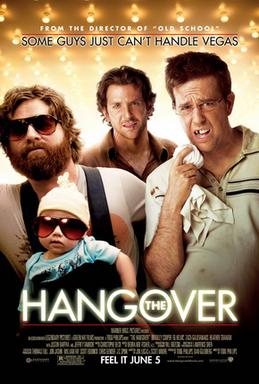
Picking Nits
The villa could not cost 4,200 dollars; Alan looks nothing like his sister; how the tiger got into Caesars; where the chicken came from; nobody checked the roof for a full day; Doug sits on 80,000 in Bellagio chips for two hours; the room damage bill; the tiger never used the bathroom; no rehearsal dinner; Stu hanging up on his girlfriend with no fallout; a Sunday backyard wedding; the fiancee accepting the extra night; whether Stu, Doug and Phil are even friends
In the discussion (12)
- There is no way the room costs 4,200 dollars, which really bothers one host; in 2009 it would have been eight to ten thousand and now around twenty, unless it was a day-of rate or a Caesars-approved trick to lure people into villas.
- Whether they are ever held accountable for the room damage is held for later; Alan was the bride's brother yet looks nothing like her, so he must have been adopted, though another host feels he does look like Tambor's offspring and it is the fiancee who does not.
- How did they steal the tiger and get it into Caesars Palace when there are always people in the lobby even at five in the morning; Cooper's oral history bit that the cast showed up after night shoots with tiger scratches and nobody blinked is enjoyed, though people would blink at a tiger; where the chicken came from is better left unanswered.
- Nobody thought to check the roof during a full day of searching, with Ed Helms' epiphany coming 24 hours in; in mitigation, these guys are stupid, they were roofied, and they were misled into thinking Doug was with them at dinner.
- Doug waits two hours to tell them he found 80,000 dollars of Bellagio chips in his pocket; the speaker would lead with that in the first seven minutes. — Bill Simmons
- The chips note is mocked as 'hey guys, I'm super sunburned, but good news, 80,000 chips right here'; nobody recalls them being in Barstow getting chips, and the money presumably gets split four ways.
- The room damage, carried over from unanswerable questions, would be 20K easy or 20 to 50, given Vegas charges 11 dollars for a water bottle and hundreds for a broken lamp, and they definitely got soaked on the second night; it is also hard to believe the tiger never shit in the bathroom, excused as a road game and no morning coffee yet.
- One host's biggest nitpick, bigger than any tiger issue, is that a huge wedding on a Sunday has no rehearsal dinner.
- When Ed Helms hangs up on his girlfriend from the back of the cop car she would definitely be calling the Las Vegas people and the fiancee for the next three hours, since she thinks they are in wine country; the idea of calling to say you will be a day late might fit the payphone era, but this was 2009 not 1999, everyone has cell phones and there is texting in the movie, so bad job on tigers and texting, great job on everything else; there is definitely a rehearsal dinner that Saturday.
- The Sunday outdoor wedding at somebody's house is ludicrous; nobody gets married on a Sunday unless they are saving money, which is called bullshit and a money save, and Craig is told no getting married on a Sunday.
- Earlier, during what aged worst, the fiancee accepting the guys staying an extra night and getting back the day of the wedding was flagged and deferred to nitpicks.
- Whether Stu, Doug and Phil are really friends was earmarked for the nitpicks: it is a weird threesome, and the guess is Doug was friends with each separately and united them.

In the discussion (4)
- Seven names are on the list; Jeffrey Tambor as the father-in-law is not a heater, a subdued performance but always knowing Vegas will go badly, which sets off a bit about a host insisting he would be at his daughter's fiance's bachelor party; Rachel Harris; the doctor who has only one C, with 'get lost and buy a fucking map'; Brian Cowan (as transcribed), Heather Graham, Rob Riggle and Mike Tyson.
- One personal vote goes to Rob Riggle; the award is defined as the biggest heat check, doing the most with the least playing time, like hitting five threes in ten minutes, and whether to take Riggle here or in Step Brothers is floated.
- Ken Jeong should win even though the speaker does not like the performance, because he is doing a lot and really going over the top. — Sean Fennessey
- The pushback that the award acknowledges something they like and that the integrity of the Dion Waiters Award is being undermined on the 103rd pod, answered with 'it's just good to examine what we're really doing here', gives way to agreement: Ken Jeong goes out like a Tasmanian devil taking shots and grabbing rebounds, almost Brandon Jennings-esque, and Dion Waiters would agree; Riggle is more Montrezl Harrell, the energy off the bench you really need, not Austin Rivers, and the movie vaulted him to another level.

