

What’s Aged the Best?
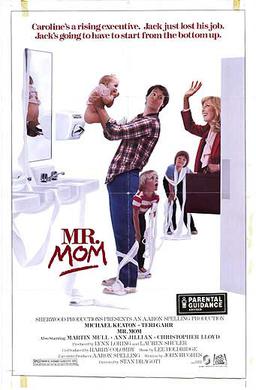
The overmatched dad handling multiple kids; the film not treating a man at home as a novelty; Jack's real friendships with the other moms; Ann Jillian (transcribed as Angelian); Keaton watching soap operas; the Rocky, Jaws and Chariots of Fire references; the tuna-with-a-heart commercial; the abrupt ending; 1980s parenting; Martin Mull, Jeffrey Tambor and Christopher Lloyd
In the discussion (8)
Approx. transcript time · 00:26:08Read transcript
- The overmatched dad handling multiple kids at home is always an enjoyable gimmick, and the film does not treat a man at home as a huge novelty, only as a moron at home; the mean, judgy moms still exist in 2019 on mommy boards, and the hosts credit the film for not dwelling on whether a man could stay home.
- Jack makes real friends with the other moms, playing poker and being taken to a male strip joint; Angelian (as transcribed) was really good, remembered as the breakout star of the sitcom It's a Living about waitresses at a club, with a dance background, playing the horny divorced friend who is in on the joke, though one host cannot defend the character even while liking her.
- Keaton watching soap operas is both aged best and aged worst: one host watched General Hospital in that era, when daytime TV with only ten channels meant game shows and soap operas and a sick day meant making sure to catch The Price is Right, and Jack goes from mocking the show to yelling at it within five minutes; Rocky training montages are always liked.
- The pop culture references, Rocky, Jaws and a fake Chariots of Fire during the race, have aged well where timely references usually die and date a film instantly, as Wayne's World 2 does.
- The tuna-with-a-heart commercial is very 80s but smart, since the idea that brands need a heart is exactly what every brand on Twitter does now.
- The abrupt ending is a point in its favor: the 80s habit of saying everything and getting out is missed, since comedies now tack on four more scenes, and Night Shift ends abruptly the same way.
- The parenting seems pretty good: no helicopter freaking out, kids who make their own lunch, the speech about giving up the blanket, no crying or punching, and the film accepts on face value that staying home with the kids is hard full-time work, which is relatively progressive for 1983; Martin Mull, Jeffrey Tambor and Christopher Lloyd are a pretty good troika.
- To close, one host goes with Keaton watching soap operas, the other with 1980s parenting, which seemed normal and soothing rather than what was expected, prompting a joke about missing peanut allergies, ADD medication and therapists.