Plummer’s climactic diner intensity is praised as successful excess.
The diner manager is the stated winner for his exaggerated pleas to cooperate and avoid heroics, compared with television and cartoon performance. — Bill Simmons
Decades of imitations, especially in the mid-1990 s, are selected for aged worst. — Bill Simmons
Racial slurs, especially Jimmie’s dialogue, are considered increasingly jarring. The discussion distinguishes their uses without resolving the justification for Jimmie’s language. — Chris Ryan
Tarantino’s racial slurs are defended as his perception of how criminal characters would speak, while the language remains uncomfortable and his claimed familiarity with Black communities is discussed. — Sean Fennessey
Butch’s chair-escape slow motion looks dated and uniquely artificial within the film. — Chris Ryan
Characters are careless about forensic evidence: Butch merely wipes a gun, and the apartment killings leave a conspicuous bloodbath and early-morning gunshots. — Chris Ryan
Los Angeles diners are disappearing, and robbing diners for cash-filled wallets seems less plausible now. — Chris Ryan
Buscemi’s tiny Buddy Holly part feels wasteful; he reportedly lacked time to play Jimmie.
Roth’s predicted next-great-star trajectory is questioned despite strong work in this film, Reservoir Dogs and Rob Roy. — Bill Simmons
Marvin’s visible dummy in the trunk is criticized. — Bill Simmons
Bullet holes visible before the divine-intervention shots are criticized. — Bill Simmons
Smoking while drinking a milkshake is considered an unpleasant combination. — Bill Simmons
Craving a cheeseburger after heavy cocaine use is questioned. — Bill Simmons
Older pop-culture references may no longer register.
The cab’s rear projection is defended as a deliberate old-movie homage.
Tarantino’s acting is defended in retrospect, especially opposite Keitel over linens; his angry tone toward Jules is the specific stretch considered unsuccessful. — Sean Fennessey
Salma Hayek is suggested as a Latin American alternative. — Sean Fennessey
Jennifer Beals is suggested as an American alternative; the argument is that another performer could make the same writing work. — Sean Fennessey
The potbelly conversation and private baby talk are defended as deliberately intimate and uncomfortable, citing Tarantino's stated intention that viewers feel they are intruding. — Chris Ryan
Butch's attraction to the taxi driver and commitment to Fabienne are questioned. Sending Fabienne back for the watch is proposed and rejected as unlikely to succeed; skipping this stretch on a family viewing illustrates the pacing objection. — Chris Ryan
Big Kahuna Burger is the initial choice for its namesake award. — Bill Simmons
The five-dollar milkshake and Jimmy’s coffee are proposed as alternatives. — Bill Simmons
The Wolf taking substantial cream and sugar is considered a surprising detail; Tarantino's own preference is offered as context, while Fabienne is noted as asking for black coffee.
Brett’s Sprite is added as another candidate. — Bill Simmons
Big Kahuna Burger is the agreed winner, with the milkshake acknowledged as a strong runner-up. — Bill Simmons
The movie poster is selected for What's Aged the Best, with its artist's other work and a later photographer lawsuit mentioned. — Bill Simmons
The film's seductive presentation of its lifestyle is an aged-best choice: food, cigarettes, morning beer, music, and a loose sense of time create nostalgia. The discussion treats the heroin imagery as attractive filmmaking rather than a report of personal use. — Chris Ryan
Mia’s elated return home captures the feeling of a successful night out and is selected for aged best. — Sean Fennessey
The watch story’s Hanoi pit-of-hell phrasing is praised. — Sean Fennessey
Mia and Vincent after the overdose and Marsellus and Butch after the rescue provide two favorite mutual agreements to keep an incident secret. — Bill Simmons
The watch-and-dysentery joke is selected for aged best. — Bill Simmons
The baggie rather than a balloon is praised as the setup for Mia’s mistake. Heroin’s color prompts an objection, answered by her intoxication. — Bill Simmons
Willis and Travolta's brief confrontations and Al Green's music are additional aged-best choices. — Bill Simmons
Vincent's repeated bathroom trips prompt a claim that heroin causes frequent defecation, immediately corrected to constipation; his diet and possible irritable bowel symptoms are speculative alternatives. — Bill Simmons
Jackson's performance is praised for remaining powerful despite its dialogue becoming ubiquitous memes and quotations, compared with rediscovering how good Satisfaction is after countless hearings. — Chris Ryan
Time-shifting storytelling is praised as an enduring influence. — Sean Fennessey
Pop-culture references that make otherwise unlikely characters relatable are praised. — Sean Fennessey
Tarantino's shared fictional world is praised through reported connections involving Bonnie, Alabama, Aldo Raine's family, and recurring Red Apple cigarettes. — Chris Ryan
Tarantino fulfilling early predictions of greatness is selected for aged best, while the discussion notes that Jackie Brown's reception meant the trajectory took time. — Sean Fennessey
Gimp questions ask what he does all day, whether this is a voluntary activity or a job, and whether the position comes with benefits; these are speculative jokes, not established backstory.
Zed's actual law-enforcement status and the meaning of Gimp are questioned. An unverified web-search acronym is read aloud rather than established as fact.
Tarantino's reported backstory describes the Gimp as an abducted hitchhiker made into a captive. The discussion disputes whether he dies and imagines his release if he survives.
The reference to Russell's old room prompts questions about Russell's fate and whether he could be the Gimp; a former mentor is another speculative explanation.
The My Sharona and the Gimp Award for Best Inadvertent Reconsideration by a Director goes to Quentin Tarantino: licensing favored Reality Bites, preventing his planned use of My Sharona in the assault scene. He reportedly later felt the song would have been too cutely comic and used Comanche instead. — Bill Simmons
The most-rewatchable-scene discussion proposes eight selections and suggests almost the entire film qualifies except roughly twenty minutes. — Bill Simmons
The opening diner robbery and transition into the credits are praised. The discussion considers the switch between two songs and debates whether the typography still feels timeless; younger viewers may associate it with Stranger Things.
Misirlou prompts an association with the Black Eyed Peas song Pump It for a younger listener. — Craig Horlbeck
Vincent and Jules discussing Amsterdam and the Royale with Cheese is praised as exceptionally influential screenwriting. The conversation connects its everyday observations to the film's recurring contrasts between Europe and America.
The foot-massage argument, Mia's television pilot, and Antoine Tony Rocky Horror story are praised for combining casual conversation with the unexplained armed approach to an apartment. Vincent catches Jules with the offer to give him a foot massage. — Craig Horlbeck
The foot-massage debate leads to agreement that the gesture is intimate; professional massage is distinguished from a personal offer.
The apartment confrontation is introduced as another scene contender, with Samuel L. Jackson's performance prompting an early Rick Dalton Award mention. The Big Kahuna Burger and tasty-beverage dialogue, Frank Whaley's frightened performance, and the big-brain-on-Brett line receive praise.
Jackson's interaction with Burr Steers on the couch is singled out, while Travolta's quieter background performance also draws attention. — Chris Ryan
Travolta's relaxed background behavior contrasts with Jackson's commanding, repeatedly quotable performance in the apartment.
Jackson's extended biblical monologue is praised as an extraordinary sustained performance, prompting curiosity about how many takes the scene required. — Bill Simmons
Low angles, close-ups, and a camera move following Jackson's head turn establish him as a movie star, shifting attention away from Travolta. — Chris Ryan
The burger and the film's food generally are praised for looking appetizing.
Marsellus lecturing Butch about pride and his declining prime is selected as another scene; its advice is compared with Pacino's speech to DiCaprio in Once Upon a Time in Hollywood. — Bill Simmons
The speech's warning about aging inspires contemporary jokes about Joe Biden and Paul George's late-career contract.
Butch's confrontation with Vincent is discussed as the possible trigger for keying his car and deciding to betray Marsellus; a reported Tarantino answer supports the decision forming during that encounter.
Obscuring Marsellus's face during his speech is praised for building anticipation and making the crime boss seem mythical, with Mia's delayed reveal cited as a parallel.
Vincent buying heroin from Lance is selected for its elaborate product descriptions and sales pitch, including the more expensive Choco. — Chris Ryan
Lance remaining visible in a mirror is singled out as an easily missed visual detail. Mirrors and reflections recur with Mia, Fabienne, and Vincent. — Bill Simmons
Vincent confusing Trudi with Jody and describing the piercings on Jody's face is praised as an enduringly funny exchange; Stoltz's robe, sandals, and hair contribute to the performance.
The drug purchase captures obligatory small talk, with Lance echoing Vincent's complaints about his keyed car and using a salesman's suggestion that stock might run out. — Chris Ryan
Stoltz's appeal across different kinds of films is discussed. A festival encounter and his enthusiasm for Reservoir Dogs are offered as the background to his casting, alongside his other connections to Tarantino and Roger Avary. — Sean Fennessey
The discussion corrects Kicking and Screaming to 1995 and describes Stoltz's early-1990s mixture of indie leading roles and smaller appearances. — Bill Simmons
Vincent and Mia's date at Jack Rabbit Slim's is selected, including his arrival at her house. The restaurant's immersive design and automobile booths are praised; conflicting construction-budget recollections are discussed.
A reported Disney proposal to reproduce Jack Rabbit Slim's in a park was declined; the restaurant is compared with an unnamed real Los Angeles establishment. — Sean Fennessey
Characters repeatedly expressing pleasure in their food is suggested as part of why the meals look so appealing. Steve Buscemi's Buddy Holly waiter is highlighted. — Sean Fennessey
Fox Force Five's detailed character lineup inspires enthusiasm for an actual pilot and a comparison with Kill Bill; whether Tarantino wrote such a pilot is speculation.
The five-dollar milkshake exchange and its specific menu terminology are singled out as memorable date dialogue.
The date resolves the foot-massage rumor while Travolta's bashful, low-key delivery contrasts with Thurman's more animated cocaine-influenced behavior.
The twist contest and Chuck Berry song are praised. The discussion wonders how the dance would look to sober observers and reports that Travolta introduced additional period dances instead of only performing the twist.
A first-time viewer expects Vincent and Mia to have sex and face Marsellus's anger; the overdose instead provides an effective narrative swerve. The baggie rather than a balloon helps explain Mia mistaking heroin for cocaine. — Bill Simmons
Mia abandoning her lip-sync routine midway through the song is praised as a behavioral detail. Lance's quiet evening with cartoons, cereal, and a recliner makes Vincent's emergency arrival especially funny. — Chris Ryan
The injection effect reportedly used a needle pulled away from Thurman's chest with the footage reversed, after a fake chest was rejected. — Bill Simmons
Vincent pressuring Lance by explaining that Mia belongs to Marsellus adds another comic threat to the rescue; the rough handling of Mia on the lawn is noticed. — Chris Ryan
Thurman's ability to look glamorous and convincingly devastated, especially on the drive home, is praised. — Bill Simmons
Christopher Walken's watch monologue is selected as another scene. Its placement immediately after the overdose supplies another escalating surprise when a quieter flashback seems likely.
Walken's uninterrupted watch speech is praised, and the watch's Knoxville origin is connected to Butch's destination and Tarantino's biography.
Butch returning for the watch and killing Vincent is selected. One objection says Butch seems insufficiently frightened; the long approach through backyards is defended as an effective real-time buildup. Stopping for a toaster pastry is questioned.
Vincent's abrupt death is compared with Psycho's shocking removal of its apparent lead. Whether earlier politeness toward Butch would have saved him is raised, with survival offered as the reason Butch would shoot regardless.
The pawnshop basement and Gimp reveal are selected for their shocking narrative turn. Deliverance is a comparison, while the setting is read as a surreal personal hell for a powerful crime boss.
The Gimp emerging from the trunk is called a top-five shocking movie moment, without an enumerated ranking. The discussion debates deliberate provocation versus making the basement as strange as possible. — Bill Simmons
The Gimp laughing at Butch is compared to premature athletic taunting; the offscreen sounds prompt jokes about recording the scene.
The discussion debates returning to rescue an enemy versus escaping. Butch staying with Fabienne after she forgot the watch is also questioned.
The scene illustrates how Tarantino strategically withholds the sight of violence despite its strong effect. — Sean Fennessey
Vincent accidentally shooting Marvin and the ensuing trip to Jimmy's house are selected, highlighting Vincent's casual admission and the argument over whether a bump caused the gun to fire. — Craig Horlbeck
Jules and Vincent washing their hands and arguing about soap is praised, as is Vincent's impatient expectation that an apology should settle the accidental killing. — Bill Simmons
The Wolf's rapid arrival, appreciation of Jimmy's coffee, response to Vincent requesting politeness, and refusal to celebrate prematurely are highlighted alongside the argument over cleaning Marvin's remains. — Bill Simmons
The final breakfast and robbery confrontation is selected for Jules's transformation and the film's deepest thematic statement. Jackson's apartment performance remains a competing personal favorite.
The final diner confrontation is selected as the current favorite scene. — Sean Fennessey
Mia’s overdose through the injection and revival is selected as the most rewatchable scene.
The stretch from Marvin’s shooting through the Wolf leaving for the diner is separately identified as a favorite chapter.
The opening chapter is defended because it contains both the hitmen and Vincent’s date with Mia.
Jack Rabbit Slim’s through Mia’s revival is selected as an expanded scene choice. — Craig Horlbeck
A research tidbit delivered early: Cage showed Bay and Bruckheimer Richard Dreyfus scenes from Jaws, wanting to channel them in the bomb-dismantling scene. — Bill Simmons
So many writers worked on the script that it went to Writers Guild arbitration: Aaron Sorkin and Quentin Tarantino involved, David Weisberg and Douglas Cook on the story, Mark Rosner granted credit, Bay backing Jonathan Hensley, and two British screenwriters Connery brought in who were fired; about nine writers. — Bill Simmons
Cage's idea that his character would never swear produced lines like "gee whiz"; some Navy SEALs were real SEALs; Don Simpson created Hummel from a 60 Minutes piece on the government not acknowledging soldiers who died on covert missions. — Bill Simmons
Per Bay, the car chase was inserted after early screenings revealed a big flat hole, to appease younger filmgoers. — Bill Simmons
On Cage playing guitar naked: Bay thought Cage wanted to show off his body, while Cage wanted to show his character's comfort at home; the takeaway is how hairy he is. — Bill Simmons
Connery's contract had his coverage filmed first, then he left for his cabin on Alcatraz. — Bill Simmons
The balcony scene was shot on location at the Fairmont, and people called about a person dangling from the balcony. — Bill Simmons
Bay's unmade sequel idea: Goodspeed has the microfilm, nowhere to turn, and enlists Mason in a role reversal, likened to National Treasure. — Bill Simmons
An internet theory holds that Mason was James Bond, but his answer of Army rather than Navy blew the wink. — Bill Simmons
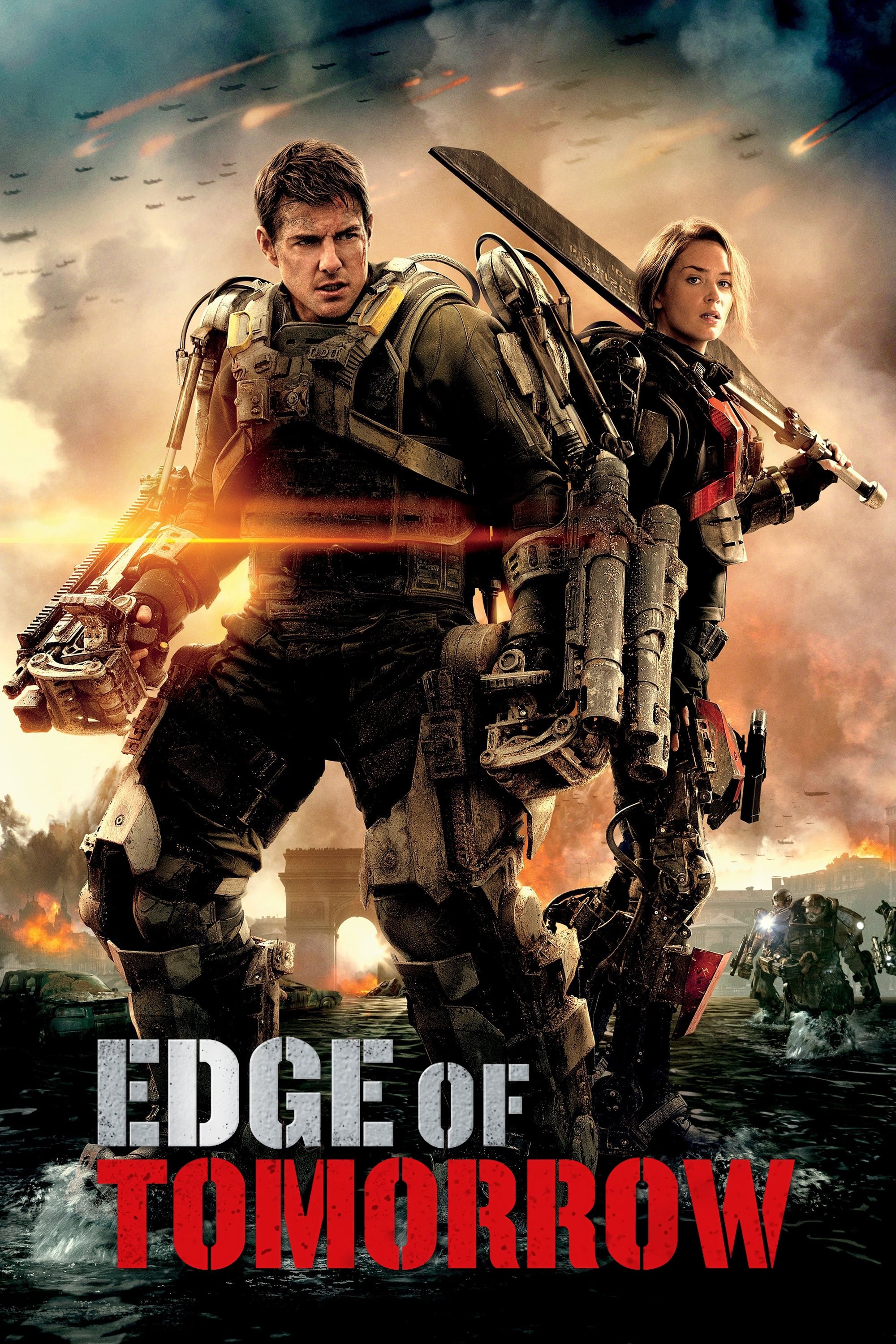
Screenplay development history; the novel's video-game origin; Cruise's Oblivion turnaround; the helicopter line; the Matrix-like Louvre scene; beach plates; heavy battle suits; Rita's blade
Getting ahead of half-ass internet research, the hosts read that eight people contributed to the screenplay and that the producers developed a spec script, sending writer Dante Harper the novel. — Sean Fennessey
They read that Harper found the book too complex but risked not being paid and spent eight months on it; Warner Brothers bought it for $3 million in April 2010, hired Liman, and Harper's script made the 2010 Black List. — Sean Fennessey
The story prompts a Barton Fink joke, corrected from Michael Gambon to Michael Lerner ("It's a wrestling picture"). — Sean Fennessey
The Butterworths were later brought in; Jez is called an accomplished playwright who worked on some of the Craig Bond movies and Simon Kinberg also took a shot. — Sean Fennessey
The hosts say Cruise compared Cage's violent deaths to a Wile E. Coyote and Roadrunner cartoon, and that McQuarrie finally found the funny tone the earlier drafts lacked. — Sean Fennessey
Movies with eight screenwriters are usually bad; the guess is that Harper's shape, the Butterworths' plotting and McQuarrie's dialogue survived. — Sean Fennessey
Resuming the segment, the hosts say Sakurazaka got the idea for the novel from resetting video games until finding the winning strategy. — Sean Fennessey
Asked about resetting FIFA, the answer is going further: looking up cheat codes online for 100 lives, which dates the last time he played video games. — Chris Ryan
The movie integrates first-person-shooter and video-game logic seamlessly, making it the best video game movie without being an adaptation; Scott Pilgrim is the only comparison, while boss-level logic in Star Wars movies is annoying. — Chris Ryan
The hosts read that Cruise began pre-production on July 20, 2012, less than a week after wrapping Oblivion. — Sean Fennessey
The farmhouse line about knowing how to take off but not land is linked to Cruise later flying helicopters in Mission Impossible. — Sean Fennessey
The hosts read that the Louvre scene with aliens attacking the ship resembles the sentinels at the end of The Matrix. — Sean Fennessey
They read that visual effects artists extended the beach with plates shot at Saunton Sands in North Devon, and that the battles were meant to recall Normandy and Dunkirk, discussed with Quentin Tarantino last year. — Sean Fennessey
They read that Cruise and Blunt wore the battle suits for real, averaging 85 pounds and up to 130 pounds, and hung from chains on iron frames between takes, which is likened to Aliens. — Sean Fennessey
They read that in the novel Rita uses a melee weapon because she ran out of ammo on resets; her blade is iconic but practically stupid, alongside the Full Metal Bitch bus graffiti and her crew's skeleton masks. — Chris Ryan
Blunt's introduction doing the plank is called probably the movie's most iconic shot. — Chris Ryan
Asked whether he can do that plank, the answer is no. — Chris Ryan
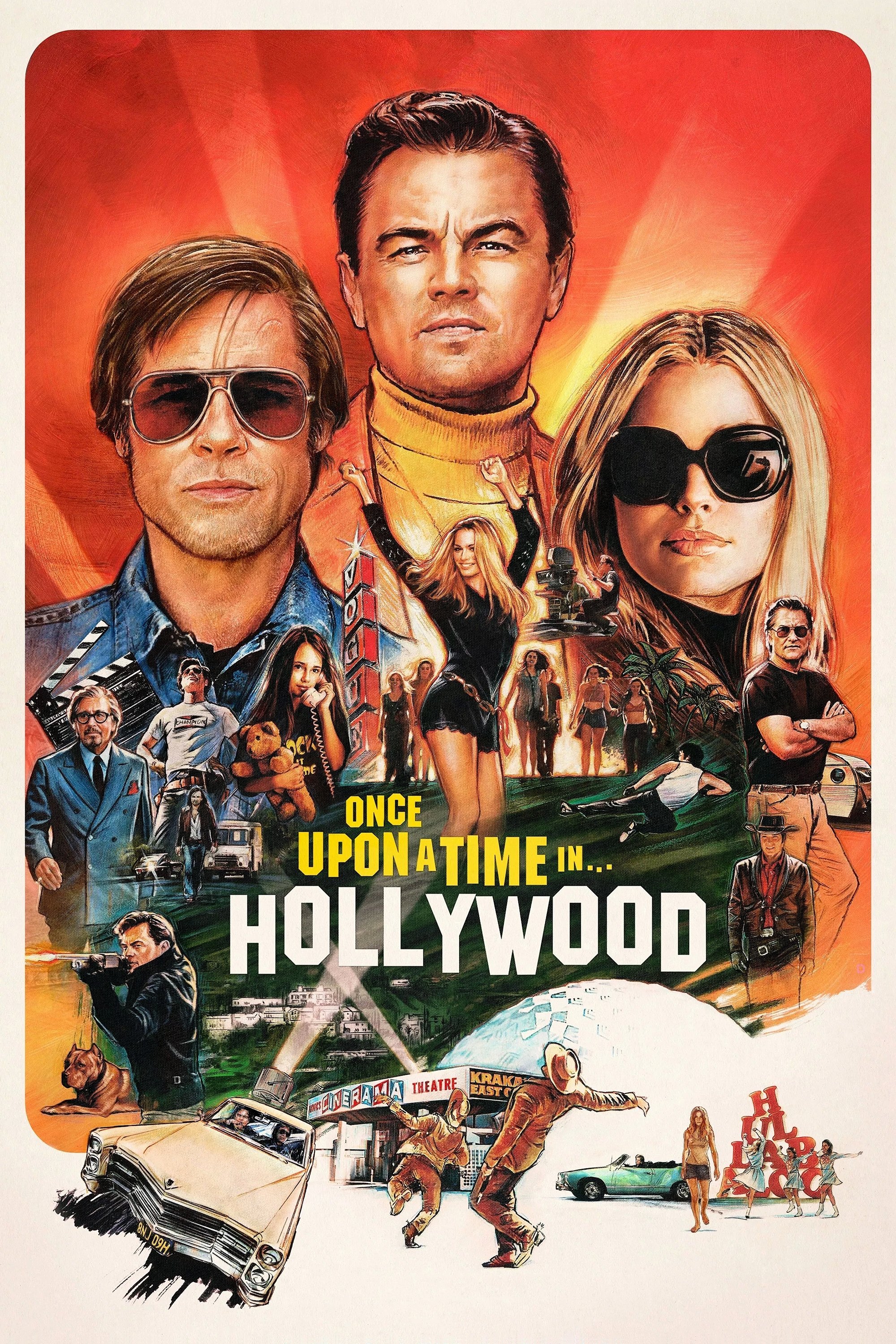
DiCaprio won the movie: he plays about six versions of Rick, plus roles within roles, a mind-blowing piece of acting. — Chris Ryan
He or Driver is the best actor of 2019. — Chris Ryan
Tarantino wins all of his movies; no one else could have made it. — Chris Ryan
Pitt won the movie: the host had given up on him after a public breakup, and he came roaring back. The hosts rarely split like this. — Bill Simmons
The audience is polled by voice on DiCaprio, Tarantino and Pitt; the Pitt cheer is taken as agreement. Audience cheers are not counted as ballots. — Bill Simmons
Did Cliff kill his wife? It is purposely ambiguous, but the answers are yes and probably.
Rick's next 10 years: Tarantino's interview with Kim Morgan imagines him in Rosemary's Baby, then TV guest roles like Streets of San Francisco, Charlie's Angels and Rockford Files. — Chris Ryan
Rick could have become a game-show host, or made a movie later mocked on Mystery Science Theater 3000. — Sean Fennessey