‹ All people

Film credit

Sam Shepard

Stats

Episodes featuring their films
1
Movies in this archive
1

Episodes featuring Sam Shepard’s films

The Rewatchables

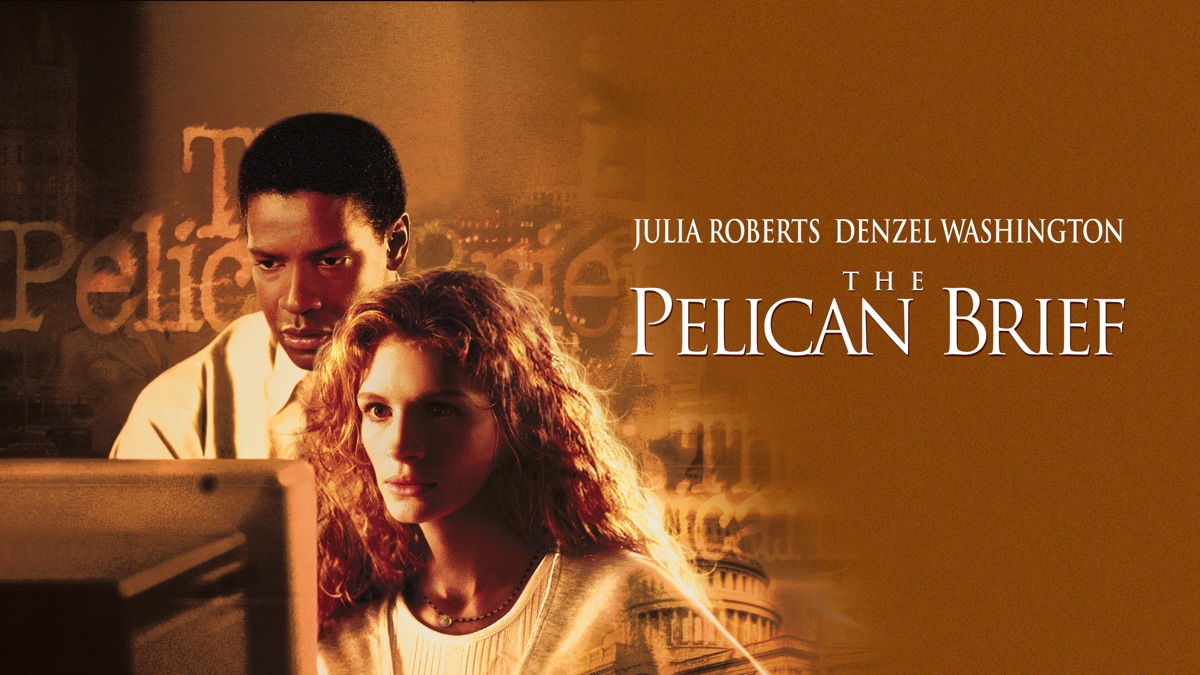
The Pelican Brief

1993 film

Bill Simmons · Chris Ryan · Sean Fennessey · Amanda Dobbins

Aired December 12, 2023

Displaying 1 episode

Mentioned in discussions

The Good Son

Recasting Couch

Michelle Pfeiffer is favored as Susan, with Sam Shepard as Wallace and Tom Hanks as Mark’s father.


In the discussion (3)
Approx. transcript time · 01:23:54Read transcript

Flex pick · Mina Kimes

In the discussion (8)
Approx. transcript time · 00:25:44Read transcript
  • Nicholson or Harrison Ford might make viewers demand a romantic reunion, unlike Baldwin’s charming but unsuitable Jake. — Amanda Dobbins
  • Sam Shepard is favored for Adam’s sensitive charisma; Dennis Quaid and Cruise are rejected.
  • Tommy Lee Jones could play a blue-collar contractor; Dustin Hoffman offers a Kramer vs. Kramer callback but is judged too odd and insufficiently competitive romantically. — Mina Kimes
  • Recasting was the flex already used. — Mina Kimes
  • Michael Douglas is floated as Adam, with concern that his sexual charisma would overpower the role.
  • Hanks is proposed as Adam and encouraged to take supporting romantic-comedy roles again.
  • An early-career, funny Chris Pratt could improve one child role, although adding another NBC sitcom star might overload the cast.
  • Adam Brody replacing Krasinski gains agreement; the earlier, charming Krasinski is nevertheless preferred.
The Pelican Brief

What’s Aged the Best?

Shepard; Sneller routine; disguises; chemistry; Goldwyn; newspapers; secret room; New Orleans; following a cab; names; Pakula; conspiracy theorists; jogging clothes; FBI pressure; barking dog
In the discussion (15)
Approx. transcript time · 00:42:38Read transcript
  • Sam Shepard’s presence and romantic appeal remain strong. — Amanda Dobbins
  • The covert Mr. Sneller contact routine remains appealing.
  • Darby’s pigtails, sunglasses, wig and Knicks cap make her disguises memorable.
  • Roberts and Shepard have strong chemistry despite the problematic professor-student relationship. — Bill Simmons
  • Tony Goldwyn is effective as an unpleasant schemer. — Bill Simmons
  • A newspaper-centered thriller remains appealing.
  • The secret room used to film the boss is a memorable feature. — Chris Ryan
  • New Orleans is an excellent filming location. — Chris Ryan
  • The request to follow another taxi is a classic pleasure. — Chris Ryan
  • Darby Shaw and Gray Grantham are admired character names. — Bill Simmons
  • Pakula’s later career revival restores his standing as a thriller director, though Tony Scott is preferred by one response for the 1990s.
  • Self-publishing conspiracy theorists are a joking affirmative selection. — Amanda Dobbins
  • Jogging outfits and shorter men’s shorts have returned to fashion. — Amanda Dobbins
  • Presidential pressure on the FBI recalls modern disputes over investigative independence.
  • A dog suddenly barking at an already endangered character remains an effective thriller device. — Bill Simmons
In the discussion (3)
Approx. transcript time · 01:29:15Read transcript
  • Murphy is the clear acting choice, with a supporting placement proposed strategically despite recognition that he is a lead. — Bill Simmons
  • The screenplay is considered, then Murphy’s rewritten dialogue complicates the choice. — Chris Ryan
  • The reported supporting-actor field includes Jack Nicholson (Terms of Endearment), Charles Durning (To Be or Not to Be), John Lithgow (Terms of Endearment), Sam Shepard (The Right Stuff), and Rip Torn (Cross Creek). — Bill Simmons
In the discussion (5)
Approx. transcript time · 01:09:01Read transcript
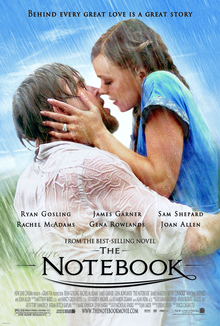
The Notebook

Picking Nits

The home-restoration and engagement timeline; the health of young Noah and Allie's relationship; building and stocking a house for someone unseen in seven years; Allie going off the grid on Lon; the hand-cut arrows and Xerox paper; Lon's convoluted proposal; the $50,000 asking price for the plantation; the abrupt ending; how Noah pays the bills

In the discussion (15)
Approx. transcript time · 01:01:45Read transcript
  • Invited to go first, the number one nit, written in caps, is a request to explain the timeline of the home restoration and how long Ali and Lon were engaged. — Amanda Dobbins
  • The timeline is laid out: they meet June 6, 1940, Allie at 17 starts Sarah Lawrence that fall and graduates in spring 1944, and she returns to Noah in 1947, since she says she waited seven years, so she has been with Lon about three years.
  • Asked what questions remain, meeting at the end of the war in 1944 or 1945 makes sense, and the concern is that we are shown the engagement and then Noah starting work on the house. — Amanda Dobbins
  • Perhaps she took a year off to nurse; in the 40s there were about six weeks between engagement and marriage and this woman would have married faster, yet the movie shows the entire restoration, Sam Shepard dying in between, Noah pulling off the facade floorboard by floorboard alone, and his newspaper feature alongside her wedding announcement; even allowing six months for a society wedding, one person cannot renovate a house like that, so the timeline makes no sense.
  • Asked for a major nit, there are concerns about early Noah and Allie's relationship and its health. — Andrew Gruttadaro
  • The relationship runs on adrenaline and hating Allie's mom; they get into physical fights, hitting each other rather than bickering, which may be meant to communicate passion, though rewatching Big Little Lies prompts a rethink of the link between physical aggression and passion; Noah also gets a personality transplant, barely talking in the second half before transforming back into James Garner.
  • Also a nitpick: is it healthy to build an entire house for someone you have not spoken to in seven years and stock it with sketch notebooks, pencils and canvases? Romantic in the movie, weird and stalkery in real life; a beautiful house is one host's love language but the third sketch notebook is intense, a flip-side Mrs. Havisham who was called a madwoman, a double standard, and a Lloyd Dobler problem of movie romance ignoring boundaries; Gosling gets credit for channeling the break with reality it would take.
  • Allie going off the grid for two or three days is really rude to lovely Lon and not good behavior, even if you are uncontactable on Seabrook Island in 1947 and Noah's remote house probably has no phone; why Noah never got another friend after Kevin Connolly died is answered with 'once you have E' there are no replacements.
  • Two smaller nits: Noah could not have had time to cut so many differently shaped arrows for the painting scene, a two-hour project at most, and the paper looked like straight-up Xerox paper, not 1947-approved; Marsden's proposal is extremely convoluted, the bit about her parents does not land, 'I've asked your parents already' is always hated, and it needed a rewrite.
  • Asked for other nits, Noah is only asking $50,000 for the plantation, which in the 1940s is like $500,000 and not enough money; he needs a better understanding of the real estate market and his land. — Andrew Gruttadaro
  • Coastal property goes for far more; classic Noah not consulting an expert.
  • The movie ends abruptly, panning up from the bed to credits; one host would end on Allie returning to the house and the all-time McAdams shrug, up there with the Jordan shrug, and stops watching there because the extra fifteen minutes of old people are unnecessary, while another starts weeping then because it shows love is real and the hospital plot cannot be left unresolved.
  • Netflix quietly used an alternate ending in which the old couple simply go to bed and no nurse finds them dead, which the hosts agree is better; the fifteen-minute epilogue is unneeded even by someone who usually loves an epilogue.
  • One host, perhaps cold at heart, has never been moved to tears by this movie despite loving sad things, and thinks the old people ruin it, while the weeping host stands with Craig in the corner valuing love that lasts a lifetime; the abrupt-ending complaint is really a wish for one more young Noah and Allie moment, since her return is no guarantee it works out, although the old-people premise is that it does and their kids come; some are interested in the old-people story and some are not.
  • Earlier, during the research, whether Noah's furniture is how he pays the bills was flagged as unknown and parked for picking nits.
In the discussion (8)
Approx. transcript time · 00:44:32Read transcript
  • Nominees are Joan Allen, Gina Rollins (as transcribed) and James Garner, with honorable mention to Sam Shepard, who is barely in the movie but charming and a clear link to Gosling's Noah, and James Marsden added.
  • Asked to make a case, it is Joan Allen, throwing heaters as an extremely Southern mom, especially her reading of 'Sarah Lawrence is in New York'. — Andrew Gruttadaro
  • The Sarah Lawrence exchange is played; she is hilarious as a Southern lady and brings the evil-parent vibe that spices up the movie, an evil parent who then tries to redeem herself by sharing her own story.
  • Asked to make a case, it is James Garner, because he pretty much carries the old-people plot, which is hard, and is very charming; Jeanette Rollins (as transcribed) does good work but her part is not fun. — Amanda Dobbins
  • Rowlands's character is supposed to be confused the whole time, while Garner carries the narrative and emotional thrust and plays it straight enough that you do not know who he is.
  • A case is made for James Marsden: delightful and likable, beginning the James Marsden good-guy saga in a role where likability is hard; Lon Hammond Jr. of the Cotton Hammonds gets a bad rap and is not evil just because he has money; his hotel room line is saved for best quote, he is a charmer showing up at her school, and his bravado works even in a full body cast; the speaker also confesses a weakness for Marsden as Cyclops.
  • No pick is made; there are just a lot of great Dion Waiters performances in this movie.
  • Later, during the overacting award, Joan Allen is argued to be a bit of a heat check, and the hosts debate the award's definition: a Dion Waiters heat check is not necessarily good but is 'wow, she's really going for it'; nobody has ever understood whether it is doing the most with the least, and the standing rule from Bill is that it is doing the most with the least, which is why one voice gives it to James Garner, interpreted positively, even though that differs from the hot-hand sense.
In the discussion (16)
Approx. transcript time · 00:32:19Read transcript
  • The way race is portrayed is horrific; the wartime scenes could have been cut, since showing Kevin Connolly dying in battle was unnecessary; the portrayal of Sarah Lawrence College is a weird, unnecessary transition.
  • The portrayal of dementia is on the list: there is something to periods of lucidity in Alzheimer's, as in the medical-drama arc where Meredith's mother briefly becomes lucid, but the movie does not accurately represent how long it lasts or whether it can be induced.
  • Willing yourselves into death together is another weird one, with shades of Titanic's couple going down together in bed; other light Titanic influences are Jack telling Rose she will die an old lady warm in her bed, and 'you jump, I jump' echoing 'if you're a bird, I'm a bird'; all the medical stuff fails against the winds of time.
  • Joan Allen's mother portrayal is held for another category, but one host finds it accurate to the time, since in the 40s you did not get to marry who you wanted.
  • Asked for more things that aged badly, Allie's dad is nominated. — Andrew Gruttadaro
  • Allie's dad: the mustache, extremely Southern, basically Colonel Sanders, a throwaway, unrealized character who is supposed to be intimidating and unnecessarily harsh yet isn't; the all-white party dinner is very Titanic, and he is inferior to the other dad, the great Sam Shepard.
  • Addressed by name for anything else, the nomination is Kevin Connolly in this movie. — Amanda Dobbins
  • Kevin Connolly's lowest moment is his death, dead and still bad at acting; Entourage was a thing and he may have been the most famous person in the cast at the time, but the choice has aged poorly as Entourage and his role in it downgraded; Martha Shaw is also raised as rough.
  • Agreeing that Martha Shaw is rough, the feeling is simply of being really bad for her. — Andrew Gruttadaro
  • Martha Shaw is nevertheless a realistic portrayal of an emotionally unavailable man; she takes it too well, inviting Allie to dinner, and there is no reason for Allie to join except to punish herself; Martha mostly serves as a vehicle for Noah to show what a good guy he is.
  • Asked why Martha Shaw is on the list, the answer is that Noah basically treats her like garbage. — Andrew Gruttadaro
  • The supposedly heartwarming meeting of new girlfriend and ex comes off weird and does not show Noah is a good guy; one host had rewritten Martha in her head as a single mother to make her more tragic, when she is just a widow.
  • The final pick is the whole Southern race aspect of the movie. — Amanda Dobbins
  • The final pick is Kevin Connolly. — Andrew Gruttadaro
  • Another voice has Kevin Connolly as runner-up and goes with race as well, plus the treatment of dementia and Alzheimer's, also in the running.
  • Earlier, while on what aged best, Charleston's plantation imagery and the all-black service roles, including at the retirement home, were already filed under what aged worst.
Displaying all 10 discussions

Films in the archive