
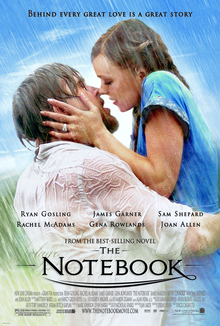

Picking Nits
The home-restoration and engagement timeline; the health of young Noah and Allie's relationship; building and stocking a house for someone unseen in seven years; Allie going off the grid on Lon; the hand-cut arrows and Xerox paper; Lon's convoluted proposal; the $50,000 asking price for the plantation; the abrupt ending; how Noah pays the bills
In the discussion (15)
Approx. transcript time · 01:01:45Read transcript
- Invited to go first, the number one nit, written in caps, is a request to explain the timeline of the home restoration and how long Ali and Lon were engaged. — Amanda Dobbins
- The timeline is laid out: they meet June 6, 1940, Allie at 17 starts Sarah Lawrence that fall and graduates in spring 1944, and she returns to Noah in 1947, since she says she waited seven years, so she has been with Lon about three years.
- Asked what questions remain, meeting at the end of the war in 1944 or 1945 makes sense, and the concern is that we are shown the engagement and then Noah starting work on the house. — Amanda Dobbins
- Perhaps she took a year off to nurse; in the 40s there were about six weeks between engagement and marriage and this woman would have married faster, yet the movie shows the entire restoration, Sam Shepard dying in between, Noah pulling off the facade floorboard by floorboard alone, and his newspaper feature alongside her wedding announcement; even allowing six months for a society wedding, one person cannot renovate a house like that, so the timeline makes no sense.
- Asked for a major nit, there are concerns about early Noah and Allie's relationship and its health. — Andrew Gruttadaro
- The relationship runs on adrenaline and hating Allie's mom; they get into physical fights, hitting each other rather than bickering, which may be meant to communicate passion, though rewatching Big Little Lies prompts a rethink of the link between physical aggression and passion; Noah also gets a personality transplant, barely talking in the second half before transforming back into James Garner.
- Also a nitpick: is it healthy to build an entire house for someone you have not spoken to in seven years and stock it with sketch notebooks, pencils and canvases? Romantic in the movie, weird and stalkery in real life; a beautiful house is one host's love language but the third sketch notebook is intense, a flip-side Mrs. Havisham who was called a madwoman, a double standard, and a Lloyd Dobler problem of movie romance ignoring boundaries; Gosling gets credit for channeling the break with reality it would take.
- Allie going off the grid for two or three days is really rude to lovely Lon and not good behavior, even if you are uncontactable on Seabrook Island in 1947 and Noah's remote house probably has no phone; why Noah never got another friend after Kevin Connolly died is answered with 'once you have E' there are no replacements.
- Two smaller nits: Noah could not have had time to cut so many differently shaped arrows for the painting scene, a two-hour project at most, and the paper looked like straight-up Xerox paper, not 1947-approved; Marsden's proposal is extremely convoluted, the bit about her parents does not land, 'I've asked your parents already' is always hated, and it needed a rewrite.
- Asked for other nits, Noah is only asking $50,000 for the plantation, which in the 1940s is like $500,000 and not enough money; he needs a better understanding of the real estate market and his land. — Andrew Gruttadaro
- Coastal property goes for far more; classic Noah not consulting an expert.
- The movie ends abruptly, panning up from the bed to credits; one host would end on Allie returning to the house and the all-time McAdams shrug, up there with the Jordan shrug, and stops watching there because the extra fifteen minutes of old people are unnecessary, while another starts weeping then because it shows love is real and the hospital plot cannot be left unresolved.
- Netflix quietly used an alternate ending in which the old couple simply go to bed and no nurse finds them dead, which the hosts agree is better; the fifteen-minute epilogue is unneeded even by someone who usually loves an epilogue.
- One host, perhaps cold at heart, has never been moved to tears by this movie despite loving sad things, and thinks the old people ruin it, while the weeping host stands with Craig in the corner valuing love that lasts a lifetime; the abrupt-ending complaint is really a wish for one more young Noah and Allie moment, since her return is no guarantee it works out, although the old-people premise is that it does and their kids come; some are interested in the old-people story and some are not.
- Earlier, during the research, whether Noah's furniture is how he pays the bills was flagged as unknown and parked for picking nits.


