
Stats
- Episodes featuring their films
- 4
- Movies in this archive
- 5
Rewatchables episodes featuring John Hughes’s films
Mentioned in discussions
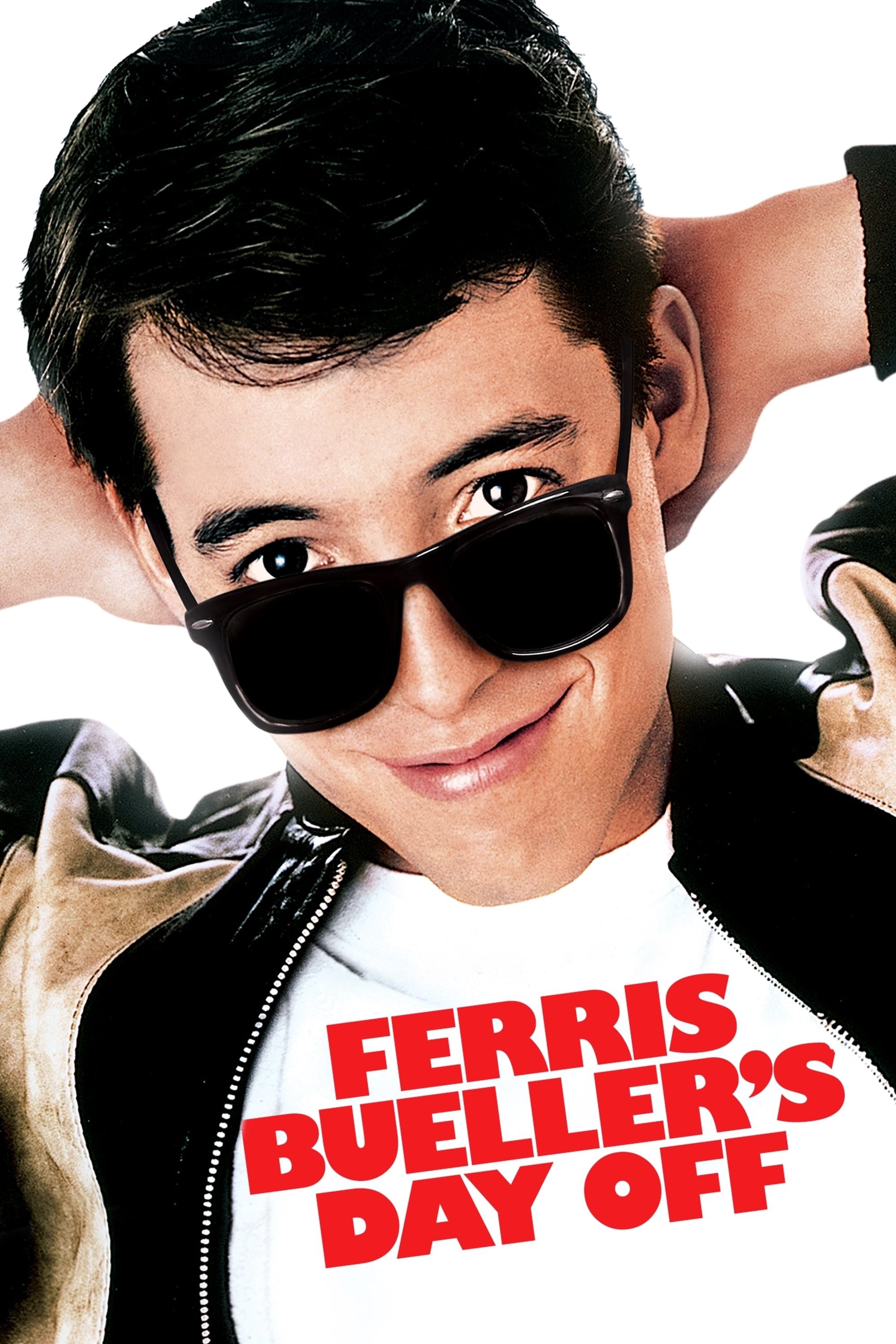

Casting What-Ifs
Emilio Estevez as Cameron; Molly Ringwald as Sloan; John Cusack as Ferris; Bill Paxton as the garage attendant; Paul Gleason as Ed Rooney
In the discussion (9)
- Estevez turned down Cameron; he could have done it, since his Breakfast Club jock has dad problems, but the result with Ruck is preferred.
- Estevez, fresh off Repo Man, would have played a punk-rock version rather than Ruck's Cameron. — Chris Ryan
- Ruck had auditioned for Bender, which would not have worked. — Bill Simmons
- Molly Ringwald wanted to play Sloan; per the hosts, Hughes wanted Mia Sara for her elegance and maturity, and telling Ringwald the part was too small is what you say when you do not want to cast someone. — Bill Simmons
- Hughes had only Broderick in mind; the backup is said to be John Cusack, who got his iconic high schooler as Lloyd Dobler in Say Anything. — Bill Simmons
- Anthony Michael Hall told Vanity Fair his relationship with Hughes ended after Weird Science and believes roles including Ferris were written for him; one host doubts this, another believes it and calls Hughes vindictive. — Bill Simmons
- Bill Paxton was offered the garage attendant, turned it down as too small, regretted it, and was never offered another Hughes role. — Bill Simmons
- Paul Gleason was considered for Ed Rooney; as Dick Vernon he would presumably be on administrative leave after the Breakfast Club detention. — Bill Simmons
- Gleason would have been distracting; Jeffrey Jones's sitcom, Laurel-and-Hardy energy was the right choice over Gleason's A1-asshole energy. — Sean Fennessey

What’s Aged the Worst?
Jeffrey Jones's real-life scandal; the Bryan Ferry Slave to Love poster
In the discussion (3)
- Jeffrey Jones gives a good performance, but the hosts say he later became involved in a child pornography scandal and went to jail. — Bill Simmons
- Ferris's room mostly works as 80s decor, including a Simple Minds Don't You Forget About Me poster a year after The Breakfast Club, which extends Hughes's own universe. — Bill Simmons
- The giant Bryan Ferry Slave to Love poster over Ferris's bed is baffling.
Top Ten List
Top 10 movies of 1984
- Ghostbusters
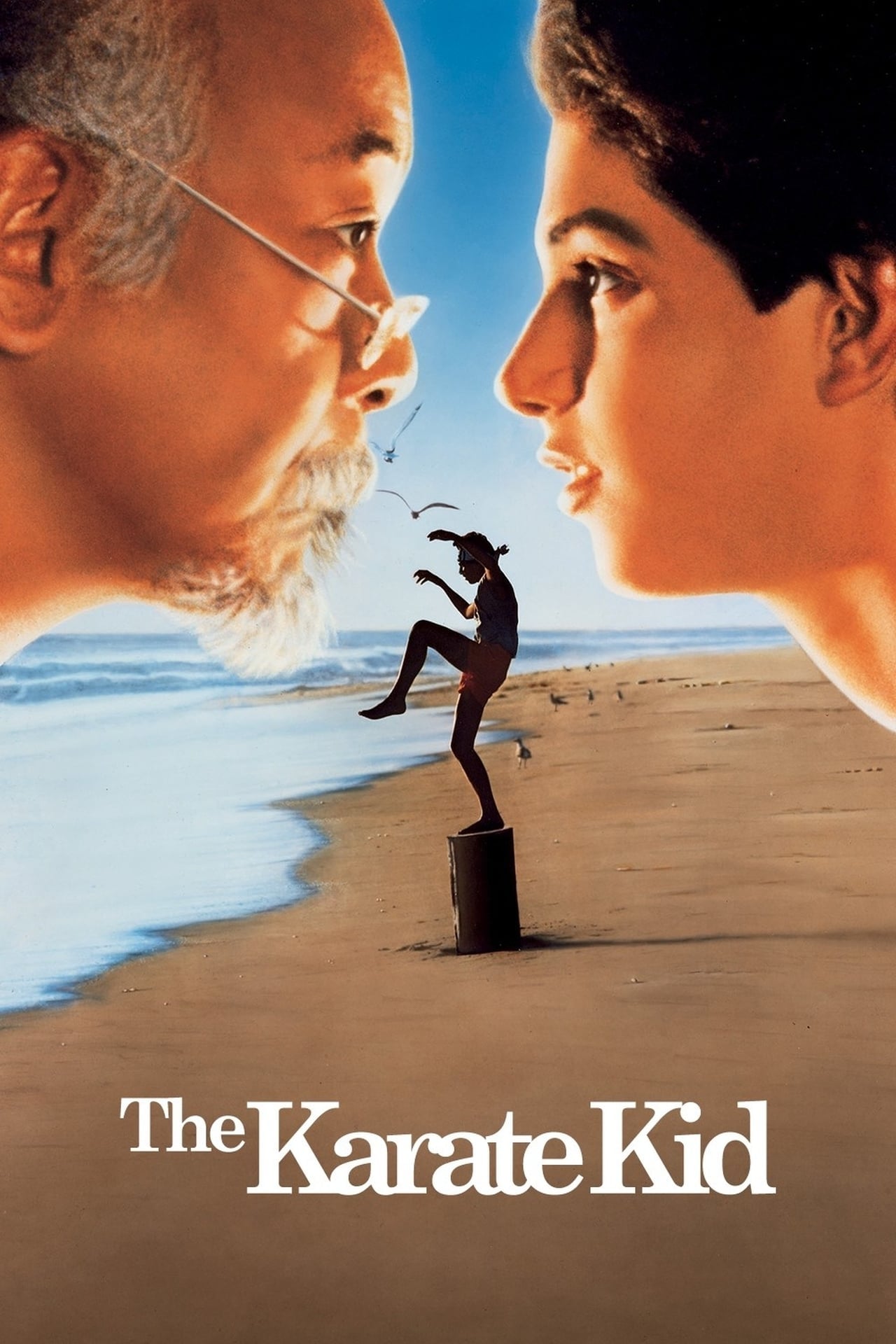
- Indiana Jones and the Temple of Doom
- Gremlins
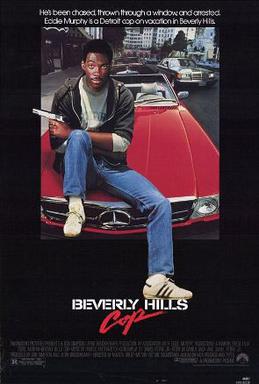
- Beverly Hills Cop
- The Karate Kid
- Police Academy
- Footloose
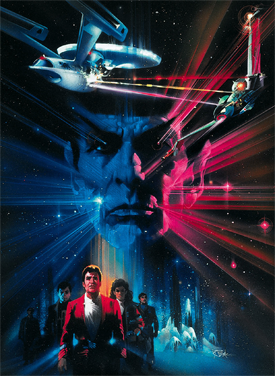
- Star Trek 3
- Romancing the Stone
- Purple Rain





Also mentioned


In the discussion (3)
- The top 10 movies of 1984 are read in this order: Ghostbusters, Indiana Jones and the Temple of Doom, Gremlins, Beverly Hills Cop, The Karate Kid, Police Academy, Footloose, Star Trek 3, Romancing the Stone and Purple Rain. No ordinals or figures are stated. — Bill Simmons
- The next five are given as Terms of Endearment, Splash, a film transcribed as 'Grand Canyon', Tightrope and The Natural. — Bill Simmons
- Beyond the top fifteen the year also had Revenge of the Nerds, Bachelor Party, Friday the 13th Part 4 (called probably the best of that series), 16 Candles as the start of the John Hughes movies, and Scarface, released at the end of 1983 but really an '84 movie; it is called an incredible year. — Bill Simmons
In the discussion (6)
- Molly Ringwald gets a yes. — Bill Simmons
- Judd Nelson gets a yes. — Bill Simmons
- Anthony Michael Hall first gets a no, withdrawn ('let me rephrase that') for a yes - it is his Apex Mountain because it leads to Weird Science - with the Full Metal Jacket missed chance noted. — Bill Simmons
- For Sheedy, St. Elmo's Fire is named as the peak for her and Estevez, though she is good in High Art and Bad Boys.
- Hughes's peak is Ferris Bueller; Gleason's Trading Places is called pretty strong. — Bill Simmons
- Ringwald's three Hughes films are seen as one work and her stardom as brief but important; Fresh Horses cost her momentum, while Betsy's Wedding is said to hold up. — Wesley Morris
Half-Assed Internet Research
Maine North High School location; built library set; shared Ferris Bueller location; 150-minute director's cut; deleted scenes; Hall's growth spurt; Don't You Forget About Me origin; Parmesan-cheese dandruff; Carl as Man of the Year
In the discussion (13)
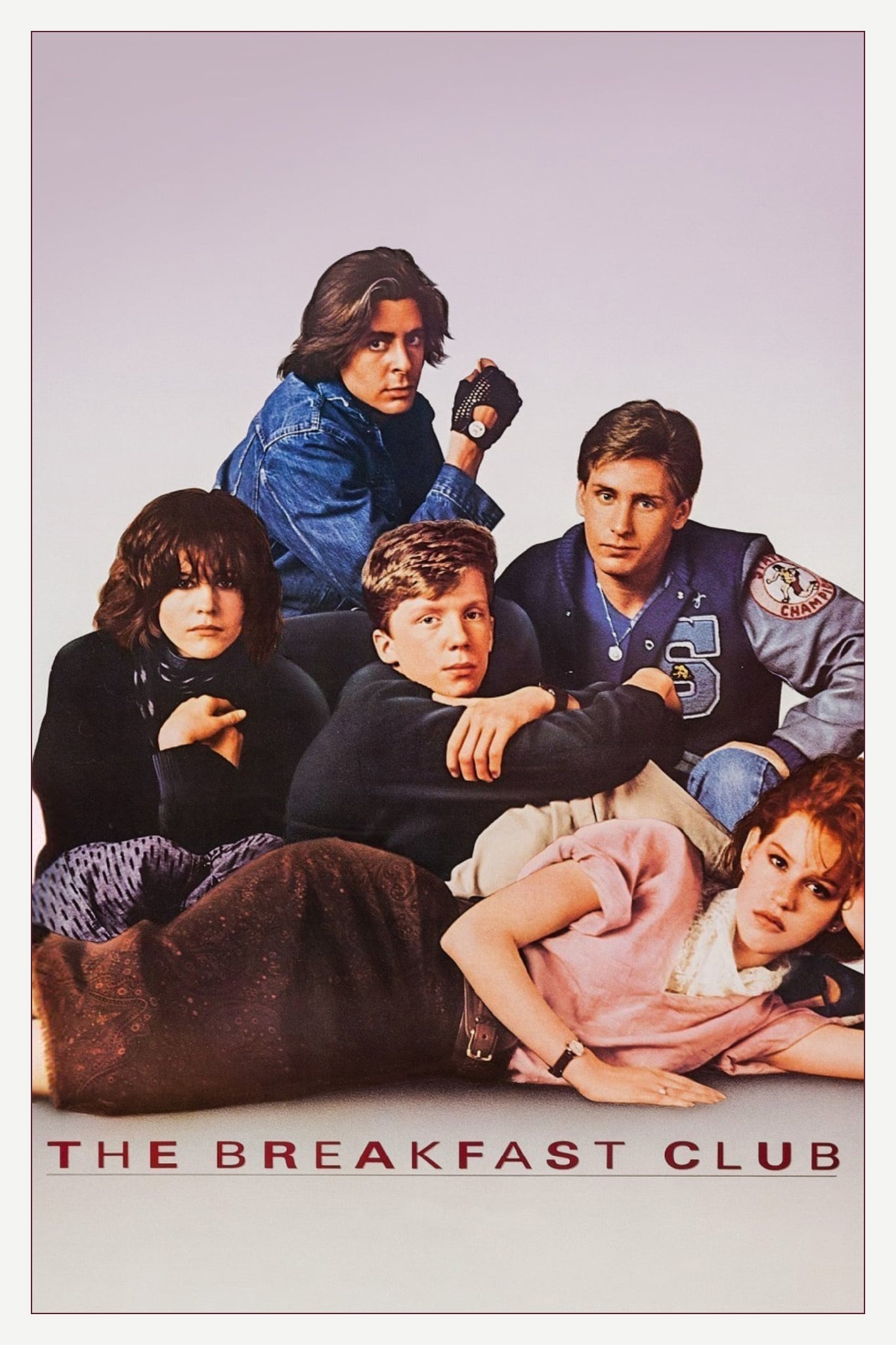
- Filming took place at Maine North High School in Illinois, already closed, with the library built as a set. — Bill Simmons
- The research says Bender's flinch at Vernon's fake punch was genuine. — Bill Simmons
- The same location served Ferris Bueller's Day Off, and the research says Hughes shot the two concurrently to save time and money. — Bill Simmons
- As read on air, Hughes was disappointed that Nelson stayed in character and tormented Ringwald off camera, and considered firing him until other cast members intervened. — Bill Simmons
- At a 25th-anniversary reunion Sheedy is said to have revealed a 150-minute director's cut, held by Hughes's widow, with deleted scenes including a dream sequence where Sheedy falls asleep and a steamier Claire-Bender scene; the hosts call them good cuts. — Bill Simmons
- Vernon is said to be based on a teacher and wrestling coach Hughes had in high school. — Bill Simmons
- Anthony Michael Hall reportedly grew about two inches during the in-sequence shoot. — Bill Simmons
- A scripted scene of Vernon and Carl spying on a teacher swimming naked was cut after Ringwald pushed to remove it. — Bill Simmons
- The songwriter approached for the soundtrack wrote 'Don't You Forget About Me' inspired by Brian's will-we-still-be-friends question; Bryan Ferry was approached before Simple Minds recorded it, and it became their most famous song, unlike their other work. — Bill Simmons
- The hosts relay a story that the actor playing Carl clashed with Estevez after a remark about Martin Sheen's heart attack while Estevez and Nelson tried to make him laugh. — Bill Simmons
- Allison's dandruff was Parmesan cheese.
- The flare-gun damage is visible on Brian's locker early on, and Carl appears as Man of the Year. — Bill Simmons
- A deleted Carl scene predicted the five kids' futures 30 years on, and was cut. — Bill Simmons
Casting What-Ifs
Ringwald originally for Allison; Robin Wright, Jodie Foster and Laura Dern for Claire; Estevez, Nicolas Cage and John Cusack for Bender; Tom Cruise for Andrew; Rick Moranis for Carl; Anthony Michael Hall offered Full Metal Jacket
In the discussion (8)
- The hosts say Ringwald was meant to play Allison but wanted Claire, and Hughes initially resisted because it was close to her Sixteen Candles role; switching would have broken her persona. — Bill Simmons
- Robin Wright, Foster and Laura Dern are named as auditioning for Claire; Wright is judged too beautiful for the part. — Wesley Morris
- As the hosts relay Ringwald's account, Hughes wrote Sixteen Candles around her headshot, and their mentor relationship changed after she began dating Anthony Michael Hall during this film. — Bill Simmons
- Estevez was originally to be Bender but switched when Hughes couldn't find an Andrew; Tom Cruise was unavailable and is called perfect for it.
- Nicolas Cage was considered for Bender and is judged too much.
- John Cusack was originally cast as Bender and replaced by Nelson for not being threatening enough; it would be a totally different, more sensitive film.
- Rick Moranis was originally cast as the janitor and left over creative differences.
- Anthony Michael Hall was offered the lead in Full Metal Jacket before Matthew Modine and withdrew after negotiations with the director. — Bill Simmons
What’s Aged the Worst?
Bowie opening quote; Bender joining the dance; Bender's crotch move; Bender's bullying and locker slur; thin writing for Claire and Allison; Allison's nymphomaniac lie; boredom
In the discussion (10)
- The David Bowie opening quote is offered, with one host admitting it was his yearbook quote; another doesn't recall having one. — Bill Simmons
- The window-breaking scene is raised, with a claim that Hughes called it his biggest regret, but deferred to later. — Bill Simmons
- Bender would not join the dance under any circumstances; the hosts say Ringwald was supposed to dance alone and felt uncomfortable, so the group choreography was added.
- Bender trying to stick his head in Claire's crotch would not fly in 2020. — Bill Simmons
- Bender is called genuinely mean, even a sociopath, with a homophobic slur written on his locker among the first images. — Bill Simmons
- A remake would scale Bender back or strengthen Claire and Allison, whose writing is thin; Allison doesn't speak until about 45 minutes in. — Bill Simmons
- The made-up nymphomaniac claim is unrealistic, though teen lies were unprovable then, as in jokes about hanging out with Dwight Gooden or Walter Payton before Instagram.
- Ringwald's New Yorker piece is recommended as a thoughtful look at showing the film to her kids, her relationship to Hughes, and what to do with flawed work, including jokes the hosts describe as racist and sexist. — Wesley Morris
- Sixteen Candles is called more problematic; one host watched these with his kids and says they must be judged in the context of the decade, wanting his daughter to see what 1985 was like. — Bill Simmons
- Boredom has aged worst: the kids could just pick up a book in a library, and the only book they touch is the Moliere they destroy. — Wesley Morris

Apex Mountain
Terry Garr; the concept of a Mr. Mom
In the discussion (2)
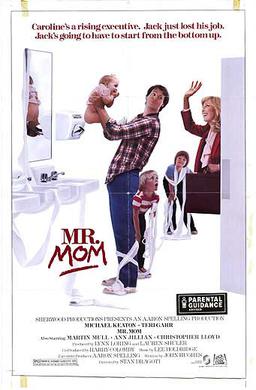
- Terry Garr is a yes despite not being good here, because the Tootsie, Mr. Mom and Letterman combination is her apex; Keaton is a no, Martin Mull probably not, and John Hughes a no.
- The concept of a Mr. Mom is probably at its apex here because the film created it; Detroit as a movie city is not, since Gung Ho and Beverly Hills Cop came a year later.
Half-Assed Internet Research
Producer Laura Shuler Donner (as transcribed) met John Hughes after reading his National Lampoon article and his story of a disastrous stretch looking after his two kids; Hughes brought in Aaron Spelling from his TV deal; Universal dumped Hughes for working in Chicago and had others rewrite the script; Spelling said he made it to have a film to take his kids to; Keaton turned down Splash for Mr. Mom
In the discussion (4)
- Producer Laura Shuler Donner (as transcribed), then at Motown Productions, read a National Lampoon article by John Hughes, kept in touch, and in a meeting he described a disastrous experience looking after his two children while his wife was away; she found it hilarious and they started working on the script.
- Hughes had a TV deal with Aaron Spelling and brought him in as producer; Universal dumped Hughes because he worked in Chicago rather than LA and brought in other writers, and his script was apparently better, which the hosts believe.
- Aaron Spelling's stated reason for making the movie was that he could not find a film suitable to take his kids to; a host doubts it, noting his kids were cut out of his estate.
- Earlier, stepping on the category: Keaton turned down Splash to do Mr. Mom.

Probably Unanswerable Questions
What was Lee High School's 1976 football record? Did Randy Floyd play? Who did Randy Floyd take to the senior prom? Why didn't Jason London have a bigger career? How good was that Aerosmith concert?
In the discussion (7)
- Lee High School's 1976 record is guessed at 9-3 or 10-3: not going to state, but in the mix after making the tournament in the last week; the program was big enough for a real football coach with coordinators and a player personnel liaison pushing the oath, but not Friday Night Lights-level national emergency stakes.
- Randy Floyd is believed to have played, since he came back; his senior prom date was probably Joey Lauren Adams, unless they broke up over Jodie making a move, though monogamy was fluid and Jodie irresistible; Joey Lauren Adams was so drunk the night she and Parker Posey fell down together that she may never have gotten that information.
- Why Jason London did not have a bigger career: he is a cipher, fine in an important part but not someone you leave wanting to see more of; being great in a high school movie does not translate to playing people in their 20s or 30s, since those parts let you play a type with your own personality without being an antihero, so many John Hughes and Dazed actors never had huge careers.
- A counter: one host's wife loves Randy Pink Floyd, character and actor alike, says she is not alone and did not understand why he lacked a bigger career, and the host adds a call for justice for Pink; in the movie he was a game manager like Ryan Tannehill, never asked to do too much though he is the thread to everyone, after earlier comparisons to Fran Tarkenton and Johnny Manziel.
- Hypotheticals of a better actor as Pink: Mark Wahlberg as a Texas quarterback would have given Randy Pink Floyd an edge in the woods; Leo, in the perfect age range, would have been great but would have overpowered the movie and made it about Pink, and part of the film's perfection is that so many of its actors never went on to sully it with later fame; still, it is argued that it is a better movie with Leo in it and they win if Leo is in it.
- How good was that Aerosmith concert: 1976 was two months after Rocks came out and the band was headed to the Cotton Bowl, so it would have been awesome; research confirmed Aerosmith played Texas three times that year, so Linklater must have checked, and the Back in the Saddle era explains the obsession with tickets.
- 1976 was a top-four music year with many artists at the music version of Apex Mountain, and concerts mattered because they were the only way to see anything; much popular music, like Stevie Wonder and funk, is absent because the setting is Texas; the cars probably had 8-tracks rather than cassettes, which is what the imagined ZZ Top record would have played on.
Films in the archive
Ferris Bueller's Day Off
1986




Planes, Trains and Automobiles
1987

Sixteen Candles
1984
The Breakfast Club
1985

Weird Science
1985