An initial guess of three out of four is corrected to three and a half stars.
The review is quoted as calling the film much more ambitious and successful than expected, a comedy with the heart of truth, a tear in the eye along with the belly laugh, funny and adding up to something. — Bill Simmons
Craig is teased that he just doesn't have a soul, said to echo an earlier CR take. — Bill Simmons
There are arguably three movies (the military-government thriller, Connery's and Cage's), but by the Judd Nelson standard Ed Harris is in a completely different movie because he takes it so seriously. — Chris Ryan
Pushback that the core three were praised all along draws the reply that Harris is liked, just in a different movie, unlike Gene Hackman's quirks in Crimson Tide.
Counterpoint: an obvious villain would make a different film; the story rests on the bluff, which Connery reads ("he's a soldier, he's not a madman"). — Mina Kimes
The core three are rated more like Westbrook, Beale and Bertons, with a Chris Bosch comparison retracted, while Harris is called amazing. — Mina Kimes
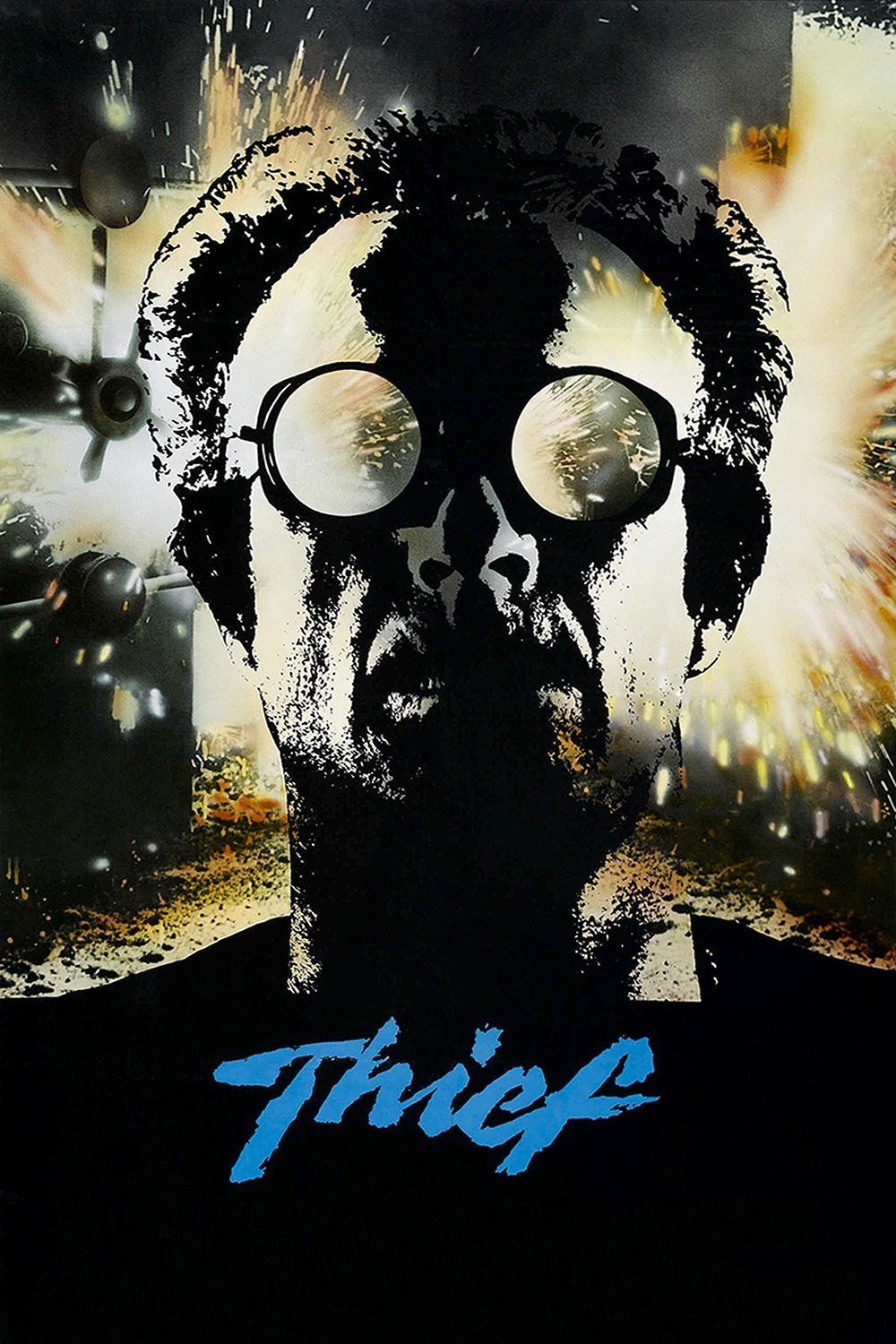
First pick: Caan going to the plating company to demand his $185,000 within three hours; it is the first time Farina is seen, and the eight horrified 1981 office workers are a highlight. — Bill Simmons
A joke that Chris used to enter the office the same way, moving the chair to see what was on the desk.
Willie Nelson's big prison scene is complicated but fascinating, an intense staring contest with the faces a foot apart; Mann seems to have few friends but insanely intense connections with the ones he has.
The Nelson scene is not obviously working at first but pays off with "I don't want to die in here, Frank"; his line readings are sometimes odd, but his open, empathetic face makes it work.
Willie Nelson on Frank's postcard collage is briefly puzzling on a rewatch until you remember he is Frank's best friend. — Chris Ryan
Praski's (Prosky's) first scene: his first movie at 51, dressed like a grandfather in a golf shirt tucked into pressed slacks. — Bill Simmons
Mann auditioned dozens of New York actors for Leo; Bruckheimer advised that the right person had not walked in the room yet, and Prosky, a theater actor, was found, leading to a That Guy career. — Bill Simmons
Peak Prosky is this role: an avuncular, warm, familial sensibility with pure evil right under the surface. — Sean Fennessey
The Natural is raised as close but too evil; later roles such as Last Action Hero and Mrs. Doubtfire made him the favorite uncle. — Sean Fennessey
Caan lays out what he won't steal: just diamonds and cash, no coin collections. — Bill Simmons
The diner monologue is the reason for the episode after it was caught while flipping channels and texted to Chris; it is called the best moment of Caan's career, better than any Godfather moment, laying out the character's spine in four minutes. — Bill Simmons
It is called a favorite first date in movie history: Caan is two hours late, they scream at each other on the drive, and he tells a woman he just met about his prison fight with Morphus. — Bill Simmons
Caan called it the scene he was most proud of; it was filmed at a Howard Johnson's in Illinois that Mann had a connection to, and the wide shot is Heat DNA, though Heat never shows the two men together. — Bill Simmons
An amazing piece of filmmaking; the underrated part is the car speech before the diner, two people who have looked at each other for eight months cutting out the games. — Sean Fennessey
Caan cracking the love affair like a safe ("cut the mini moves and the bullshit and get on with this big romance") while being impatient with the woman he plans to marry is hilarious. — Sean Fennessey
One-last-job movies raise the question of why not ask her out after the job; the woman complicating the last job is a Mann recurring thing. — Chris Ryan
Mann's top restaurants are ranked: diner, Chinese restaurant, Musso and Frank-style steakhouse, a close-booth place like Dan Tana's, and hibachi for the glimmering blades. — Chris Ryan
The Chinese-restaurant waiter gives a borderline Dion Waiters performance and is nicknamed David. — Bill Simmons
The elevator-shaft scene is weirdly harrowing and shows Mann's precision; it is liked more than the safe crack, though the opening keyhole-camera drilling sequence is great. — Sean Fennessey
A first-time viewer at home was riveted by the talking but hid behind an iPad during the drilling; Fincher's Panic Room is imagined as a response to Thief. — Sean Fennessey
Prosky lays down the law in an incredible monologue ("I run you", whacking out the whole family, wimpy burgers), shot upside down from Frank's POV, ending with Belushi dropped in acid. — Bill Simmons
Belushi's death scene could have used another minute of setup. — Bill Simmons
The ending is fun to watch but has issues: it hinges on Attaglia getting a glass of milk, Mann's written ending reunited Frank with Jessie, and seeing the girlfriend again would have been more satisfying.
Burning the postcard reads as Frank giving up the idea that he could be happy or emotionally available. — Chris Ryan
Biggest nit here: he should have gone back in the house and stolen things, though sparing Leo's wife is a purposeful choice by a man with a samurai code.
Mann repeatedly sends the wife packing, as in a two-part season-one Miami Vice episode and Heat's walk-away with Amy Brenneman in the car, which is called weird given the question of whether Mann himself hasn't been married to the same woman for about 50 years.
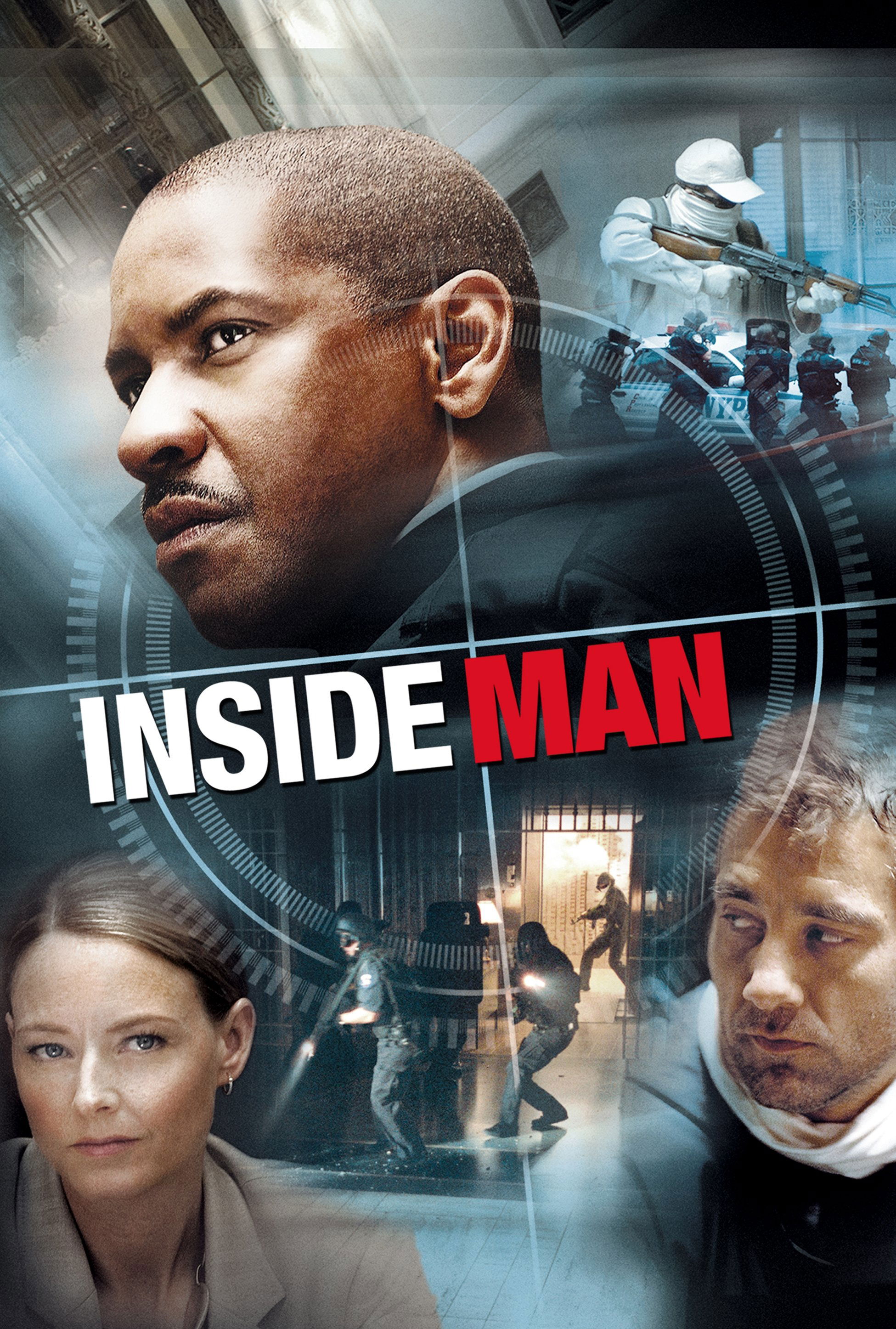
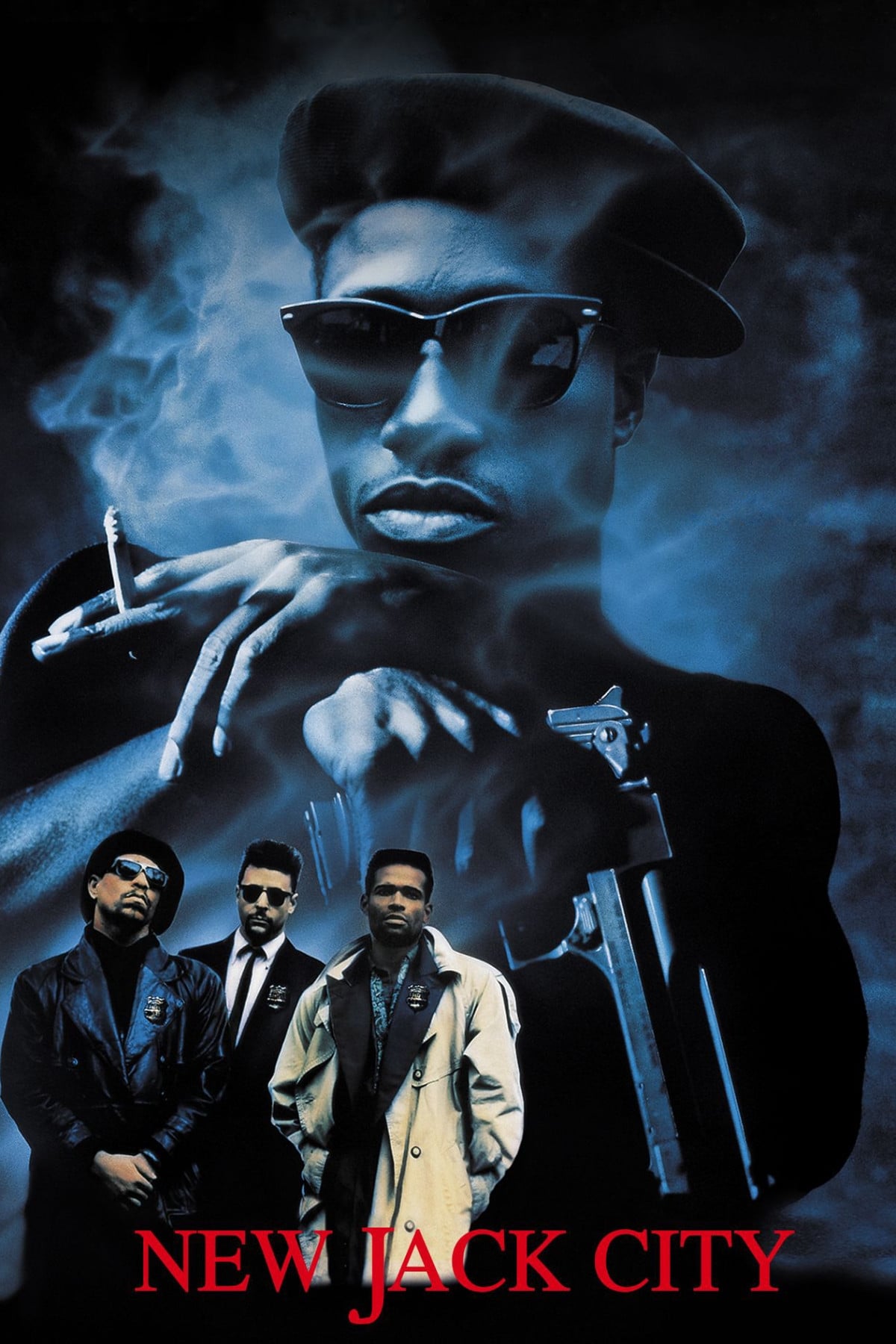
A new award launched the week before on New Jack City: the Judd Nelson Award for someone who is clearly in another movie; Chris was there and Sean was not.
William Defoe seems to be in a completely different movie, generic and giving nothing interesting to say despite being a multi-Oscar nominee, like an old Law & Order episode.
A partial dissent enjoys Defoe being given nothing to do, while noting his odd introduction as a jerk to Denzel followed quickly by an apology.
Per the internet research, Spike and Defoe met in a men's room during an intermission of a Julius Caesar production with Denzel and agreed to work together, so Defoe feels shoehorned in, mainly setting up jokes.
Judd Nelson's New Jack City performance was the model, and Defoe is called a good first winner.
Chris Ryan joins for a cameo, credited as a reason the podcast started and a lover of this movie. — Bill Simmons
A new category is introduced, the Judd Nelson Award, for anyone who seems to be in a completely different movie than everyone else. — Bill Simmons
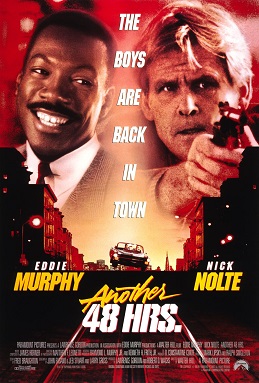
Nick Peretti is one of the all-time great jarhead cops, essentially John Bender as a narc; as a child this seemed the apex of undercover cops, so Pacino in Serpico seemed to bite Nelson's style. — Chris Ryan
Everyone asks what Judd Nelson is doing in this movie; the performance is a Russian nesting doll, with a favorite moment when he turns into a William Faulkner-style storyteller while drinking with Scotty after Pookie dies.
He is a weird racist ally who calls Scotty high yellow and lies on his bed in boots, yet kills someone for Scotty at the end; possibly made unlikable so he could be redeemed.
He delivers the key line that drugs are not a black or white thing but a death thing; the role feels like it could have been added in reshoots. — Van Lathan
Johnny Depp was sought but too expensive; it was a comeback role for Nelson.
Peretti is either divorced or just out of a long relationship with a high school sweetheart, and lives in New York. — Chris Ryan
Imagined backstory: a cold-water apartment in Brooklyn, early retirement to fund an independent hip-hop label, an estranged daughter as an unfilmed deleted scene, and kinship with Jonah and Chelsea Peretti.
His introduction in untied boots and baggy jeans homages John Bender, and firing his gun in the man's house is baffling.
Making him literally John Bender would be amazing, with a sequel where Emilio Estevez's Andrew runs an HGH ring.
If Nelson had been going through a substance problem during filming, the performance would make the same sense. — Chris Ryan
He smiles at odd moments; the theory is he read the script and played a Martin Riggs type hoping for a Lethal Weapon-style spin-off with Ice T. — Bill Simmons
John is supposed to be 10 but feels like 13; 10-year-old boys are not that resilient and worldly.
Sarah being 18 in 1984 as a waitress with her own place seems a reach. — Chris Ryan
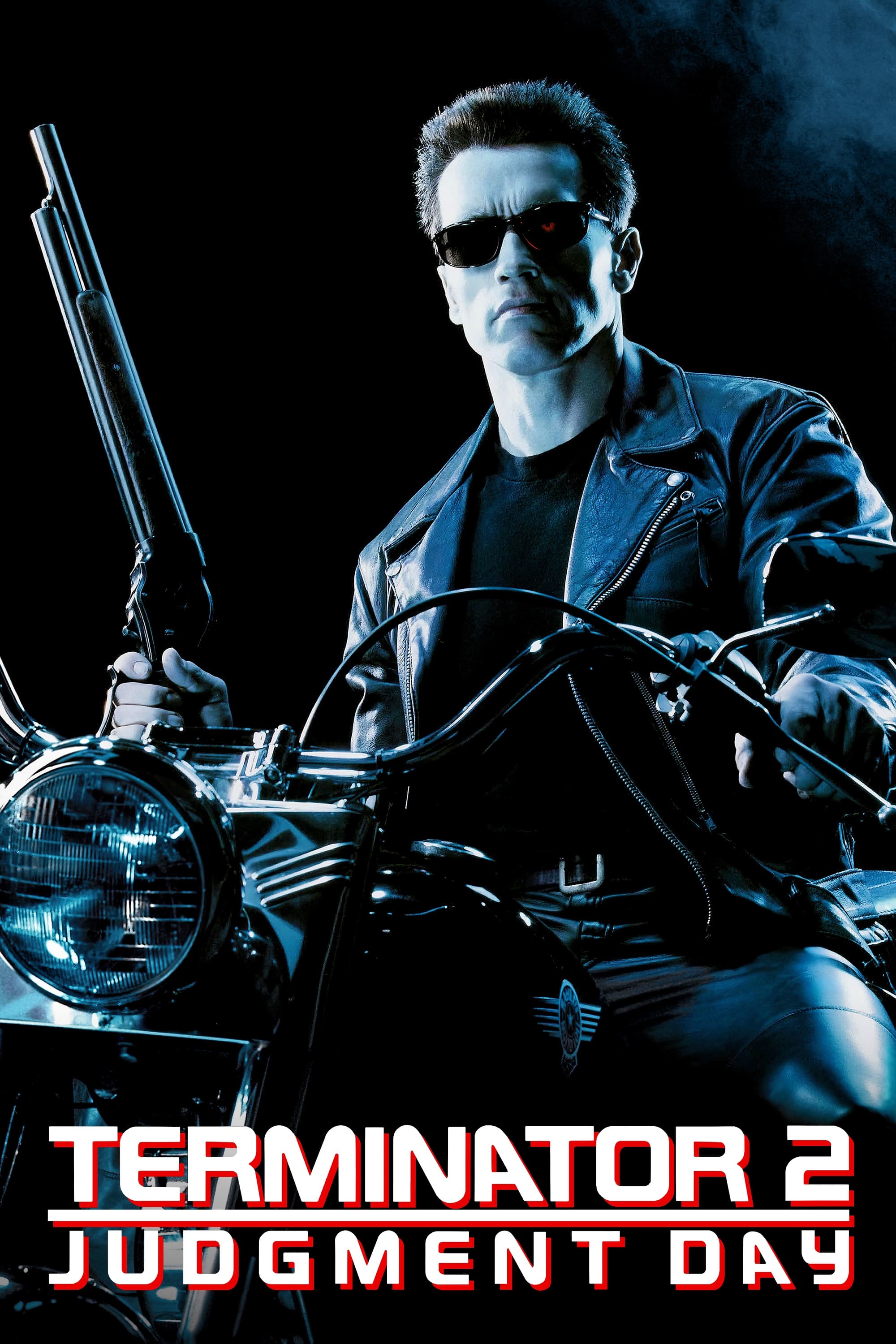
Why not send 25 people back to protect John? Rebutted: Cameron framed a Western of good gunfighter versus bad gunfighter, the film never opens up timeline logic, and it should just be enjoyed; the rebuttal is dubbed purist Chris Ryan.
No cops died in the Cyberdyne shootout, with Arnold's scan reading zero human casualties. — Bill Simmons
The Terminator movies may have invented the first-person-shooter view. — Bill Simmons
If Arnold can't self-terminate, why would he let Sarah Connor terminate him, and was his mission to protect John for life or only from the T-1000? He could have faked looking away and been shoved in.
DiCaprio as John would work by making him 13 and nudging the war to 2000, countered that the first film fixed the date.
Michael Biehn as the T-1000, out of respect for an under-appreciated glue-guy actor who was the hero of the first film and was off shooting Tombstone while everyone returned.
The pick is called porn for Chris, president of the Biehn fan club, and Biehn's appearance in The Mandalorian is celebrated.
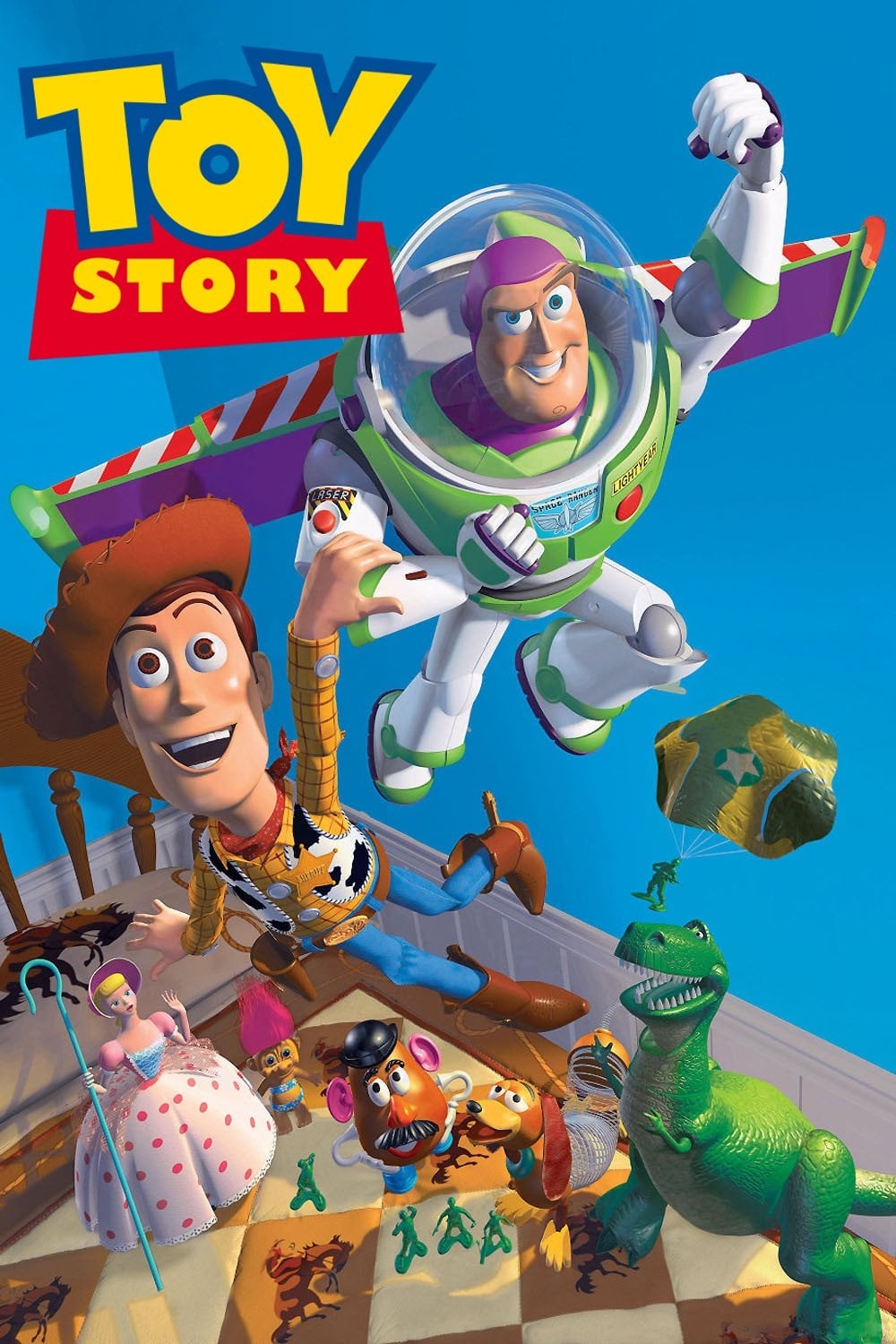
It was the first animated movie nominated for Best Original Screenplay, prompting an "Eat shit, Chris Ryan" joke. — Sean Fennessey
Sid Phillips is said to be inspired by a former Pixar employee with the same last name who took apart toys to build bizarre creations. — Sean Fennessey
Hanks recorded during breaks of Sleepless in Seattle and A League of Their Own but not Philadelphia or Forrest Gump, avoiding comedy amid serious roles. — Sean Fennessey
Sid's carpet shares the Overlook Hotel's hexagonal pattern from The Shining. — Sean Fennessey
Hasbro refused the G.I. Joe name for a toy Sid blows up, so it became Combat Carl; the toolbox trapping Woody is a Binford, as on Tim Allen's sitcom. — Sean Fennessey
Toy Story employed 110 people in full production versus 800 for The Lion King. — Sean Fennessey
Disney pushed for a musical; Lasseter wanted a buddy comedy, and the compromise was songs at key moments not sung by characters; Pixar's first musical came with Coco 22 years later. — Sean Fennessey
The shark's "Look, I'm Woody. Howdy, howdy" references a Far Side strip with a cowboy-eating vulture. — Sean Fennessey
An early possible title was You Are a Toy, and Buzz was originally Lunar Larry; he is named after Buzz Aldrin. — Sean Fennessey
The Luxo Jr. lamp that became Pixar's logo sits on Andy's desk. — Sean Fennessey
The internet is full of such trivia; a Harry and the Hendersons homage in the fourth minute is thrown out loosely. — Sean Fennessey
Everyone is in the movie too much to qualify, leaving parents and waiters; the host suggests shifting to who stole the movie, as Chris Ryan proposed last time. — Bill Simmons
Under "who stole the movie", Raul wins, but he is in it too much to be eligible for the Dion Waiters. — Bill Simmons
The principal played by Courtney B. Vance is offered, accepted as fair since he is in only about four scenes. — Van Lathan
The principal is called one of the most vile movie characters, the "whisper daddy" focused on procedure, whose apathy basically gets a kid killed. — Van Lathan
The sports-scene flex proposes 49ers connections: George Seifert, practice with Young or Montana, Gus losing bets, or Catherine’s former lover Jerry Rice being interviewed. — Bill Simmons
Chris’s Vincent Chase flex questions Frank’s lyrics, musicianship, betrayal of a bandmate and contribution to the disastrous artistic direction; his class affectation is also mocked.
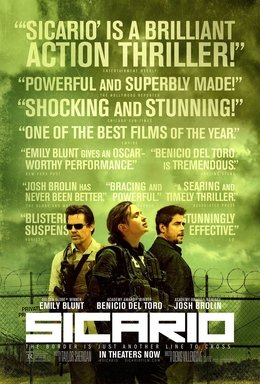
Chris explicitly selects the Okay Motherfucker flex and describes seven escalation beats around the border operation: Cartagena, folding the jacket, trucks over bumps, spotter warning, drawing weapons, gun warning and shooting. — Chris Ryan
Chris explicitly selects the Rick Trichet guard-death flex for the train driver forced toward the tank, imagining the forgotten bystander’s life. — Chris Ryan