
Film credit
Tupac Shakur
Also referred to as Tupac
Stats
- Episodes featuring their films
- 2
- Movies in this archive
- 2
Rewatchables episodes featuring Tupac Shakur’s films
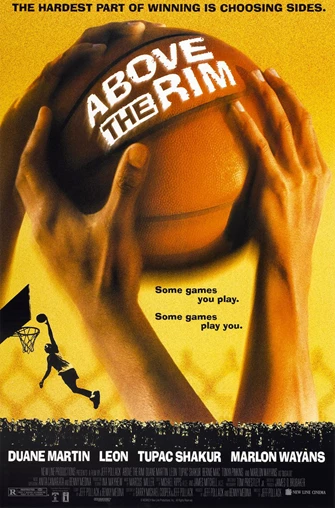
Mentioned in discussions


Half-Assed Internet Research
Tupac’s bruising shoot, Jermaine Hopkins’s wound, the censored poster, method acting, Dickerson’s source interviews, an accidental blank injury, Omar Epps’s music and DJ work, two memorial dedications, and the added ending announcement
In the discussion (11)
- An Entertainment Weekly report describes Tupac complaining that padding failed while gang actors repeatedly kicked him for a scene. — Bill Simmons
- Jermaine Hopkins concealed that he was recovering from a gunshot wound by calling it a football injury. — Bill Simmons
- Paramount airbrushed Tupac’s gun from the poster because it feared accusations that Black films incited violence. — Bill Simmons
- Tupac sometimes asked people to call him Bishop while preparing intense scenes. — Bill Simmons
- Omar Epps learned to spin records well enough that the DJ scenes could be filmed authentically. — Bill Simmons
- Dickerson developed the story by interviewing his cousin’s friends and recording their best stories. — Bill Simmons
- The gang performer was accidentally struck in the neck by a blank, leaving a visible powder burn. — Bill Simmons
- Omar Epps had a group called Vision whose music led to touring with Queen Latifah after the film. — Wosny Lambre
- The actors revised dated script slang into their own vernacular, increasing the film’s authenticity. — Wosny Lambre
- The ending dedication remembers Dickerson’s fiancée Janet and production assistant Tamu, who were both killed. — Bill Simmons
- A DJ announcement was added during test screenings to show that Q’s mixtape was being played and his career was advancing. — Bill Simmons

The Ruffalo / Hanna / Rubinek / Partridge Overacting Award
The leader of the Puerto Rican gang
In the discussion (3)
- The gang leader wins because the panel cannot understand the extreme manner chosen for the performance. — Wosny Lambre
- Tupac is floated as an alternate because he pushes several scenes above ordinary intensity. — Wosny Lambre
- Behind-the-scenes footage showing the gang performer acting normally confirms that the movie performance was a deliberate choice.
Casting What-Ifs
Darrell Mitchell, Treach, Money-B, and Donald Faison auditioned for Bishop before Tupac won the role; Cindy Herron was cast because Dickerson admired her.
This discussion recalls a choice from an earlier episode.
In the discussion (5)
- The production sought unknown actors. — Bill Simmons
- Darrell Mitchell, Tretch, Money-B, and Donald Faison auditioned unsuccessfully for Bishop. — Bill Simmons
- Tupac came with Money-B and either volunteered to read or was invited by Dickerson, depending on the account. — Bill Simmons
- After fifteen minutes of preparation, Tupac’s reading won the role. — Bill Simmons
- Dickerson cast Cindy Herron because he had a crush on her from En Vogue. — Bill Simmons

Most Rewatchable Scene
The DJ competition; the robbery; the Mix Master scene; the gun scene; the locker confrontation
In the discussion (15)
- The opening efficiently distinguishes the four boys through their rooms, families, and morning routines.
- The spinning-record credits and Def Jam record establish the film’s hip-hop specificity before the story begins. — Wosny Lambre
- The record-store theft stays in the story’s lighter first half and uses Q’s flirtation as the distraction. — Wosny Lambre
- Bishop’s juice speech is praised for the physical intensity and poetic language of Tupac’s performance.
- Steele cooking for the group makes him the nurturing and innocent member before the friendship fractures. — Wosny Lambre
- The DJ semifinal makes turntablism feel like Q’s credible route out, aided by Omar Epps learning the craft.
- The police interrogation sharply cuts from an officer’s reassurance to Q explaining why three Black boys would still be nervous. — Bill Simmons
- The gun introduction centers the weapon in the frame and marks the moment power shifts to Bishop. — Wosny Lambre
- The Blizzard robbery shows how quickly the group moves from refusing crime to making the same kind of choice. — Van Lathan
- Blizzard casually greets Q and then announces the robbery, giving the scene dark comic force.
- The final chase and roof climax carry substantial drama and connect to a wider run of New York roof scenes. — Van Lathan
- The original ending had Bishop release Q’s hand and choose death; test audiences forced a replacement ending that the panel considers worse. — Bill Simmons
- One participant chooses the Mix Master semifinal and says the scene could continue for another twenty minutes. — Bill Simmons
- Another participant chooses the robbery scene because its lines became repeatedly quoted at home. — Van Lathan
- The final participant names the Mix Master scene, the gun scene, and the locker confrontation as choices, then emphasizes the locker confrontation as possibly Tupac’s greatest acting scene. — Van Lathan
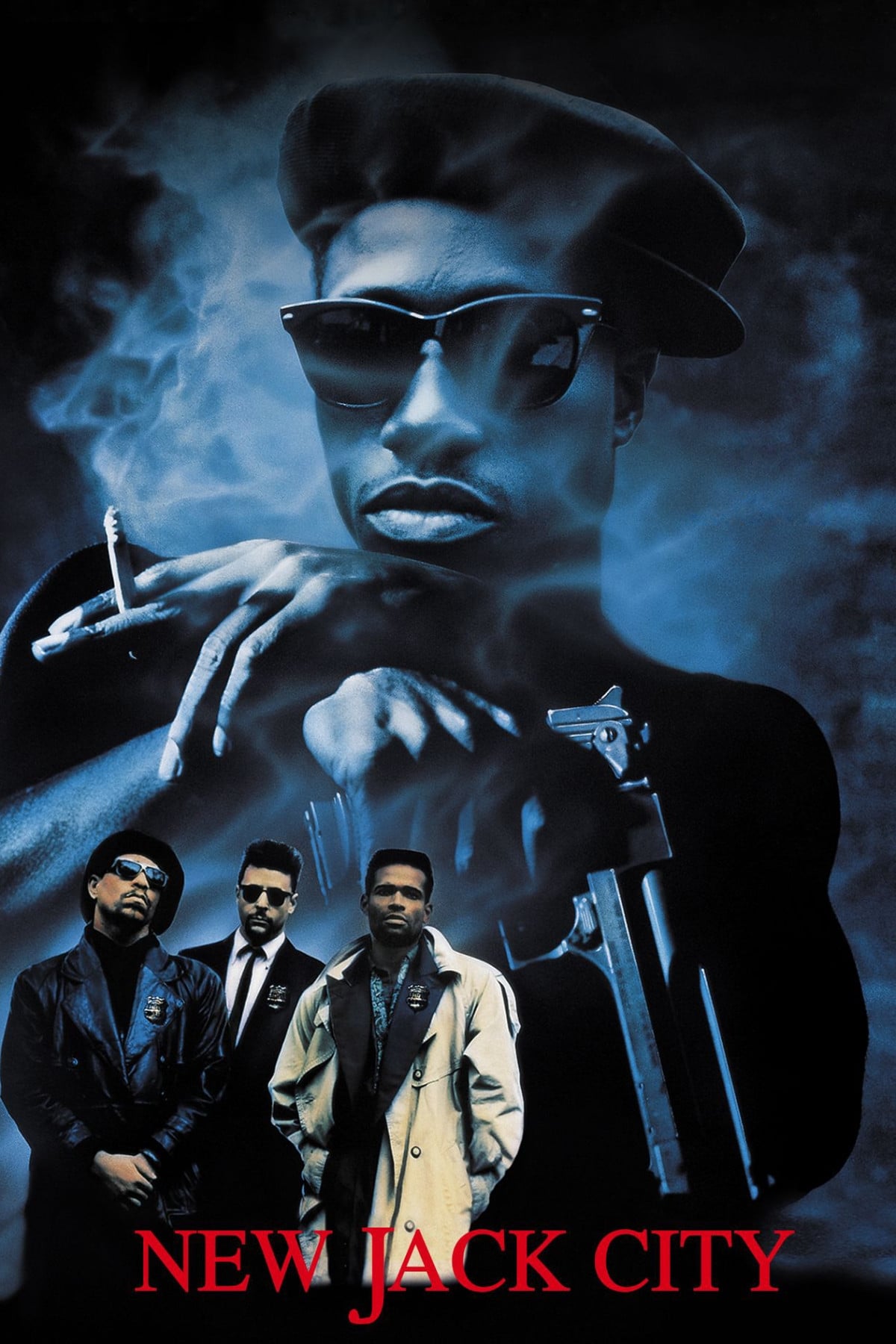
Casting What-Ifs
Martin Lawrence as Pookie; Oran "Juice" Jones as G Money; Tupac Shakur as G Money; Vivica A. Fox; Michael Wright; Vanessa Williams
In the discussion (9)
- The best what-if was already mentioned: Martin Lawrence was cast as Pookie and had the job; one view says he would have been better than Chris Rock. — Bill Simmons
- According to writer Cooper, Martin Lawrence opted out after his mentor Robin Harris died, and Chris Rock was the backup. — Bill Simmons
- A garbled passage concerns someone turning down Ice T's part; Michael Wright is named and would have killed the part, reuniting later for Sugar Hill. — Bill Simmons
- Vibica A. Fox (transcribed form) auditioned for Selina and Keisha but did a 90210 episode that year instead; she would have been great as Keisha, as Set It Off showed.
- The Vanessa Williams married to Rick Fox would have been a great girlfriend for Nino. — Logan Murdock
- Allen Payne was a replacement: Orange Juice Jones was cast as G Money, filmed scenes and was fired, per research; his "Walking in the Rain" is called very 80s. — Van Lathan
- Tupac Shakur auditioned for G Money but was judged too young-looking to have grown up with Snipes. — Bill Simmons
- Tupac could be both aggressive and vulnerable, as Birdie in Above the Rim; it would have been interesting, though Allen Payne was perfect. — Van Lathan
- A case that Tupac should have been cast, rewritten as the best friend's younger brother, and would have been better. — Bill Simmons

Casting What-Ifs
Tupac Shakur as Malik
In the discussion (7)
- Tupac Shakur was cast as Malik before a jail sentence forced a last-minute replacement. — Bill Simmons
- His screen presence is argued to have added anger, intensity, and different chemistry throughout Malik's story.
- Leonardo DiCaprio is discussed as a rumored Remy candidate, with conflicting explanations for why it did not happen. — Bill Simmons
- Vivica A. Fox was considered for the Deja role and is preferred to the final casting.
- Gwyneth Paltrow and Juliette Lewis are reported as early possibilities for the Kristen and Taryn roles. — Wesley Morris
- Sidney Poitier was the first choice for Professor Phipps, followed by Dustin Hoffman and Samuel L. Jackson before the studio chose Laurence Fishburne. — Bill Simmons
- Michael Rapaport playing Scott Moss is rejected because the performance would not support the character's authority. — Bill Simmons


