
‹ All movies
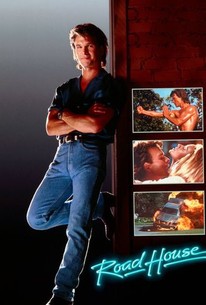
Road House poster

Road House

114 minutes

Cast

Selected cast credits · Film reference

Sam Elliott Wade Garrett
Ben Gazzara Brad Wesley
Red West Red Webster
Kevin Tighe Tilghman

Road House | The Rewatchables

Explore episodeClose episode

Producer credits not yet identified.

Top Ten List

Ten Dalton quirks, followed by his leaded-or-unleaded coffee habit.

In the discussion (11)
Approx. transcript time · 00:15:04Read transcript
  • Dalton avoids flying because he considers it too dangerous.
  • Dalton stitches his own cuts.
  • Dalton carries his medical records to save time.
  • Dalton is called a Hall of Fame smoker.
  • Dalton refuses anesthetic: pain does not hurt.
  • Dalton protects an old, low-mileage Mercedes under a cover.
  • Dalton allows his mentor Wade Garrett to flirt with his date.
  • Dalton practices shirtless outdoor tai chi.
  • Dalton never flinches; his posture and composure are admired.
  • Dalton reads Jim Harrison.
  • An additional quirk follows the ten: Dalton calls coffee leaded or unleaded.

Half-Assed Internet Research

Stunts and injuries, deleted Keith David material, casting-era anecdotes, cars and constructed locations.

In the discussion (9)
Approx. transcript time · 00:24:39Read transcript
  • The discussion reports a $15 million budget, $61.6 million gross and an estimated further $200 million from home viewing formats.
  • The hosts report actual contact during the Jimmy fight, Teague cracking two of Swayze's ribs with a log, several long shooting days and Swayze requiring knee drainage.
  • A Keith David interview describes an initially four-week job becoming eleven weeks and enjoyable fights, including Terry Funk; Harrington later told him the long cut required removing his role. The hosts enthusiastically want the extended cut, while speculation about Ernie cleaning up the bar remains conjecture.
  • Teague reportedly took his mother to the premiere, where she proudly identified him after the prison line.
  • The discussion says the actors performed their own stunts and trained with Benny the Jet, who considered Swayze capable of competitive kickboxing. Swayze's recurring knee trouble is linked to an earlier football injury.
  • Bigfoot number seven was reportedly built for the film, with the dealership sequence costing $500,000.
  • A 2009 Barbara Walters interview is cited for Swayze's account of heavy drinking and smoking up to 60 cigarettes daily; the hosts reflect sadly on his illness and death.
  • Dalton's Mercedes is identified as a silver/light-blue 1986 560 SEC; the Double Deuce and Red's Auto Parts were built for filming.
  • An IMDb-attributed claim that Harrington thought the film changed club security worldwide is rejected as implausible, given the hosts' view that its popularity developed slowly.

Roger Ebert's review

In the discussion (1)
Approx. transcript time · 00:25:37Read transcript
  • Ebert awarded two and a half stars, finding the film poised between enjoyable bad filmmaking and mere badness; the hosts reject his reluctance to recommend its entertainment value.

Probably Unanswerable Questions

Throat-rip feasibility, Jasper’s businesses, Memphis, cars and the missing Swayze sequel.

In the discussion (10)
Approx. transcript time · 00:26:46Read transcript
  • Dalton's first-name recognition across bars before the internet raises questions about an underground bouncer-information network; the opening bar's location is unspecified.
  • The hosts wonder where one buys bladed boots, whether they are custom-made and why this blade remains exposed rather than retracting.
  • The price of buying off a whole police department is left speculative.
  • Wesley controls a tiny town while destroying its few businesses, yet his ownership and wealth source remain unclear. A Chicago-mob origin and additional local businesses are speculation.
  • The physical possibility of ripping out a throat is disputed without resolution.
  • The group wonders which parts of Jasper Wesley leaves alone and why there is no strip club; the Double Deuce may already fill that role.
  • Why no Swayze sequel around 1993? Los Angeles and the Viper Room are proposed as a setting for Dalton's next cleanup.
  • Terry Funk is proposed as a leading wrestler crossover below Hulk Hogan's Thunderlips, but André the Giant in The Princess Bride and Roddy Piper in They Live push him down; no formal numbered ranking is settled.
  • Dalton's Memphis killing appears to be self-defense after unknowingly dating a married woman, making his shame puzzling. His alertness to weapons contrasts with missing her marriage, and the hosts question whether earlier bar fights also killed anyone.
  • Dalton's attachment to German cars and whether anyone called about the Buick sale remain unanswered.

Picking Nits

Missing fights, pay and equity, Tinker’s switch, lodging, continuity, sex scenes and implausible relatives.

In the discussion (9)
Approx. transcript time · 01:04:53Read transcript
  • Terry Funk deserved a substantial final fight instead of appearing dead offscreen. A Keith David–John Doe bartender fight is another missed opportunity.
  • Dalton's $5,000 upfront, $500 nightly and covered medical expenses produce a very lucrative cash job; the hosts speculate that he reports little of it and compare its purchasing power with a modern salary.
  • The owner does not negotiate Dalton's rate. Dalton and Jimmy should seek equity rather than wages; Jimmy's long-term ambitions are unclear.
  • Tinker apparently switches sides after surviving the bear attack rather than being arrested; one defense treats him as a likable, useful teammate. Red carrying shotguns past arriving police adds to the absurdity.
  • Healey's character might be better off working in a safer city rather than enduring abuse at a dangerous bar.
  • Dalton could afford better lodging than the hot barn. After the fire and throat-rip fight, his immediately clean clothes and lack of trauma make the next daytime scene feel out of order.
  • The standing sex against a stone wall seems implausibly aggressive for a second date; Lynch reportedly needed back padding. Open curtains also let Wesley watch across the lake.
  • Steve appears instantly dressed without visible arousal after interrupted sex, a framing complaint rather than a request for nudity; his claim to be on break draws sympathy.
  • Red and the doctor seem implausible relatives, prompting an unnamed possible category about unconvincing family connections, compared with Beautiful Girls.

Casting What-Ifs

Swayze left Tango & Cash; Bening, Garner and Glenn alternatives; injury reportedly led Swayze to Ghost.

In the discussion (3)
Approx. transcript time · 01:16:15Read transcript
  • Swayze reportedly left the Kurt Russell part in Tango & Cash for Road House, a swap the group thinks benefited both films; Russell would have needed a different Dalton.
  • Annette Bening originally had Lynch's role; Lynch's claim that she was fired for poor chemistry with Swayze is explicitly doubted. James Garner was sought for Wesley, and Scott Glenn reportedly declined Jimmy, raising questions about his fighting ability.
  • Swayze's knee injury reportedly led him to decline Predator 2 and choose the less physically demanding Ghost; the hosts identify the proposed role as probably the lead.

Recasting Couch

Ronda Rousey’s abandoned remake; interest in Gyllenhaal’s version.

In the discussion (1)
Approx. transcript time · 01:21:34Read transcript
  • A proposed 2015 Ronda Rousey remake reportedly collapsed after her Holly Holm loss. The hosts are intrigued by the pending Gyllenhaal version but wonder whether it will displace the original's cultural identity.

Producer review

Craig’s first viewing meets high expectations: sincere, funny and thoroughly entertaining.

In the discussion (2)
Approx. transcript time · 01:49:15Read transcript
  • Craig's first viewing meets high expectations: he calls it exceptionally male-oriented, sincere and entertaining, comparing its quality with a durable old T-shirt. His partner also appreciated its earnestness.
  • Craig considers the nudity warranted and the prison line startling and excellent; he interprets the line primarily as an insult rather than a compliment.