‹ All people

Film credit

Ben Affleck

Also referred to as Affleck, Aflac, Ben

Stats

Episodes featuring their films
8
Movies in this archive
7

Rewatchables episodes featuring Ben Affleck’s films

Good Will Hunting

1997 film

Bill Simmons · Ryen Russillo · Chris Ryan · Sean Fennessey

Aired April 1, 2025

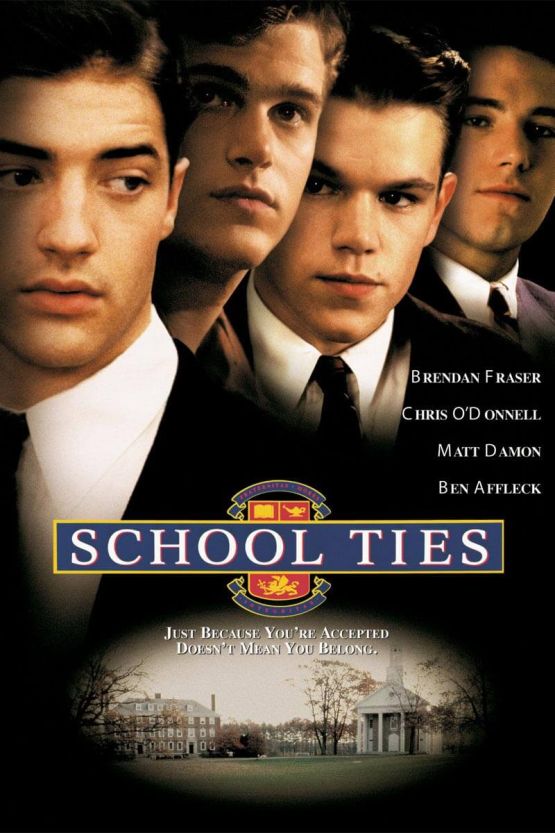
School Ties

1992 film

Bill Simmons · Juliet Litman · Mallory Rubin

Aired August 8, 2022

Argo

2012 film

Bill Simmons · Chris Ryan

Aired August 16, 2021

Armageddon

1998 film

Bill Simmons · Chris Ryan · Shea Serrano · Jason Concepcion

Aired May 21, 2020

Gone Girl

2014 film

Bill Simmons · Shea Serrano · Mallory Rubin · Sean Fennessey

Aired August 13, 2019

The Town

2010 film

Bill Simmons · Ryen Russillo · Chris Ryan

Aired August 2, 2019

Dazed and Confused

1993 film

Bill Simmons · Chris Ryan · Sean Fennessey

Aired October 2, 2018

Good Will Hunting

1997 film

Bill Simmons · Shea Serrano · Chris Ryan · Sean Fennessey

Aired January 25, 2018
Displaying all 8 episodes

Mentioned in discussions

School Ties

What’s Aged the Worst?

Casting identity; opening; football staging; prank; slurs; Locane’s later troubles; misleading artwork; Lowery’s career

In the discussion (13)
Approx. transcript time · 00:05:46Read transcript
  • The principal young cast not being Jewish is raised as a potentially dated casting choice despite the Jewish people behind the scenes. — Juliet Litman
  • The opening montage is considered the weakest section and seems tonally like a war movie. — Juliet Litman
  • Football editing and staging are criticized, with a wish for more plays, less dancing, and an earlier example of Dillon playing well. — Bill Simmons
  • The car prank is also placed in aged-worst. — Bill Simmons
  • The casual racial slurs are jarring to hear, even with the 1955s etting acknowledged. — Bill Simmons
  • The episode reports Locane being imprisoned after a 2010 DUI manslaughter case, treating it as a sad association. — Bill Simmons
  • The St. Luke’s uniforms are criticized as looking like an anachronistic modern football league. — Bill Simmons
  • Streaming artwork promoting Affleck as one of the four principal stars is criticized as misleading about his role. — Bill Simmons
  • Cutting the first ten minutes is proposed, but the Scranton teammates’ support and farewell with David’s father are defended as useful contrasts with the new school. — Mallory Rubin
  • The lack of a visible Jewish community at home is questioned, while his openness and accepted place among teammates are offered as a defense. — Mallory Rubin
  • The opening fight establishes David’s willingness to brawl, though using his throwing hand is questioned. — Bill Simmons
  • Lowry’s career is described as fading after Color of Night, which is strongly disliked. — Bill Simmons
  • The football scenes’ stationary cameras, unclear field geography, and confusing down-and-distance information are criticized. — Mallory Rubin
School Ties

What’s Aged the Best?

Ensemble; boarding-school setting; Damon; costumes; honor code; Scranton; cheating; diners; dances; football boosterism

In the discussion (18)
Approx. transcript time · 00:47:22Read transcript
  • Rip’s shawl-collar sweaters and cardigans are praised. — Juliet Litman
  • Seeing Damon, Affleck, and Hauser together before Good Will Hunting is praised. — Bill Simmons
  • 1950s boarding-school movies are endorsed as a genre worth repeatedly revisiting. — Bill Simmons
  • Damon’s expressions as the privileged racist villain are praised. — Bill Simmons
  • Cleary’s 1950 MG is admired. — Bill Simmons
  • The football uniforms’ colors, stripes, and helmets are admired, with a reservation about the body of the uniform. — Bill Simmons
  • The ancient graduate from the class of 1875 is enjoyed as a link to the Civil War era, while his apparent 98-year-old vigor is questioned. — Bill Simmons
  • Ed Lauter as David’s father is appreciated as a sports-film presence, with a wish that he attended the major game despite the travel distance. — Bill Simmons
  • The honor code is praised as an effective dramatic device precisely because it fails under pressure. — Bill Simmons
  • Scranton remains a legible hometown reference, partly because of The Office. — Juliet Litman
  • Cheating is praised as a reliable source of conflict and debate. — Juliet Litman
  • The tweed coats and blazers are admired. — Juliet Litman
  • The Scranton youths’ James Dean styling and the Rebel Without a Cause marquee are enjoyed. — Mallory Rubin
  • The luncheonette and Skip’s Diner are admired as neighborhood gathering places. — Mallory Rubin
  • Youth dances and the meeting of boys’ and girls’ schools evoke record hops, enforced distance between dancers, and camp memories. — Mallory Rubin
  • Dillon’s fumble, missed tackle, forced block, and despondent expression are considered ideal material for a modern meme. — Mallory Rubin
  • High-school football boosterism and recruiting the player needed to defeat a rival are praised as enduring traditions; David having to work a real job is contrasted with Friday Night Lights. — Mallory Rubin
  • Damon’s villainous performance is praised as an underused side of his screen persona. — Mallory Rubin
School Ties

Most Rewatchable Scene

Honor-code deliberation

In the discussion (46)
Approx. transcript time · 00:14:26Read transcript
  • Dillon’s reaction at the bar on learning David is Jewish is praised, with the family discussion about whether blocking is enough singled out.
  • The Smokey Joe’s Cafe dorm-room scene is nominated. — Craig Horlbeck
  • Affleck’s unexplained shirtlessness is enjoyed as an attempt to stand out. — Bill Simmons
  • The dorm scene is considered so exaggerated that an SNL parody would look the same. — Bill Simmons
  • Fraser’s charisma and presence in the musical gathering establish him as the big man on campus. — Juliet Litman
  • The song’s Jewish songwriting team is interpreted as early thematic preparation. — Juliet Litman
  • The dorm gathering captures both easy and awkward youthful bonding. — Bill Simmons
  • The Ex-Lax sign and McGivern’s bare feet are memorable dorm details. — Bill Simmons
  • The hi-fi bargaining exposes casual antisemitism and establishes the McGivern–Cleary tension. — Bill Simmons
  • The first win against Winchester is nominated, with an exaggerated joke about the enormous distance of David’s touchdown pass. — Bill Simmons
  • David and Dillon talking on the dock is praised as essential bonding, especially Dillon’s admission of envy and the burden of expectations.
  • David’s response to the failed French grade establishes different class expectations without making him unsympathetic. — Mallory Rubin
  • The balance between privilege and genuine suffering is compared with Jaime and Brienne in Game of Thrones. — Mallory Rubin
  • The dock places the two boys physically level and similarly dressed while exposing the class difference that David must earn his opportunities. — Juliet Litman
  • The St. Luke’s win is nominated, especially David throwing Dillon into a block. — Bill Simmons
  • Dillon lying on the grass while others celebrate David is a favorite image and imagined modern meme. — Mallory Rubin
  • The postgame cocktail party and Dillon’s reaction to learning David is Jewish are singled out as a powerful setup for the coming confrontation. — Bill Simmons
  • The shower fight is nominated. — Bill Simmons
  • Eastern Promises is preferred in the comparison of shower fights.
  • The early question about shower timing is considered conspicuous setup for the later fight. — Juliet Litman
  • David’s confrontation with his roommate leads into the swastika discovery and cowards sequence.
  • Fraser’s performance and the lights switching on make the cowards sequence memorable. — Bill Simmons
  • The whole stretch from the St. Luke’s win through cowards is considered impossible to turn away from. — Bill Simmons
  • Connors admitting his prejudice but judging David a good person and Dillon the cheater is a key moment in the group deliberation.
  • David agreeing to honor the school’s traditions by lying is praised after the vote.
  • The deliberation combines honor-code procedure, ballot disputes, shifting loyalties, and physical confrontations. — Juliet Litman
  • The full ensemble sharing a room with space to move is praised as especially effective. — Juliet Litman
  • Unnamed classmates are introduced to help skew the deliberation vote. — Mallory Rubin
  • McGoo accusing Connors briefly misdirects expectations before the expected prejudice reasserts itself. — Mallory Rubin
  • Reece’s defense and Rip’s eventual disclosure provide counterpoints to the prejudice, making the predictable outcome poignant. — Mallory Rubin
  • Rip’s reveal in the headmaster’s chair is praised as a satisfying reversal when David expects expulsion. — Bill Simmons
  • David telling the headmaster he will use the school to reach Harvard just as it used him for football is praised as a triumphant exit. — Bill Simmons
  • The final car exchange with Dillon supplies another satisfying ending payoff. — Bill Simmons
  • David’s final insult is considered too mild; goddamn prick is proposed. — Bill Simmons
  • Entitled fuckface is another proposed stronger insult. — Mallory Rubin
  • A festering,gaping sore of a person is proposed; the first word is imperfectly transcribed. — Mallory Rubin
  • Son of a bitch and bigoted son of a bitch are proposed.
  • Goddamn bigot or bigot are proposed, with a preference for including goddamn.
  • The Rosh Hashanah exchange is nominated for Fraser’s quiet anger and reply about the meek inheriting the earth. — Mallory Rubin
  • The question about whose tradition was broken is praised as the counterpart to the final headmaster exchange. — Juliet Litman
  • The recognizable prayer makes the holiday sequence meaningful. — Juliet Litman
  • The father’s insistence on synagogue attendance makes the holiday sequence feel familiar. — Juliet Litman
  • David’s private prayer is praised as a personal choice about faith rather than obedience to either family or hostile authority. — Mallory Rubin
  • Two final scene preferences select the deliberation. — Mallory Rubin
  • The St. Luke’s-to-cowards run is selected as the strongest extended stretch. — Juliet Litman
  • David choosing his Jewish identity is contrasted with Dillon resenting an inherited identity while benefiting from its privilege. — Juliet Litman
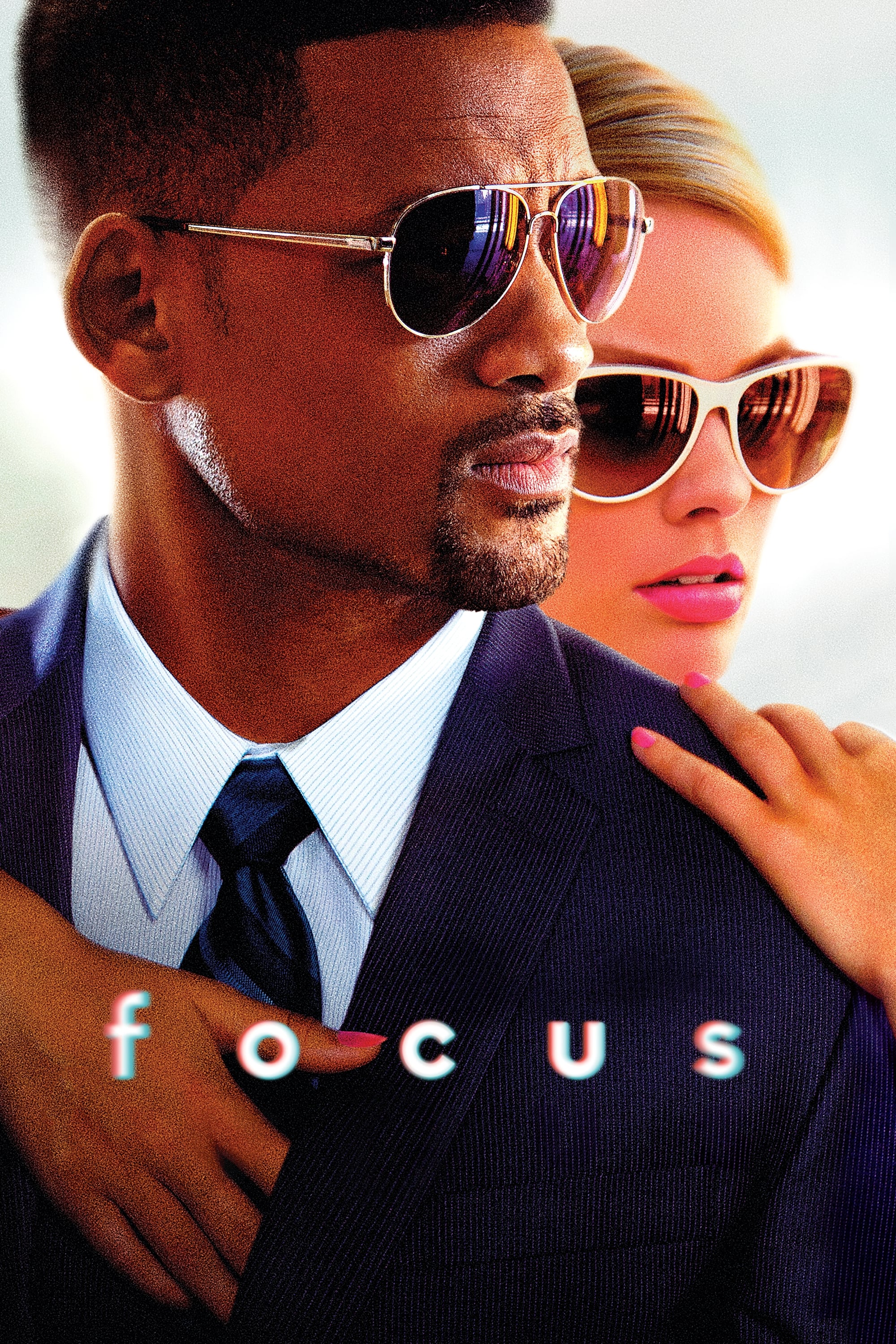
Focus The Rewatchables
In the discussion (6)
Approx. transcript time · 01:06:32Read transcript
  • The film was originally to star Ryan Gosling and Emma Stone, two people mentioned earlier in the episode whom the filmmakers would want to reunite; they dropped out, possibly toward La La Land. — Bill Simmons
  • Doing this and La La Land back to back would have made them a Tracy-Hepburn pairing, prompting a tangent on audiences recognizing pre-1970 references. — Wesley Morris
  • Ben Affleck and Kristen Stewart then became the leads; it would have been a good Affleck movie, though one participant does not like the combination. — Bill Simmons
  • Stewart is praised as a subtle sexual actor, citing an extremely erotic film with Julieta Benoche, versus Robbie's externalized style; Smith and Stewart are predicted best actor and actress winners this year. — Wesley Morris
  • An Affleck-Robbie pairing is joked to have continued off set; Affleck instead made Runner Runner with Justin Timberlake, called poorly directed. — Bill Simmons
  • Per the internet research, Affleck dropped out over scheduling, Will Smith signed, then Stewart dropped out; whether she left over scheduling is unknown, assumed busy. — Bill Simmons
Ransom The Rewatchables
In the discussion (2)
Approx. transcript time · 01:07:22Read transcript
  • Leav Schreiber is bumped for a skinny, pre-Good Will Hunting Ben Affleck of the Chasing Amy and Mallrats era, for a little more star power. — Bill Simmons
  • Jason Lee is the other option, to add some wise-ass comments; the bald Californication guy's role was meant to be the wise-ass and did not work. — Van Lathan
Argo The Rewatchables
Argo

Picking Nits

Mendez's height; Swissair chase questions; underdeveloped housekeeper; Nightline underused; missing 1979 All-Star Game

In the discussion (6)
Approx. transcript time · 01:13:06Read transcript
  • The hosts say the real Mendez was 5'7" and not a supermodel, while a 6'4" handsome Affleck would have been a red flag in Iran. — Bill Simmons
  • The Swissair pilot should have noticed the cars, and the plane could have been radioed or shot at; the counter is that Iran did not want an international incident. — Bill Simmons
  • The housekeeper subplot feels tacked on: she needed a scene showing her connection to the six to explain covering for them, though the film favors forward momentum. — Bill Simmons
  • A pitch to handle the exfil like the unseen Lufthansa heist in Goodfellas is declined in favor of the existing inaccurate version. — Chris Ryan
  • Nightline should have been on in the background more often. — Bill Simmons
  • The 79 baseball all-star game and Dave Parker's throw from right field should have been worked in. — Bill Simmons
Argo The Rewatchables
Argo

Apex Mountain

Ben Affleck; Scoot McNairy; Iran hostage crisis movies and TV; the other five of the Argo Six; Bryan Cranston

In the discussion (10)
Approx. transcript time · 01:08:54Read transcript
  • Affleck is a yes: the Oscar, the sympathetic narrative, a Fincher movie next and Batman after Gone Baby Gone and The Town. — Chris Ryan
  • Scoot McNary is probably a yes. — Chris Ryan
  • Arkin is a no because of Little Miss Sunshine. — Chris Ryan
  • Goodman is a no. — Bill Simmons
  • Movies or TV shows about the Iran hostage crisis get a yes, with probably no others. — Bill Simmons
  • The other five of the Argo Six get a yes. — Bill Simmons
  • Tate Donovan's own Apex is floated as Friends before settling on season one of The O.C. — Bill Simmons
  • Cranston first gets a no for Breaking Bad, then a yes on the argument that Breaking Bad is surging toward its finale while he establishes himself in movies. — Bill Simmons
  • The CIA is joked about as making a comeback after killing JFK, but no explicit Apex yes is given. — Bill Simmons
  • Whether this is the Apex for exfils is asked but drifts into Proof of Life and Predator without an answer; exfiltration is defined. — Bill Simmons
Argo The Rewatchables
Argo

Half-Assed Internet Research

Studio Six scripts; CIA involvement; Iranian bootlegs; Carter's short delay; invented chase; actors in character; Jack Kirby; Sunset Gower offices

In the discussion (7)
Approx. transcript time · 01:06:04Read transcript
  • The hosts cite Mendez saying the fake Studio Six was so convincing that 26 scripts arrived after it folded, including one from Steven Spielberg. — Bill Simmons
  • The hosts cite a 2016 Vice report, based on Freedom of Information Act research, that the CIA was involved in the production of Argo and Zero Dark 30. — Bill Simmons
  • The hosts report that several hundred thousand bootleg copies circulated in Iran, watched out of hate, curiosity and quiet protest. — Bill Simmons
  • The hosts report that Carter only delayed authorization by 30 minutes, well before Mendez left for Europe, and that the chase sequence never happened. — Bill Simmons
  • The hosts report that Affleck had the six actors dress and hang out in character for a week to build chemistry. — Bill Simmons
  • The hosts note that Jack Kirby, who made the storyboards, was a comics pioneer. — Bill Simmons
  • The hosts cite the original Wired article placing the Studio Six offices at Sunset Gower, in Michael Douglas's vacated China Syndrome offices. — Chris Ryan
Argo The Rewatchables
In the discussion (3)
Approx. transcript time · 00:17:03Read transcript
  • The hosts recount that the project began with Clooney's company winning the bidding war for a 2007 Wired article, and that Clooney planned to write, direct and play Tony Mendez before Affleck got involved. — Bill Simmons
  • The Mendez role would have seemed perfect for Clooney. — Bill Simmons
  • The hosts found no casting what-ifs beyond the Clooney history. — Bill Simmons
Argo The Rewatchables
Argo

What’s Aged the Worst?

Affleck's wig-like hair; the Iranian characters; the casting controversy; the invented Lester Siegel; Canada's minimized role; the late song; the multiple endings

In the discussion (11)
Approx. transcript time · 00:55:18Read transcript
  • Affleck's hair, also listed as aged best, is terrible and presumed to be a wig. — Bill Simmons
  • At first viewing one host mistook Scoot for C. Thomas Howell for the first 20 minutes. — Bill Simmons
  • Every Iranian character is angry and screaming, a simplistic and not-so-veiled racist view; only the housekeeper shows a conscience. — Bill Simmons
  • There was an early controversy over Affleck taking the part because Mendez was, the hosts think, half Mexican; Mendez gave his blessing, and the outcry would be bigger in 2021. — Bill Simmons
  • The hosts note Lester Siegel is not a real person. — Bill Simmons
  • The hosts report the film has been criticized for minimizing the Canadian embassy's role, falsely showing the New Zealand and British embassies turning Americans away, and exaggerating the escape day; Maclean's said it rewrites history at Canada's expense. — Bill Simmons
  • The hosts say Garber's Ken Taylor is supposedly the real hero and that Mendez was in Iran only a day and a half; Affleck is quoted admitting the portrayal of Britain and New Zealand was not totally fair. — Bill Simmons
  • The hosts quote Jimmy Carter saying 90% of the contribution was Canadian and that Ken Taylor was the main hero. — Bill Simmons
  • The hosts say Carter only briefly pulled the tickets before Mendez reached Iran and that Taylor received a Congressional Gold Medal from Reagan, yet the film gives Garber only a couple of scenes. — Bill Simmons
  • The song arriving a year late is called unacceptable in jest. — Chris Ryan
  • The Spielberg-style endings drag on through Cranston, the house, the flag hug, the bedside reading and title cards; it should have ended with the plane handshake and celebration montage. — Bill Simmons
Displaying discussions 13 - 24 of 62 in total

Films in the archive