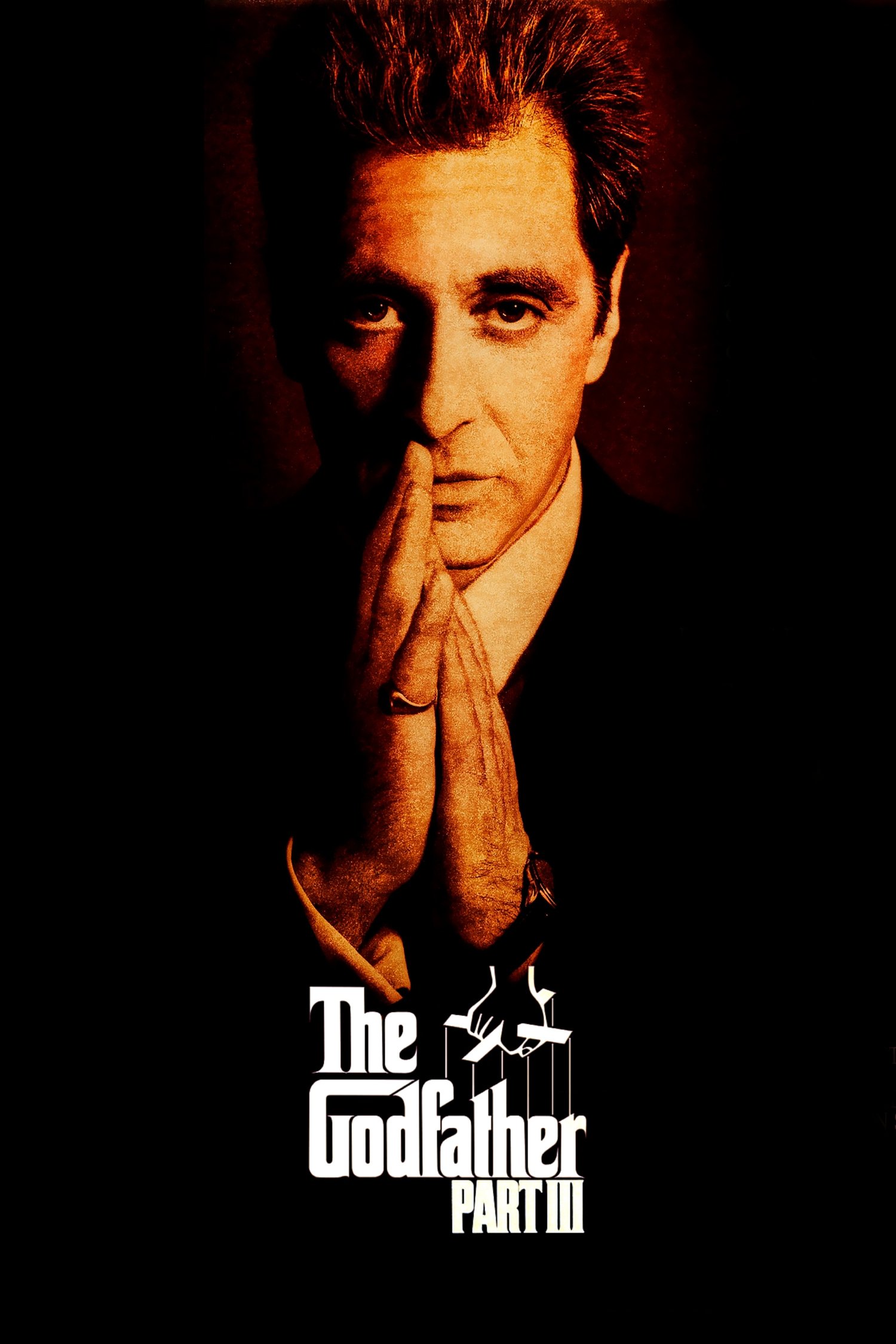
A crypto-world reset is joked about as a potential 10-episode Netflix series. — Chris Ryan
A Netflix version every five years is proposed after seeing David Harbour play Williamson opposite Pacino’s stage Levene. — Chris Ryan
Live televised classic plays with major casts could become annual events or charity fundraisers, following Playhouse 90, Clooney’s Fail Safe and live sitcom recreations. — Sean Fennessey
A longer version is difficult to imagine given the compressed writing, but ten additional deleted scenes would be eagerly welcomed. — Chris Ryan
An all-Black cast could reuse The Wire’s actors, specifically Wood Harris and Idris, whose coded dialogue and burdened masculinity already resemble Mamet. — Sean Fennessey
Pacino’s 1992 Oscar and enduring Roma performance make a peak case, but the Godfather–Serpico–Dog Day Afternoon run supports multiple possible peaks rather than a settled choice. — Chris Ryan
Mamet on screen receives an affirmative choice. — Sean Fennessey
Mamet’s own directing peak is separately located around The Spanish Prisoner, State and Main and Heist, with Spartan viewed as a troubling turn; Foley is considered the better visual match here. — Sean Fennessey
Real-estate sales on screen receives an affirmative choice. — Chris Ryan
The broader salesman question raises Mad Men but distinguishes advertising from real estate. — Chris Ryan
Tommy Boy is another salesman contender, with its business corrected from sporting goods to brake pads. — Chris Ryan
Moneyball is another sales-film comparison because unhappy men sell the idea of advanced analytics; no all-sales winner is settled. — Sean Fennessey
Pacino admired Foley’s At Close Range and wanted to adapt Mamet’s Pulitzer-winning play with him; Lemmon reportedly called this his greatest ensemble. — Chris Ryan
Baldwin’s speech was absent from the original play and became widely replayed and parodied, including on Saturday Night Live. — Sean Fennessey
Arkin was reportedly slowest to sign because Aaronow mainly suffers humiliation; the discussion corrects his status at the time from Oscar winner to nominee. — Sean Fennessey
The ensemble is said to have accumulated 29 Oscar nominations, with surprisingly few for this film. — Sean Fennessey
Spacey was recruited from theater work associated with Lemmon and a Pacino–Foley visit to see him perform; the adaptation took nearly a decade and several cast iterations. — Chris Ryan
Mamet reportedly considers this a favorite adaptation; the interiors work as strengths rather than merely stretching a play outdoors. — Chris Ryan
Foley reportedly said Lemmon badly wanted a nomination; the earlier winning role is corrected from Missing to Save the Tiger. — Sean Fennessey
Foley’s oral-history account says Baldwin arrived with the speech memorized and performed it perfectly in a single rehearsal, leaving nothing to direct. — Chris Ryan
An AutoWeek article is cited for the cars: Blake’s 850, Williamson’s Pontiac Bonneville, Levene’s deteriorating ten-year-old car and Roma’s Buick Riviera. — Chris Ryan
Lemmon’s greatest-ensemble statement is explicitly said to have been watched in a video rather than merely read secondhand. — Chris Ryan
Roma’s desk uniquely faces away from Williamson’s office; production design makes the room feel worn by years of careless occupants. — Chris Ryan
Actors reportedly visited on days off to watch their colleagues work. — Chris Ryan
Rio Rancho may have become a profitable investment as an Albuquerque suburb, but the location match and calculations are explicitly unverified. — Chris Ryan
De Niro as Moss or a younger Levene and Willis as Williamson or Blake are considered; the discussion’s Jimmy Conway reference leaves the final Blake alternative ambiguous. — Sean Fennessey
Modern franchise stars and British actors may lack the ordinary, badly dressed New York or Chicago quality needed for these roles. — Chris Ryan
Timmerman reportedly urged consideration of Baldwin’s nasty Miami Blues energy rather than his heroic Hunt for Red October image; his Miami Blues role is corrected from dirty cop to criminal. — Sean Fennessey
Baldwin wanted first refusal on Roma if Pacino’s schedule prevented his long-planned participation; otherwise he would take another role. — Chris Ryan
Baldwin could be an excellent Roma but his looks and stature might make remaining in that low-status office less credible than Pacino’s version. — Sean Fennessey
Mantegna originated Roma and won a Tony, but Mamet bluntly told him the film role would likely go to Pacino; House of Games and Things Change were written for him instead. — Sean Fennessey
Willis and De Niro were rumored as interested, with no clear roles attached. — Chris Ryan
Roma across the table from the Jonathan Pryce character and the Roma–Moss confrontation are preferred on later viewings. — Sean Fennessey
The Baldwin speech remains an all-time favorite but is so familiar that it can feel skippable; Moss and Levene grow more meaningful with age. — Chris Ryan
Blake’s speech is an obvious scene choice, with tiny familiar moments such as deciding to start without Roma still producing chills. — Chris Ryan
The played Blake speech includes the coffee-for-closers rebuke and the threat of firing. — Sean Fennessey
The played sales-contest prizes descend from a Cadillac Eldorado to steak knives to dismissal. — Sean Fennessey
The played speech rejects weak-leads excuses and insults the salesmen through a Hyundai–BMW wealth comparison. — Sean Fennessey
The played speech delivers Always Be Closing and AIDA, demanding action from the salesmen. — Sean Fennessey
Moss and Aaronow’s car and restaurant conversations are a fresh-viewing favorite, moving from a failed sales call and doughnuts to the proposed robbery. — Chris Ryan
Moss’s shifting robbery proposal exposes his larger secret payout and pressures Aaronow by invoking accomplices.
Moss traps Aaronow by declaring that listening already makes him an accessory; the combined conversations are called miraculous.
Harris’s performance depends on Arkin’s befuddled one-word replies, revealing two different forms of failure through cadence rather than speeches. — Sean Fennessey
Roma’s train-compartment monologue and seduction of Lingk stand out on rewatch, mixing the self-deluding con artist with Pacino’s controlled and explosive modes. — Sean Fennessey
Roma’s tender, self-effacing conversation is manipulative from the moment he identifies Lingk as a mark; the apparent sincerity serves the sale. — Chris Ryan
Pacino’s precise syllables and apparently spontaneous thought make Mamet’s language feel native to Roma; the speech resembles a precursor to The Devil’s Advocate. — Sean Fennessey
The long office sequence offers many memorable interactions: Roma’s entrance, the stolen phones, Williamson confrontation, Levene’s celebration, Moss’s exit and Lingk’s return. — Chris Ryan
Levene’s failed sit with the Bruce Altman character is singled out as heartbreaking, showing a customer who actively hates the encounter. — Sean Fennessey
The Roma–Moss showdown with Levene refereeing is a favorite office sequence, showcasing both actors at their strongest in furious verbal combat. — Sean Fennessey
Williamson identifying Levene as the thief culminates in the crushing “because I don’t like you,” with Lemmon’s eyes conveying devastation. — Sean Fennessey
Levene improvising D. Ray Morton’s American Express executive identity is delightful, including his inability to finish the job title and Roma’s subsequent praise. — Chris Ryan
Roma’s attempt to re-close Lingk leads to his blistering attack on Williamson for spoiling the deal. — Chris Ryan
Levene’s “you are a shithead” illustrates Lemmon’s false bravado against Pacino’s genuine bravado. — Chris Ryan
Both settle on Blake’s speech as the most-rewatchable choice after entertaining more unusual favorites. — Chris Ryan