
Film credit
Sandra Bullock
Also referred to as Bullock
Stats
- Episodes featuring their films
- 6
- Movies in this archive
- 9
Rewatchables episodes featuring Sandra Bullock’s films
Speed
1994 film
Bill Simmons · Jason Concepcion · Shea Serrano · Donnie Kwak
Aired September 21, 2017
Mentioned in discussions


Apex Mountain
Paul Haggis; Scientology influence; disputed Terrence Howard
In the discussion (7)
- Bullock, Fraser, L.A. race relations and undercover cops shooting each other are floated without a clear affirmative conclusion. — Bill Simmons
- Howard’s 2005 with Hustle and Flow has a strong case, challenged by Empire’s first season. — Bill Simmons
- Dillon is rejected; St. Christopher statues and human trafficking are floated without affirmative resolution. — Bill Simmons
- Cheadle, Peña, Phillippe, Newton, Tate and Esposito are rejected; Cruel Intentions and Westworld or Mission: Impossible II are alternatives for Phillippe and Newton. — Bill Simmons
- Ludacris’s peak is placed in an unspecified Fast film. — Bill Simmons
- Paul Haggis receives a definite yes. — Bill Simmons
- Scientology’s influence is placed at 2005, combining Haggis’s Oscar and Cruise’s Oprah appearance.

The Stephen A. Smith Hottest Take Award
Original Karen; Ludacris short film; ineffective anti-slavery film
In the discussion (4)
- Bullock is called the original Karen, despite earlier disagreement. — Bill Simmons
- A short film consisting of Ludacris’s scenes could work; the movie needs more of him.
- The film is called the least effective effective anti-slavery movie: freeing trafficked people with forty dollars while stereotyping and abandoning them. — Van Lathan
- The freed person viewing video-store choices prompts a question about intended symbolism and a reply about stories transforming people. — Bill Simmons

Flex pick · Joanna Robinson
In the discussion (2)
- Fraser and Nona Gaye should have an explicit sex scene. — Joanna Robinson
- Bullock’s call could interrupt sex, with Fraser out of breath or an Internal Affairs-style camera reveal, rather than merely exchanging glances. — Joanna Robinson

What’s Aged the Worst?
Stair-fall editing; Dillon redemption; racial dialogue; shared title
In the discussion (5)
- Bullock’s stair-fall editing is terrible despite the film winning the editing Oscar. — Bill Simmons
- Two films called Crash within eight years prompts a proposed twenty-year title-protection rule. — Bill Simmons
- Dillon’s heroic redemption and sole acting nomination are criticized; Howard’s Hustle and Flow campaign partly explains his absence, while Newton deserved recognition. — Joanna Robinson
- The opening metal-and-glass metaphor is mocked; a stranger’s Crash pickup line is recalled.
- Cheadle’s stereotyping of his girlfriend’s heritage feels mechanically inserted to make him racist too. — Bill Simmons

In the discussion (7)
- Michael Peña’s breakout and continuing appeal are praised, with a wish for more roles. — Bill Simmons
- The MCU benefits from both Rhodey actors, Peña and the Iron Man helper appearing in this ensemble. — Van Lathan
- The indictment of the LAPD is a choice, with discussion of its stronger association with 1990s controversy. — Van Lathan
- The health-insurance critique has aged well. — Bill Simmons
- Recognizing Shaniqua as the woman in the final collision is a newly noticed detail. — Bill Simmons
- Keith David and the ensemble are praised; his career-protecting authority figure provides a more convincing systemic-corruption scene. — Van Lathan
- Bullock’s attempts to stretch beyond rom-com casting are admired, including angry roles, The Blind Side and Gravity. — Bill Simmons

The most 2004 thing
Landlines; no camera phones; smoking in L.A.
In the discussion (3)
- The landline Bullock drops while falling downstairs is the choice. — Joanna Robinson
- No camera phones record the police interactions; unironic racism is proposed but challenged as enduring.
- Smoking in Los Angeles is another choice. — Van Lathan

In the discussion (11)
- The carjacking is nominated. — Bill Simmons
- The locksmith scene exposes Bullock’s racism and Peña’s distress, followed by a second difficult call at the shop.
- Fraser confusing Black and Iraqi identities is singled out as an underrated racist moment. — Bill Simmons
- The Dillon/Newton assault is affecting rather than pleasurable to rewatch; Newton and Howard’s performances are praised. — Bill Simmons
- Howard’s Hustle and Flow role is said to counter the weakness associated with this character; Orlando Bloom in Troy is the comparison. — Van Lathan
- The Tony Danza scene works, and his unexpected casting is praised; Howard’s oral-history recollection explains the workplace pressure behind it. — Bill Simmons
- The rescue is well filmed but morally nauseating; one response would rather the character die than be saved by her assailant. — Bill Simmons
- Howard resisting the carjacking and police has implausible logistics but recognizes someone dangerously asserting dignity after enduring humiliation. — Van Lathan
- Peña and his daughter’s invisible cloak scene is a final choice. — Van Lathan
- Fichtner and Cheadle’s negotiation is another final choice, watched three times and praised as a legitimately great scene. — Bill Simmons
- The mother protecting her troubled son and blaming her responsible son is effective, including the Whole Foods bags detail. — Van Lathan

The Stephen A. Smith Hottest Take Award
More assassins; Roberts miscast; possible CIA conspiracy; awkward Washington jogging
In the discussion (4)
- Washington’s jogging looks awkward and effortful despite his athleticism.
- Mattiece should be able to hire more and better assassins, especially after the replacement loses to bouncers. — Chris Ryan
- Roberts is considered miscast and insufficiently allowed to use her charisma; Sandra Bullock and Jennifer Jason Leigh are suggested alternatives.
- The unresolved CIA presence inspires a speculative theory that it engineered the plot and used Mattiece and Darby as decoys.


Recasting Couch
Olivia d’Abo; Debi Mazar; Sandra Bullock as Rose
In the discussion (1)
- A less obviously threatening Rose is preferred, with Olivia d’Abo, Debi Mazar and Sandra Bullock proposed; Glenn Close is rejected as too old.
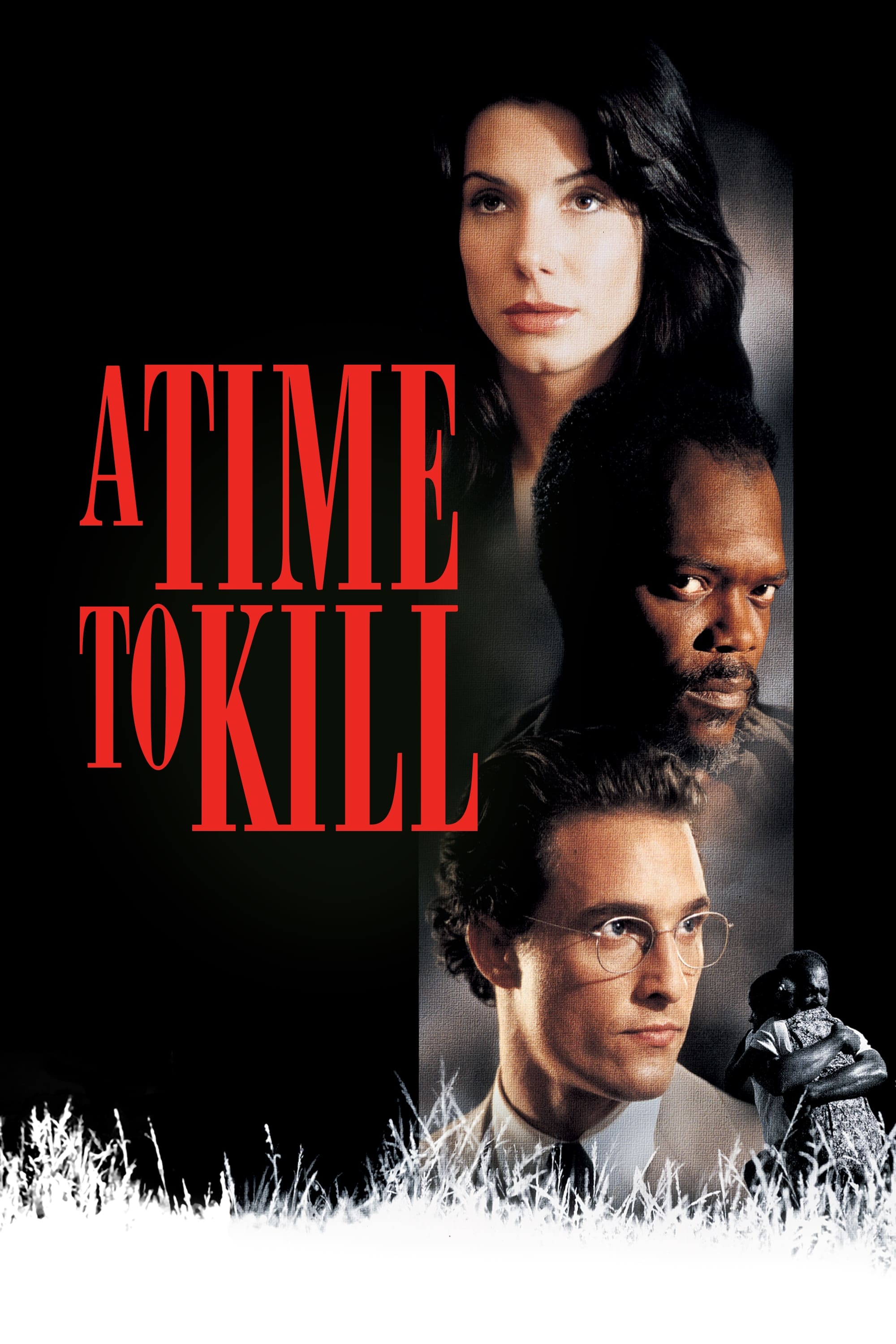
Picking Nits
Acquittal; Roark’s motives; Rufus; opening statements; smoking; drunken drive; destroyed home; Jake’s response to thanks
In the discussion (8)
- The not-guilty outcome is questioned as legally implausible: the jury appears to set aside the killing rather than resolve a coherent defense, though the emotional payoff works. — Wesley Morris
- Roark’s origin and reason for choosing this case remain unexplained. — Bill Simmons
- A white character named Rufus is questioned, with the objection itself challenged and a dog-name anecdote offered. — Wesley Morris
- The lack of opening statements disappoints one participant, while the other argues that the crime and stakes are already clear. — Wesley Morris
- Bullock’s unconvincing smoking is criticized as a superficial attempt to signal toughness. — Bill Simmons
- Jake’s drunken drive and near-affair seem designed solely to remove him before his house is destroyed, despite the obvious risk of arrest derailing the case. — Wesley Morris
- The absence of a meaningful reaction from Jake’s wife to the destruction of their home is criticized as a missing necessary scene. — Wesley Morris
- Jake’s resentful response to Carl Lee’s thanks undermines the emotional summation; an apology and acknowledgment of what he learned would be more appropriate. — Wesley Morris
Apex Mountain
Grisham’s mid-1990s adaptation boom; Nicky Katt villains, qualified
In the discussion (7)
- McConaughey’s later Dallas Buyers Club, True Detective, Magic Mike and Wolf of Wall Street period is preferred over this film. — Bill Simmons
- Jackson’s peak is placed around Jackie Brown the following year rather than here. — Bill Simmons
- Grisham is placed in this mid-1990s adaptation boom, with The Pelican Brief’s release corrected back to 1993. — Wesley Morris
- Bullock is judged not yet at her peak, with The Blind Side Oscar offered as a later milestone. — Wesley Morris
- Judd’s peak is assigned to Double Jeopardy. — Wesley Morris
- Nicky Katt villains receive a qualified affirmative choice over Dazed and Confused, based on the impact of a few minutes as an overt racist. — Bill Simmons
- The early-1960s green Porsche is rejected in favor of Dylan McKay’s longer television run. — Bill Simmons
In the discussion (1)
- Bullock wins the Judd Nelson New Jack City variation: her rom-com-like arrival clashes with the severe violence her character later suffers. — Bill Simmons
Films in the archive
A Time to Kill
1996



Crash
2004
Gravity
2013

Speed
1994

Speed 2: Cruise Control
1997
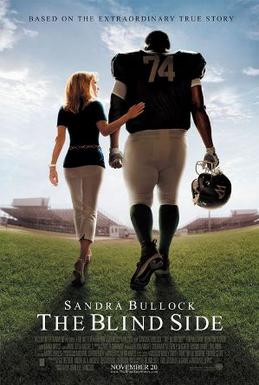
The Blind Side
2009

The Lake House
2006

The Vanishing
1993
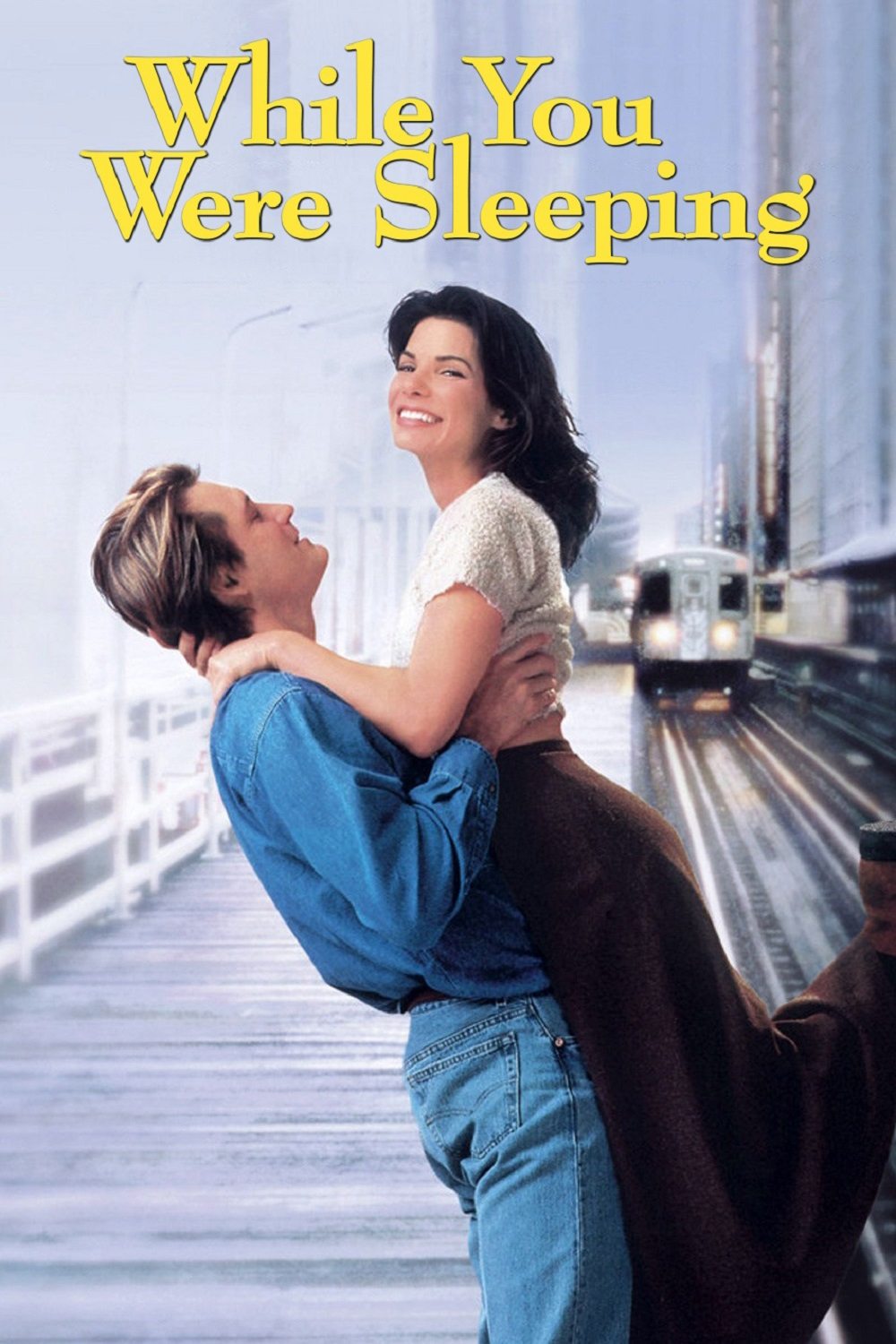
While You Were Sleeping
1995