
‹ All people

Midnight Run


The Devil Wears Prada


Speed

Speed
Speed
Speed
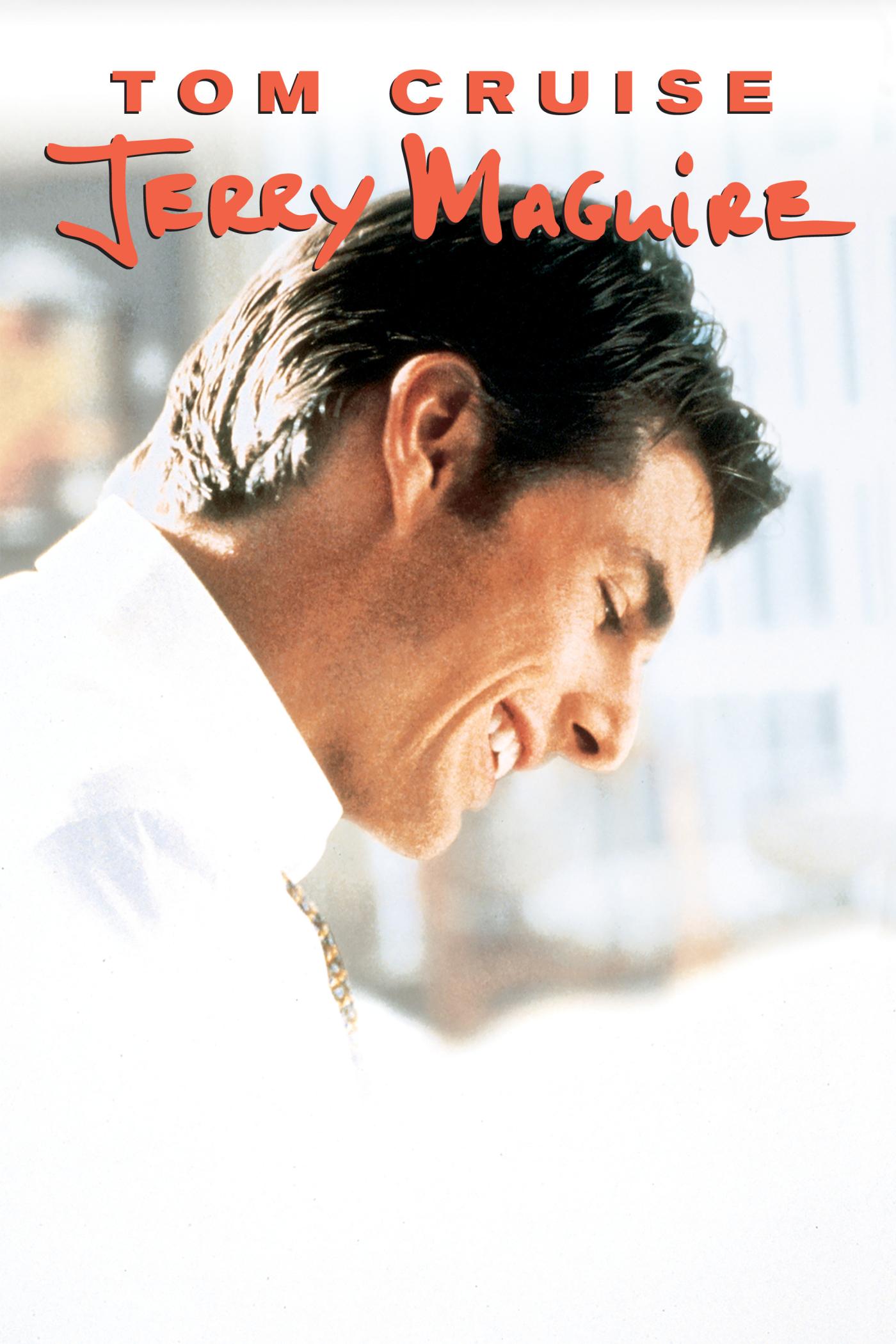
Jerry Maguire







Film credit
Sandra Bullock
Also referred to as Bullock
Stats
- Episodes featuring their films
- 6
- Movies in this archive
- 9
Rewatchables episodes featuring Sandra Bullock’s films
Speed
1994 film
Bill Simmons · Jason Concepcion · Shea Serrano · Donnie Kwak
Aired September 21, 2017
Displaying all 6 episodes
Mentioned in discussions
What’s Aged the Best?
The unexpectedly poignant moments and Danny Elfman's score
In the discussion (8)
Approx. transcript time · 00:27:27Read transcript
- The chemistry between De Niro and Grodin has aged best, even though De Niro reportedly did not like Grodin much, stayed in character through take after take, and Grodin, probably playing close to himself, kept trying to annoy him; that kind of two-guy chemistry is rarer than you would think.
- A list of best two-guy movie chemistry: Travolta and Sam Jackson in Pulp Fiction, Gibson and Danny Glover, Chris Tucker and Jackie Chan, Redford and Newman in The Sting and Butch, Eddie Murphy and Nolte in 48 Hours, with The Rock and Kevin Hart, Farrell and Riley in Step Brothers, Melissa McCarthy and Sandra Bullock, and Bill Murray and Harold Ramis added; it gets rarer this century because movies are usually driven by one person.
- There are 119 f-bombs in the movie though it feels like 280, especially in the last call to Eddie; the phone call where Farina has Moron Number One put Moron Number Two on while the other guy shadow-boxes the one on the phone is too short to be a rewatchable scene but slays.
- McCarran Airport, the saddest place on earth when everyone is leaving Vegas, has not changed since 1988 and makes you want to shout that Serrano has the discs; Grand Central Market in downtown LA still looks much the same, though you could not take a payphone call from a restaurant there now.
- Danny Elfman's score (transcribed once as 'Danny Offen's') is like the Bus Boys from 48 Hours doing a soundtrack, one of the best ever despite some people disliking it: it slows down and kicks back in at the right places and sounds like Steely Dan's backing band vamping before Becker and Fagan (as transcribed) walk on; anyone anti-soundtrack is called a moron.
- 'Looks like I'm walking' is one of the better last lines of any movie covered, especially since walking out of LAX is no fun; the visit to the daughter is one of the favorite De Niro scenes: awkward, he has nothing to ask her beyond what grade she is in, she offers him money as he leaves and he cannot take it, and then he holds the door of his wife's station wagon so Grodin's coat does not get caught, every beat graded A plus.
- The weird sentimental moments may be what has aged best, with several unexpectedly poignant beats including the ending; a tangent on the greatest De Niro scenes names the Godfather 2 killing, moments in Cape Fear, the Goodfellas slow-motion smoking shot at the bar, nearly every scene in Heat including the diner, and many in Deer Hunter and Taxi Driver, while Raging Bull is now a tough, one-and-out watch.
- Asked at the end what was said for what aged best, the recap is the poignant moments and Danny Elfman's music; the chemistry, the last line, the unchanged settings and the profanity were raised along the way.
Probably Unanswerable Questions
Was Stanley Tucci's character gay?; Who should have played Adrian Grenier's role?; Was this Meryl Streep's greatest role?; Who else could have played Miranda?
In the discussion (7)
Approx. transcript time · 01:07:18Read transcript
- Was Stanley Tucci's character gay? Called unanswerable even after googling; one online claim that he looks at male models an extra second is dismissed. — Bill Simmons
- One panelist cannot remember that character in the book. — Amanda Dobbins
- Adrian Grenier's role: they should not have gone white male in 2006; John Cho or young Dave Chang are suggested, making a Korean dish instead of mac and cheese. — Bill Simmons
- Was this Streep's greatest role? One says yes; another says Sophie's Choice, and Julia Child is also mentioned. — Bill Simmons
- Nobody else would have made the panel even 70% as happy as Streep; in the spirit of the podcast Candice Bergen is offered, but she was too old in 2006. — Amanda Dobbins
- Julia Roberts with aged hair is where it could have gone most wrong; Sandra Bullock could do it now or later, with doubts about whether she is mean enough. — Amanda Dobbins
- Kate Blanchett (as transcribed) and, now, Kate Winslet are also suggested. — Bill Simmons

In the discussion (4)
Approx. transcript time · 00:56:24Read transcript
- Reeves, Bullock, and Hopper are nominated; three separate replies choose Bullock.
- Keanu is selected: the reply sticks with him. — Donnie Kwak
- Bullock inspires interest in her other films, whereas Reeves inspires another viewing of Speed; this distinction supports the Bullock choice. — Bill Simmons
- Annie is praised as likable, heroic, and a real character rather than a gratuitous romantic addition. — Bill Simmons
Podcast choices
- Speaker not identified
- Sandra Bullock
- Speaker not identified
- Sandra Bullock
- Speaker not identified
- Sandra Bullock
Apex Mountain
Bullock: tentative yes
In the discussion (6)
Approx. transcript time · 00:40:44Read transcript
- Reeves is judged to have higher peaks ahead.
- Bullock is judged to have gone higher later; an off-podcast choice heard as miscongeniality is reported as a movie she carried to $200 million.
- A tentative Bullock choice is offered despite uncertainty.
- Hopper is proposed, with disagreement over his earlier work and Easy Rider’s generational significance.
- Daniels is rejected individually, but a combined Speed and Dumb and Dumber year is floated.
- Sam the bus driver is suggested without a firm ruling. — Bill Simmons
Half-Assed Internet Research
Oscars, stunt stories, script changes and the bus jump
In the discussion (12)
Approx. transcript time · 00:31:18Read transcript
- The film reportedly won Oscars for sound editing and sound mixing.
- Reeves reportedly performed ninety percent of his stunts, including a secretly practiced Jaguar-to-bus jump that surprised the director. — Bill Simmons
- The surprise-jump story is challenged as publicity exaggeration because a shot requires coordination; doing the jump itself remains believable.
- Going under the bus is rejected as something Reeves did himself; even at five miles per hour, he could die.
- An original script reportedly revealed Harry as the villain; the betrayal is enthusiastically welcomed as a remake possibility.
- Joss Whedon is credited with script-doctor dialogue, including Gigantor.
- Bullock reportedly learned to drive a bus and is praised as convincing behind the wheel.
- River Phoenix’s death during filming reportedly led to easier scenes being scheduled while Reeves grieved. — Bill Simmons
- The highway filming is placed on the 105 and 110 freeways. — Bill Simmons
- Early visual effects reportedly supplied the freeway gap; footage of the actual stunt shows the bus collapsing on landing. — Bill Simmons
- The bus jump reportedly was absent from the script until the director saw unfinished freeway and proposed it. — Bill Simmons
- The practical jump reportedly rose twenty feet, traveled 109 feet, and overshot onto a camera. — Bill Simmons
What’s Aged the Best?
Sandra Bullock, Keanu Reeves and the relentless premise
In the discussion (9)
Approx. transcript time · 00:19:33Read transcript
- Young Bullock and Reeves’s crew cut, physique, and progressively dirty white shirt are nominated.
- Reeves reportedly arrived with a shaved head and spent two months getting into shape.
- The stay-on-or-get-off exchange is nominated and suggested as an alternative title. — Bill Simmons
- The bus going under fifty and exploding is a great, simple movie premise; the action moves faster than Die Hard.
- Die Hard on a bus is nominated; Money Train and another Denzel train film prompt comparisons. — Bill Simmons
- Young Bullock is selected as a star whose potential becomes unmistakable, with an athletic-breakthrough analogy. — Bill Simmons
- Annie’s kindness toward Sam and her easy joke about not driving next time make her especially appealing.
- Reeves is selected for trustworthy, decisive command that contrasts with his earlier stoner and surfer image.
- Reeves’s haircut is chosen because it would still work today.
Casting What-Ifs
Reported casting alternatives and declined directors are discussed; Bullock and de Bont are judged successful choices.
In the discussion (8)
Approx. transcript time · 00:17:11Read transcript
- Stephen Baldwin reportedly declined because the script resembled Die Hard; the decision is mocked.
- Jeff Bridges and Johnny Depp reportedly passed; Depp is considered capable of playing the part.
- An earlier, more comic-relief version of Annie was reportedly written with Ellen DeGeneres in mind. — Bill Simmons
- Halle Berry reportedly declined the rewritten Annie role; she is considered a promising alternative. — Bill Simmons
- Bullock is preferred because her charm develops over the film instead of relying on immediate glamour.
- Berry reportedly thought the role would have reduced her to a black bus driver; the discussion both detects bitterness and concedes she might have been right. — Bill Simmons
- John McTiernan, Renny Harlin, and Quentin Tarantino reportedly declined to direct; Tarantino’s potential version is admired.
- Hiring the Die Hard cinematographer to direct is judged to have worked out well. — Bill Simmons
Recasting Couch
Sandra Bullock as Dorothy Boyd
In the discussion (5)
Approx. transcript time · 00:48:17Read transcript
- Jennifer Love Hewitt is proposed and immediately challenged as too young. — Bill Simmons
- It is called a very 90s answer. — Chris Ryan
- Helen Hunt and a candidate rendered by the transcript as ‘Elizabeth’s true’ are proposed and rejected.
- Sandra Bullock is strongly endorsed, with Speed and While You Were Sleeping cited as making the timing feel natural.
- An objection says Dorothy is too small a role for an established movie star and uses Julia Roberts as an example of someone who would not have taken it.
Displaying discussions 49 - 56 of 56 in total
Films in the archive
A Time to Kill
1996
Crash
2004
Gravity
2013
Speed
1994
Speed 2: Cruise Control
1997
The Blind Side
2009
The Lake House
2006
The Vanishing
1993
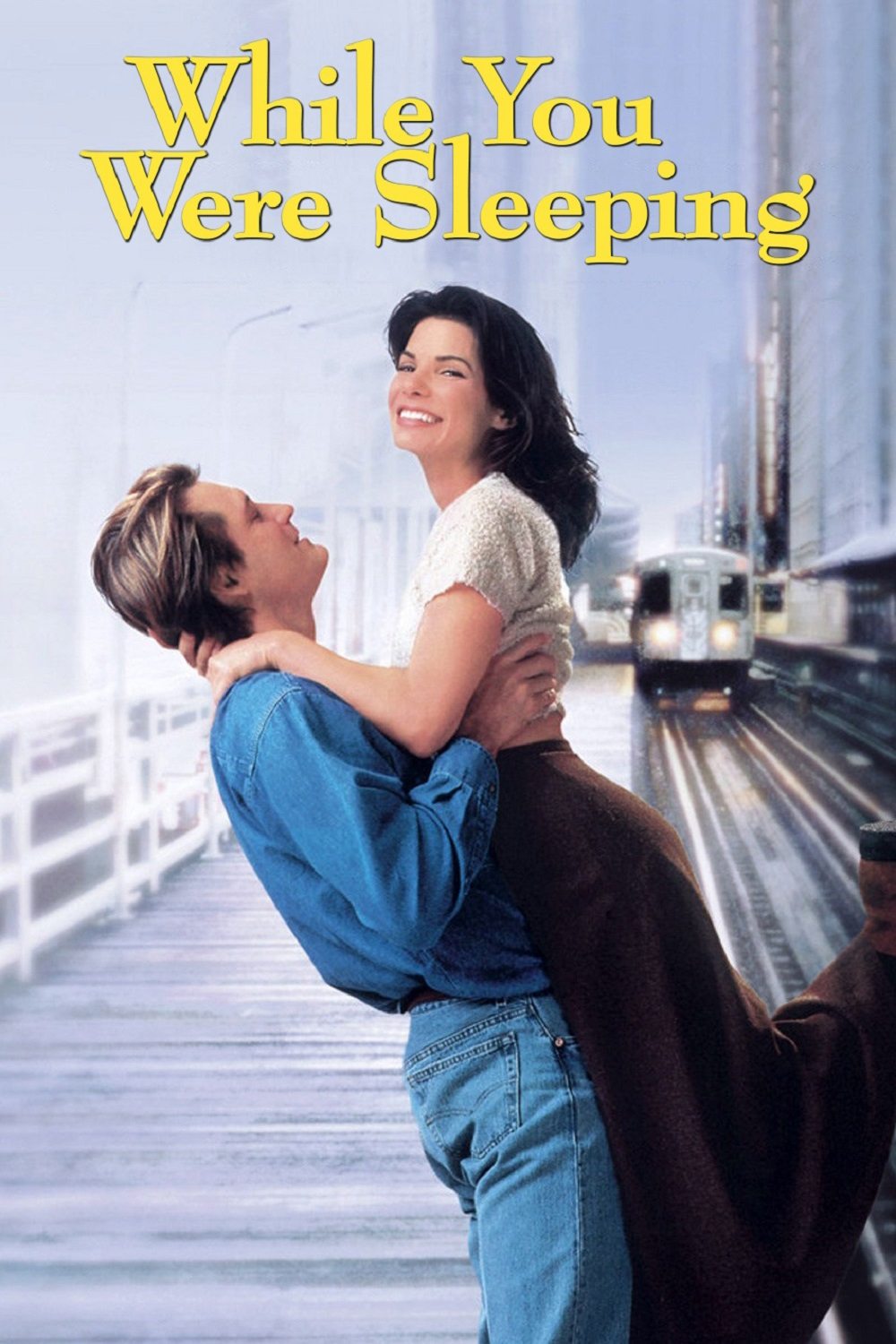
While You Were Sleeping
1995