
Film credit
Leonardo DiCaprio
Also referred to as Leo, DiCaprio, Leo DiCaprio, Leonardo Capriano
Stats
- Episodes featuring their films
- 8
- Movies in this archive
- 8
Rewatchables episodes featuring Leonardo DiCaprio’s films
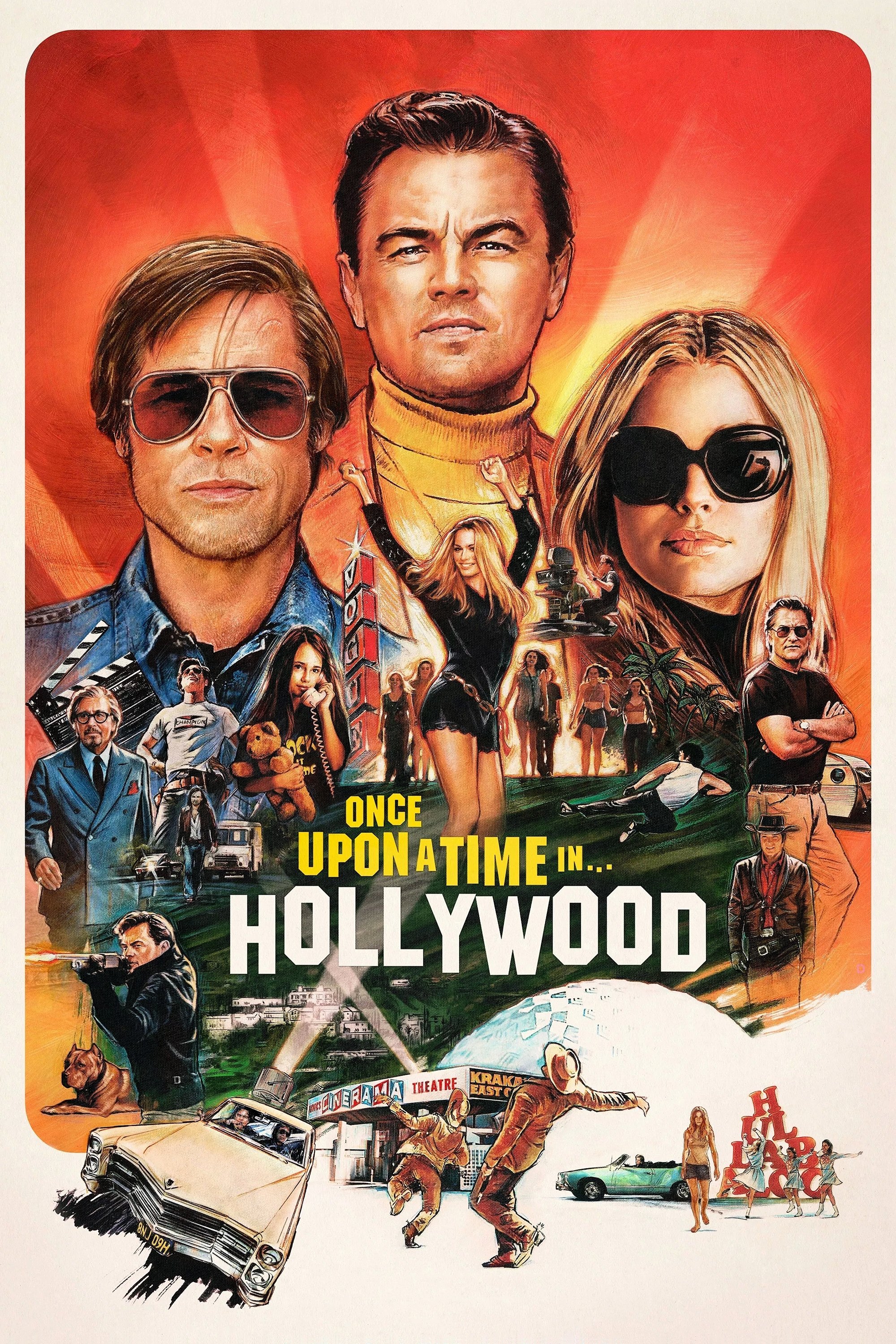
Once Upon a Time in Hollywood
2019 film
Bill Simmons · Sean Fennessey · Chris Ryan
Aired February 6, 2020
The Wolf of Wall Street
2013 film
Sean Fennessey · Chris Ryan · Ryen Russillo
Aired December 3, 2019
Mentioned in discussions


Most Rewatchable Scene
Danny giving back the diamond and calling Maddie
In the discussion (14)
- The village attack is praised as a gripping opening that establishes Solomon as the story’s true center. — Bill Simmons
- Solomon finding and concealing the diamond creates suspense through a captive hiding something from armed guards. — Bill Simmons
- Danny and Maddie’s first bar meeting establishes immediate chemistry without coyness. — Bill Simmons
- The Solomon-Danny chase is praised as one of several effective pursuit sequences. — Bill Simmons
- Danny’s explanation of diamond scarcity clearly lays out the market’s incentives.
- The palm-wine exchange gives a compact history of Danny’s family trauma and mercenary background.
- Danny and Maddie’s goodbye is selected as an effective farewell. — Bill Simmons
- Danny and Solomon’s argument turns into a bonding road-movie passage. — Bill Simmons
- The final mine movement sustains uncertainty about the diamond, Dia, the colonel, and whether anyone escapes. — Bill Simmons
- Solomon brings Dia out of his fog during the climax. — Bill Simmons
- Danny appears to double-cross Solomon but continues protecting him after being shot. — Bill Simmons
- Danny returns the diamond, warns Solomon about the pilot, and calls Maddie as he accepts death. — Bill Simmons
- The final phone call is proposed as the best scene of Leonardo DiCaprio’s career. — Bill Simmons
- The Freetown hotel escape builds tension until a large explosion lands in the background of the shot. — Chris Ryan

The Butch’s Girlfriend Award for the Weakest Link in the Film
Leonardo DiCaprio’s Rhodesian accent is the weak link because it intermittently disappears despite an otherwise strong performance.
In the discussion (4)
- The accent becomes a talking point because the performance around it is so strong. — Bill Simmons
- The panel suggests the role could have been rewritten as an American raised in Rhodesia if the accent could not remain consistent. — Bill Simmons
- The accent drops most visibly during yelling and emotional scenes. — Chris Ryan
- The difficult accent still receives a B plus because Leo lands it in most scenes. — Chris Ryan

In the discussion (1)
- An explicit collective statement says all think DiCaprio won the movie, followed by assent; no separately identifiable individual ballot statements are supplied. — Bill Simmons
Podcast choices

In the discussion (1)
- DiCaprio receives the extra-Oscar choice twice; Walken's actual nomination is acknowledged without displacing DiCaprio. — Bill Simmons

Picking Nits
Wallet delay; abrupt geography; medical skills; age; modern verifiability
In the discussion (4)
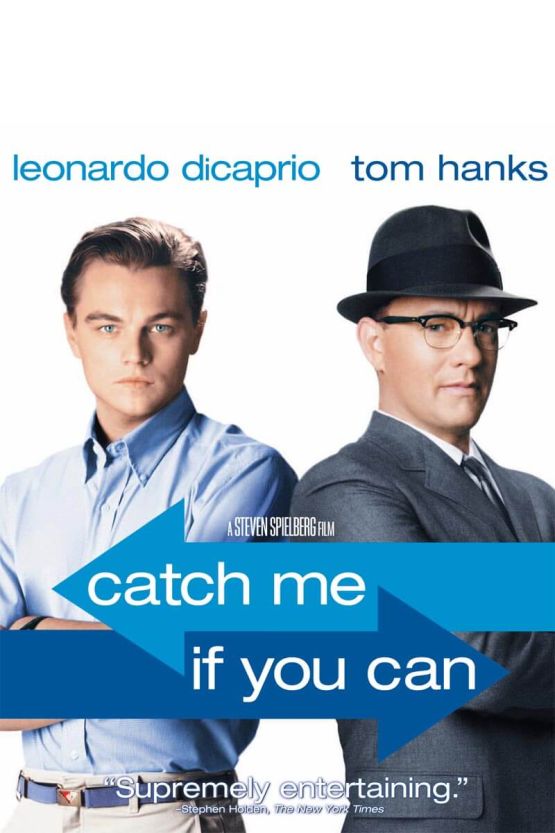
- Carl waiting to examine Frank's wallet in the hotel is an implausible delay attributed jokingly to DiCaprio's persuasive presence.
- Frank's sudden Atlanta-to-New-Orleans transition and Carl reaching France despite denied travel permission feel choppy and insufficiently explained. — Sean Fennessey
- Medical impersonation should require more than television knowledge, and Frank looks implausibly young to have completed both legal and medical training; the authority of uniforms is offered as a partial explanation.
- Modern easily checked résumé lies seem less innocently plausible than old cons; a hypothetical false Grantland application illustrates the difference, explicitly contrasted with the actual blogging background. — Chris Ryan

Apex Mountain
No definite affirmative choice
In the discussion (10)
- Spielberg, DiCaprio and Hanks are rejected for Apex here. — Bill Simmons
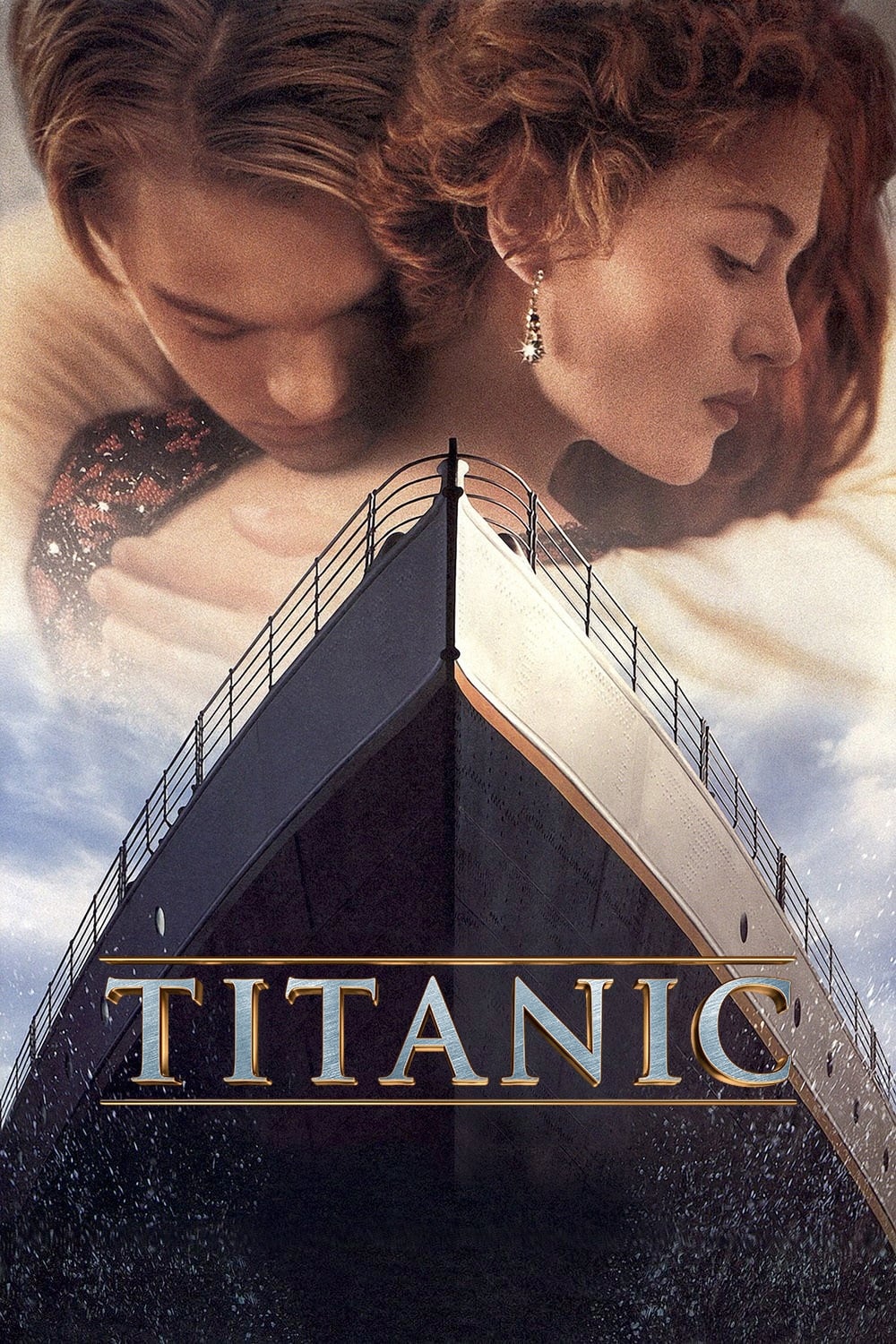
- Titanic's enormous freedom and leverage make it DiCaprio's accepted peak, despite a Django preference. — Bill Simmons
- The Father of the Bride house retains its peak in Father of the Bride. — Bill Simmons
- Con-man movies peak with The Sting rather than Catch Me. — Bill Simmons
- Walken is rejected for Apex here; The Deer Hunter, more-cowbell fame and the 1993–94 SNL/True Romance/Pulp Fiction period are alternatives, with Annie Hall also a favorite performance. — Bill Simmons
- Walken's Pulp Fiction and True Romance scenes continue the favorite-performance discussion. — Bill Simmons
- Joe Garagiola's peak is placed at playing or broadcasting a World Series rather than here. — Chris Ryan
- Pan Am receives tentative favorable Apex discussion but no firm resolution. — Bill Simmons
- Goldfinger is preferred as the Aston Martin's peak. — Bill Simmons
- The Aston Martin reportedly came from a Huntington Station dealership and a private owner because the specific car was difficult to find; its very high value is discussed as a reported estimate. — Bill Simmons
Recasting Couch
Chalamet as Frank; DiCaprio or Sterling K. Brown as Carl
In the discussion (1)
- Modern recasting favors Chalamet as Frank and DiCaprio as Carl; Zendaya is joked about as Hanks before the DiCaprio suggestion, and Sterling K. Brown is another Carl option. — Bill Simmons

In the discussion (22)
- The first-great-DiCaprio-performance hot take argues that this film depends more fully on him than Titanic or Romeo + Juliet; This Boy's Life is offered as an earlier exception. — Sean Fennessey
- Hanks's greatest-actor claim is questioned through weak accents, while his extraordinary movie-star run, popularity and success are defended; Cruise and Denzel are personal alternatives. — Bill Simmons
- Accent objections name Elvis, Charlie Wilson's War, The Post, Captain Phillips, The Terminal and Cloud Atlas, with disagreement over Captain Phillips. — Bill Simmons
- Carl's composite identity makes the accent unnecessary; the performance is placed low in Hanks's career despite affection for his presence. — Bill Simmons
- Hanks's two Oscars and serious films are weighed against Cruise's cultural force and comeback; Forrest Gump's standing draws disagreement. — Sean Fennessey
- Hanks's likability and storytelling are distinguished from greatest-actor status; Cruise's potential in Big or Cast Away is debated, while Greyhound illustrates a sturdy role Hanks handles well. — Sean Fennessey
- Cruise's consistent charismatic action lane is contrasted with Hanks's risky character work; hypothetical swaps include Philadelphia, Forrest Gump, Big, Mission: Impossible, Days of Thunder, Edge of Tomorrow, Minority Report, Taken, Eyes Wide Shut and A Few Good Men, with disagreement over equivalence.
- Hanks is defended as the more accomplished actor while Cruise's longevity and Denzel's comparable stature complicate the comparison. — Bill Simmons
- Hanks's post-Catch Me filmography is enumerated: The Ladykillers, The Terminal, The Polar Express, The Da Vinci Code, Charlie Wilson's War, Angels & Demons, Larry Crowne, Extremely Loud & Incredibly Close, Cloud Atlas, Captain Phillips, Saving Mr. Banks, Bridge of Spies, A Hologram for the King, Sully, Inferno, The Circle, The Post, Greyhound, A Beautiful Day in the Neighborhood, News of the World, Finch and Elvis. Cloud Atlas and the later dad-film run draw qualified defense. — Sean Fennessey
- A Man Called Otto is acknowledged as a hit and praised by a family member, while another speaker calls it only okay and a close Scandinavian remake. — Sean Fennessey
- Cruise's commercially bigger career is distinguished from Hanks's better career; comparing their 1988–2001 peaks prompts suggested Oscars for Hanks in Cast Away and Cruise in Jerry Maguire and Magnolia.
- Denzel's paycheck films, including The Equalizer, Déjà Vu and The Taking of Pelham 123, are considered more entertaining; Hanks's self-imposed Jimmy Stewart image may constrain his roles.
- Cruise losing for Magnolia to Caine in The Cider House Rules and for Jerry Maguire to Rush in Shine is challenged; Jude Law's Ripley performance is admired but placed below Cruise's Magnolia work. — Bill Simmons
- Hanks's consecutive Philadelphia and Forrest Gump Oscars strengthen his case; Denzel's Glory and Training Day wins are recalled with Malcolm X considered another deserved award. — Sean Fennessey
- Cruise's 2005-onward filmography is enumerated: War of the Worlds, Mission: Impossible III, Lions for Lambs, Tropic Thunder, Valkyrie, Knight and Day, Ghost Protocol, Rock of Ages, Jack Reacher, Oblivion, Edge of Tomorrow, Rogue Nation, Never Go Back, The Mummy, American Made, Fallout and Maverick; several weak films temper the franchise-success defense. — Bill Simmons
- Hanks's willingness to experiment is defended against Cruise's safe action lane, while Cruise's ongoing audience appeal and perceived rescue of theatrical movies are counterarguments; longevity versus peak quality is compared with basketball greatness. — Bill Simmons
- Cruise's 1990s-to-Minority Report run is compared with Hanks's peak, with The Others explicitly corrected as only an executive-producing credit; Toy Story is considered a decisive Hanks asset. — Chris Ryan
- Cruise's film library is the preferred desert-island entertainment choice for one speaker, while De Niro is called the best actor of that speaker's lifetime; Daniel Day-Lewis's great performances are distinguished from rewatchability. — Bill Simmons
- Weak later films and Hanks's lack of a Michael Mann collaboration enter the debate; both stars may be trapped by personas, but Cruise's stunts are considered more entertaining than Hanks's accents. — Bill Simmons
- The proposed top tier includes Cruise, Hanks and Denzel, before Harrison Ford's placement is debated. — Bill Simmons
- Ford's capacity for morally compromised sexuality is contrasted with Cruise's usual innocence; Hanks is urged to try a direct villain role without hiding behind makeup and accents. — Bill Simmons
- The industry's shift away from movie stars is offered as context for older stars' weaker later work; DiCaprio's future is compared with Nicholson's transition, including disagreement over Wolf and Hoffa. — Sean Fennessey

What’s Aged the Best?
Father-son casting; period houses and mothers; surveillance recognition; television; airline glamour; cons; ensemble; credits
In the discussion (12)
- Walken and the father-son casting are aged-best choices; the mother's new home is identified as the Father of the Bride house. — Sean Fennessey
- A joke imagines collectively buying houses connected to the show, including Boogie Nights and a Danny Trejo property, as a podcast real-estate cluster. — Bill Simmons
- Discreetly sexual mothers in period movies are an enjoyed trope, with Forrest Gump and The Ice Storm as examples; The Ice Storm receives explicit affection. — Bill Simmons
- Frank recognizing airport surveillance before being caught is an aged-best pleasure. — Bill Simmons
- To Tell the Truth is enjoyed as period television and identified as one of the story elements that really occurred. — Bill Simmons
- The two-mice speech is considered memorably odd and possibly bad rather than straightforwardly praised. — Bill Simmons
- The glamour of 1960s pilots and flight attendants is an aged-best choice, compared with Almost Famous and the Pan Am television series. — Bill Simmons
- Enjoying a con man while hoping he escapes, and the Sheen–DiCaprio pairing before The Departed, are aged-best choices. — Bill Simmons
- DiCaprio's 2002 moment just before his sustained adult-star run is an aged-best choice. — Bill Simmons
- The cast's four future major actresses are praised; Adams nearly steals the film according to one speaker, anticipating disagreement. — Sean Fennessey
- Con-man process details, including model-plane decals, routing numbers and check manipulation, are aged-best pleasures. — Chris Ryan
- The animated credits are praised and explicitly corrected as Saul Bass-inspired rather than created by Bass.
In the discussion (2)
- The podcast reports a 52 million budget,352 million labeled international,164 million domestic and eleventh place for the year; scopes remain the transcript's unverified wording. — Bill Simmons
- Ebert gives three stars, with no scale stated, praising effortless watchability and DiCaprio's breezy charm rather than calling it major Spielberg. — Bill Simmons

In the discussion (4)
- Leo is proposed as a higher-ceiling Charlie but may have been too electric and emotionally developed for the role. — Bill Simmons
- Matt Damon is preferred over Leo, although he may seem too smart and carry too much baggage for Charlie. — Chris Ryan
- Chris O'Donnell is defended because he plausibly looks like a scholarship student from Oregon. — Chris Ryan
- Ben Affleck is considered, though Chris O'Donnell is judged better suited to this particular role. — Bill Simmons

Recasting Couch
River or Joaquin Phoenix; DiCaprio; young Cruise; tentative Gooding or Wahlberg
In the discussion (13)
- The Kid’s cowardice and lack of heroic scenes are defended as difficult material for a young star. — Chris Ryan
- The Kid’s admission of never killing anyone is singled out as a major performance opportunity. — Sean Fennessey
- River Phoenix is proposed as the Schofield Kid. — Sean Fennessey
- Leonardo DiCaprio is another possibility, compared with his later Quick and the Dead appearance. — Sean Fennessey
- An early1980s Tom Cruise is imagined as a strong Kid. — Bill Simmons
- River Phoenix is reaffirmed as a Schofield Kid alternative. — Bill Simmons
- Joaquin Phoenix is a Schofield Kid alternative. — Bill Simmons
- DiCaprio is reaffirmed as a Schofield Kid alternative. — Bill Simmons
- Keanu Reeves is considered a poor fit despite affection for him. — Bill Simmons
- Cuba Gooding Jr. is proposed, with concern the timing may be early. — Bill Simmons
- Kiefer Sutherland is rejected as too old. — Bill Simmons
- Mark Wahlberg is proposed for the brash, dishonest energy, though perhaps two years early. — Sean Fennessey
- Sam Rockwell is considered too young. — Sean Fennessey
Films in the archive
Blood Diamond
2006


Catch Me If You Can
2002

Django Unchained
2012

Once Upon a Time in Hollywood
2019

The Departed
2006
The Wolf of Wall Street
2013

This Boy's Life
1993
Titanic
1997