
Film credit
Michael J. Fox
Also referred to as Fox
Stats
- Episodes featuring their films
- 4
- Movies in this archive
- 4
Rewatchables episodes featuring Michael J. Fox’s films
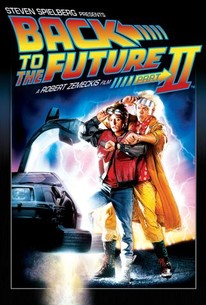
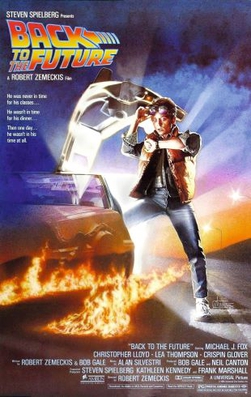
Mentioned in discussions
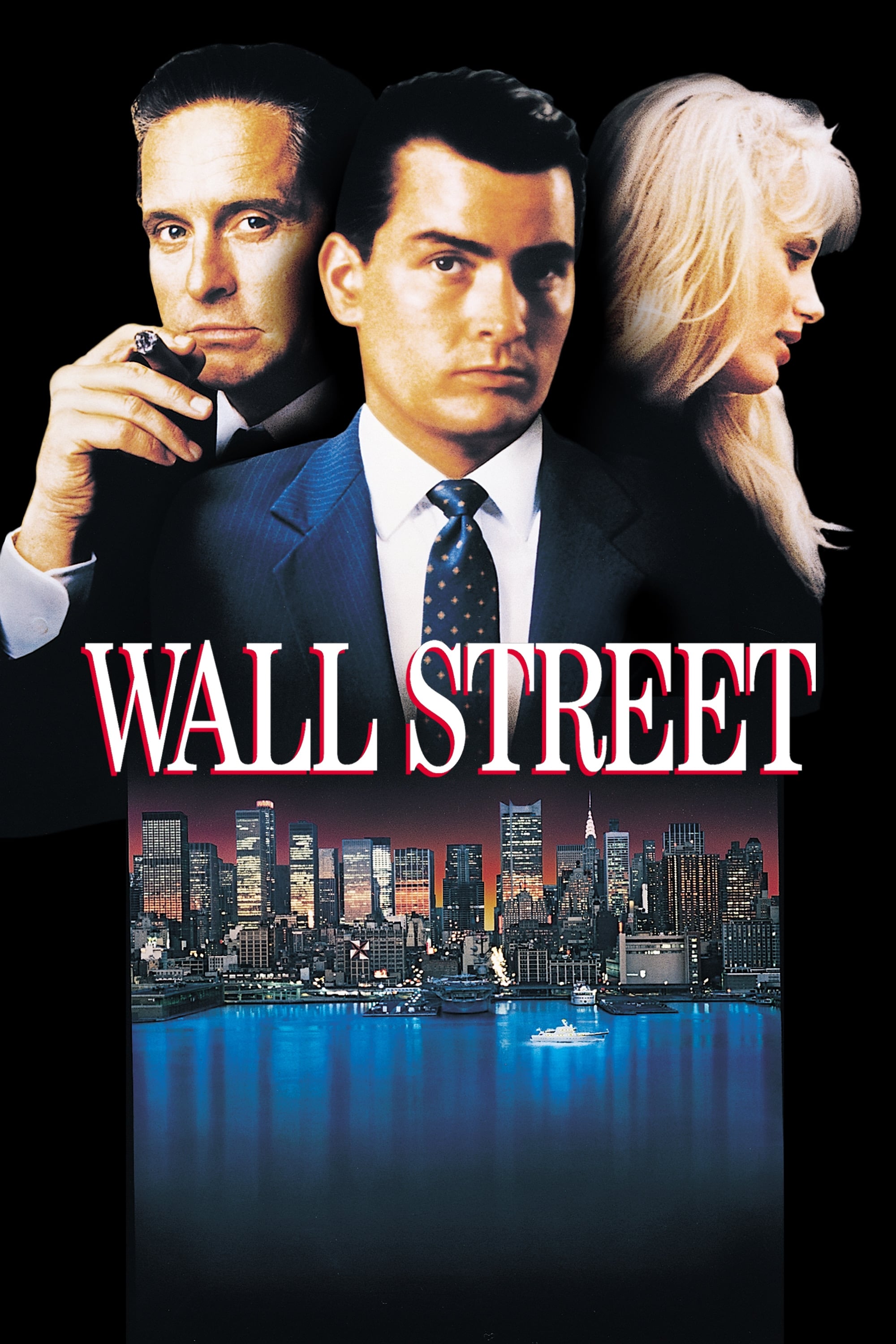

Casting What-Ifs
Warren Beatty or Richard Gere as Gecko; Tom Cruise as Bud Fox; Jack Lemmon as Bud's father
In the discussion (9)
- Fox wanted Warren Beatty for Gecko, who wasn't interested; Stone wanted Richard Gear, who passed during a stretch of bad movies. — Brian Koppelman
- Gear would have been good and looked great, as in Internal Affairs, but he does slow burn rather than the verbal pyrotechnics Douglas studies. — Brian Koppelman
- Beatty holds months of conversations and then says no, as he did to Goldman on Misery. — Brian Koppelman
- Gere's "I got nowhere else to go!" is praised, from a movie producer Craig has definitely never seen. — Brian Koppelman
- An internet claim that Pacino turned down Gecko in a 1992 Barbara Walters interview is called bullshit; the guess is that his agent passed on a script Pacino never really wanted. — Brian Koppelman
- Tom Cruise wanted Bud Fox and lobbied Stone, who was committed to Charlie; they later made Born on the Fourth of July. — Brian Koppelman
- Stone gets chippy on the commentary about Bright Lights, Big City shooting at the same time; Michael J. Fox was a miscast there and Downey Jr. would have been a home run. — Brian Koppelman
- Stone offered Charlie the choice of Jack Lemon or Martin Sheen as his father, and he picked his real father. — Brian Koppelman
- Per Stone, Hannah was not happy in the role and he should have let her go; Sean Young almost got fired and a Bud affair storyline was cut. — Brian Koppelman


Apex Mountain
USA Today
In the discussion (6)
- No for Michael Douglas (Wall Street), probably not for the Sidney actress (American Beauty Oscar), and no for Fox and Sheen. — Bill Simmons
- No for Sorkin, with The West Wing or The Social Network suggested instead. — Bill Simmons
- USA Today is a yes: breaking presidential romances before the internet knocked it out. — Bill Simmons
- Presidential movies may peak here, paving the way for Independence Day, Armageddon, Deep Impact and Haysbert on 24; it feels like yes but only "could be". — Bill Simmons
- A case is made for Rob Reiner, though A Few Good Men is still preferred. — Bill Simmons
- Sorkin did win the Oscar for The Social Network, so this is definitely not his apex. — Bill Simmons
In the discussion (7)
- The hosts report that Sorkin later admitted writing the screenplay high on crack cocaine, locked in the Four Seasons in LA while also developing Sports Night. — Bill Simmons
- The news is met with shock and the joke that it explains why nobody finishes a sentence in his movies; he is still called a fantastic writer. — Van Lathan
- Two participants say they already knew; his substance issues are described as documented and continuing for a while. — Van Lathan
- The hosts say sources conflict on whether the White House set was built for Dave or for this movie and reused for Nixon and Independence Day; the bedrooms are said to match The West Wing but not Dave. — Bill Simmons
- The hosts say Spin City came out of someone seeing this movie. — Bill Simmons
- The hosts report Fox kept his Parkinson's secret, hiding his shaking left hand in his pocket. — Bill Simmons
- The hosts report Reiner followed Bill Clinton around the White House for two days for research. — Bill Simmons

In the discussion (4)
- Dreyfuss is eligible because he is barely in the movie, with two scenes and some speeches; John Mahoney is considered. — Bill Simmons
- Fox and Sheen are in the movie too much to qualify. — Bill Simmons
- Dreyfuss on the talk show insinuating about Sidney makes the award his to lose.
- That TV appearance is likened to the blueprint of what Trump did over the last five years.

The Ruffalo / Hanna / Rubinek / Partridge Overacting Award
Michael J. Fox yelling at George on the phone
In the discussion (1)
- Fox dials it up in the call promising a list of everybody who tried to screw them, after being unable to cook all movie. — Bill Simmons

Most Rewatchable Scene
Andrew Shepard's final speech
In the discussion (15)
- The short lonely-widower moment is important because it sets up the movie.
- The first pool scene with Martin Sheen ("Call me Andy") is enjoyable; two people playing pool always works in a movie, as in Boomerang and Mystic Pizza. — Bill Simmons
- Douglas clearly worked on his pool game because the scene uses a full wide shot. — Bill Simmons
- The president calling Sidney for a date, which she takes for a prank, uses a rom-com trope said to appear at least 10 times.
- Agrees the trope is common, but this one is special because his solution is to have her call the actual White House number. — Amanda Dobbins
- The dance scene is well done; Douglas appears to do his own smooth dancing, the spark between them is real, and the reaction shots show everyone moved by the widower's first date.
- The morning after, staff barge in because the president's day has started while Sidney is still getting dressed; it could have gone badly in the wrong hands.
- Michael J. Fox challenging the president is a favorite scene; it inspired a college political essay about no longer recognizing genuine leadership, and its drink-the-sand line feels prescient in late October 2020.
- The second pool scene gets heated with the University of Wisconsin history professor line; the film is said to have negotiated three uses of the f-word, with a fourth meaning an R rating.
- That scene explains why Sheen is the consigliere: he hitched his kite to Shepard. — Bill Simmons
- Douglas's big speech taking it to Bob Rumson is the best, most rewatchable moment; the stretch from the Fox challenge through Sheen to the speech is a fantastic 15 minutes. — Bill Simmons
- The small limo scene ("No hopping, sir") is a favorite, and Fox is loved in this movie. — Van Lathan
- A line from the limo scene became a personal dating mantra: all plans are soft until confirmed 30 minutes ahead. — Van Lathan
- Fox's Danbury prison line still comes to mind; he was a moral compass on screen, and it is sad this was effectively his last movie. — Bill Simmons
- Before picking the speech, the flower-ordering scene is added: the dogwood tree-or-flower exchange and the Virginia ham conclusion show affection in the workplace and are top-grade rom-com material. — Amanda Dobbins


Who Won the Movie?
Jerry Levine as Stiles
In the discussion (1)
- Stiles wins because his shirts, humor, loyalty, and cultural memorability define the movie even as Fox moved to larger roles. — Kyle Brandt
Podcast choices
- Speaker not identified
- Jerry Levine / Stiles
- Speaker not identified
- Jerry Levine / Stiles
Apex Mountain
Back to the Future is Fox’s apex; the movie is considered for most supporting actors, van surfing, werewolves, and human-wolf sex.
In the discussion (6)
- Bestiality is proposed as an apex because the wolf encounter is treated as human-wolf sex. — Kyle Brandt
- Back to the Future decisively wins Michael J. Fox's apex despite the two movies arriving together. — Bill Simmons
- Most other speaking actors are placed at or near their career apex here, with Doug Savant an exception. — Bill Simmons
- Van surfing is proposed as peaking here before real-world danger curtailed the stunt. — Bill Simmons
- A run of early-1980s werewolf movies, Thriller, and Teen Wolf supports the werewolf-apex case. — Bill Simmons
- Twilight is the counterargument because of its large later werewolf audience. — Kyle Brandt
Half-Assed Internet Research
The basketball double, Fox sequel reports, an IMDb hoax, cast careers, memorabilia, a deleted Carson appearance, and Stiles shirts
In the discussion (9)
- Fox's basketball double is identified as Jeff Glosser, a college player who spent long days in wolf makeup during the short shoot. — Bill Simmons
- Conflicting reports that Fox hated the movie are rejected after a later reunion account says he greeted the cast remotely. — Bill Simmons
- A 2004 internet hoax falsely identified Mike Piazza as Mick and reached IMDb. — Bill Simmons
- Jerry Levine reportedly remained recognizable as Stiles long after release. — Bill Simmons
- Mark Arnold reportedly arranged for his soap character to die so he could promote Teen Wolf. — Bill Simmons
- Wiesmeier, Linda, is identified as a July 1982 Playboy Playmate appearing in the party Jell-O gag. — Bill Simmons
- Fox's jersey was sold to a Beverly Hills pawn shop for $30,000, with its later location unknown. — Bill Simmons
- A scripted Tonight Show appearance for the wolf was cut for expense and convenience. — Bill Simmons
- Stiles's five shirt slogans are catalogued as memorable artifacts. — Bill Simmons
Recasting Couch
Lori Loughlin or Elisabeth Shue as Boof and Eric Stoltz as Scott
In the discussion (3)
- Loughlin is proposed as a stronger Boof. — Bill Simmons
- Shue is proposed as a stronger Boof, with darker hair separating her from Karate Kid. — Bill Simmons
- Eric Stoltz replacing Fox as Scott is proposed as poetic compensation for losing the Marty McFly role. — Kyle Brandt
Casting What-Ifs
James Hampton reading for Coach Finstock before Michael J. Fox suggested him for the father
This discussion recalls a choice from an earlier episode.
In the discussion (1)
- James Hampton reportedly read as Coach Finstock before Fox asked him to read as the father. — Bill Simmons

What’s Aged the Worst?
Basketball execution, the driveway scene, effects, representation, party material, romantic conventions, song lyrics, and soundtrack
In the discussion (11)
- Michael J. Fox's basketball form and the unseen hour of discarded sports footage are the first answers. — Bill Simmons
- Mr. Howard and Boof's strangely intimate driveway basketball scene is judged more inexplicable than the supernatural events. — Bill Simmons
- Looped basketball edits and a shot in The Fish That Saved Pittsburgh are cited as examples of poor sports continuity. — Bill Simmons
- Scott's mirror transformation closely resembles the prior year's Terminator mirror scene. — Kyle Brandt
- The lead actors read substantially older than high-school students. — Bill Simmons
- The only Black student's appearance is tied immediately to a break-dancing gag, a choice described as dated even for 1985. — Bill Simmons
- The excessive claw marks on Boof are called hard to justify now. — Bill Simmons
- The party's unexplained floor game is called hard to justify now. — Bill Simmons
- The familiar 1980s plot in which a boy overlooks his loyal friend for a more glamorous girl is compared with several other teen movies. — Bill Simmons
- The 'Win in the End' verses are read as unexpectedly bleak and suicidal beneath an upbeat sports montage. — Bill Simmons
- The soundtrack is criticized for lacking the recognizable contemporary songs heard in other 1980s teen movies. — Kyle Brandt


