
Film credit
Natalie Portman
Also referred to as Portman
Stats
- Episodes featuring their films
- 3
- Movies in this archive
- 2
Rewatchables episodes featuring Natalie Portman’s films
Mentioned in discussions
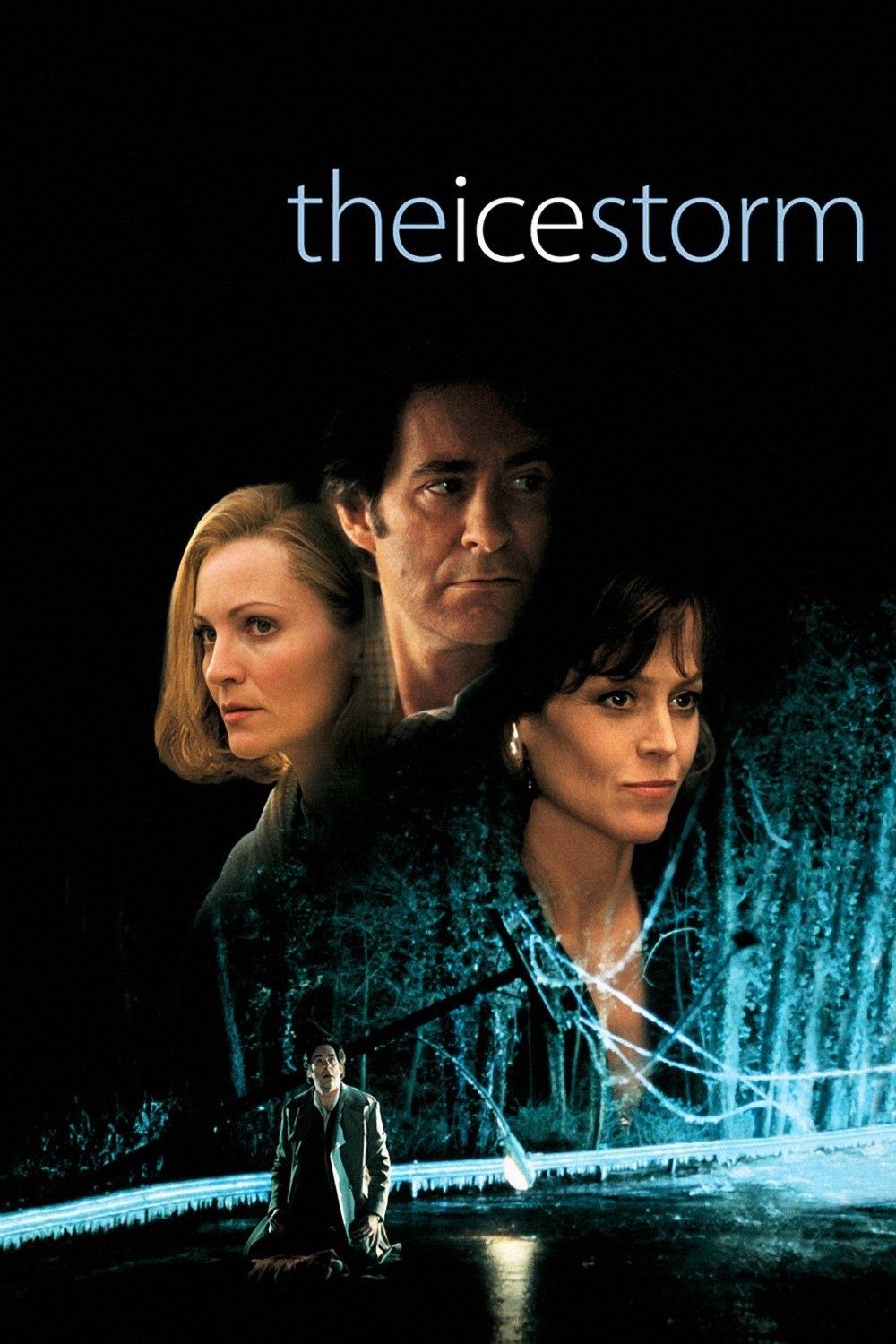

Casting What-Ifs
Natalie Portman as Wendy
In the discussion (3)
- Natalie Portman reportedly turned down Wendy, which would have come shortly after The Professional and Beautiful Girls. — Bill Simmons
- That casting would have been a third sexualized role for her before 18; Ricci is judged more authentic, with a darker, more withering energy that Wendy needs. — Bill Simmons
- Portman in an Ang Lee film would still have been interesting. — Bill Simmons

Casting What-Ifs
Mann corrects online casting stories
In the discussion (5)
- Mann denies that Keanu Reeves was originally signed to play Chris; it was Val Kilmer — Bill Simmons
- Michael Madsen was considered, but Mann denies that he was cast and replaced by Sizemore — Bill Simmons
- Mann does not recall Ted Levine declining Waingro to avoid typecasting and doubts the story — Bill Simmons
- Mann says James Caan was not seriously planned for Heat despite their friendship — Bill Simmons
- Mann names Kate Winslet as a serious alternative to Natalie Portman for Lauren — Bill Simmons

In the discussion (4)
- Roger Ebert gave the film two and a half stars. — Bill Simmons
- The quoted review calls Country Strong one of the best movies of 1957, meant sincerely as a compliment, contrasting it with Natalie Portman "mentally disemboweling herself for art," whom Ebert admired and expected to earn an Oscar nomination. — Bill Simmons
- The review describes the film as a throwback 1950s melodrama built from stock elements: a depressed heroine, a manipulating husband, an ambivalent other man, and a young Eve Harrington waiting in the wings. — Bill Simmons
- The review is praised as one of Ebert's best: the movie is old-school, released when movies were in their Black Swan stage. — Bill Simmons

Recasting Couch
No affirmative selection
In the discussion (5)
- Better 1995 choices for the president's daughter existed; Natalie Portman, who did Heat instead, is preferred. — Bill Simmons
- A counterpoint says Portman is not awkward or bookish enough for the role. — Van Lathan
- Is Reese Witherspoon too old for the daughter in 1995? — Amanda Dobbins
- Notes she is in Fear a year later. — Bill Simmons
- She could play innocent but plucky, though she might have been about two years too old; still called a good one. — Amanda Dobbins
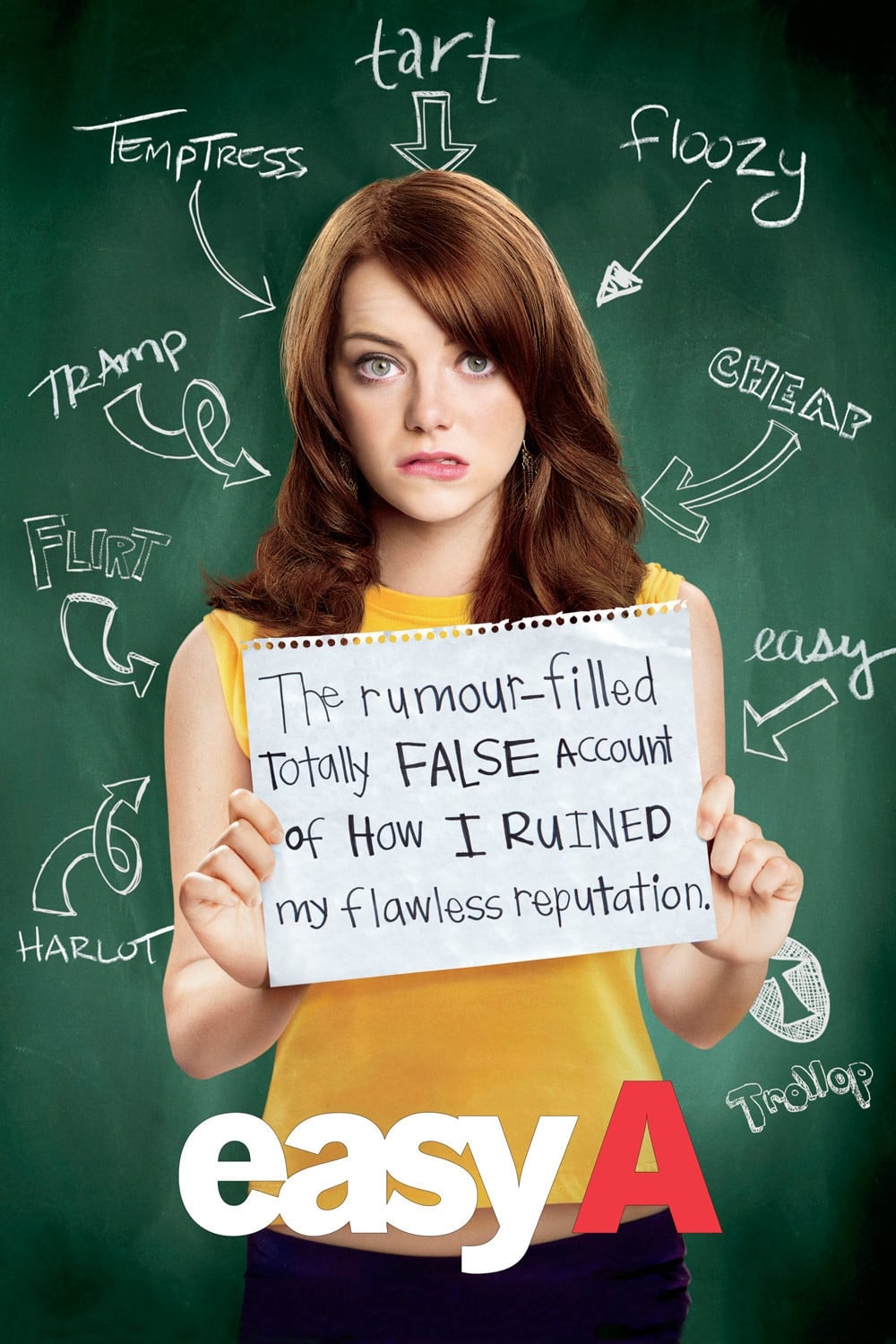

Apex Mountain
No affirmative selection
In the discussion (6)
- On paper this is not Stone's Apex since her career starts here, she won an Oscar for La La Land, and made bigger and more serious films; she should have been nominated for this. — Amanda Dobbins
- The 2010 Best Actress field is recited (Natalie Portman winning for Black Swan, Annette Bening, Nicole Kidman, Jennifer Lawrence, Michelle Williams); there was room for Stone but the Oscars do not acknowledge comedy; not technically her Apex, but she does not reach it without this. — Amanda Dobbins
- Her Vanity Fair cover came the following year, thought to be October 2011; her fame would probably have happened anyway, and this is not anywhere close to her Apex. — Juliet Litman
- Her Apex is probably La La Land, though the Oscar victory lap was short because of the Moonlight mix-up; a disagreement says the Oscar let her get any movie made, and she chose Cruella. — Amanda Dobbins
- Cruella draws concerns as a children's origin story for a dog-skinning villain, versus the pitch of evil Emma Stone; Easy A made an equally unpromising premise work. — Amanda Dobbins
- It is not anyone's Apex, a pivotal canon movie without a peak; a hedged suggestion that it is probably director Will Gluck's peak "in my opinion" gets a "That's true." — Juliet Litman
In the discussion (9)
- Is grabbing a little kid as a human shield the most evil act by a movie bad guy? In context, the character immediately has to go. — Bill Simmons
- Did Tom Noonan's character invent the internet? 'We can't say he didn't.' — Chris Ryan
- Could a man with a gun run from an LAX hotel onto the runways? Easier pre-9/11 but still hard; a 2020 version would have to address it, perhaps at Union Station. — Chris Ryan
- Did the film cause more bank robberies? The hosts cite internet claims listing armored-car robberies abroad and the 1997 North Hollywood Bank of America shootout, which they say left both robbers dead and 11 officers and seven bystanders injured and was partly blamed on the movie. — Bill Simmons
- The character's line that the Super Bowl cleaned him out is placed as the Chargers-Niners Super Bowl with jokes about him backing the Chargers against Steve Young, gambling touts and betting the Pro Bowl. — Chris Ryan
- What happened to Chris? He moves to Vegas, maybe starts a sports book, and is probably killed within two years by someone he owes. — Bill Simmons
- Dominic's life looks dark per Drucker; a Netflix version could have Portman as a detective chasing Dominic, and Neil and Eady may have had a son. — Bill Simmons
- Was Neil a hypocrite for going back for Chris during the bank shooting? He breaks his own rules throughout, including hiring Haysbert's fry cook as a driver. — Bill Simmons
- Heat 2 options: modernize with new people and tech, an all-Black cast, Kelso starting Facebook, or a generational sequel with Portman's character, Dominic, Neil and Eady's son and the girl Cheritto grabbed seeking revenge. — Bill Simmons

In the discussion (2)
- The overacting award is renamed the Vincent Hanna Overacting Award, 'Give me all you got', because Pacino basically retires it. — Bill Simmons
- Runner-up: Natalie Portman's 'my barrettes' outburst, where she does dial it up. — Bill Simmons


Most Rewatchable Scene
The Benihana scene
In the discussion (20)
- The movie is centered on about five rewatchable scenes that bleed into each other, and the last hour and fifteen minutes is one action piece divided into three; one first pick is everything from the Hofbrau introduction through Nick and the LASD clique bracing Donnie in the hotel room.
- The case for the opening donut-shop robbery is the eeriness of LA at three or four in the morning once you leave Hollywood for Hawthorne and the side towns off the 10 and the 5, when the traffic is gone and the streets are empty, even if wetting down the streets is a liberty.
- The guy in the back of the armored truck has the worst job and always gets blown up; the crew goes straight for the cops and kills the first two in two seconds, which sets a tone unlike Heat, where the crew only fires back at cops as a last resort.
- The scene extends to the garage afterward, where the zoom on Pablo staring into the empty truck and the cop-killers line lay the stakes bare: thirty million richer or dead; Butler's entrance eating the donut, the hot-zone exchange and the pain-in-the-ass FBI agent giving him grief, plus the palm-juice piss-test detail, are also loved.
- Whether the drill-the-hole, insert-and-open trick on the truck window is a nod to the umbrella trick in the fifties French heist film Rafifi (as transcribed), alongside the obvious Heat hat tips, is raised as a question.
- The Hofbrau and the hotel room are where the movie jumps a level: Donnie's plea that he is only a driver, the tasing, the weird hotel with indoor smoking, ladies of the night and chicken tenders, and Nick pointing at his regulators to explain that the clique owns him; catching Donnie this early rather than midway is a different play.
- Donnie's story of meeting Merriman at the backyard barbecue, Merriman eating skirt steak with nothing else, the Dasani everywhere, the silver dollar pancakes pause, and the genre's tradition of people eating unhappily outdoors are enjoyed; Nick's ex-wife's dinner party is the only happy meal in the film.
- 50 Cent's prom-date scene, tucking in the blood handkerchief and leading the kid into the garage to meet the entire Long Beach Poly offensive line plus Pablo Schreiber and the Samoan guys, is played perfectly.
- The Benihana scene is one host's favorite scene in the movie; the idea is the Heat move of letting the other crew know you are on to them and applying pressure, and the guess is that ten straight takes were shot before Butler asked to do one completely insane take, which is the one they used.
- Benihana nitpicks are part of its rewatch appeal: Nick blows Donnie's cover immediately, and in real life a crew that killed four cops would have the city locked down rather than being followed to dinner, though the cops have no evidence and want to kill rather than arrest them.
- Whether this is the best Benihana scene of all time is asked; Benihana is an underused location with the shared table and the knives, and the dream version has Big Nick and Merriman squeezed in beside a family of civilians.
- How Merriman's crew set up an entire murder tent in the garage with plastic and a vat of acid between leaving Benihana and getting back is a lingering question, answered with the joke that a four-letter text to Jeff Chow at the Ringer gets the same thing set up in the spare office.
- Merriman standing up at the table with the family-here, popping-off line, shot so he looks eighteen feet tall with his chin out and chest tattoos, is a comic-book trick; the revelation that he is Liev Schreiber's half-brother leads to the joke of drafting him too.
- The men's suit store meeting is called possibly the greatest scene in American cinema history: cops who are regulars in a lounge at a shop selling leather jackets, cowboy boots and remaindered suits, Butler buying an out-of-style half-duster leather jacket and drinking coffee from porcelain, and Donnie openly meeting them in public, compared to the Hamburger Hamlet emergency meeting in Entourage.
- The personal-life interlude that follows the suit store is too much, the same problem as Heat, although Heat's relationships are detailed enough not to feel like a waste while the ex-wife here has no personality; Natalie Portman could be cut from Heat, a debate saved for the hundredth episode.
- The locked-and-loaded scene is a high-level version of the action-movie staple, with Gus's visualization techniques and Pablo Schreiber's rifle lesson to Donnie played as a clip; the crew carries thousands of bullets and still runs out.
- The three final robberies are the Pico Savings and Loan fake hostage situation, which one host found a mail-in that needed a more frightened bank manager, the long and elaborate Federal Reserve heist, and the highway shootout; the Chinese food sitting in the ceiling for a week is flagged as a nitpick.
- The Kaiser Soze reveal at the end does not need rewatching once you have it, though O'Shea Jackson's English accent is loved; the guess is that the original script was Merriman versus Nick and the Donnie plot was expanded so the last two scenes set up a sequel.
- Two go with Benihana as the one to stop channel-flipping for; the third has two answers, the shooting range standoff on a first viewing and, after five or six viewings, the hotel room interview where Donnie's little traps and the director's traps for the audience become visible, which also shows O'Shea Jackson is a gifted actor and a movie star.
- Earlier the Benihana scene is called incredible despite making no sense, and any scene set in Ziggy's Hofbrau would do.
Casting What-Ifs
Jon Hamm, slated for Nick until Mad Men's Matthew Weiner would not release him; Tom Cruise and George Clooney weighed for Nick; Reese Witherspoon, who held the rights to play Amy before Fincher talked her out of it; Charlize, Natalie Portman, Emily Blunt, Rooney Mara, Olivia Wilde and Julianne Hough considered for Amy; Emily Ratajkowski cast on Ben Affleck's recommendation
In the discussion (11)
- In the formal casting what-ifs, most having been covered already, the one new item is that Fincher cast Emily Ratajkowski on a recommendation from Ben Affleck, which the hosts find the funniest thing they have heard and worth a shout-out, joking about hiring her as a football writer to cover the NFC.
- Jon Hamm was going to play Nick but Matthew Weiner would not let him out of his contract for the last season of Mad Men, the way The Office accommodated Ed Helms filming The Hangover at night; the part could have ignited Hamm's career as Don Draper in a bad marriage, though whether Hamm would have done the side dick is called the only question that matters.
- The case against Hamm is that the role needs innate likability, and nobody ever simply liked Don Draper even if Hamm is loved in The Town and Baby Driver; the counter is that Nick is supposed to seem rationally likable yet somehow repellent, which Hamm could swing.
- The relationship we have with Hamm is with Don Draper, while with Affleck it is with Affleck the public person; a Hamm version would still have been a good movie, because the film is about marriage, what women and men say they want, stardom and the media, bigger than Fincher's narcissism explanation; another voice thinks Hamm would have been good but loves that Affleck did this at the point of his completed comeback.
- Tom Cruise as Nick Dunn is floated, with one voice calling the idea amazing, and rejected by the rest: he is too short and lacks Affleck's bulk and wide shoulders, you need to believe Nick can keep up with Amy, you need to see his belly exposed when he rolls over, and nobody can picture Cruise sitting down for Battlefield 3; Clooney fifteen years earlier is possible but a little too skinny.
- Reese Witherspoon obtained the film rights intending to produce and play Amy, met Fincher and somehow gave the part up; the hosts cannot picture her riding Neil Patrick Harris covered in blood, finding her too earnest, open and likable to go dead-eyed the way Amy requires.
- Other names reported for Amy: Charlize and Natalie Portman, both of whom would have been interesting though Charlize carries baggage as an actress, Emily Blunt, Rooney Mara whom Fincher had just worked with, Olivia Wilde, and strangest of all Dancing with the Stars' Julianne Hough, who got far down the road before her bid at a serious acting career stalled.
- Fincher wanted an actress with a Faye Dunaway in Chinatown persona, someone who has experienced avenues of pain no one can articulate; he settled on Rosamund Pike because at 35 she could pass for 29 or 40, she was an only child like Amy, and after four or five of her movies he had never got a beat on her, an opacity he found interesting, when the natural move would have been Charlize.
- Fincher has always had an eye for unproven, on-the-cusp talent, Pitt in Seven, Eisenberg and Rooney Mara in The Social Network, Mahershala Ali and Taraji Henson in Benjamin Button; the hosts expected Pike's career to go somewhere else after her Oscar nomination, and before this her notable role was Jack Reacher, an embarrassing part two years earlier.
- Asked whether baggage with a real celebrity hurts a part like this, the answer is that for Amy you need to be totally confused about the person, the opposite of the Affleck character whom you must root for implicitly, so somebody you have never seen before makes it scarier. — Shea Serrano
- Pike's biggest role until then was Jane Bennett in Pride and Prejudice, the book that turns up in the bookshop where they have sex.

Half-Assed Internet Research
Substitute campuses, the referenced movie star, the second twin performer, weight loss, the opening scene’s takes and an unidentified Gates impersonator
In the discussion (6)
- Harvard scenes were filmed at multiple other schools. — Bill Simmons
- Natalie Portman is identified as the movie star referenced by a deposition line. — Bill Simmons
- Josh Pence played the body double for the second Winklevoss and appears visibly in another scene. — Bill Simmons
- Timberlake lost roughly fifteen to seventeen pounds to appear younger. — Bill Simmons
- The opening breakup reportedly required 99 takes across eight script pages. — Bill Simmons
- The Gates performer is described as an unidentified impersonator; the following aside does not establish the actor’s identity. — Bill Simmons

Sequel, Prequel, Limited Series, or All-Black Remake
12-episode Netflix remake with Michael Mann; Heat 2 with Natalie Portman's character as a Los Angeles homicide detective; Downey and Denzel as a modern pairing; Heat 2 preferred over the Netflix series
In the discussion (6)
- Asked whether a 12-episode Netflix remake with Michael Mann involved, or one on Amazon Prime, Hulu or HBO, would be exciting, the answer is that parts would be interesting in the modern world, but surveillance stories are better without the internet: Heat's cops follow the crew with night-vision cameras rather than reading emails and texts, which would feel like cheating, and even this season of Homeland is boring for watching people do stuff on computers.
- A remake set in the internet world could be part of the charm, but the preference is for it to stick to the streets and get off the net.
- Earlier the film is called what would have been the greatest 10-episode Netflix series ever: scenes of Val Kilmer's character losing big at Foxwoods or stopping at Morongo on the way back from Arizona, and more on the cook, Natalie Portman's character at school, Van Zandt and Jon Voight.
- Heat 2 is floated: De Niro's character only passed out, and Natalie Portman's character returns as a Los Angeles homicide detective under Michael Mann, chasing Val Kilmer's character or another bank robber, perhaps falling for Neil's son from another marriage; 'I would see Heat 2.'
- Asked who could square off as a modern version of the diner scene, no pair is thought to mean what De Niro and Pacino did; Downey and Denzel are proposed as movie stars with acting chops, Downey and Leo are offered instead, Denzel is defended as still having moves as in Flight, and Daniel Day Lewis is ruled out because it has to be guys you'd see on Wilshire or Figaro, prompting an impression of him vowing to work at an old Blockbuster on Fairfax.
- Choosing between Heat 2 and a 12-episode Netflix modern Heat, the answer is Heat 2, for the big-screen experience, with Heat 2 starring Natalie Portman imagined in theaters in 2019.



