Dean Norris’s seemingly unchanged age prompts a proposed J.A. Adande award for someone who has looked the same throughout the observer’s life, with Freeman and Caine added. — Bill Simmons
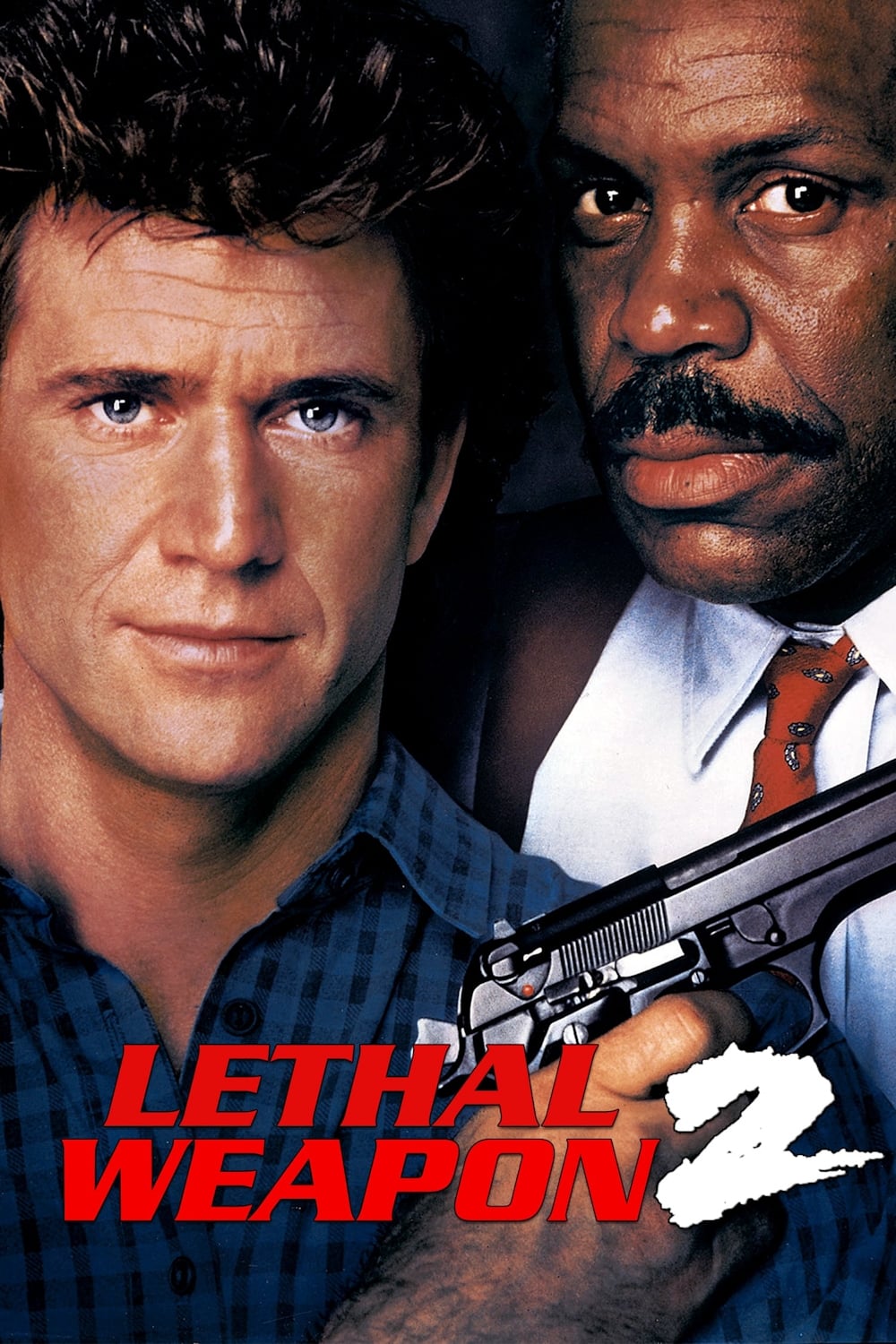
Rubber-plant condom joke; young Dean Norris and Nestor Serrano; blond Hitler-haired henchman; South African accents; Joss Ackland; Patsy Kensit; Eric Clapton soundtrack; decision not to kill Riggs; Pesci's introduction; nail guns
The condom material with the daughter paying off in the rubber-plant joke is classic cop humor. — Bill Simmons
Seen on cable as a kid, a dad laughed with his entire soul at the condom scene; the joke only made sense years later; a room full of cops is the right setting. — Van Lathan
The bad guy with the blond Hitler hair; a wispy mustache would have been too on the nose. — Bill Simmons
The South African accents get special applause ('who is the dickhead now, eh?'). — Bill Simmons
Asked why no South African accent was attempted, the reply is that South African is hard to do. — Chris Ryan
Joss Ackland, the Russian diplomat in Hunt for Red October, is good with a variety of accents. — Bill Simmons
Patsy Kensit does a great job, though notes follow about her character having no apparent culpability for working there; she looks great.
She faced a tough crowd in Michelle Pfeiffer's golden age, with Greta Scotchy and Meg Ryan also around; a high-school argument over Scotchy versus Kensit is recalled. — Bill Simmons
Kensit married Liam Gallagher and was originally a singer in a band. — Chris Ryan
The soundtrack: Eric Clapton does the guitar work and there is a George Harrison song. — Bill Simmons
The decision not to have Riggs die, financially. — Bill Simmons
The introduction of Pesci, like a microwave scorer off the bench, injects adrenaline and breaks into the Riggs-Murtaugh chemistry.
Nail guns: this was the first time seeing one, and with Snoop in The Wire nail guns aged really well. — Van Lathan
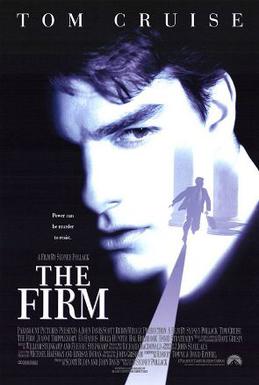
Dave Grusin's piano score; the name Mitch McDeere; the Cayman Islands as a locale; nineties Cruise; the cast as a whole; the Memphis setting; the foresight in casting future character actors
The soundtrack, controversial at the time, has aged the best: Dave Grusin's piano is a character in itself, adding humor, melancholy, romance and suspense, recurring in themes such as the guitar on Beale Street and the drive by the river, and it puts Grusin on the Who Won the Movie list; it is called one of the best scores of the last twenty-five years and was Oscar-nominated, though polarizing when released.
Mitch McDeere is a great name; the Cayman Islands have always aged well as a mysterious locale; nineties Cruise is a peak era, and the hosts miss having an actor you buy season tickets for, floating Emma Stone, Miles Teller, Damon and Leo.
The totality of the cast and the Memphis setting, an emptied, fading southern metropolis, have aged well; on rewatch Mitch and Abby are themselves idiosyncratic, a self-made striver and a more moneyed wife, which reads as a Clinton-era, sell-out-or-not story that David Rabe and Robert Towne were obsessed with.
The character-actor foresight has aged well: Dean Norris and Tobin Bell as the two assassins before Breaking Bad and Saw, Terry Kinney before Oz and Billions, and Margo Martindale as the secretary, classic Pollack casting where the eighteenth most important person is a great actor.