
‹ All people

Blood Diamond

Blood Diamond
Blood Diamond


The Verdict
The Verdict
The Verdict


Boogie Nights

Top Gun: Maverick
Top Gun: Maverick

Top Gun: Maverick

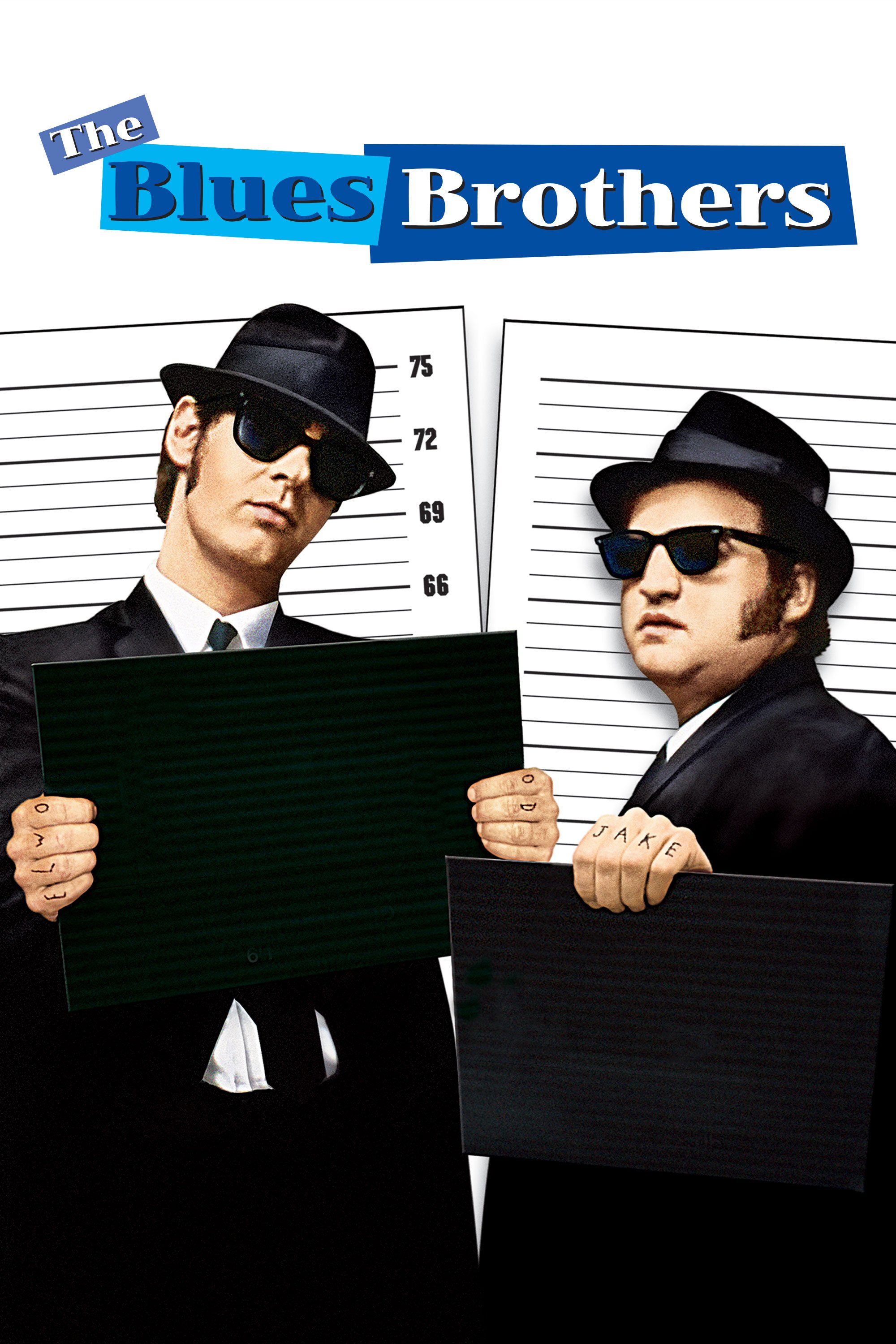
The Blues Brothers

Before Sunrise
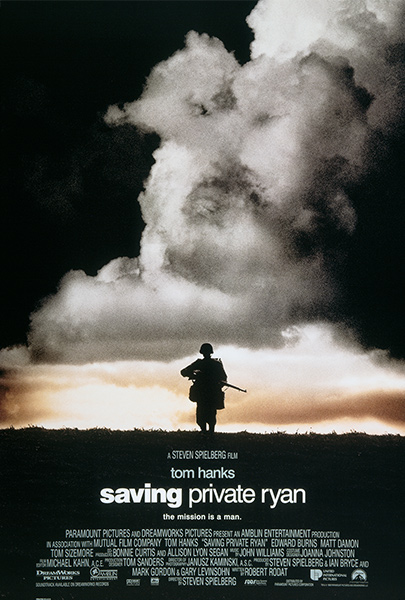
Saving Private Ryan
Editorial Director, The Ringer
Chris Ryan
Chris Ryan is listed by The Ringer as editorial director.
Also referred to as Chris, CR, Christopher Ryan, Sierra
Stats
- Episodes credited in this archive
- 286
- Movies in this archive
- 271
- Attributed podcast choices
- 46
Recently watched on Letterboxd


Across the table
Appearing on these Rewatchables episodes





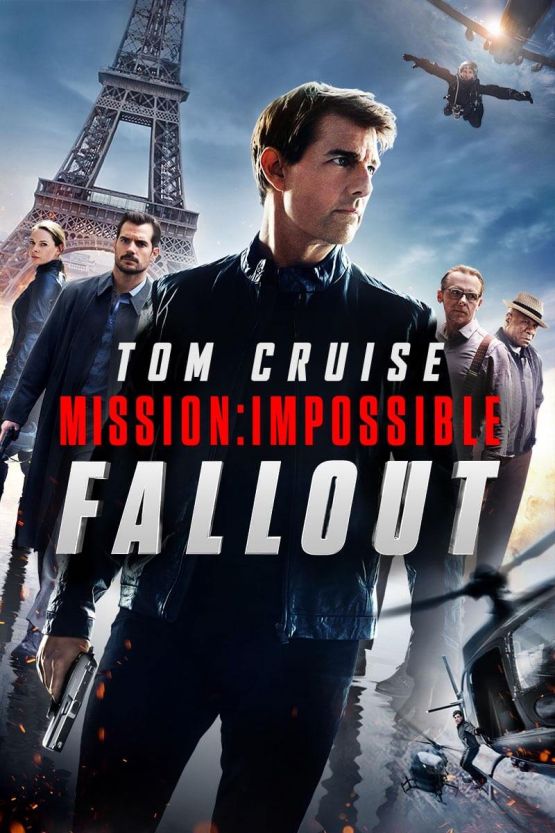
Mission: Impossible – Fallout
2018 film
Bill Simmons · Chris Ryan · Craig Horlbeck
Aired December 27, 2022
Displaying episodes 121 - 132 of 286 in total
Mentioned in discussions
In the discussion (8)
Approx. transcript time · 01:15:35Read transcript
- Lab-grown diamonds are added as the clearest thing that aged well. — Craig Horlbeck
- The producer had not seen the film and responds positively to its mix of action and difficult subject matter. — Craig Horlbeck
- Modern difficult-topic awards movies are contrasted as smaller and sadder rather than large star vehicles. — Craig Horlbeck
- Kanye West’s Diamonds from Sierra Leone was the producer’s first exposure to conflict diamonds. — Craig Horlbeck
- A modern Zwick might make a documentary because a hundred-million-dollar studio feature is hard to greenlight. — Chris Ryan
- DiCaprio is praised for still using stardom to mount expensive issue-oriented films. — Chris Ryan
- The Siege is used to show how quickly current-affairs films can be overtaken by history. — Chris Ryan
- Global studios’ need for broadly marketable antagonists is cited as another constraint. — Chris Ryan
Picking Nits
Danny’s perfect facial hair, cross-border arrest geography, Solomon risking death at the camp, Maddie’s photo distraction, Benjamin’s death, mountain reception, and constant Guinness drinking
In the discussion (8)
Approx. transcript time · 01:05:02Read transcript
- Danny’s facial hair remains too precisely groomed after many days on the road. — Bill Simmons
- An arrest by Liberian border guards should place Danny in Liberia rather than the Sierra Leone prison where he meets Solomon. — Bill Simmons
- Hiding diamonds inside goat skin is praised as a useful smuggling detail. — Bill Simmons
- Solomon’s public breakdown after seeing Dia through the camp fence seems likely to get him shot. — Bill Simmons
- Maddie stopping armed soldiers by taking their pictures feels like a television-movie device. — Bill Simmons
- Benjamin’s death is treated as an avoidable action detour that could be cut. — Bill Simmons
- The final cell call remains implausibly clear. — Bill Simmons
- Repeated bottled Guinness orders in tropical heat are questioned as possible product placement. — Chris Ryan
Half-Assed Internet Research
DiCaprio family cameos, Dia’s name, Jennifer Connelly’s injury, DiCaprio’s training, and the diamond industry’s objection
In the discussion (6)
Approx. transcript time · 01:01:09Read transcript
- Two women at the airport are reported as Leonardo DiCaprio’s mother and grandmother. — Bill Simmons
- Dia is reported to mean expensive in an adapted Sierra Leone language. — Bill Simmons
- Jennifer Connelly reportedly suffered a serious neck injury during a car chase. — Bill Simmons
- The injury may explain her absence from shots inside the fleeing car, though this remains an inference. — Chris Ryan
- DiCaprio reportedly gained muscle and trained with former Rhodesian soldiers. — Bill Simmons
- The De Beers company is reported as unhappy with the movie. — Bill Simmons
What’s Aged the Best?
The explanatory title cards, David Harewood’s villain, child-soldier depiction, diamond smuggling, Leonardo DiCaprio’s 2006 leap, local language, road-movie structure, goat-skin concealment, and lab-grown diamonds
In the discussion (11)
Approx. transcript time · 00:44:37Read transcript
- The opening Sierra Leone title cards efficiently establish civil war and control of diamond fields. — Chris Ryan
- The observed David Harwood villain is immediately hateful yet gains dimension while radicalizing Dia.
- The child-soldier passages show indoctrination through several short scenes without reducing the process to one speech. — Chris Ryan
- The refugee-camp and Western-culpability material make the story more detailed than a short romance-driven version would be. — Chris Ryan
- A diamond hidden in a tooth works as portable currency that immediately funds the next step. — Bill Simmons
- The old light-blue VW bugs provide memorable period texture. — Bill Simmons
- DiCaprio’s 2006 work completes the transition from promising child actor to adult leading man. — Bill Simmons
- The film’s local language and repeated journey through the landscape strengthen the road-movie feeling. — Chris Ryan
- The road structure makes Danny, Maddie, and Solomon’s relationships change through shared travel. — Chris Ryan
- Diamonds concealed inside goat skin are praised as another effective smuggling detail. — Bill Simmons
- Lab-grown diamonds are added as the clearest missed Aged Best answer. — Craig Horlbeck
Probably Unanswerable Questions
Delayed lawsuit; Mickey’s generosity; award amount; sobriety; Laura; disbarment; higher settlement
In the discussion (10)
Approx. transcript time · 00:55:51Read transcript
- Whether Galvin would accept a 510,000 settlement is explicitly unanswerable.
- Unanswerable: why the suit took four years; family relocation needs and Galvin's long inaction are possible explanations.
- Mickey's business and motives for giving Galvin a 70,000 opportunity and extensive unpaid help are questioned; an older-generation friendship/fence-building anecdote offers context. — Sean Fennessey
- Unpaid substantial favors are contrasted with the hosts' lesser willingness to help each other,defending Mickey as an older-generation friend. — Sean Fennessey
- The award is guessed at one million,then several million,including four or five million. — Sean Fennessey
- A further estimate is three to four million,with one million for Frank. — Bill Simmons
- Whether Galvin stays sober is disputed: coffee suggests reform,but others expect continued drinking and note he never fully stops; refusing brandy at the archdiocese is admired.
- Laura is proposed as an ultimate Chris Ryan attraction,contrasting her darkness with Dana Wheeler-Nicholson's upbeat appeal.
- Whether every lawyer and the judge should be disbarred receives a joking probable yes. — Bill Simmons
- The doctor's paid disappearance renews questions about why the defense did not simply raise the settlement or locate the nurse.
What’s Aged the Best?
Afraid-to-try lawyer; camera work; opening; judge; phone bill; Rampling; dialogue; Church villain; Warden
In the discussion (18)
Approx. transcript time · 01:07:28Read transcript
- Cheap, unsuccessful lawyers afraid to enter court are praised as an effective dramatic type. — Bill Simmons
- The wide stationary camera angles are praised. — Bill Simmons
- The opening establishes a broken-down drunk while preserving sympathy. — Bill Simmons
- O’Shea’s judge is a memorably hateful villain. — Sean Fennessey
- The extreme unfairness strains credibility for one viewer,while others accept the depiction. — Sean Fennessey
- Refusing a nighttime extension is a powerful scene.
- Ebert's observation that Newman's newly tired appearance reveals his acting and foreshadows older roles is placed in aged best. — Bill Simmons
- Galvin finding a witness through a stolen phone bill is admired as clever and plausible despite being a stretch. — Bill Simmons
- Concannon's uniformly white legal team and excitement at the opposing expert being Black expose their prejudice. — Bill Simmons
- Rampling's performance improves on rewatch once her motives are known. — Bill Simmons
- Laura's alluring but damaged presence in Galvin's ordinary bar seems implausibly fortunate until her motives are revealed; Chris expresses particular admiration. — Chris Ryan
- Rampling surveying the apartment,keeping her eyes open during a kiss and acknowledging the ex-wife photograph rewards rewatching. — Chris Ryan
- Laura’s encouragement manipulates Galvin’s masculinity. — Sean Fennessey
- Mamet's repeated accusations that people do not care whom they hurt and cigarette requests are admired. — Bill Simmons
- The Catholic Church as villain is considered prescient. — Sean Fennessey
- Warden's age-weary dialogue is almost a parody of his persona but remains enjoyable. — Bill Simmons
- Lumet and Bartkowiak reportedly studied Caravaggio paintings for visual references and color. — Bill Simmons
- Galvin’s frustration at discovering the broken elevator after using eye drops is admired. — Sean Fennessey
Most Rewatchable Scene
Judge confrontation; Kaitlin’s testimony; opening
In the discussion (26)
Approx. transcript time · 00:52:44Read transcript
- The opening pinball,drinking and smoking credits are admired as an economical introduction. — Bill Simmons
- The credit graphics are criticized. — Bill Simmons
- The opening beer is guessed as Schlitz,Harp or Bud without resolution. — Bill Simmons
- The opening funeral crashing,newspaper obituary circles and shaky shot-glass hand establish Galvin without exposition or invented trauma flashbacks.
- Mason's first preparation meeting explains the case elegantly and includes canceling a subordinate's Bahamas vacation while sending flowers and a tanning bed. — Chris Ryan
- Galvin meeting the cardinal and noting that 210,000 divides neatly into his 70,000 fee is admired; whether the moral decision occurs in the room or with developing Polaroids is debated.
- Concannon and Galvin in the eating judge's chambers reveal the opposing lawyer's connection without heavy exposition. — Bill Simmons
- The son-in-law's furious confrontation and line about living with professionals' mistakes are admired; he knocks the briefcase aside rather than slapping Galvin, and is called the most Boston moment.
- Concannon prepping the anesthesiologist to replace jargon with plain language is another scene candidate.
- Mason coaching the doctor to dramatize heroic attempts to save mother and child is like an acting class, and receives particular praise; Wesley Addy is identified as a recurring Lumet actor.
- Galvin attacking the judge after the expert testimony is a major scene candidate,especially the bagman accusation.
- Mason’s silent reactions during Galvin’s confrontation are admired. — Bill Simmons
- The bar-booth first date and jury speech return as a favorite, with the incongruity of staying in the same bar for dinner noted.
- Concannon paying Laura reveals her betrayal; the line about being paid to win is praised and her apparently implausible interest in Galvin retrospectively explained. — Bill Simmons
- Galvin traveling to New York to seek Kaitlin's help is a scene candidate. — Sean Fennessey
- Kaitlin’s rebuttal testimony is especially loved. — Bill Simmons
- The doctor’s standing double take when he hears Kaitlin’s name is admired.
- Mason’s intimidation gives way to the revelation that Kaitlin kept a copy showing one hour rather than nine.
- The judge lets the testimony run long enough that the jury cannot unhear it; the family members' silent reactions deepen the scene. — Chris Ryan
- Galvin’s final speech is a scene candidate.
- Lumet’s commentary reportedly says a camera hair spoiled a take and Newman’s repeat was even better. — Bill Simmons
- The jury asking to exceed the requested award and Warden looking upward provide a favorite payoff.
- The judge being forced to relinquish control makes the verdict especially satisfying. — Sean Fennessey
- Chris's final scene choice is Galvin dressing down the judge in chambers.
- Kaitlin's testimony is another final scene choice, with Lindsay Crouse's performance and later House of Games praised. — Sean Fennessey
- The opening two minutes receive the remaining final scene endorsement. — Sean Fennessey
Producer review
The producer is directly invited, likes LA ensemble striving and asks old-versus-new adult film depiction; hosts see nostalgia and filmmaking ambition versus meaner video.
In the discussion (3)
Approx. transcript time · 02:44:07Read transcript
- The producer is directly invited, likes LA ensemble striving and asks old-versus-new adult film depiction; hosts see nostalgia and filmmaking ambition versus meaner video.
- Movie-house replica rentals proposed and liked with hypothetical cost/parties/wedding, not actual booking.
- The producer is thanked for producing, full name Craig Horleback explicitly supplied and Chris Ryan/Sean Fennancy/Dylan Burkey thanked; ending-show/Viking-funeral jokes remain jokes. — Bill Simmons

In the discussion (4)
Approx. transcript time · 01:24:47Read transcript
- Philip Baker Hall could play John or Sam. — Bill Simmons
- Hall could instead appear briefly as a new background character during the layoffs. — Bill Simmons
- A flashback casting Hall as Sam’s father receives agreement. — Brian Koppelman
- Wayne Jenkins replacing Dale is imagined but considered too disruptive to the movie, with a Chris Ryan impression wished for.
Recasting Couch
Jenna Ortega or Sydney Sweeney as Phoenix
In the discussion (3)
Approx. transcript time · 01:20:03Read transcript
- Jenna Ortega is proposed for Phoenix — Bill Simmons
- Sydney Sweeney is another proposal, including a car-restoration conversation with Penny — Bill Simmons
- Chris offers no recasting choice — Bill Simmons
The Ron Burgundy Flute Award for the Best Time for a Pee Break
Penny and Maverick’s bedroom sequence — on a rewatch
In the discussion (2)
Approx. transcript time · 01:09:52Read transcript
- Bill recommends leaving once Maverick takes Penny home — Bill Simmons
- Chris cautions that the sequence explains important backstory for first-time viewers — Bill Simmons
The Butch’s Girlfriend Award for the Weakest Link in the Film
The underused supporting pilots; Phoenix divides the room
In the discussion (7)
Approx. transcript time · 00:55:14Read transcript
- Bill wants more from Jay Ellis and Manny Jacinto
- Bob’s characterization and second-seat duties are questioned
- Bill considers Phoenix underdeveloped and imagines a Michelle Rodriguez-like presence
- Chris likes Phoenix and values her relationship with Rooster
- Craig is explicitly invited to break the tie and says she was good
- The discussion distinguishes the performance from the amount of character development
- The lack of a larger comic supporting personality is noted
Displaying discussions 49 - 60 of 119 in total
Flex picks
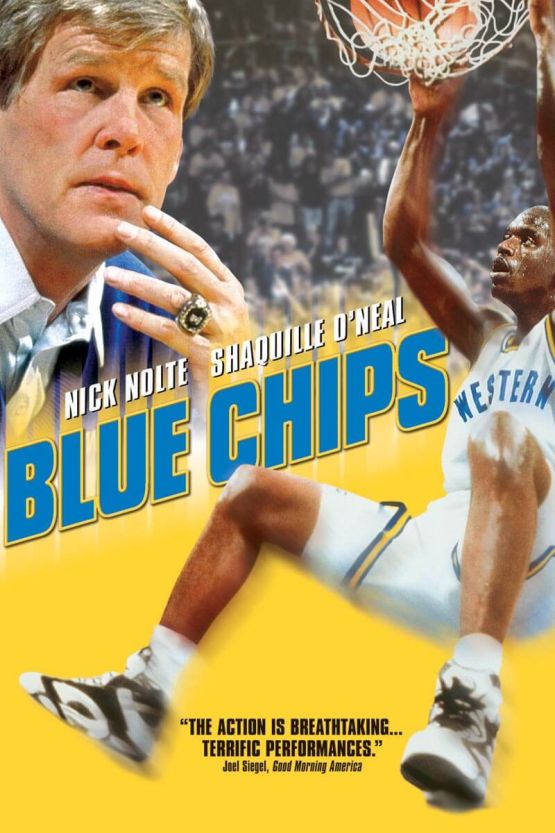
Flex pick · Chris Ryan
In the discussion (3)
Approx. transcript time · 01:10:31Read transcript
- An explicitly invited CR flex questions Pete’s recruiting and coaching despite two titles: household-object demonstrations, indignation about expected payments and a simplistic defensive adjustment are criticized. — Bill Simmons
- The rigid offense fails to adapt to Hardaway’s gifts; pick-and-rolls and alley-oops are suggested instead of forcing players into the system. — Van Lathan
- Poor conditioning compounds the lack of tactical sophistication. — Bill Simmons
When I Would Have Died
Hotel explosion or mall collision
Flex pick · Chris Ryan
In the discussion (1)
Approx. transcript time · 00:50:37Read transcript
- The explicitly invited CR flex chooses either the hotel explosion and collapsing room or being hit by an Oldsmobile while shopping in the mall. — Chris Ryan

Flex pick · Chris Ryan
In the discussion (2)
Approx. transcript time · 01:03:40Read transcript
- Julie Delpy wins the explicit Chris Ryan flex for smoking at the cafe, though more actual puffs are desired. — Bill Simmons
- Jesse taking a drag, getting his own cigarette and lighting it from hers is admired as authentic smoker behavior. — Bill Simmons
Jesse in Before Sunrise Award for the Character Who Should Have Smoked but Didn’t
Jesse; probably Céline too
The panel proposes a new category here.
Flex pick · Chris Ryan
In the discussion (5)
Approx. transcript time · 01:01:37Read transcript
- Chris explicitly selects the category as his flex after Bill invites him to restore a cut category. — Chris Ryan
- Chris remembers Jesse as a smoker and argues that Hawke's real-life smoking makes the omission puzzling. — Chris Ryan
- The 1995 European setting and the smoking poet make the absence of cigarettes especially conspicuous.
- The lack of smoking now makes the movie feel unexpectedly modern.
- Julie Delpy is also proposed as someone who would plausibly smoke. — Bill Simmons
The Great Shot Gordo Award for Most Cinematic Shot
Mother in doorway; men crossing field; heads over hill; men on steps; helmet death; handheld combat; crossing tank; underwater landing
Flex pick · Chris Ryan
In the discussion (7)
Approx. transcript time · 01:04:48Read transcript
- The mother framed in the doorway as the car approaches, followed by her collapse onto the porch, is a selected cinematic image. — Chris Ryan
- The men walking across the field and heads appearing over the hill are offered as other striking compositions. — Chris Ryan
- The wide shot of the men on the steps listening to the record player, apart from Hanks and Damon, is praised as poster-like. — Chris Ryan
- A soldier surviving a shot that hits his helmet, removing it, and then being shot in the head is singled out as a brutal visual moment. — Sean Fennessey
- The intricate handheld battle shots are praised for coordinating several moving actions within one shot. — Sean Fennessey
- The tank crossing the opening in the final battle visually shows that the planned defense must change without explanatory dialogue. — Sean Fennessey
- The underwater imagery during the landing is praised, including the realization that soldiers can be shot underwater. — Bill Simmons
Displaying flex picks 37 - 41 of 41 in total
From other episodes
Sourced picks from episodes not yet fully included in the archive.
The Neil McCauley “A Book about Metals” Award for Best Line from the Movie
Han Solo’s speech rejecting a mystical force controlling his destiny
Flex pick · Chris Ryan
Transcript excerpt · Targeted transcript check; recording not verified
Star Wars: A New Hope — Part Two
· May 6, 2025