Whether Galvin would accept a 510,000 settlement is explicitly unanswerable.
Unanswerable: why the suit took four years; family relocation needs and Galvin's long inaction are possible explanations.
Mickey's business and motives for giving Galvin a 70,000 opportunity and extensive unpaid help are questioned; an older-generation friendship/fence-building anecdote offers context.
Unpaid substantial favors are contrasted with the hosts' lesser willingness to help each other,defending Mickey as an older-generation friend.
The award is guessed at one million,then several million,including four or five million.
A further estimate is three to four million,with one million for Frank.
Whether Galvin stays sober is disputed: coffee suggests reform,but others expect continued drinking and note he never fully stops; refusing brandy at the archdiocese is admired.
Earmarked as an unanswerable question: whether McClane would have become famous after Nakatomi in the pre-internet era, with talk shows, Saturday Night Live cameos and commercials.
Could it be remade as a 10-episode Netflix show is raised as a probable unanswerable question.
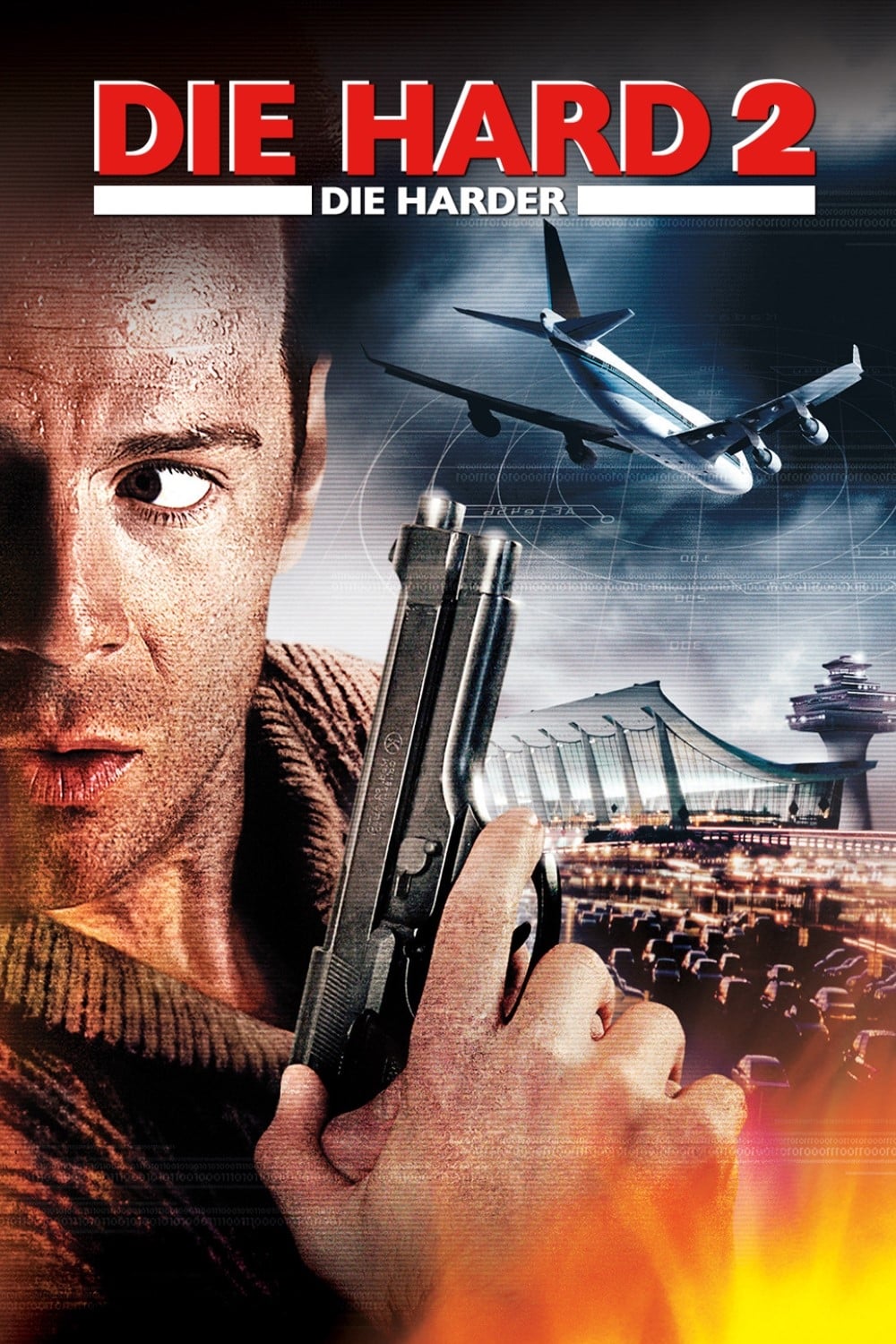
Is Die Hard 2 a Christmas movie: one view holds that neither Die Hard nor Home Alone is a Christmas movie and neither is this sequel.
The opposing view insists it is, since it captures holiday travel anxiety and ends with a Christmas song; the skeptic calls the Christmas setting shoehorned and says negative reactions only strengthen the take.
Did this movie invent the recreational taser? No earlier comedic taser use is recalled.
Would the airport crowd really stay calm after a massive crash, and should the ending be more somber?
Why McClane's car is towed: he left it at the curb expecting a quick pickup before the flight was delayed.
Could anyone else have been McClane: Treat Williams lacks the humor, Jeff Bridges is plausible though he never did the everyman thing apart from Blown Away, and Dana Wheeler-Nicholson is a joke.
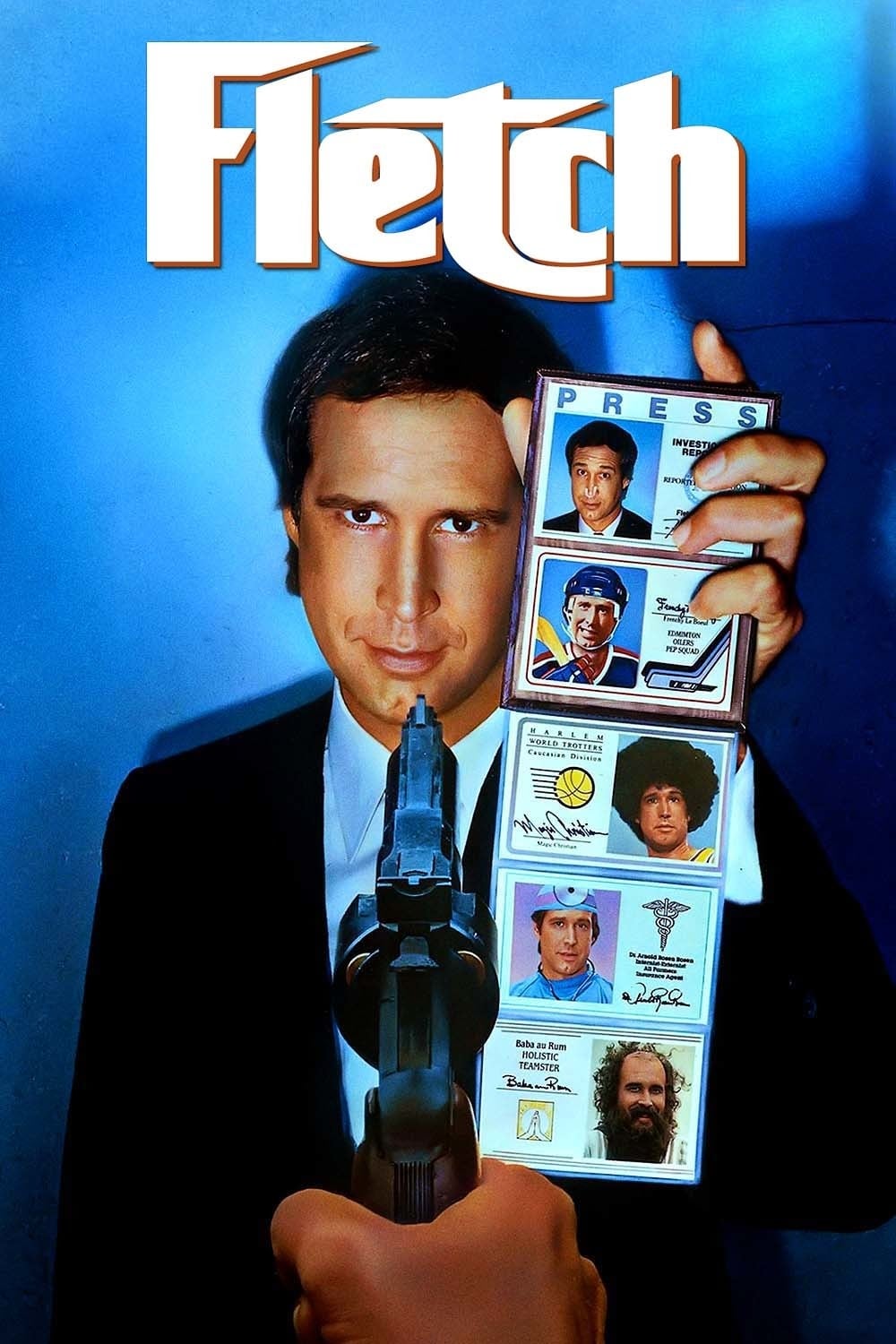
Chevy has two apexes: SNL, and a second around 1985-86 when he reclaimed movie stardom and hosted the Oscars; the answer is yes.
A joke that Dana Wheeler-Nicholson's apex has been going for 35 years, while others would say it's this movie.
For Harold Faltermeyer, after Beverly Hills Cop and this, the sky is the limit, and it leads to Top Gun.
Kareem gets a yes for 1985: the title won in Boston Garden, Finals MVP 14 years after 1971, the scoring record, his autobiography, and Fletch.
Pushback: being in Fletch is not his apex; 1980, with the Magic title and Airplane, is called the correct answer, and his college years and 1971 Bucks are also raised.
Chick Hearn may have hit his apex with the 85 title and his Fletch scene, joked as getting his street named.
The Fletch jersey becoming something people wore is not quite an apex; Venice's apex would be White Men Can't Jump.
The other apex is the beer cans, great beer drinking by Chevy; newspapers and investigative reporting get a 'maybe'.
It would be a better movie if Gina Davis and Dana Wheeler-Nicholson swapped roles; the answer is yes.
Davis, in her second movie and clearly headed for bigger things, is stuck as Fletch's LA Times helper; she played opposite tall leading men like Goldblum in The Fly and would be great opposite Chevy.
A future Gina Davis episode could be A League of Their Own.
The recasting-couch move is to flip them.
Elizabeth Shoe may be too young; the Wheeler-Nicholson fan denies a personal connection and calls her a dynamite lady of the Diane Cannon school who rolls with the punches, which is attributed to her not acting.
Candidates are Gina Davis, George Went and the autopsy doctor; Dana Wheeler-Nicholson is eligible with four scenes but mocked as a three-for-27 night.
The award goes to Gina Davis, a delight as Larry.
Going with Larry over William trailer as Mr. Underhill is questioned; Underhill is called pretty good and said to bring the heat, 'Charge it to the Underhills' is said to have become something people say for 30 years, and 'Good call' follows, with no explicit change of the award.
Stanwyk's plan to have a lookalike drifter shoot him, then kill and burn the man, is ridiculous; it is very Raymond Chandler, with the story of Faulkner asking Chandler to explain The Big Sleep, and by 1985 forensic science made it less believable than in the mid-70s book.
Stephanie Mills' 'Bit by Bit' over the opening credits should have gone straight to Faltermeyer: 'let the chef cook'.
Producer Craig's take of not liking Fletch is jokingly named as what will age worst.
Chevy's clothes, like wide-bottomed jeans and a linen shirt with three buttons open, look clownish; the pushback is that he wears it well, and like Eddie Murphy he makes bad clothes look cool and looks like a classic leading man in Matheson's suit.
Defense: Gail is the greatest hang of all time and nobody in Fletch is surprised by anything; the critic replies that an actress more interested in the part would have been better.
As said on the Tombstone podcast, she is a bad actress, and Elizabeth Shoe or Sharon Stone would make it a thousand times better. — Sean Fennessey
There is not enough Sally Ann Kavanaugh, set up in the low-key airline-counter scene; a face-off with Gail was wanted.