The 2024 producer review finds unforgettable Moore and Cruise performances in a film unlikely to be rewatched; a modern online Frank Mackey sequel is desired and Cruise’s unusual comic range preferred to one-note action roles.
Babylon is preferred but compared as another ambitious overlong post-breakthrough gamble; directors receiving such opportunities is welcomed.
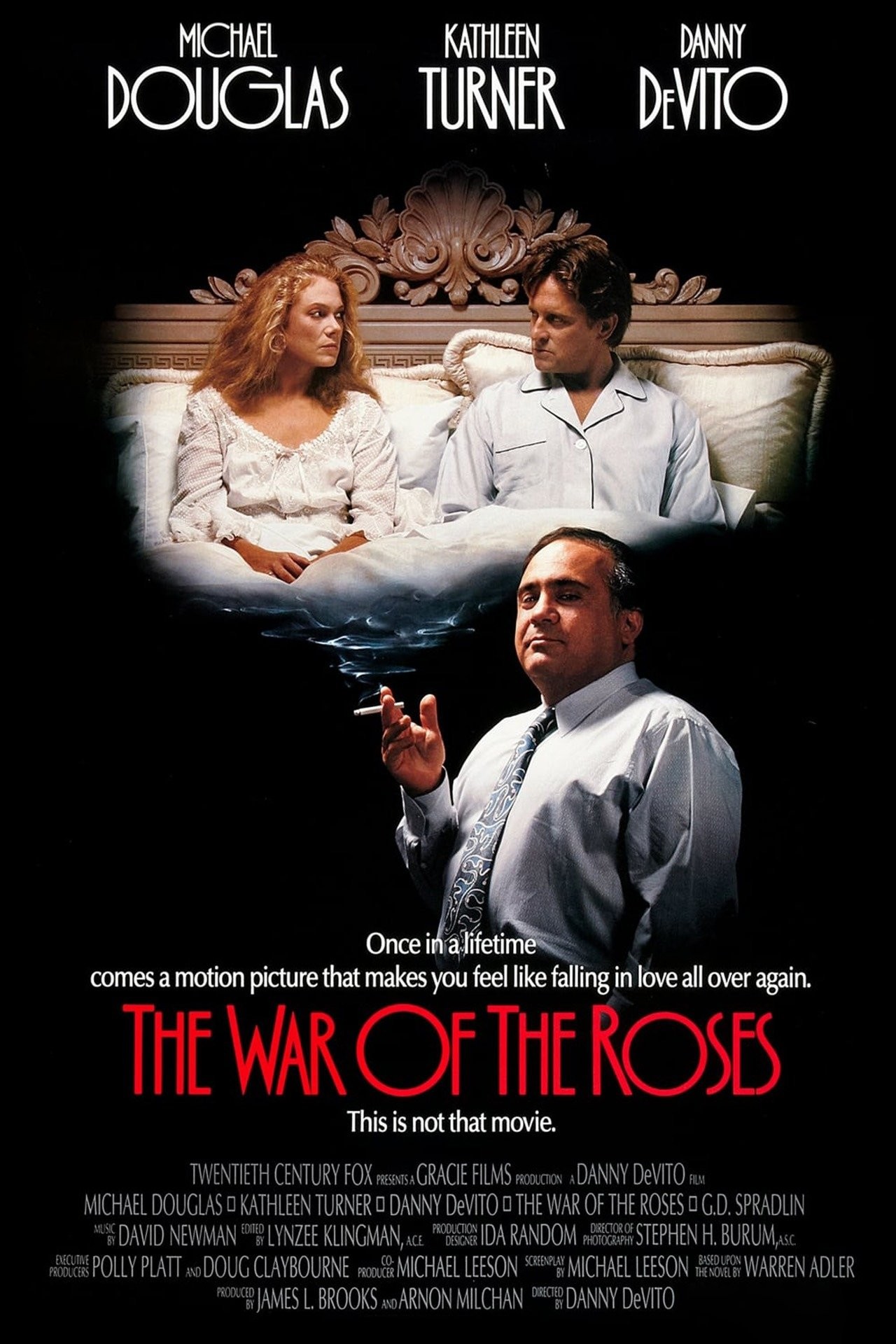
The announced Colman–Cumberbatch remake prompts doubt about believable sexual attraction and chemistry despite admiration for their acting; the original’s ferocious domestic violence may be difficult to reproduce.
A contemplated sequel about the children is disputed: the film intentionally excludes their perspective, but their future is intriguing; updated technology and social codes make the remake interesting.
The Nantucket courtship is amusingly ridiculous despite false geography and visibly middle-aged college characters; comparisons with de-aging and The Natural emphasize the problem.
The first sexual encounter and multi-orgasmic exchange are praised.
The first dinner and bedroom debrief expose condescension, embarrassing storytelling and personal attacks; DeVito’s self-directed foot-fetish material is questioned.
Barbara discovering the dream house during a funeral and leaving notes on houses are favorites.
The nanny hiring interview and insincere liberation speech showcase Turner’s comic sophistication.
The snoring/nose attack is a turning point; the earlier gymnastics-related sexual injury is recalled as a medically implausible callback.
Oliver’s dramatic hospital-letter reading meets Barbara’s devastating indifference, divorce demand and desire to smash his face; her unambiguous hatred distinguishes the film.
Divorce mediation weaponizes the letter and escalates through Oliver’s elaborate insults.
Sexual reassurance is refused while the children overhear the argument.
The accidental cat death is one personal favorite but provokes horror over the cleanup and grieving dog; intent and indifference are debated.
Barbara’s attempted seduction of Gavin and the footstuff reply are praised.
The sabotaged client dinner is a favorite, escalating from fake illness and tissue in soup to urinated-on fish and vehicular destruction.
The supposed dog pâté, violent escalation and chandelier collapse culminate in Barbara rejecting Oliver’s hand with her last breath.
Calculating a housekeeper-equivalent salary is recalled; Oliver reading fire-extinguisher instructions while the tree burns is another favorite.
Final choices split between the hospital-letter/divorce sequence and the client dinner escalating into car and figurine destruction.
The house’s attic, balcony, stairs, kitchen and sauna form an effective action-thriller setting.
Douglas and Turner’s chemistry and comic rhythm are admired; repeat romantic partnerships are harder to sustain outside the studio era.
Every small habit becoming intolerable captures long-term marital irritation.
Barbara’s catering career centers specifically on liver pâté; the house turns from dream to nightmare and becomes the single contested object representing everything.
Opposite ends of the long dinner table instantly signal mutual hatred.
Appliance noise, sauna imprisonment, sawn heels and color-coded house territories show creative revenge, though noisy appliances pose risks to pets.
Rapidly chubby children efficiently show neglect; former gymnastics ability becomes a weapon.
Gavin’s cynical divorce aphorisms and sinus-sensitive smoking are memorable.
The film’s reported German popularity made Rosenkrieg a term for bitter public divorce.
The romantic-day/slut line and escalating mutual insults are appreciated; Castellaneta’s silent client role feels odd in hindsight.
Sean Astin’s appearance evokes his later Rudy and Samwise roles.
Gavin’s framing story is defended as giving the violence a hideous-fable quality.
The film is considered perfectly calibrated and needs no better sex scene, despite a counterargument for more gymnastics; pervasive sexual tension explains Oliver’s vulnerability.
DeVito’s framing scenes are considered self-indulgent, overlong and pacing interruptions; another view defends the fable-like distance that softens the cruelty.
Preferences split between the unraveling first half and the more violent final act, with the hospital scene the pivotal turn.
The foyer’s terrazzo floor is disliked, opening a broader objection to gaudy 1980 sdecor.