

What’s Aged the Best?
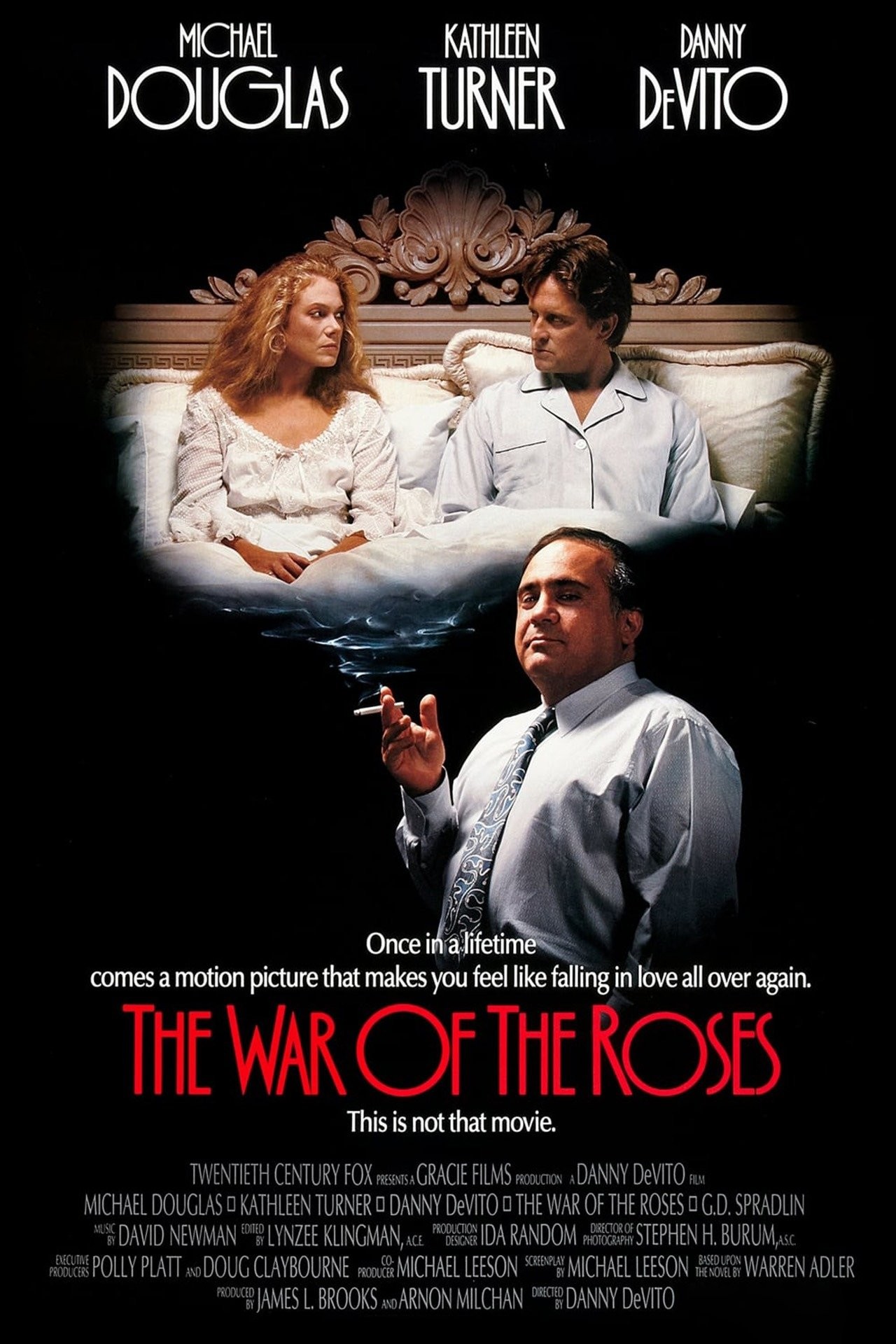
House; Douglas–Turner chemistry; marital irritation; pâté; visual storytelling; revenge; German popularity; disputed framing
In the discussion (12)
Approx. transcript time · 00:37:18Read transcript
- The house’s attic, balcony, stairs, kitchen and sauna form an effective action-thriller setting.
- Douglas and Turner’s chemistry and comic rhythm are admired; repeat romantic partnerships are harder to sustain outside the studio era.
- Every small habit becoming intolerable captures long-term marital irritation.
- Barbara’s catering career centers specifically on liver pâté; the house turns from dream to nightmare and becomes the single contested object representing everything.
- Opposite ends of the long dinner table instantly signal mutual hatred.
- Appliance noise, sauna imprisonment, sawn heels and color-coded house territories show creative revenge, though noisy appliances pose risks to pets.
- Rapidly chubby children efficiently show neglect; former gymnastics ability becomes a weapon.
- Gavin’s cynical divorce aphorisms and sinus-sensitive smoking are memorable.
- The film’s reported German popularity made Rosenkrieg a term for bitter public divorce.
- The romantic-day/slut line and escalating mutual insults are appreciated; Castellaneta’s silent client role feels odd in hindsight.
- Sean Astin’s appearance evokes his later Rudy and Samwise roles.
- Gavin’s framing story is defended as giving the violence a hideous-fable quality.