
Film credit
Jon Favreau
Also referred to as Favreau
Stats
- Episodes featuring their films
- 6
- Movies in this archive
- 6
Rewatchables episodes featuring Jon Favreau’s films


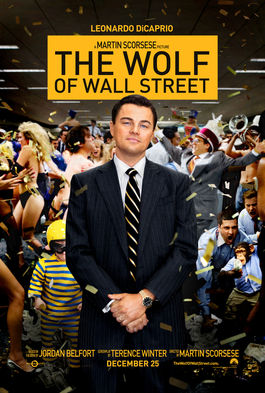
The Wolf of Wall Street
2013 film
Sean Fennessey · Chris Ryan · Ryen Russillo
Aired December 3, 2019
Mentioned in discussions
In the discussion (1)
- Ebert gave four stars, praising Downey’s unexpected performance as the power behind the film and Favreau’s approach. — Bill Simmons


Casting What-Ifs
Cage; Cruise; Tarantino; Whedon; Cassavetes; Rockwell; McAdams; Howard’s sequel departure
In the discussion (8)
- Cage reportedly showed interest in 1997. — Bill Simmons
- Cruise reportedly showed interest in 1998. — Bill Simmons
- Tarantino reportedly considered involvement in 1999. — Bill Simmons
- Whedon was reportedly approached during New Line development. — Bill Simmons
- Cassavetes was reportedly approached in 2004. — Bill Simmons
- Favreau initially wanted Rockwell, but Downey’s screen test settled the lead. — Bill Simmons
- McAdams reportedly declined Pepper before later joining Doctor Strange; Pepper is considered the better opportunity. — Bill Simmons
- Howard reportedly had a three-film agreement and the highest initial pay, but left after a lower sequel offer; rumored performance friction is distinguished from the panel’s own appreciation of his work and uncertainty about the dispute. — Bill Simmons
Half-Assed Internet Research
Development and financing; casting; improvisation; marketing; effects; comics changes
In the discussion (22)
- The film reportedly took nearly eighteen years to reach production. — Bill Simmons
- Tarantino reportedly briefly considered involvement in Iron Man in the late 1990 s. — Van Lathan
- Stan Lee reportedly deliberately made Iron Man a rich Cold War weapons industrialist whom his readers should dislike, then made them like him. — Bill Simmons
- Film rights reportedly moved from Universal to Fox and New Line before returning to Marvel in 2005; Marvel borrowed against its new studio plan and made a Paramount deal before Disney bought it. — Bill Simmons
- Favreau reportedly lost seventy pounds for his small role. — Van Lathan
- Favreau imagined an Altman-directed Superman about an adult man reinventing himself. — Bill Simmons
- Favreau linked Stark’s struggles to Downey’s public life and insisted on casting him over Marvel’s objections, for a reported$500,000 fee. — Bill Simmons
- An unfinished script led to substantial improvisation; Bridges disliked the uncertainty and likened it to an expensive student film. — Bill Simmons
- The film reportedly earned$585.8 million and ranked eighth in 2008; the machine transcript’s budget unit is unclear. — Bill Simmons
- The Ultimates reportedly modeled Nick Fury on Jackson, who agreed on condition he could play the film version.
- The Fury scene was reportedly removed from preview screenings to protect the reveal despite online rumors. — Van Lathan
- Musk reportedly gave Favreau and Downey a SpaceX tour during development. — Bill Simmons
- The Mandarin was an intended original villain; later films used a fake Kingsley version and Killian before Shang-Chi revisited the Ten Rings, with the sequel numbering initially confused. — Van Lathan
- Favreau reportedly chose Los Angeles to distinguish the setting from East Coast superhero films. — Bill Simmons
- The marketing campaign coordinated Sega, Hasbro, 7-Eleven, LG, Burger King and Audi. — Bill Simmons
- DVD sales are described as a late peak, with $160 million earned excluding Blu-ray. — Bill Simmons
- This was reportedly Stan Winston’s last film before his death. — Bill Simmons
- The first suit reportedly weighed ninety pounds. — Bill Simmons
- The man asking Stark about Afghanistan is reportedly Billie Eilish’s father; the claim is explicitly presented as internet research. — Bill Simmons
- This is described as the only Iron Man film without martial-arts fights. — Bill Simmons
- The reporter’s comic-book newspaper was changed from the Daily Bugle because of Sony’s rights. — Bill Simmons
- Animators reportedly studied vertical-wind-tunnel skydivers; the unsteady repulsor flight looks convincingly physical. — Van Lathan

In the discussion (4)
- Favreau is picked; without this movie he might not have had a career, he made his own destiny by writing it and getting it made, and after The Mandalorian he is among the five most important people in Hollywood. — Sean Fennessey
- Vaughn is picked because he leaps off the screen at ten times the wattage of anyone else. — Chris Ryan
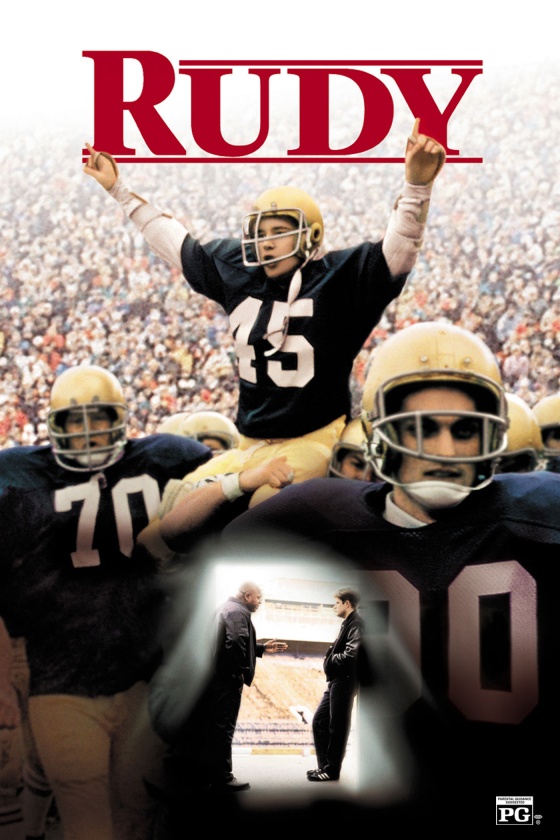
- The question is split into who won the movie itself versus long-term success; long term is called easily Favreau, since Vaughn was too charismatic not to make it, while Favreau was 300 pounds in Rudy three years earlier with mixed acting results. — Bill Simmons
- Co-winners have happened before; the framing is Vaughn as micro winner and Favreau as macro winner. — Bill Simmons
Podcast choices
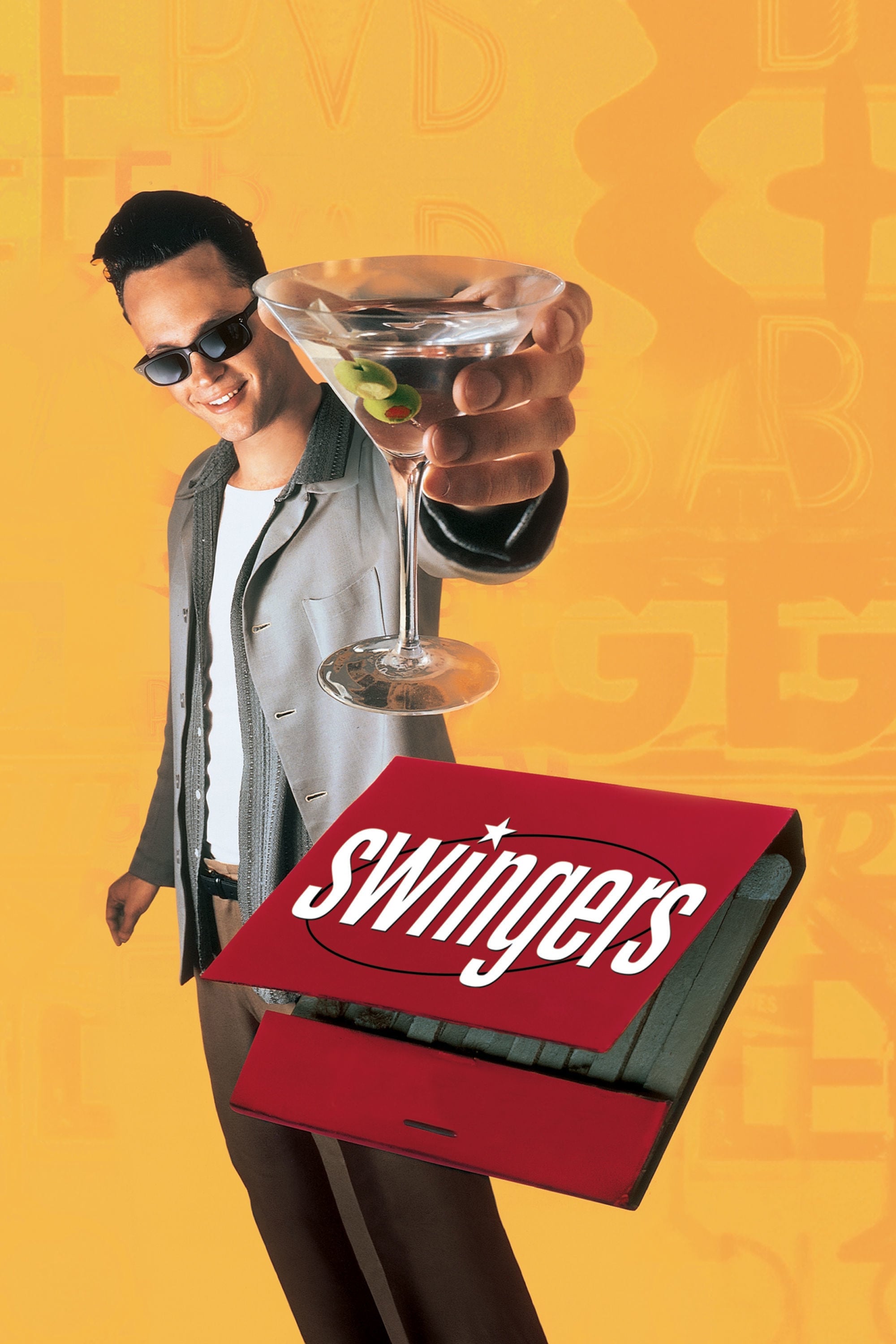

Apex Mountain
Brooke Langton; Sue; early underground Vegas; hockey video games; The Derby; The Dresden
In the discussion (8)
- A host says he gives the bear-and-bunny speech before every podcast; a Pacino tangent asks who Pacino would have played.
- Doug Liman gets a no; his Apex is probably the first "Born" film, per the transcript. — Bill Simmons
- Vaughn's Apex is Wedding Crashers, or Old School. — Chris Ryan
- Favreau's Apex: we are living in it and he is in charge; Iron Man is named, since it became a monster and set up everything after. — Bill Simmons
- Apex for Brooke Langton, on Melrose Place when this came out. — Bill Simmons
- Apex definitely for Sue; absolutely for early underground Vegas before it became commercialized; yes for hockey video games. — Bill Simmons
- Big Bad Voodoo Daddy's Apex is probably the Super Bowl halftime show; swing revival in general is probably at Apex here. — Bill Simmons
- Yes for the Derby and the Dresden; Dina Martin is then named without a stated verdict. — Bill Simmons
Half-Assed Internet Research
Script origins; table reads for buyers; music budget; real party scene; Vegas casinos; original ending; Sundance rejection and Miramax sale; Jaws theme and Spielberg; bear speech origin
In the discussion (12)
- Favreau is quoted that his dad gave him a screenwriting program and he wrote Swingers as an exercise, in two weeks. — Bill Simmons
- The hosts say Livingston and Favreau became friends early in LA, Favreau knew Vaughn from Rudy, and Adam Scott lived downstairs and they all hung out. — Bill Simmons
- The hosts say that after the script they held full-cast readings for potential buyers for a year, compared with Jason Reitman's readings. — Bill Simmons
- Vaughn is quoted that buyers missed the universality: a breakup, coming of age, a journey with friends, wanting to meet someone. — Bill Simmons
- The hosts say they paid most for Dean Martin, with half a million dollars in music licensing against a quarter-million production cost. — Bill Simmons
- The party scene is said to have been a real party they threw for friends without explaining; Adam Scott and Mike White of Chuck and Buck were there. — Bill Simmons
- The Vegas exterior is said to be the Stardust and the interior the Glitter Gulch; gulch never works. — Bill Simmons
- Favreau is said to have taught Heather Graham to swing dance. — Bill Simmons
- Favreau is quoted that the script ended on the Lorraine phone call and an unaffordable helicopter shot; Liman added the new ending, seeing a platonic love story between Mikey and Trent, and they scrambled to find a baby for it. — Bill Simmons
- The hosts say Sundance rejected it; a screening at the Fairfax $2 theater for about 500 people, 490 friends and 10 possible buyers, crushed, and it sold to Miramax for $5 million, premiering at the Vista. — Bill Simmons
- The hosts say they got the Jaws theme by sending scenes to Spielberg for approval, who asked about Vaughn and cast him in The Lost World. — Bill Simmons
- Vaughn apparently really gave Favreau a version of the bear speech, and the story of leaving a girl behind is autobiographical for Favreau. — Bill Simmons
Recasting Couch
Casting left intact
In the discussion (3)
- There are no parts to recast; they did a nice job across the board. — Bill Simmons
- It is unknown what happened to Patrick Van Horn; research suggested he was not interested in this life. — Bill Simmons
- For a recast at the level of Vaughn and Favreau, maybe Hamm as Sue, but Sue is still liked and good in the movie. — Bill Simmons

In the discussion (4)
- Nominees: the this-place-is-dead guy, Marty and Elaine, Heather Graham with basically two scenes, Sue in about five scenes, and Scully of House of Pain. — Bill Simmons
- The vote goes to Heather Graham, in the movie under 10 minutes and lights out; the follow-up answer is also Heather Graham. — Bill Simmons
- Her closing phone call throws rapid Diane Keaton-style bits at Favreau. — Chris Ryan
- Brooke Langton is called overlooked, from Melrose Place and The Replacements; she looks like a woman alone at a bar who would blow you out of the water. — Sean Fennessey
Casting What-Ifs
Jason Priestley in Vaughn's role; Depp as Trent; Favreau as director
In the discussion (6)
- Liman is quoted from the oral history that Jason Priestley wanted Vaughn's part and could have raised a million and a half; Livingston is quoted that Vaughn was the last approved because they wanted a poster name. — Bill Simmons
- Priestley, though loved on his TV show, could not have played the part; that would have been a disaster. — Bill Simmons
- The hosts say distributors or money people wanted Depp to play Trent. — Bill Simmons
- Favreau is said to have pushed hard to direct but, like the Good Will Hunting guys, knew starring was their break; he became co-producer and let Liman direct. — Bill Simmons
- They may have butted heads, with Liman called famously difficult; Favreau's storyboard sketches in the oral history closely match the film, and Favreau has been diplomatic. — Sean Fennessey
- The hosts say Heather Graham would not be interviewed for the Grantland oral histories of Boogie Nights or Swingers. — Bill Simmons

What’s Aged the Best?
Opening credits; Vaughn and Favreau careers; This Place Is Dead Anyway guy; Vegas baby Vegas; Mikey-as-loser jokes; PG-13 line; Marty and Elaine; party-to-party convoys; diner hangouts; music; Vaughn-Favreau dynamic; Doug Liman; Ron Livingston and Heather Graham casting
In the discussion (15)
- The opening credits and their pictures of LA. — Bill Simmons
- The careers of Vaughn and Favreau, which in 2003 might have seemed stuck after a grand slam out of the gate. — Bill Simmons
- The "this place is dead anyway" guy, played by Alex Desert, says it twice when the place is not dead; nobody is paying attention to them. — Bill Simmons
- "Vegas baby Vegas" was first heard here and reused liberally in columns. — Bill Simmons
- The film establishes Mikey as a loser: Lisa is a Dorothy at the MGM Grand, the "not in Kansas anymore" line gets dead silence, and the comedian is the least funny guy. — Bill Simmons
- The PG-13 movie line. — Bill Simmons
- Marty and Elaine look exactly the same at the Dresden years later; one host saw them play midweek last fall and jokes they may be alien life forms. — Bill Simmons
- Everyone driving in their own car in a convoy from party to party, as LA was until about 2014-15. — Bill Simmons
- Hanging out in diners, a top-five hangout location; late coffee and pancakes are missed. — Bill Simmons
- A college diner near Holy Cross called the Heritage, where a friend always ordered the Heritage; the 101 diner near the office is the diner in the movie; diners are a lifestyle on Long Island. — Bill Simmons
- The hosts say diners have taken a big hit with COVID and many in LA have gone down. — Bill Simmons
- The music has aged nicely. — Bill Simmons
- The Vaughn-Favreau dynamic and 25-year careers, seen at an early stage here. — Bill Simmons
- Doug Liman is called one of the 10 or 12 most successful directors of the last 30 years, a risk-taker good with actors, discussed on the Edge of Tomorrow podcast. — Sean Fennessey
- Ron Livingston and Heather Graham were caught right before fame; Livingston is likable and almost the moral conscience; Graham made this and Boogie Nights within about six months. — Sean Fennessey

Most Rewatchable Scene
Drive to Vegas; blackjack and big-winner stretch; par-three golf; NHL video-game scene; Heather Graham swing dance; late-night diner; Nikki answering-machine calls
In the discussion (19)
- The drive to Vegas is a pick: he is talked into going, puts on a suit while the other holds the wheel, they scream Vegas, then the next cut is them driving sadly down the highway.
- The whole blackjack scene is a pick, ending with the devastated Mike and Trent insisting he is the big winner. — Bill Simmons
- That roughly 11-minute stretch runs into breakfast, with the pancakes, the age of enlightenment, and "I'm going to pull a Fredo", humming for 15 solid minutes. — Bill Simmons
- Details praised: counting the money before handing it over, an amateur move; the three black chips back; the double down loss you could see coming; the look on Favreau's face. — Bill Simmons
- Is it Mike's first Vegas trip? They seem secretly losers; Trent, supposedly worldly, cannot gamble, and doubling down on 11 is his only move. — Bill Simmons
- The Los Feliz par-three scene is a pick: not mentioning her like not talking to a pitcher mid no-hitter, and "get there" on a putt six feet short, still funny 150 times later.
- The par three looks exactly the same, down to the booth attendant, and captures struggling actors with nothing to do; opening a round there with an eight or nine is relatable.
- Ron Livingston is good delivering the no-hitter line. — Bill Simmons
- The NHL video-game scene is called perhaps the greatest video-game scene in movie history; The Wizard is raised, but this is the first to integrate guys playing a sports game so seamlessly. — Bill Simmons
- Picking Roenick was essential because he was a god in that game; Vaughn is said to be a huge Blackhawks fan. — Bill Simmons
- "The Kings are a finesse team", making Gretzky's head bleed, and messing with Mikey over the delivery guy are all called lights out. — Bill Simmons
- A participant who was an only child identifies with Sue: undefeated against the computer, then blaming the controller when friends beat him.
- Per the Grantland oral history as told on air, they could not make Gretzky's head bleed and had Vaughn come over during editing to keep trying until they captured it. — Bill Simmons
- The Heather Graham scene is a pick: he finally uses Trent's lessons, they swing dance, and cutaways show a crying, happy Trent and Sue; Big Bad Voodoo Daddy are said to have been asked on a whim and later played a Super Bowl halftime show. — Bill Simmons
- The late-night diner scene is a pick, with "our little boy's all grown up" and Trent jumping on the table, said to be ad-libbed. — Sean Fennessey
- The whole Nikki run, from the bar and the number to calling her machine repeatedly, is painful but amazingly well done.
- Watching with a daughter who had never seen it, attention on the TV was about 80-20 versus the usual 50-50 with her phone; she was confused by the answering-machine calls.
- Maybe the party-to-party bouncing, from the Dresden to Marty and Elaine and the talk of not getting a pilot, felt like a window into an unknown world. — Sean Fennessey
- The whole movie is rewatchable; for one participant the video-game scene is the favorite. — Bill Simmons

Half-Assed Internet Research
Tarantino's scenes; Denzel-Tarantino set confrontation; Towne's phone-dictated rewrite; Navy withdrawal; Tony Scott's mutiny-training response
In the discussion (8)
- Tarantino's scenes are the Silver Surfer scene, the Star Trek Captain Kirk exchange, and the dialogue about the submarine films The Enemy Below and Run Silent, Run Deep. — Bill Simmons
- The hosts cite a 1995 Premiere article saying Denzel confronted Tarantino on set about the N-word in his films and refused to take it private; per GQ, Denzel later apologized and called him a fine artist, and Denzel's daughter was a PA on Django. — Bill Simmons
- Robert Towne got an urgent call from Simpson and Bruckheimer to rewrite the nature-of-war scene and dictated it over the phone while they recorded. — Bill Simmons
- Dinner for Five with David Milch and Jon Favreau is recommended for Milch's story of a Simpson rewrite call; the 7 a.m. texts are called far milder than Simpson. — Chris Ryan
- High Concept, a biography of Simpson, is recommended as salacious and fascinating. — Bill Simmons
- The hosts say Robert Mueller as FBI director often quoted Hackman's 'we're here to preserve democracy, not to practice it'. — Bill Simmons
- After a two-year process, including videotaping the lieutenant commander Denzel based his performance on, the U.S. Navy pulled out once it learned the script involved a mutiny. — Bill Simmons
- The Navy had backed Top Gun; Tony Scott responded that if mutiny never happens, why is there mutiny training for naval officers. — Bill Simmons

