
Film credit
Al Pacino
Also referred to as Pacino
Stats
- Episodes featuring their films
- 16
- Movies in this archive
- 17
Rewatchables episodes featuring Al Pacino’s films


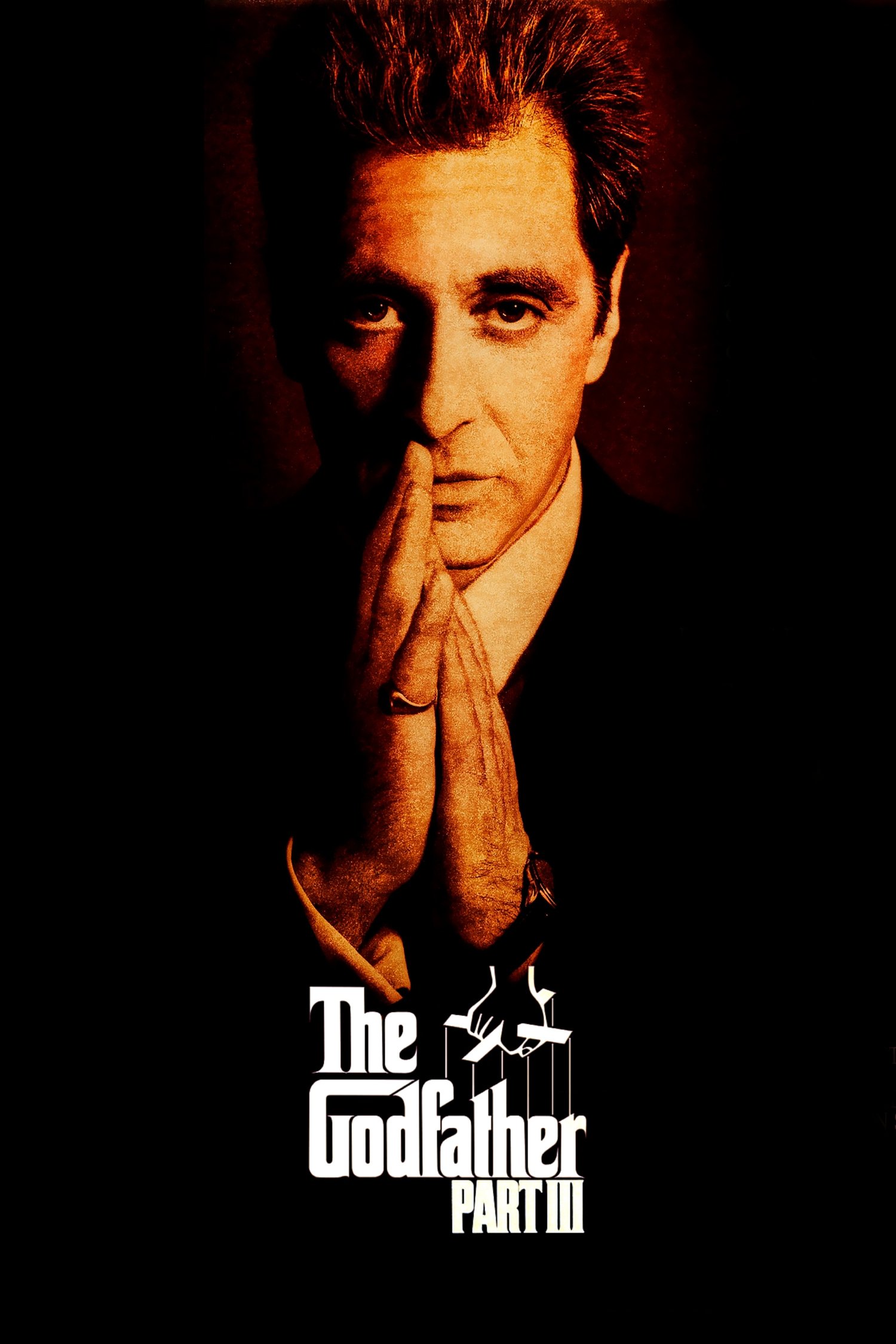
Once Upon a Time in Hollywood
2019 film
Bill Simmons · Sean Fennessey · Chris Ryan
Aired February 6, 2020
Mentioned in discussions


Probably Unanswerable Questions
Who is Pacino's stunt double in the Henry Rollins tackle; has anyone ever stopped a pickup basketball game to ask where to get bread
In the discussion (2)
- Offered as questions rather than lessons: where is the stunt man who doubled Pacino running through the door to tackle Henry Rollins, who looks like Joe Jarevicius (as transcribed) running slant patterns and jumps an ottoman before the film cuts away to Pacino holding Rollins.
- Has anyone in the history of pickup basketball interrupted a game to ask where to get a loaf of bread, as Val Kilmer's character does after Charlene signals that the cops are there? The players treat it as a normal question, and amid a massive manhunt by police who know he is coming and what he looks like, he is let go though he has only had a haircut and is limping from a shattered clavicle.

The Coach Finstock Award for Best Life Lesson
Never fall for a guy who courts you by asking why you care what he reads and does; never fall for a guy with no furniture; don't call anyone slick during an armored-truck robbery; never leave a living witness; don't sell stolen bearer bonds back to the criminal you took them from; 'the bank is worth the risk' and 'the action is the juice' are not reasons to rob a bank; don't wait in the car when your criminal boyfriend disappears into a hotel that police then surround; don't let word get out that it's okay to steal your stuff; if it rains, you get wet; a life that revolves around barbecue and ballgames sucks; have nothing you can't walk away from in 30 seconds if you spot the heat around the corner
In the discussion (13)
- The lessons segment opens with a minor lesson: never fall for a guy who starts courting you by asking why you are so interested in what he reads and does; walk away, since he is not making himself emotionally available. Edie, lonely as a graphic designer from Kentucky working in Santa Monica, still hits it off with Neil, who answers 'I am alone. I am not lonely' and talks about going to Tahiti.
- Major lesson number one, which the speaker hopes a daughter will remember someday: never fall for a guy with no furniture. Asked whether that is worse than falling for a man with a debilitating gambling habit like Val Kilmer's character, the answer is that gambling is at least something, while a man with no furniture could be gone tomorrow; the hosts then imagine Ashley Judd's character hearing the robbery money went to debts and a Super Bowl loss.
- Lesson: when robbing an armored truck, don't call anyone slick; if nobody says it, the crew is never caught. The one unbelievable thing is how the case hangs on the word: running it through the database should return the phone book, yet it is said again later and catches Sizemore's character, the kind of reach these movies always have.
- Lesson: never leave a living witness, rather than taking out most of them; the witness problem is what gets Wingro (as transcribed) in trouble, since he kills a guy and De Niro reads it as him making a move.
- Lesson: after stealing bearer bonds from a criminal, don't try to sell them back to him; the footnote added is not to do the resale in an abandoned drive-in parking lot on Sentinella (as transcribed) but somewhere more public, MacArthur Park perhaps, though that may be dangerous.
- Lesson: when one crew member says the bank is worth the risk and another says 'for me, the action is the juice,' those are not good reasons to rob a bank. Val Kilmer's character also has gamblers to pay off and Charlene to win back, Neil oddly knows all about Sizemore's character's bonds and real estate, and Sizemore's ten-second beat and blinking before the line is called the greatest moment of his acting career, the clip for his obit reel.
- Minor lesson that almost made the major list: don't wait patiently in the car for a criminal boyfriend who mysteriously walked into a massive hotel without warning when, ten minutes later, everyone pours out and police cars and fire engines arrive; just drive away, especially on the way to the airport.
- A friend, Juliet, loves movies about women with terrible choices in men; nobody has ever had a worse choice in a man than Amy Brenneman's character, unlike Diane Venora and Al Pacino's, who fully know where they are in their lives; she watches news of the biggest bank robbery disaster, he strolls home, and she should have run.
- The major lessons are then listed: never fall for a guy with no furniture; don't let word get out on the street that it's okay to steal your stuff; you know the risk, and if it rains you get wet, called a great high school senior yearbook quote and a good fortune cookie; and if you have a regular life that revolves around barbecue and ballgames, your life sucks.
- The last and most famous lesson, good for anything in life: have no attachments, nothing you can't walk away from in 30 seconds if you spot the heat around the corner. It works the title into the signature quote subtly, unlike films that shoehorn it in, a Corolla (as transcribed) bit, with Face Off and Travolta cited; the film is about loyalty, and Neil should have left but stays for Val Kilmer's character when he gets shot.
- The 30-second vanishing act is another reason the film could not be remade now: only the greatest criminals could pull it off, a digital footprint such as emails or a plane ticket to Phoenix would give anyone away where back then people paid in checks and cash, yet the film feels timeless rather than dated.
- At the end Neil has 30 seconds to decide whether to take Brenneman's character and, unlike with Val Kilmer's, leaves her behind; asked whether he does it to keep her safe, the answer is that he decides she is a loser for still being there amid the chaos at the hotel.
- Later the lesson is turned on Neil as hypocrisy: with the heat around the corner he still went back for Val Kilmer's character and his shattered clavicle instead of running with a bag of money.
Recasting Couch
Paul Newman, Al Pacino, Jack Nicholson, and Gene Hackman are considered as alternate Pete Bells.
In the discussion (2)
- A more charismatic actor in the Paul Newman mold is proposed as a way to change the character, though Newman is considered too old for the part at that time. — Chris Ryan
- Al Pacino is preferred over Nolte. Jack Nicholson is considered in the correct age range, but the speaker is unsure how he would play despite his basketball knowledge and jokes that nobody would take his money. Gene Hackman is then offered positively, while also making the Hoosiers borrowing more obvious.


Apex Mountain
The Godfather Part II is identified as Pacino’s peak.
In the discussion (2)
- The performance and transformation between the first two Godfather films receive the strongest peak claim; other great roles supply career context. — Chris Ryan
- This football speech is viewed as the end of a strong career period, with disappointment in later work and interest in an unrealized Paterno project. — Bill Simmons
Casting What-Ifs
Eastwood or De Niro would have made a different coach.
In the discussion (2)
- Eastwood was reportedly approached and wanted to direct as well; his version is imagined as much shorter. — Chris Ryan
- De Niro was another reported option, but Pacino is judged the better fit. — Chris Ryan
Films in the archive
...And Justice for All
1979


Any Given Sunday
1999

Cruising
1980

Donnie Brasco
1997


Glengarry Glen Ross
1992
Heat
1995
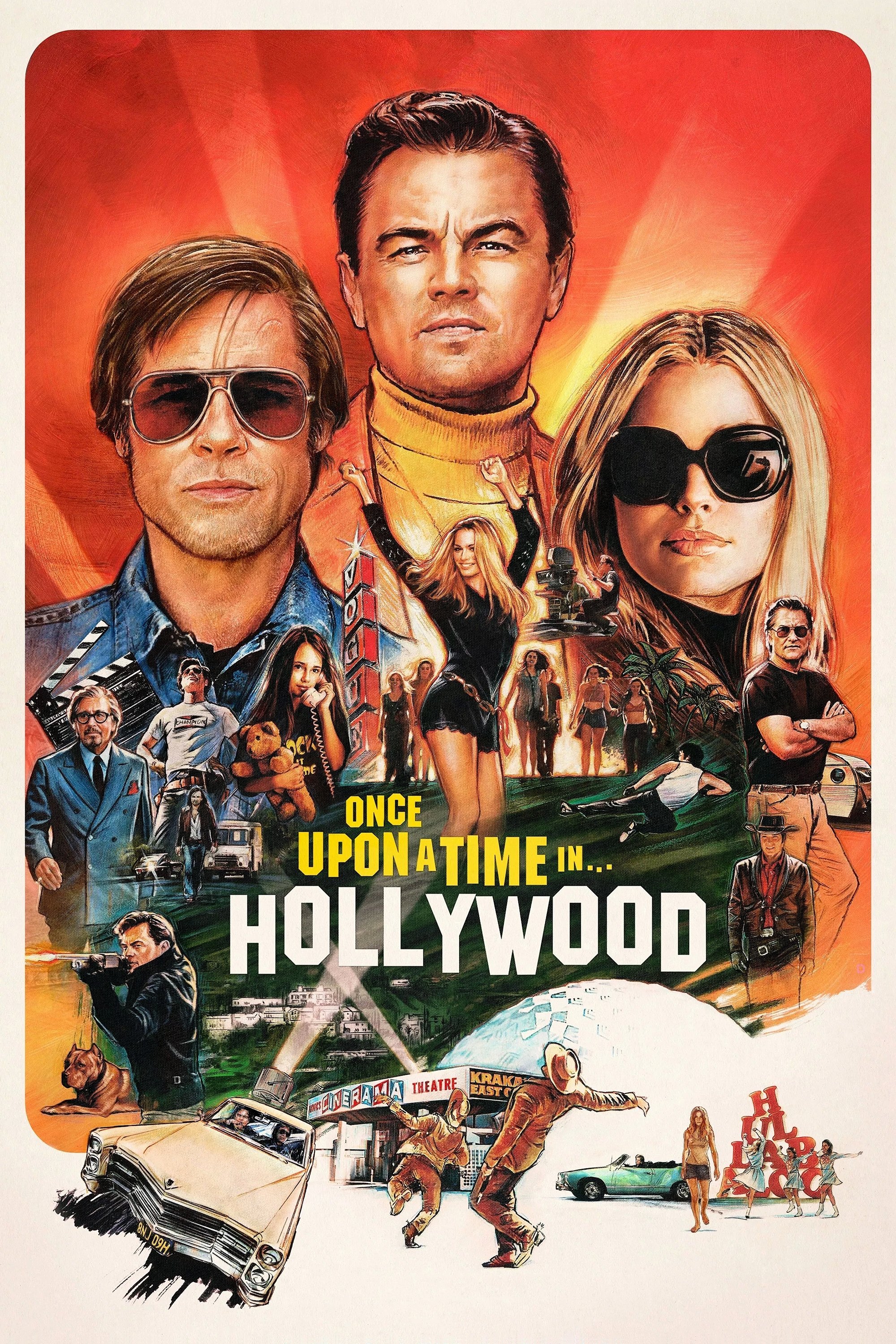
Once Upon a Time in Hollywood
2019

Scarface
1983

Scent of a Woman
1992
Sea of Love
1989
The Devil’s Advocate
1997

The Godfather
1972