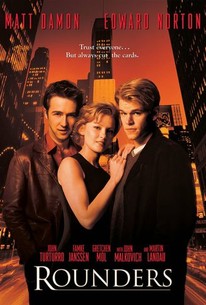
Damon and poker are initially no; the first film observed as firstborn is proposed for Damon, and Norton’s Fight Club is preferred over this film despite an initial challenge. — Bill Simmons
Malkovich candidates are Dangerous Liaisons and Being John Malkovich. Janssen’s Gene Gray and X 2 period and the observed Titoro and Lobowski/Do the Right Thing are proposed; no full ordinal ranking is imposed. — Bill Simmons
Oreos from the audience and Binghamton receive support. Chan’s consecutive championships versus this cameo is debated, Atlantic City evokes 90 s fights and a bachelor party, Russians remain unresolved, and Gretchen Mall gets no. — Bill Simmons
The first joint script was reportedly written in a basement storage room cleaned by a writer’s wife; Rutgers hosted law-school scenes. The supportive-spouse detail prompts a callback to Jo. — Bill Simmons
An internet claim attributes Malkovich’s accent to listening to a Russian woman. Damon and Norton reportedly played the 1998 World Series, with Damon’s kings eliminated by Brunson’s aces. Borat and football-commentary remarks are jokes. — Bill Simmons
Teddy crushing Mike opens the choices. A writer is credited with inventing three stacks of high society, replacing three big dimes, and spreading it into real casino language.
Mike’s full-house shove fails to consider Teddy’s aces; the hosts blame overconfidence after bluffing Johnny Chan. Equinox basketball success versus trying out for the Lakers is an analogy, and his defeated face/Kinnish telling him to leave are praised.
Reading the judges’ hands impresses the audience. The writers reportedly saw a similar real feat; seven-card stud makes it easier, and televised hand-reading is cited. Worrying too much about others’ cards remains a possible Mike flaw; one speaker simply finds it cool.
The mansion game restores Mike and Worm’s rhythm and sharp dialogue. Worm engineers Mike’s lateness and repeatedly wins forgiveness, showing that Mike himself is his mark.
The girlfriend’s departure and rolled-up-aces speech lead to the excited decision to play cards. Worm’s fist pump and the James Gang song make the scene elite.
Chesterfield South, its nature-channel banter and rent-money insult are praised as a credible closed poker world; the real Mayfair is the reported model.
The municipal-worker game is a candidate. Mike’s face registers disaster when Worm arrives; leaving immediately seems obvious, but the remaining four-thousand target explains taking the risk. A Wild On viewing excuse is hypothetical.
Mike recounting the Johnny Chan bluff and the flashback are chosen. Turturro is praised despite only an estimated four or five scenes. — Bill Simmons
The final Teddy confrontation is a sustained run of taunts, cookie tell and the winning straight. His turning away to soccer and theatrical lines are relished; the suggestion he fixed the match is a joke, and Borat is a character/impression comparison.
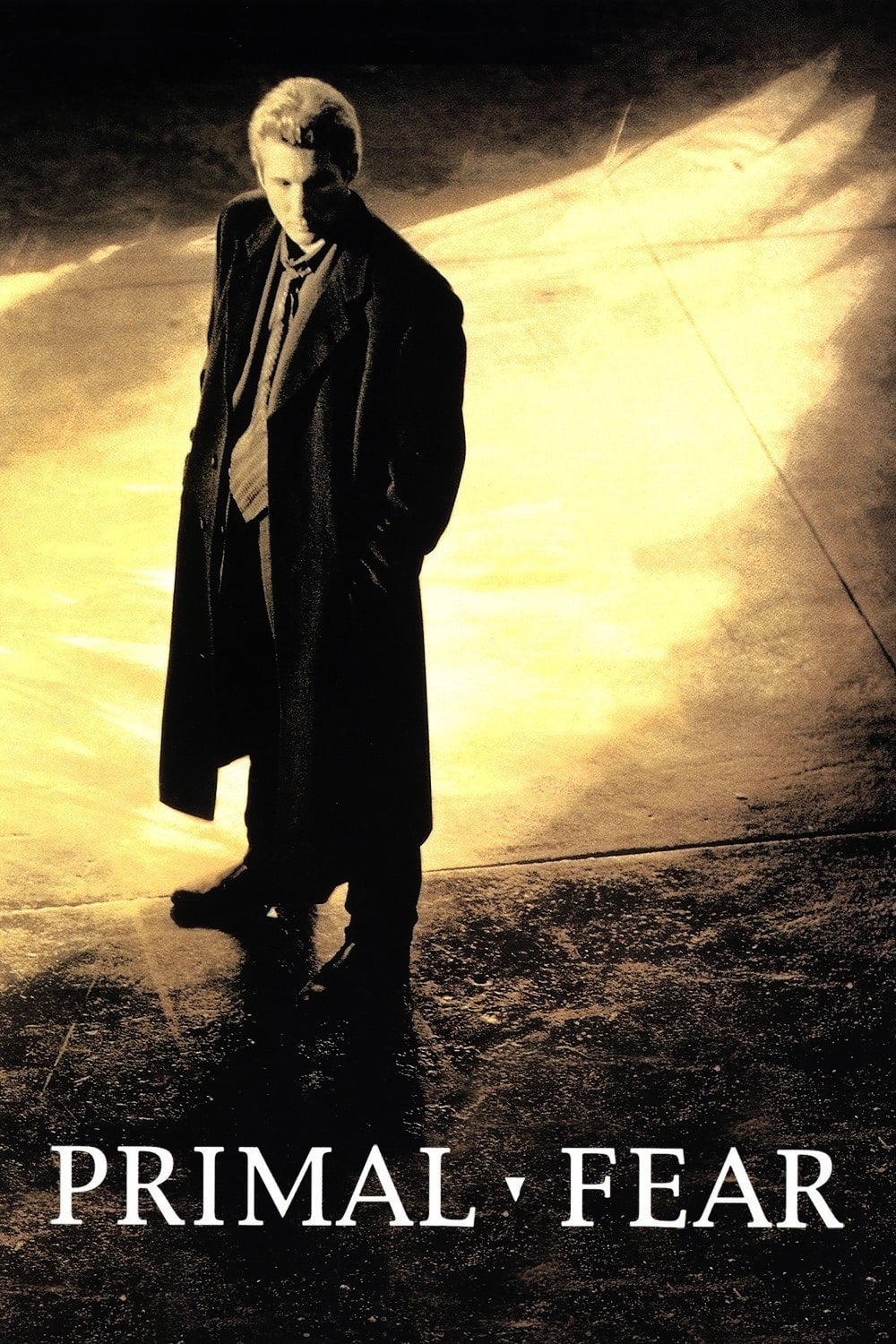
Worm alone with Roman and Maurice and the hot-dog sequence receive an extra nomination for Norton’s virtuosity and the Sputnik insult. — Chris Ryan
The judge’s yeshiva story is an extra choice for thematic importance despite apparent repetition. Petra’s visit is suggested then explicitly deferred to aged-best discussion.
Two adjacent choices favor the rolled-up-aces speech; Van and Chris explicitly favor the final defeat of KGB. These are scene preferences, not movie-winner ballots. — Bill Simmons
One view allows Norton as Mike but doubts Damon as Worm; another thinks Damon could dress down but Norton lacks Mike’s sweetness. Damon’s trustworthy appearance and Worm’s visible scruff are contrasted.
Ripley, Interstellar and School Ties supply scummy Damon candidates; the latter types pervert his trustworthy exterior whereas Worm must look untrustworthy from the outset.
DiCaprio was reportedly the first choice for Aaron/Roy but declined because the screenplay was a mess; Norton says he initially shared that assessment before revisions. — Bill Simmons
The opening credits and banquet effectively establish the film, including Norton in the boys’ choir. — Bill Simmons
Linney’s first cigarette and the six-month one-night-stand line establish the former relationship. — Bill Simmons
The opening banquet establishes Vail’s arrogance and expectation that the former lover will come home with him.
The post-murder chase and train crossing are effective; jumping aboard the train is proposed as an escape, then questioned because Aaron may want to be caught. — Bill Simmons
The recurring Gere–Linney exchanges are admired as a group. — Chris Ryan
Vail briefing Tommy and Naomi works as a classic legal-team scene, especially his distinction between stealing the ring and possessing it. — Chris Ryan
The recurring McDormand interviews are praised, especially Norton’s momentary face change when she rattles him.
Norton’s debut is proposed as possibly the greatest first-part announcement apart from Orson Welles in Citizen Kane. — Chris Ryan
Vail may not be a great lawyer: he invents a third-man defense and then blames assistants for not producing a third man. — Chris Ryan
The benefit of taking an apparently open-and-shut case is unclear; belief in helping Aaron only seems convincing later. — Sean Fennessey
Norton’s deliberately constructed Aaron may be intentionally hammy; repeat viewing makes the persona’s plausibility uncertain. — Chris Ryan
Gere may simply have lacked the right roles, but his strong established persona limits whether he could play Field of Dreams, Maverick or the Sleepless in Seattle father. — Bill Simmons
Philadelphia’s Hanks role divides opinion because Gere may lack native empathy; the Denzel role seems a better match.
Gere and Norton reportedly reshaped the roles through rehearsal, with producers emphasizing Gere’s character preferences. — Chris Ryan
Norton recalled rejected endings in which the lawyer punched the client, trapped him with a recorder or otherwise regained the upper hand. — Bill Simmons
Gere reportedly insisted the final image show his defeated lawyer with sagging shoulders, rather than a redemptive victory. — Bill Simmons
The coveted young-actor role reportedly attracted 2,100 auditions, compared with School Ties and Scent of a Woman opportunities. — Bill Simmons
Connie Britton reportedly encouraged Norton to audition after he had encouraged her to try The Brothers McMullen; she was reading for the Maura Tierney role.
Norton said the widely circulated audition tape secured his Woody Allen and Larry Flynt roles before Primal Fear opened; he compared its fame to a Nirvana demo. — Bill Simmons
Norton’s supporting-actor Oscar rivals were Woods in Ghosts of Mississippi, Mueller-Stahl in Shine, Macy in Fargo and winner Gooding in Jerry Maguire. — Bill Simmons
The reported budget was $30 million and gross $102 million. — Bill Simmons
Hoblit reportedly insisted on stage actress Linney for the part.
The original cut reportedly exceeded three hours before being shortened. — Bill Simmons
The stutter was absent from both book and script. — Bill Simmons
Norton reportedly improvised shoving Gere against the cell, producing genuine surprise. — Bill Simmons