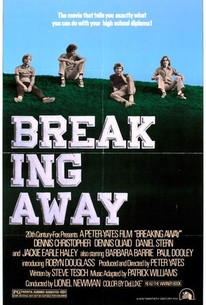
Steve Tesich is the first winner choice because of the Academy Award. — Bill Simmons
Quaid is considered through the category’s career-benefit definition but explicitly rejected; Indiana is proposed for the film’s portrait of the state. — Bill Simmons
Peter Yates is the settled choice for a film that strengthens his place among major directors; Bullitt and Breaking Away are described as his enduring signature works. — Bill Simmons
Indiana receives renewed support as the subject of a love letter, and Barbara Barrie is proposed for the performance and long subsequent career. — Bill Simmons
The final recap establishes a three-way split: Peter Yates, Barbara Barrie and the state of Indiana. Tesich’s earlier nomination is not retained as a final choice.
Robyn Douglass is a recognizable face whose name may be less familiar; Dooley and Barrie are praised as elite that-guy and that-gal actors given substantial roles. — Bill Simmons
College towns remain excellent film settings, with townie-student tension and familiar streets, bars and pizza places. — Chris Ryan
Indiana sports in 1979 hold up especially well, coinciding with Larry Bird’s college season. — Sean Fennessey
Cycling movies are more cinematic than running movies because crashes and interference create additional possibilities. — Bill Simmons
Rod’s pink polo, blue convertible, swimming and handsome college-villain persona remain excellent, as does Bochner’s later Die Hard connection. — Bill Simmons
Robyn Douglass is praised among a crowded field of seventies stars and for The Lonely Guy. — Bill Simmons
Rod’s blue Mercedes and the reverse-driving shot are admired, alongside simpler seventies downtown streets. — Bill Simmons