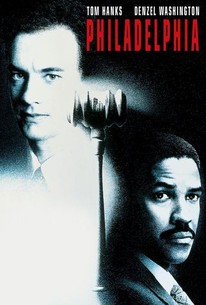
Unanswerable answered: Bill identifies the filmed Sixers–Magic game as November 18, 1992 by Tim Perry, Greg Kite’s appearances and the halftime scoreboard. Barkley-trade and team-history tangents support his detective work; Wheeler’s enthusiasm for a weak Sixers team remains puzzling.
Next day: Joe may become a major Philadelphia lawyer or represent Dr.J. The cameo raises an unanswerable question about whether Erving understood he was seated with villains; Rendell is another local cameo.
Double feature: And the Band Played On, Angels in America’s HBO adaptation and the experimental musical Zero Patience. Canadian avant-garde month is a joke, future theme rather than current format.
Next day: Joe may become a major Philadelphia lawyer or represent Dr.J. The cameo raises an unanswerable question about whether Erving understood he was seated with villains; Rendell is another local cameo.
Who won: Denzel receives the explicit choices and final agreement; Demme is proposed and rejected. Later repetitions recap the same selection rather than adding voters.
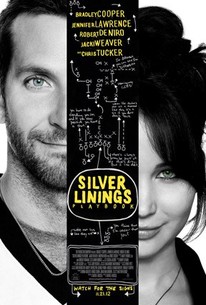
The dinner introducing Ronnie, Veronica and Tiffany is a scene candidate: commercial-property anxiety, Metallica for the baby, mortuary humor and painfully candid flirting establish its tone.
Pat throwing A Farewell to Arms out the window is another scene candidate, with his relationship to literature singled out.
The wedding-video search and fight with Pat’s father is proposed but another participant does not find it rewatchable; the first diner date ranks highly.
Tiffany repeatedly appearing on Pat’s running route provides physical screwball comedy; his frightening proximity to a former colleague shows the darker side of the same staging.
The dance-studio encounter, explanation of Tommy’s death and training montage with Dylan and Cash’s Girl from the North Country are scene candidates.
The Giants tailgate with Dr. Patel and Jake is loved despite its dark turn; Cooper’s bird gesture is a highlight.
John Ortiz’s convincing Eagles fandom as Ronnie is praised despite being a New Yorker; Pat’s attempt to avoid fighting leads into his father’s meltdown.
Tiffany rebutting Pat Senior’s superstition with winning Eagles and Phillies scores is a beloved scene, even if its appeal to Philadelphia fans could count as pandering.
The superstition speech is an explicit scene preference: Lawrence takes control of a noisy ensemble scene, capped by opening a beer.
The dance contest and final romantic letter are other scene candidates; their modest required score and disastrous finishing lift add comedy, while Tiffany’s knowledge of the competition is debated.
Tiffany explaining superstition is the final most-rewatchable-scene choice.
The sports-season structure ages well, especially the chaotic 2008 Eagles season, playoff contingencies and DeSean Jackson’s premature celebration as a metaphor for self-sabotage.
The Sweet Forever is another example of using a sports season as narrative backdrop, with its crime story following Len Bias’s final Maryland season.
Philadelphia sports anguish remains current, and the film’s blind optimism is jokingly compared with the Eagles’ current coaching mindset.
Lawrence and Cooper’s raw performances before their stardom solidified age especially well; Lawrence’s later choices are contrasted with this breakout energy.
The Halloween-to-Christmas setting makes this an unexpectedly strong holiday movie, with seasonal weather and decorations contributing.
Standalone iPods and casually exploring a friend’s music collection feel appealingly quaint.
The strong 2012 film year is raised, including Flight, Argo, The Master, Django and Lincoln.
Reading and talking about the Eagles as father-son connection ages well; the panel recalls sports-page etiquette and receiving box scores in summer-camp mail.
The question of what the family watches leads to joking memories of arguments over newspaper film reviews.
Shea Whigham’s brother Jake ages well: his tearful attempt to connect through insensitive comparisons and loyalty at the game; tax or real-estate law is conjectured from his advice to his father.
The neighbor filming Pat’s breakdown anticipates everyday recording of disturbances, though the subplot lacks closure; the crowded neighborhood’s instant awareness feels lived-in.
Final aged-best preferences are Philadelphia sports anguish and Jennifer Lawrence.
Girl from the North Country is the preferred needle drop, calming the film and giving weight to the dance practice; Led Zeppelin’s What Is and What Should Never Be is also praised for its loud accompaniment to the breakdown.
Crabby snacks and homemades prompt uncertainty about regional authenticity; research identifies a crab-and-cheese appetizer and fresh pasta, though the latter is not seen onscreen.
Raisin Bran at the diner is the food nominee, especially its boxed presentation and Pat’s attempt to make the encounter unmistakably not a date.
The cheesesteak-restaurant ambition is another food highlight; Budweiser rather than regional Yuengling or Rolling Rock is a missed detail.
The diner’s cereal service is recalled as authentic, while omitting its signature turtle soup is a missed opportunity; its spelling prompts discussion.