If Spielberg followed 1941 with this runaway production, would he still direct Raiders? A Poltergeist follow-up is explicitly framed as a joke at Hooper’s expense.
Why Bob abandons his business to pursue the brothers over $200 is questioned; humiliation is offered as motivation.
The country bar seems far removed culturally from Chicago, though nearby Indiana could explain it.
The scarcity of explicit cocaine use in apparently drug-fueled period movies is questioned, with Cruising a disputed example involving uncertain substances.
How badly the brothers smell is questioned given unwashed clothes, sewer travel and restaurant patrons objecting even amid smoking.
The Colleen Camp poster raises a playful shared-universe question with Apocalypse Now and an imagined veteran attending the band.
Belushi’s potential future is debated between more blockbuster comedies and serious acting; an imagined America’s Guest script illustrates spontaneous early-1980s filmmaking.
Whether this production encouraged Lorne Michaels to gain more control of SNL adaptations is asked; later contractual participation and power are discussed with explicit uncertainty.
Belushi’s official peak is placed in 1978 with Animal House and SNL, though his Chicago citywide popularity is considered another kind of apex.
Aykroyd is rejected in favor of Ghostbusters.
The prison-property-return scene is an apex candidate and a template, compared with Rounders and 48 Hrs.; an imagined heist-movie version becomes a joke.
Chicago as a film location is rejected in favor of Ferris Bueller or The Fugitive, with Thief an emotional alternative.
The blues is rejected; Elvis in Vegas is preferred for bushy sideburns.
Fisher’s simultaneous Star Wars-era prominence supports her case, though Jedi is proposed as a stronger character moment and sparks disagreement about the trilogy.
J. C. Penney and especially Pier 1 benefit from the mall scene at an already strong historical moment for the stores.
Illinois Nazis are accepted; Rawhide’s theme is placed at the television show’s height instead. Orange Whips prompt uncertainty about the drink itself.
Scarface and Richard Pryor are alternatives for cocaine’s cultural peak, with a joking basketball-stat line also imagined.
New Oldsmobiles are accepted and James Brown rejected; Elwood’s awful apartment is compared with Se7en’s sloth-victim apartment.
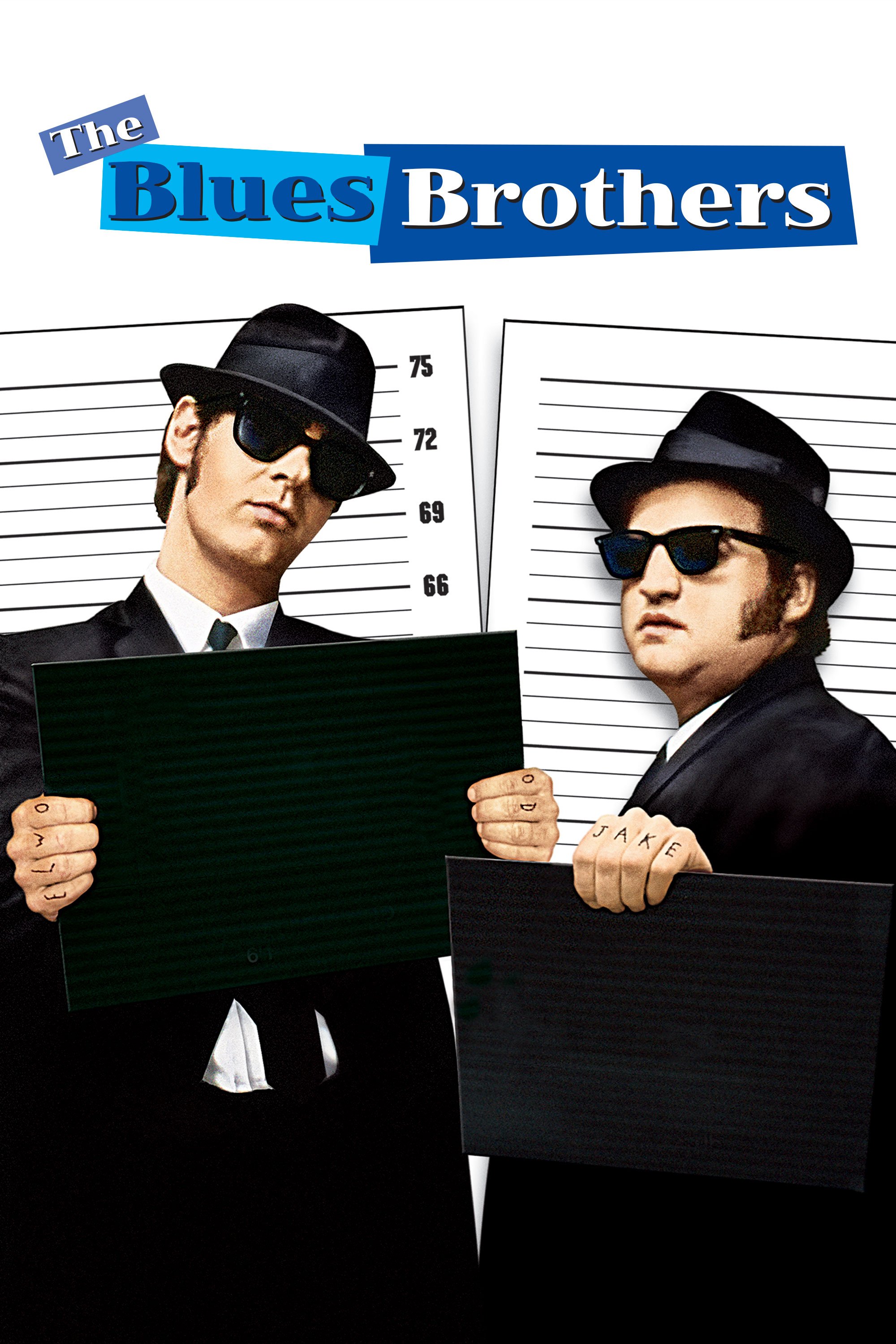
The Blues Brothers as a band are accepted here over their platinum album and SNL appearances.
Vengeful ex-girlfriends lose to Fatal Attraction; Landis’s peak is debated between Coming to America and Animal House rather than this film.
The Cubs or Walter Payton are proposed as additions to the Chicago setting.
A preferred pickup-basketball recruitment scene would locate a band member amid local-player cameos, with Aguirre and Magic offered before clarifying Chicago connections.
Soundtrack and Aykroyd are considered; Belushi is chosen for irreplaceable acting, while Aykroyd’s inspiration or story receives a separate preference rather than screenplay.
Belushi’s actual awards competition is considered formidable, with replacing Jack Lemmon’s Tribute nomination a possibility but beating De Niro unlikely.
Animal House, Wayne’s World, Old Boyfriends and Continental Divide are floated; an apparent Leopard attribution is joking or confused and remains unresolved.
Crossroads is recommended for its Robert Johnson history and treatment of the blues.
The Commitments is a final double-feature choice about Irish youths forming a 1960s soul band.
Displaying discussions 2941 - 2952 of 6801 in total