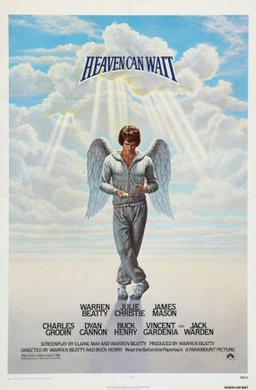
An explicit CR flex invitation introduces the need for a Grodin/Cannon scene, contrasting her appeal with his full-pajama never-nude presentation. — Chris Ryan
The film’s PG restraint and chaste central kiss are noted; a PG13 assumption is corrected as anachronistic. The film is said to cry out for a sex scene, with jokes about Beatty’s restraint.
Two quarterback deaths or near-deaths in months are offered as a plot weakness; another speaker says that is a nitpick and corrects that Jarrett apparently survives. A Tua/Blanda possession scenario is a joke.
Christie’s hair and vibe are selected despite the speaker considering her exceptionally beautiful.
The rich-quarterback remark now sounds ordinary. Beatty’s repeated plain character names are mocked and defended as fitting his everyman roles.
Jarrett’s60percent completion and18touchdowns initially seem unimpressive, but a live statistical lookup mistakenly reads interceptions before correcting that18TDs ranked highly. Violent play and weak protection remain concerns; the modern Garoppolo analogy is hypothetical.
The planned displacement of1760 Paglim residents for a refinery raises an objection about taking homes; eminent-domain applicability in England is uncertain.
A demand for more displacement context meets references to urban renewal and history. Betty leaving her teaching job during the school year is questioned and defended because the school itself is threatened; her lack of partner/kids is discussed with jokes.
The instrument is inconsistently called clarinet/saxophone, and its unexplained appearance at Jarrett’s locker is challenged; a possible heavenly delivery is speculative.
The final catch/fumble looks like an incomplete pass to two speakers. Craig’s prompted response instead finds the sixty-yard overtime quarterback score under-celebrated, and the lack of announcer excitement is criticized.
Van calls the film horror: repeated deaths, mistaken removal and loss of memory could be torture by a devil rather than benevolent heaven. Another voice argues the lovers’ souls remain connected; Van doubts it. — Van Lathan
A new spontaneous take casts Joe as selfishly using bodies for one game; objections note he was taken early and his hosts would die. The selection montage is compared with Final Destination as hidden horror.
Keeping memories would be kinder but weaken the ending. Possible Jarrett family obligations complicate possession. A horror sequel imagines competing souls, a broken saxophone and the title Heaven Will Not Wait/Get My Body Back; Mr. Jordan as devil remains speculation.
Mr. Jordan’s aphorism is said jokingly to invent Jim Rome’s contrarian take culture.
A speaker calls Christie the most attractive British woman, with Hurley the other finalist. Mirren is an alternate; Eva Green’s assumed British identity is corrected to French. Christie remains the original choice.
Joe convincing his Black teammates and bringing the receiver/linebacker rooms into the mansion is imagined as missed comedy.
Black Max or Jarrett is suggested; a tentative McConaughey now-imagine-he’s-Black caveat is proposed. Social consequences of becoming a Black quarterback in1978 are considered, with Derek Jenkins only an invented name.
A sequel with a Black backup becoming a record-breaking champion is floated, then contemporary Joe Milton play is debated.
Retired Grant reportedly declined a million dollars for Mr. Jordan, offered by Beatty with Cannon enlisted to persuade him. Mason in The Verdict and as Captain Nemo is praised, with evil Mason preferred. Keaton was allegedly the first female-lead choice; Henry reports actress testing and a preference for Christie, but the pronoun does not securely identify whose preference this was.
The repetition of a small group of stars in casting anecdotes is discussed; Beatty is retrospectively ranked first with Newman/Redford2a/2b for financing clout. Eastwood’s reliability and narrow fit are debated; Jack Horner is a hypothetical role for him.
Arthur Penn, Mike Nichols and Bogdanovich were considered before Beatty took directing duties. Henry reportedly handled other actors in scenes with Beatty, leading to a question about the division of work.
Henry’s biography remarks are described as bitter; a Neil Diamond Heaven Can Wait song was allegedly composed then rejected.
Cannon is initially selected as eligible, with Grodin another possible choice.
Warden or Mason are proposed, but Warden is in too much; Mason is kept while Cannon’s Oscar nomination and disputed billing complicate the conversation.
Deacon Jones is then offered for a few lines, receiving assent; no clear unanimous winner resolves all prior choices.
The hosts report four co-director Oscar nomination instances: two Coen films, this film, and West Side Story; the Academy preference against pairs is a reported rule, not verified guidance.
Biskind’s book allegedly describes Christie insulting Beatty’s commercial choices while smiling in a wide-shot conversation. Speakers defend the quality of the preceding films and this one; ensuing nationality/history jokes are banter, not credited film facts.
Displaying discussions 2353 - 2364 of 6801 in total