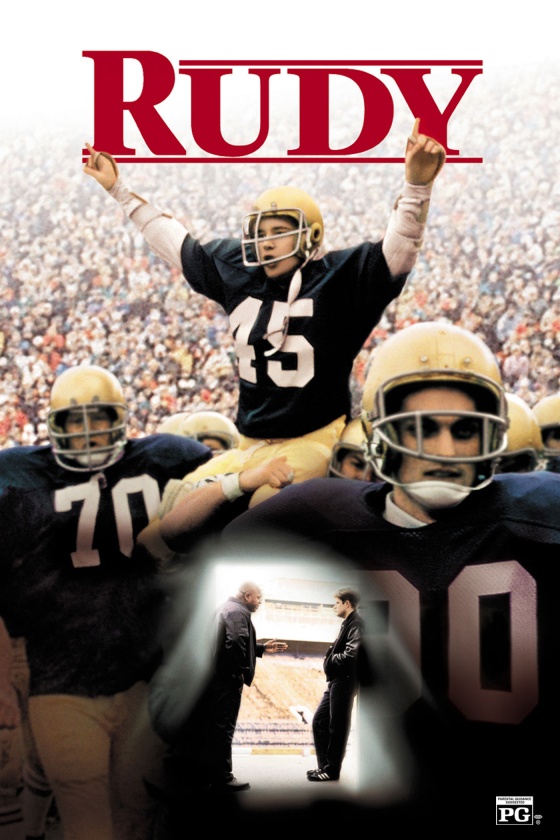
Astin’s signature role is judged Rudy despite personal Toy Soldiers preferences and the scale of Lord of the Rings; the suggestion Encino Man followed it is a podcast chronology claim, not verified metadata. — Kyle Brandt
Notre Dame initially receives a no, then its modern football era receives support for1988–94 and the1993 season; Dutton receives clear support alongside Roc. — Kyle Brandt
Ross’s peak is placed at Major League, while Vaughn receives a joking yes specifically for his full Vincent screen billing rather than his later Vince career. — Bill Simmons
Dean’s simultaneous Rudy and The Fugitive appearances make a persuasive career-peak case. — Bill Simmons
All-time centers in informal football receive a yes, with the position’s limited appeal mocked. — Bill Simmons
Vaughn/Favreau collaborations peak at Swingers; Rockne speeches are assigned an alternative in The Bad News Bears in Breaking Training and criticized as overrated here. — Bill Simmons
Astin’s crying is preferred in Toy Soldiers despite anticipated Return of the King objections. — Kyle Brandt
Unsupportive sports-family members peak with Paulie, including the later loss of Rocky’s money; Rocky’s unpaid Drago fight also deserves blame. — Bill Simmons
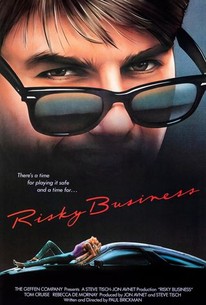
The opening ten minutes: train credits, dream and poker-table banter about pedaling home to masturbate. — Bill Simmons
Miles's what-the-fuck speech ties risk-taking to freedom, opportunity and business success. — Bill Simmons
The frozen dinner followed by Cruise's Old Time Rock and Roll dance, whose fame now exceeds the movie's. — Bill Simmons
The brief get-off-the-babysitter fantasy, with Ron Dean as the police sergeant. — Bill Simmons
The Porsche chase after leaving the Drake, especially Miles's trig-midterm and killer-pimp line, remembered as a huge theatrical laugh. — Bill Simmons
Miles's throw-up aside and the Porsche slogan payoff cap the chase; Guido tapping the window with a gun abruptly raises the danger.
The Porsche rolling into the lake, with convincingly stoned Cruise and the temporary relief before the dock collapses. — Bill Simmons
Joel's unraveling after the accident and frantic run upstairs to Lana are visually inventive. — Bill Simmons
Joel becomes a pimp, recruiting friends and comparing dating costs with paid sex at the burger joint. — Bill Simmons
The brothel party is clearly staged within the familiar house, then Rutherford's arrival produces another surprise and the University of Illinois punchline. — Bill Simmons
Joel buys his belongings back, including the negotiation over the artsy-fartsy object. — Bill Simmons
The released ending's human-fulfillment line and residual hope are defended, though the original lake-view ending also works. — Bill Simmons
Final preferences include Joel's pimp transformation and street recruitment, plus the car chase and Lana's amused reactions. — Bill Simmons
Craig argues that the dance scene overshadowed a richer movie and would not make his personal top ten scenes; he also finds Joel's dress-shirt, underwear and socks outfit strange. — Craig Horlbeck