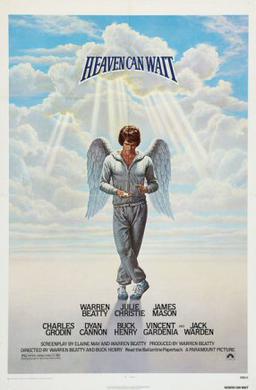
Van calls the film horror: repeated deaths, mistaken removal and loss of memory could be torture by a devil rather than benevolent heaven. Another voice argues the lovers’ souls remain connected; Van doubts it. — Van Lathan
A new spontaneous take casts Joe as selfishly using bodies for one game; objections note he was taken early and his hosts would die. The selection montage is compared with Final Destination as hidden horror. — Van Lathan
Keeping memories would be kinder but weaken the ending. Possible Jarrett family obligations complicate possession. A horror sequel imagines competing souls, a broken saxophone and the title Heaven Will Not Wait/Get My Body Back; Mr. Jordan as devil remains speculation.
Mr. Jordan’s aphorism is said jokingly to invent Jim Rome’s contrarian take culture. — Van Lathan
A speaker calls Christie the most attractive British woman, with Hurley the other finalist. Mirren is an alternate; Eva Green’s assumed British identity is corrected to French. Christie remains the original choice. — Chris Ryan
McElhone and Janssen could each have taken the other's roles in Rounders, X-Men, Taken or Californication; a third actress on that corner is described but not named, and Eva Green and Olga Kurylenko are ruled out. — Bill Simmons
The hosts wonder whether McElhone and Janssen like each other, and call it a good Ringer piece. — Bill Simmons
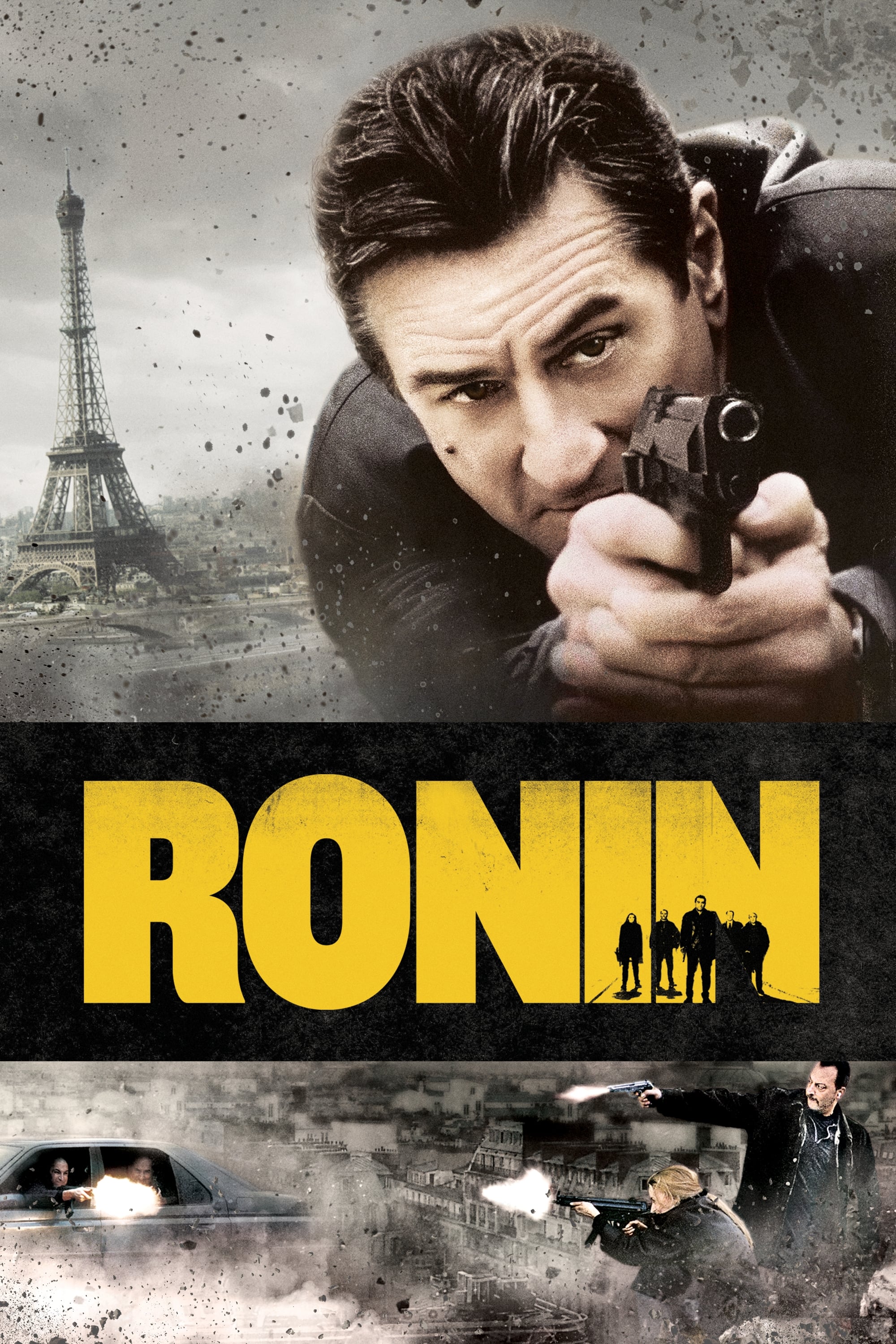
When has De Niro convincingly thrown anything? Raging Bull is set aside, Godfather 2, Midnight Run, Cape Fear and Goodfellas are debated, and The Irishman's beating scene is the funniest. — Bill Simmons
Keanu and Swayze look like real football players in Point Break, unlike De Niro; he gets chased down by Pacino at the end, and The Fan is another example. — Bill Simmons
What was in the briefcase? Best guess is nuclear codes or plutonium, with the Russians wanting it at the fringe of the Cold War and Seamus able to blow up the peace process. — Bill Simmons
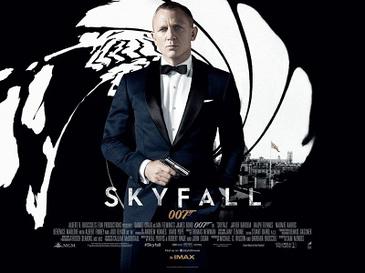
Five candidates are laid out, with an effort to keep scene distinct from sequence: the Shanghai skyscraper shootout, the new MI6 introduction in Churchill's tunnels with word association and sit-ups while Rory Kinnear briefs him on the state of the world, Silva and Bond's first meeting with the William Tell scene, the tube chase, and the church scene at the end; a Shanghai versus Macau mix-up is corrected along the way.
Smaller stuff is what connects one host to the movie: the first meeting with Q in front of the Turner painting, talking in metaphor and at cross purposes in really well-written dialogue, with Wishaw great as Q; it is not a sequence where a train bursts through the ground.
M reading Tennyson at the inquiry, cut against Daniel Craig sprinting through London with Big Ben behind him, lays it on thick but is moving every time; Craig is called a fantastic movie runner, maybe number two behind Cruise, and the film came out months after the London Olympics, which Bond kicked off in the Danny Boyle opening with the queen.
Mallory and M's philosophical conversation about whether the enemy is in the shadows is a favorite dialogue scene, read as metaphor about waging a war on terror and the rights of a government to exceed its power, reflected later in the court scene; nothing in Quantum of Solace, written during the writer's strike, has that crispness.
Two more suggestions: the planning conversation at Skyfall with Albert Finney's Kincaid, including the line about men coming to kill us and killing them first, which is right out of Eastwood, and the fight on top of the train with the excavator and the sleeve adjustment; the Istanbul opening with Moneypenny feels like typical Bond until M orders her to take the shot, and the motorcycle chase on the narrow walkway is illogical but shot beautifully.
The pick is called a category of one: the Silva intro, shot by Mendes and Deakins from right behind Bond's shoulder as the villain comes down in an elevator and starts talking from forty feet away, his face withheld until the rats story nears its conclusion; the filmmakers knew what they had and let it play, and the episode plays the rat speech from the film.
The scene inverts the Bond convention of saving the villain's big speech for the end, as parodied by Austin Powers, by putting it at the close of the first act; it is playwriting, one long metaphor monologue, spiced with the question of whether Silva is sexually attracted to Bond or something fraternal, and the hosts wonder whether the unbuttoning was in the script.
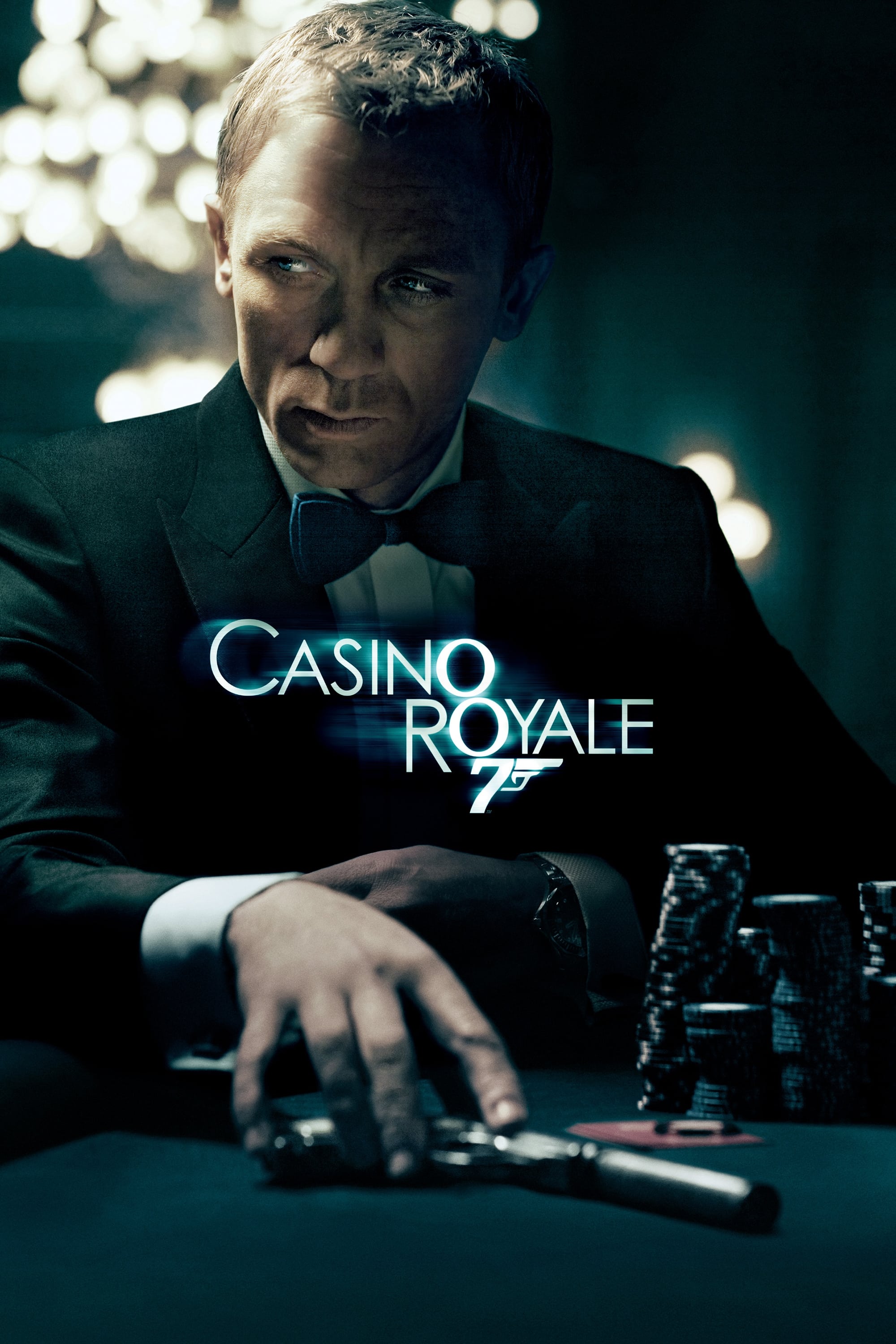
Bardem is called the greatest Bond girl, lighting Craig up more than anyone since Eva Green; the villain tilts the movie on its axis, funny and destabilizing and more unsettling than other Bond villains, while the backstory with M is brushed aside in one line about Hong Kong.
Silva hacking Bond and MI6 in 2012 is seen as prescient, a technocracy story rather than the money-and-power plots of villains like Mads Mikkelsen's; the abandoned island, shot off Macau but based on one off Nagasaki, is a faded ghost town that parallels Bond's own enjoying-death stretch.
The scorpion scene is loved, with a nitpick that a British guy doing scorpion tricks in a Turkish bar while keeping a low profile would go viral; Silva mirrors Bond as a lone wolf with mommy issues operating to his own ends.
After the action discussion, the answer is the rats speech, the Silva intro.