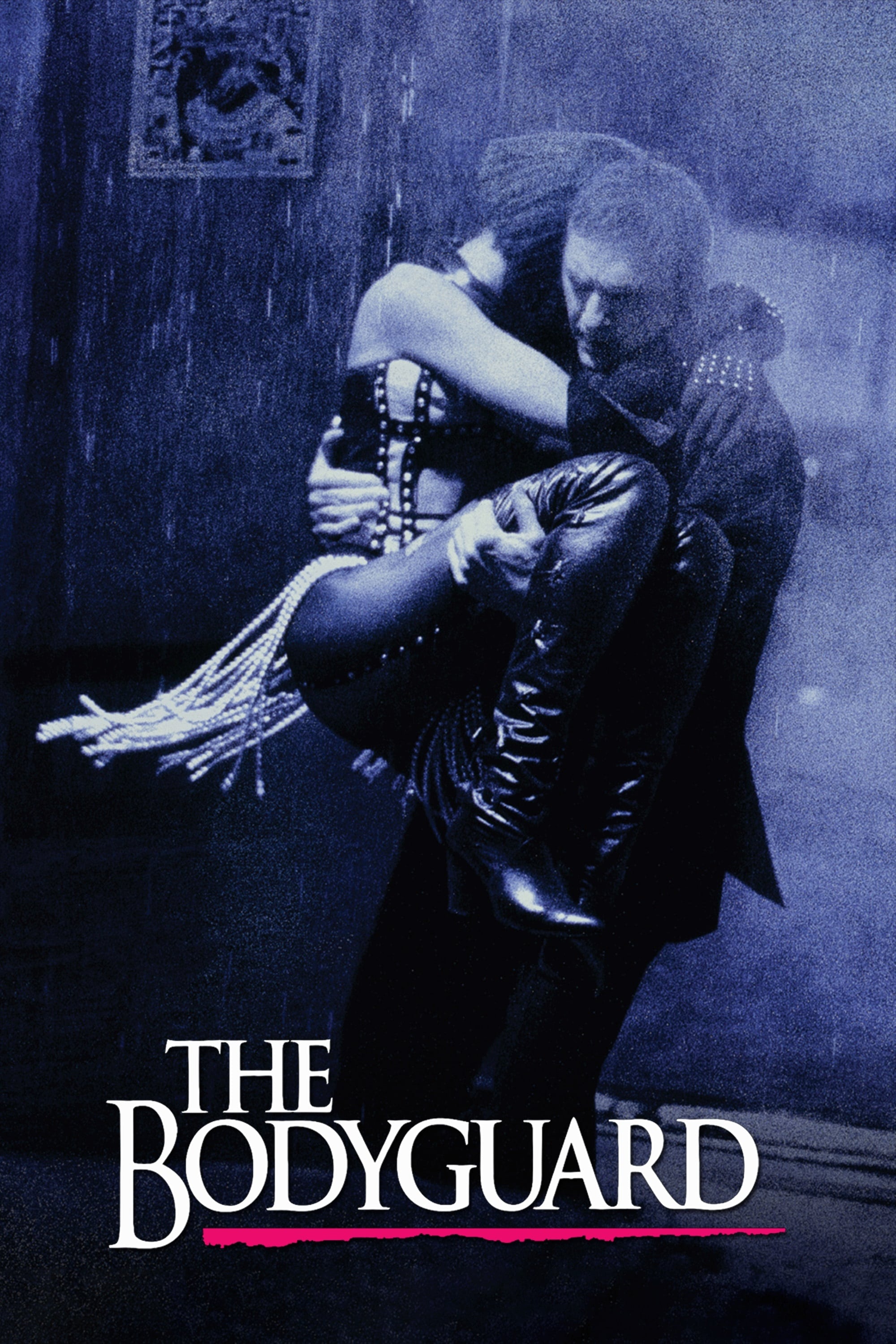
The framing of Vicki Vale is flagged as weird and reserved for this category. — Bill Simmons
Some special effects, like the bat plane flight, feel very 1989. — Bill Simmons
The film is too dark and literally hard to see in places; The Batman is said to be darker still. — Bill Simmons
The Keaton-Basinger scenes feel rough; a defense says they convey chemistry and that the Joker is crude and after her. — Sean Fennessey
Keaton’s Bruce is an odd, untraumatized weirdo, so the romance raises the question of why she likes him beyond his money; he is compared to a tech billionaire with a Steve Jobs look, though he had great chemistry with Michelle Pfeiffer in the sequel. — Sean Fennessey
The uproar over casting Keaton, with a reported 50,000 protest letters, is hard to explain today and is contrasted with modern tweet-based hate. — Chris Ryan
The Prince soundtrack is named, while Trust and Party Man are defended as good songs.
The importance of the Gotham Globe newspaper has dated; the setting feels like both 1989 and 1948, and Gotham is a composite of many cities.
Robert Wuhl as Knox is the worst part: he is in too many scenes after Bull Durham, which is called the most unfortunate part of the movie. — Bill Simmons
Sister's confession and motive; working-class crazy-stalker trope; Frank and Rachel apart in the third section; Whitney smoking; cocky chauffeur line; Robert Wuhl as Oscars host; the bathroom scene with the assassin
The sister's confession and motive are the answer: paying a hitman she cannot call off and saying she never would have killed Fletcher is confusing, a surprising loophole from Kasdan. — Bill Simmons
The twist tries to come from someone unexpected; one participant was strangely attracted to the sister on the rewatch, the other was not. — Van Lathan
The film never shows Rachel mistreating her sister beyond a few stink faces, leaving a chasm between an entitled-star annoyance and a hit; the drunken confession is bad. — Van Lathan
Why hire a hitman when she could spike her sister's drink? — Van Lathan
The blond crazy guy reflects an 80s-90s tendency to make janitors and working-class people the crazies, a "minimum wage people bias," with Buffalo Bill as another example. — Van Lathan
In the film's third section Frank and Rachel go about 30 minutes without a scene together. — Bill Simmons
Seeing Whitney smoke on the balcony prompts worry about her voice. — Bill Simmons
Costner's line that the cocky Black chauffeur always dies is a little jarring. — Bill Simmons
The bathroom scene where the guy who ends up trying to kill her seems about to choke her makes little sense, and going back to the room to make Frank jealous feels contrived. — Van Lathan