Curtis Armstrong's book describes Cruise and Sean Penn socializing during their simultaneous Chicago shoots, and Cruise disappearing from Armstrong's life after filming.
De Mornay was dating Harry Dean Stanton, who received the script for Guido and encouraged her audition. Armstrong recounts a developing Cruise–De Mornay romance while Stanton stayed in Chicago swimming laps.
Warner Bros. put the project in turnaround; Avnet and Tisch struggled to sell it after Night Shift, until Geffen backed it with Lana aged to twenty-one.
The happier ending tested much better for Geffen, while Brickman and Avnet objected; the dispute reportedly prevented a premiere.
Cruise reportedly trained daily, lost weight, then stopped and ate fatty food to soften his face for a teenage appearance.
Joel's Highland Park house is near the Ferris Bueller location, prompting speculation about the characters being neighbors.
The crystal egg came from Steuben Glassworks in Corning, New York; Armstrong's book describes Cruise's active dating during the shoot.
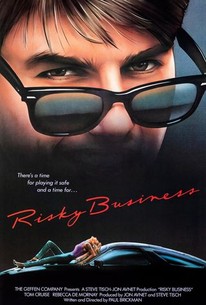
Brickman opposed a raunchy cartoon marketing concept; the hosts admire the final iconic poster but would also buy the rejected one.
Four 1978 Porsche 928 s were used; a surviving car reportedly rose from $49,000 in 2012 to about $2 million nine years later, an investment the hosts doubt will hold its cultural value.
The opening ten minutes: train credits, dream and poker-table banter about pedaling home to masturbate.
Miles's what-the-fuck speech ties risk-taking to freedom, opportunity and business success.
The frozen dinner followed by Cruise's Old Time Rock and Roll dance, whose fame now exceeds the movie's.
The brief get-off-the-babysitter fantasy, with Ron Dean as the police sergeant.
The Porsche chase after leaving the Drake, especially Miles's trig-midterm and killer-pimp line, remembered as a huge theatrical laugh.
Miles's throw-up aside and the Porsche slogan payoff cap the chase; Guido tapping the window with a gun abruptly raises the danger.
The Porsche rolling into the lake, with convincingly stoned Cruise and the temporary relief before the dock collapses.
Joel's unraveling after the accident and frantic run upstairs to Lana are visually inventive.
Joel becomes a pimp, recruiting friends and comparing dating costs with paid sex at the burger joint.
The brothel party is clearly staged within the familiar house, then Rutherford's arrival produces another surprise and the University of Illinois punchline.
Joel buys his belongings back, including the negotiation over the artsy-fartsy object.
The released ending's human-fulfillment line and residual hope are defended, though the original lake-view ending also works.
Final preferences include Joel's pimp transformation and street recruitment, plus the car chase and Lana's amused reactions.
Craig argues that the dance scene overshadowed a richer movie and would not make his personal top ten scenes; he also finds Joel's dress-shirt, underwear and socks outfit strange. — Craig Horlbeck
Displaying discussions 4525 - 4536 of 7108 in total