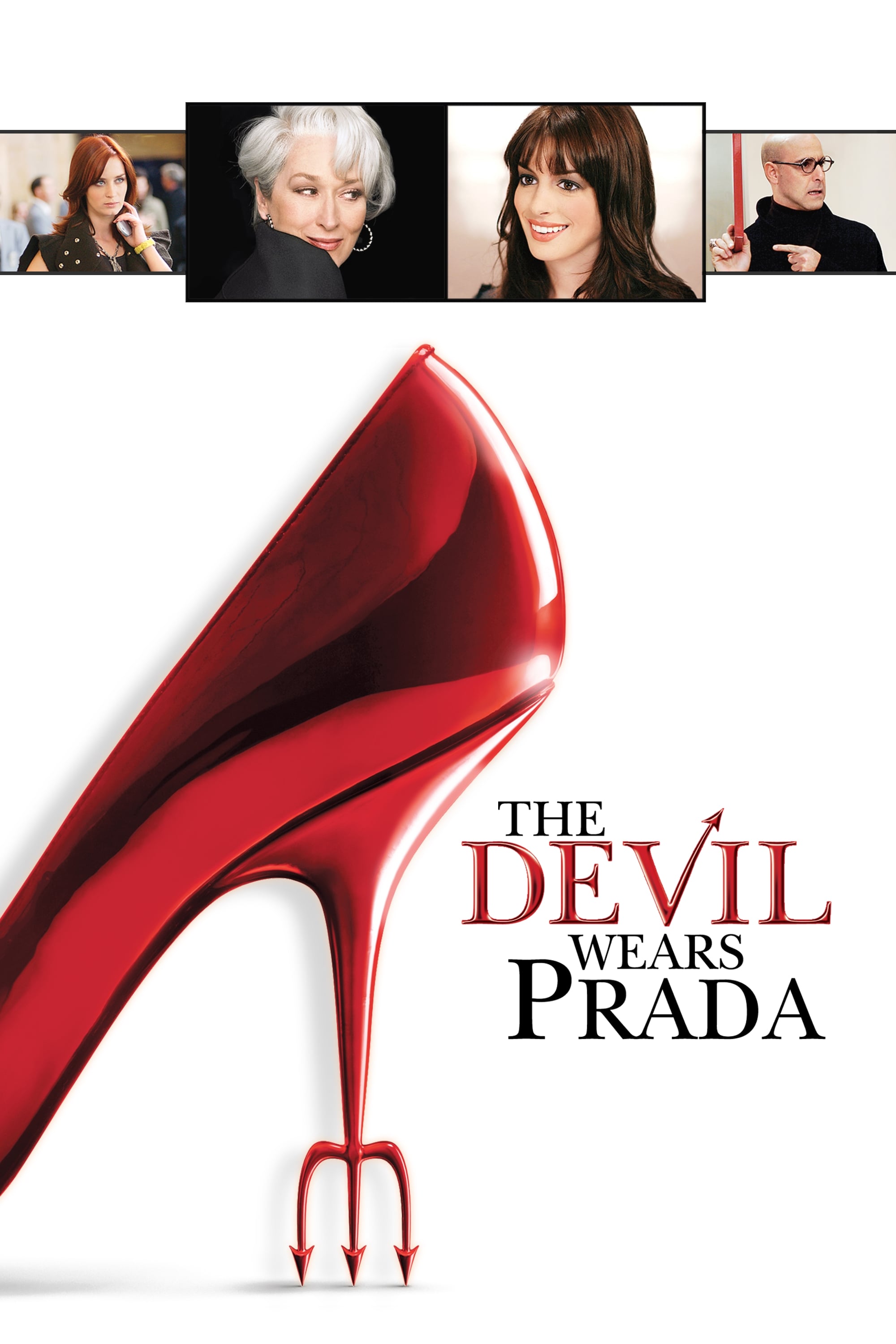
Anna Wintour (transcribed 'Anna Wintor') reportedly liked the movie despite initial skepticism and enjoyed Streep for her decisive nature. — Amanda Dobbins
Tabloid talk about her divorce is attributed to the New York Post; the movie is said to have rehabilitated her and corrected the book's portrayal, so she probably likes it. — Amanda Dobbins
She reportedly warned designers invited to cameo that they would be banished from the magazine; nobody knows whether that is true, but Vogue and other magazines avoided mentioning the book. — Bill Simmons
Streep was not on the cover of Vogue for a very long time after the movie, though she was recently. — Amanda Dobbins
Six years after filming, Stanley Tucci married Felicity Blunt, Emily Blunt's sister; the transcript also has a belief that he broke up with 'E. Falco' for her. — Bill Simmons
The first bag Miranda carries is a Prada bag. — Bill Simmons
Giselle agreed to be in the movie only if she did not have to play a model. — Bill Simmons
Costuming cost over a million dollars despite designer loans, under Patricia Field of Sex and the City, who got an Oscar nomination; the panel thinks that is low. — Bill Simmons
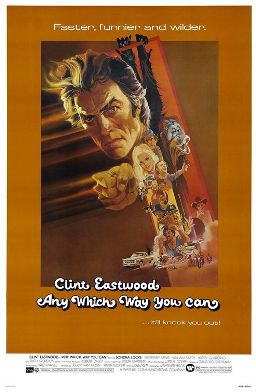
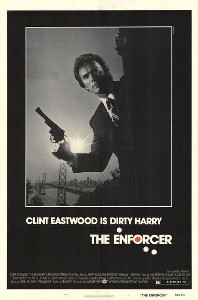
Streep told Variety in 2006 she took Miranda's soft speaking style from Clint Eastwood, who never raises his voice so everyone leans in; the whisper is called what makes the performance. — Bill Simmons
Bosses who stay insanely calm are said to destabilize the people around them. — Amanda Dobbins
Miranda's line about everybody wanting to be 'us' originally said 'me'; Streep changed it as too self-involved. — Bill Simmons
A double standard is argued: men respected as difficult method actors versus Streep and Hathaway labeled problem children, though Streep is called an anomaly nobody can overrule. — Amanda Dobbins
A deleted scene where Andy saves Miranda and Miranda thanks her was cut for making her seem likable; it surfaced online two years ago, and one panelist refuses to watch it, likening it to the Almost Famous extended cut. — Bill Simmons
In one more piece of research, John Krasinski has reportedly watched the film 75 times, which ties one panelist. — Bill Simmons
In the late seventies the film almost happened with Clint Eastwood and Richard Pryor until Eastwood did Escape from Alcatraz instead; that version would surely be far less racist and would become a Richard Pryor movie in the Brewster's Millions or Stir Crazy mold, probably sillier, and Pryor was coming apart on sets then, setting himself on fire in what the hosts date as 1982.
Jeff Bridges turned down Jack Cates because he did not want another cop movie; nobody could be better than Nolte, though a method Bridges putting on twenty pounds and going dark might have been pretty good, and Nolte is still permanently Jack Cates in a way an Ed Harris version would not have been.
Gregory Hines was the first choice for Reggie and dropped out to do Cotton Club, prompting a Running Scared tangent: a total 48 Hours ripoff in which Hines is really funny, and whose Florida Keys stretch with Michael McDonald is the movie one host wanted the whole time; Hines would have been pretty good, obviously not Eddie Murphy good.
Sly Stallone and Burt Reynolds allegedly both turned down Jack Cates, the kind of claim attached to every movie of the era; Reynolds could have taken the part to a bad place and might have ruined the movie, though Longest Yard-era Reynolds was good in tight roles like this.
Earlier, the studio nearly fired Eddie three or four days into the shoot because they did not think he was funny enough, with Michael Eisner running Paramount; called a good what-if that would have been a bad decision.