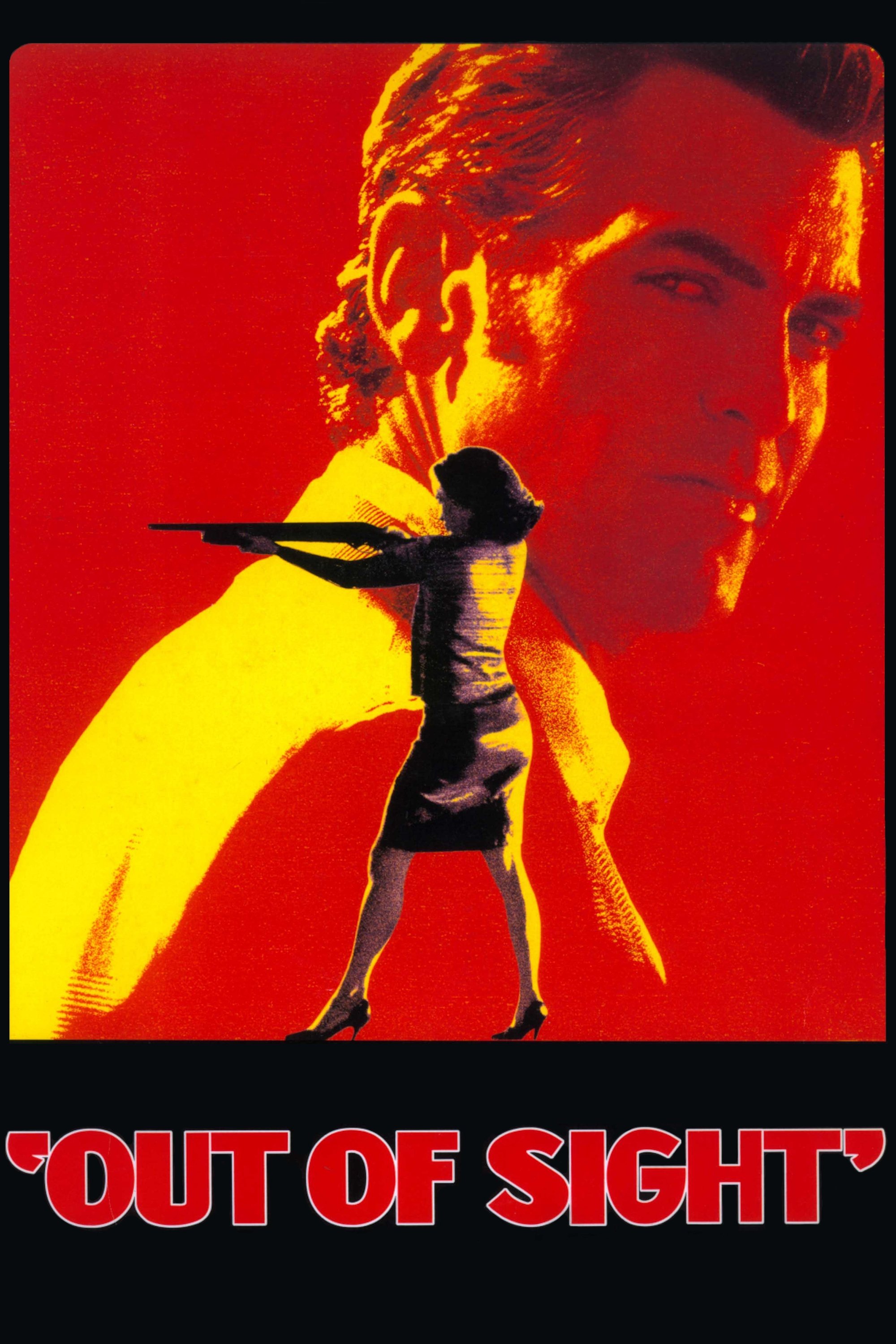
The dog's bathroom situation on the sub is a nit: someone should walk it or there should be astroturf, rather than piss in the hallway next to smokers. — Bill Simmons
Winona Ryder receives a positive verdict, with Heathers raised as the strongest competing film.
A pro-Reality Bites argument points to the shot from this film used in an eventual Oscar memorial montage.
Ethan Hawke is rejected here because Training Day brought an Oscar nomination and broader career choice.
A competing suggestion places Hawke’s apex in the present and speculates that The Purge may have given him unusual financial leverage, while explicitly admitting that claim is not known as fact. — Chris Ryan
A Brooklyn pasta-shop anecdote about Hawke debating whether a character was Nick Cave or Jeff Tweedy is jokingly proposed as his apex.
After the transcript form “You too,” the response calls another title the movie about them and thanks Ben Stiller, but gives no clear yes or no. — Chris Ryan
Lisa Loeb receives an unqualified positive verdict.
The Super Big Gulp is rejected as too forced a script device.
The gas-station dance to My Sharona is remembered as a defining scene from the original release.
The walk after Winona Ryder’s character is fired makes her connection with Troy legible before he tries to kiss her.
Their angriest interactions are said to validate the central connection more convincingly than the positive ones.
The Melrose Place AIDS monologue wins for turning Steve Zahn’s character’s fear into a funny, period-specific imagined television plot.
The secret-handshake confrontation between Michael and Troy is praised for performances that could easily have failed with different actors.
The All I Want Is You montage, including Winona Ryder’s character thinking she sees Troy and checking on him through Steve Zahn’s character, is praised as an effective use of music. — Chris Ryan
The argument over working at the Gap captures the painful money and status split between close friends just after college.
The monologue’s winner case is strengthened by the movie making AIDS fear a constant part of sex, testing, and social life.
Another participant explicitly selects “the U2 scene” as the most rewatchable scene.
The later fight after Troy brings another woman home is selected as the best scene by another participant.
Brad Pitt is a 100 percent yes: never loved more than as Rusty Ryan, not close, met with a wow and a to-each-their-own aside, and a third voice agrees with both.
This is the closest anyone will get to hanging out with Brad Pitt, the hoped-for good version, a shrimp cocktail chewing joke machine, as opposed to a man at a party talking about his architecture and a fancy table; one host likes a few performances more but calls this his most charming and least actory; he is scaling the mountain.
Clooney draws a no and a yes; one case is for ER and The Perfect Storm, which catapulted him to movie stardom while he filmed an ER episode; another says this is who he is supposed to be, Clooney at his essential, with Clayton and Out of Sight heard but not preferred.
He is better at this than capital-A acting; he channels Nick Clooney and essentially hosts a TV show in the how-we're-going-to-do-the-job monologue; per the director's commentary the monologue was shot about a hundred times over two nights for coverage of nine people, timed to the blueprint video, with his close-ups last; his athletic side fits, since good athletes nail repetition, and he was drafted by the Reds and plays basketball.
Another yes for Clooney: when he goes serious like Siriana (as transcribed) he grits his teeth and overdoes it, and in comedy he goes wide-eyed and hammy like Buster Keaton, even in the jokey Out of Sight with Steve Zahn; this is one of the only movies where preternatural cool is the whole point; another is torn between Out of Sight, more honest about a career criminal and schlubby, and this, so the vote is split.
Matt Damon is not: no chance; candidates are The Martian, Good Will Hunting (incredible despite being so early), Bourne (not enough talking) and Ripley, a great movie but Paltrow's apex and Jude's rather than his.
Soderbergh gets a nope, with Behind the Candelabra guessed; the case for this film is that it is the last time he was concerned with relevance, forgoing experimentation to work inside a studio system he has openly said he hates, which he did three times, underwriting his liqueur business; another loves his small movies, would watch The Limey every day, and thinks Out of Sight is his best; there is adoration for the Nick (as transcribed), provocative and beautifully shot, canceled because no one else cared.
Ocean's Eleven is chosen as Soderbergh's apex and seconded, against the earlier nope and the preference for Out of Sight, so that vote is split too.
Ocean's Twelve belongs to the experimental side of Soderbergh, commenting on the idea of a sequel better than anyone could; he is an accomplished technical filmmaker who, unlike most auteurs, understands the enjoyment of going to a movie, visible in his year-end culture diaries watching Social Network twenty times; she is here to have fun, and this film is the thesis statement for that attitude. — Amanda Dobbins
Parker Posey receives one final pick for making a large impact in limited time and embodying the glamorous 1990s book-editor fantasy. — Juliet Litman
Posey's sleeping-pill advice at the publishing party is singled out as a perfectly timed supporting moment. — Amanda Dobbins
Steve Zon receives the other final pick for his sad, unlucky-in-love bookstore employee and the contrast with his role in That Thing You Do. — Amanda Dobbins
The panel speculates that Hanks and Ephron's working relationship may have helped connect Steve Zon to the earlier Hanks-directed film, but does not establish the casting chain as fact. — Juliet Litman