
‹ All movies
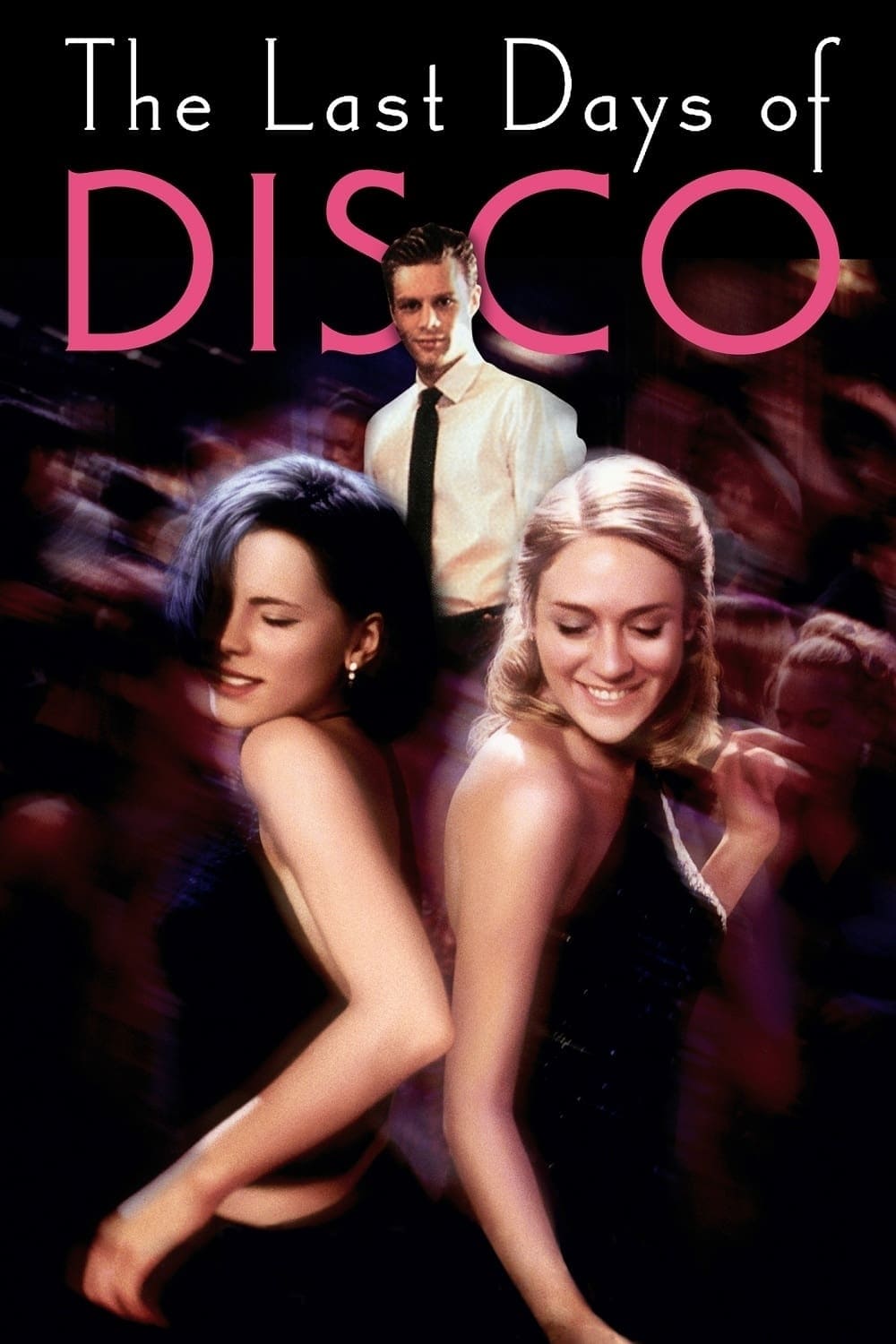
The Last Days of Disco poster

The Last Days of Disco

113 minutes

Cast

Selected cast credits · Film reference

Kate Beckinsale Charlotte
Matt Ross Dan
Tara Subkoff Holly
Sonsee Neu Diana
Jaid Barrymore Tiger Lady
James Murtaugh Marshall
Cate Smit Helen
Debbon Ayer Betty
Zachary Taylor Backdoorman
Carolyn Farina Audrey Rouget
Dylan Hundley Sally Fowler
Taylor Nichols Charlie / Ted Boynton
Amanda Harker Model 1
Brandi Seymour Model 2
Leslie Lyles Sally
Robin Miles Josephine
Linda Pierce Real Estate Lady
Carlos Jacott Dog Walker
Sharon Scruggs Justine Prashker
Ajay Mehta Pharmacist
Norma Quarles Anti-Disco Rally Reporter
George Plimpton Clubgoer
Kimball Chen Clubgoer
Bunny Beekman Clubgoer
Redman Maxfield Clubgoer
Jack Staub Clubgoer
Michael Albanese Creep on Subway (uncredited)
Michael E. Bell Disco Patron (uncredited)
Harry Tappan Heher Holly's New Boyfriend (uncredited)
Will Kempe Rick von Sloneker (uncredited)
Adrian Lee Heart Patient (uncredited)
Jessica Pimentel Clubgoer (uncredited)
Rio Puertollano Disco Dancer (uncredited)
Rohan Quine Marie Antoinette Clubgoer (uncredited)
Michael Rothberger Thug #3 (uncredited)
Jack Serra Cocaine Dealer (uncredited)
Nick Stellate Hot Rod Driver (uncredited)

The Last Days of Disco | The Rewatchables

Explore episodeClose episode

Most Rewatchable Scene

Opening nightclub sequence (two choices); Rex’s sequence (one choice)

In the discussion (19)
Approx. transcript time · 00:46:34Read transcript
  • The opening twenty minutes introduce the whole nightclub ensemble over a succession of songs.
  • Jimmy tries to bring older business contacts past the doorman.
  • The women use a cab trick to gain admission.
  • Des tells the Jennifer Beals character he thinks he is gay.
  • Charlotte’s first backhanded compliments establish the frenemy dynamic.
  • The publishing-coverage template and formula argument with Dan are favorites.
  • Alice leaves the booth to dance while Robert Sean Leonard’s character watches from afar.
  • The harsh confrontation about Alice’s seductive routine is praised for its writing and restrained reactions.
  • The debate over whether yuppies exist rejects a label no one claims for themselves.
  • The unexpected breast-unveiling anecdote is praised as captivating storytelling.
  • Charlotte publicly deduces Alice’s infection from her refusal of alcohol, then offers an insincere apology.
  • The Lady and the Tramp analysis about women loving jerks is another favorite.
  • The nightclub bust is nominated.
  • Alice’s success, Charlotte’s layoff and the speech declaring disco dead form another favorite ending sequence.
  • The subway Love Train finale is praised, especially the cut to dancers on the platform.
  • The opening is one final choice, with the yuppie discussion as backup.
  • The Rex’s sequence is another final preference, contrasting a supposedly dull bar with its patrons’ genuine enjoyment.
  • The opening introduces existing conflicts rather than strangers meeting, creating the sense of entering established relationships.
  • A second final choice favors the opening twenty minutes, with Rex’s and the Radcliffe anecdote close behind.

What’s Aged the Best?

Indie films; Leonard; costumes; Sevigny and Beckinsale; soundtrack; gay-day joke; club outfit; Criterion; Dan; New York; unnamed club; railroad apartments

In the discussion (12)
Approx. transcript time · 00:59:36Read transcript
  • Late 1990 s independent films receive a choice.
  • Robert Sean Leonard remains a welcome performer despite not becoming the anticipated movie star.
  • Sarah Edwards’s costumes endure, especially Alice’s blue, striped, opening and subway red outfits; their contemporary appeal is praised.
  • Young Sevigny and Beckinsale are reiterated.
  • The soundtrack is called a first-ballot Hall of Famer, with the breadth of its playlist praised.
  • Wednesday being gay day remains a favorite joke.
  • A clubgoer’s bull’s-eye outfit is funny.
  • The Criterion release, Stillman commentary and matching illustrated trilogy packaging are appreciated.
  • Department Dan’s activism and remarks about bourgeois women working are praised.
  • New York functions as a living room for young people escaping cramped apartments.
  • The club evokes Studio 54 without naming it, avoiding the feeling of exclusion from a specific famous scene.
  • Railroad apartments and Alice’s noisy pots and toilet business evoke unpleasant shared-living realities.

What’s Aged the Worst?

Opening titles, disputed; demolition-night chronology; abrupt time jump, disputed; mental-health jokes, qualified; Subkoff performance

In the discussion (5)
Approx. transcript time · 01:08:18Read transcript
  • Flashy opening titles are disliked as hard to read, with a dissent liking them.
  • The 1979 Disco Demolition Night conflicts with the stated 1980 s setting.
  • The abrupt late jump to Alice’s success and unemployment feels like a missing scene, while another response likes its novelistic ellipsis.
  • Mental-health jokes might not be written now but fit the historical setting.
  • Tara Subkoff’s limited acting and apparent offscreen dubbing evoke an amateurish indie-film practice; the character’s intended nature offers partial defense.

The Stephen A. Smith Hottest Take Award

Sevigny’s alternate star career; misplaced nightclub enforcement

In the discussion (2)
Approx. transcript time · 01:13:16Read transcript
  • Sevigny is imagined with a Paltrow-scale career, a cooler New York business and multiple Oscar nominations; both she and Mathis deserved more good films.
  • The district attorney’s attention to nightclub malfeasance is questioned amid larger New York problems.

The Joey Pants “That Guy” Award

Carlos Jacott; Thornton and Weatherly mentioned; Ross and McKinney eligibility debated

In the discussion (5)
Approx. transcript time · 01:21:24Read transcript
  • Matt Ross’s eligibility is debated without a clear ruling.
  • Mark McKinney may be too recognizable to Kids in the Hall fans.
  • David Thornton as Bernie is suggested.
  • Carlos Jacott’s dog-walker cameo is the explicit winner, with Kicking and Screaming and Barcelona recalled.
  • Michael Weatherly as Hap is added belatedly, with Bull recalled.

Apex Mountain

Sevigny; Mackenzie Astin, qualified; money-losing Studio 54 movies

In the discussion (13)
Approx. transcript time · 01:26:09Read transcript
  • Sevigny receives yes for her New York It Girl moment before Boys Don’t Cry, with a joking Brown Bunny qualification.
  • Beckinsale’s peak is placed with Underworld rather than this film; Brokedown Palace and Instagram are alternatives.
  • Mackenzie Astin initially receives yes, then Facts of Life is raised as competition.
  • Robert Sean Leonard receives no.
  • Hatred of advertising people is proposed, with Mad Men as competition.
  • Vodka tonics are proposed without a definite peak ruling.
  • Book publishing’s peak is debated against its later film glamorization and the 2000 s as a last strong decade.
  • Gonorrhea movie references are suggested without a definite answer.
  • Eigeman’s Kicking and Screaming is preferred, while this film and Barcelona are treated as a shared strong run.
  • Yuppie scum is proposed without a clear ruling.
  • Railroad apartments are proposed without a clear ruling.
  • Stillman’s peak is debated between Barcelona and Metropolitan, with the latter’s Oscar nomination favoring it.
  • Money-losing Studio 54 movies receive an explicit yes.

Sequel, Prequel, Limited Series, or All-Black Remake

Sequel: later Des; mid-1980s ensemble; Alice’s Wall Street marriage

In the discussion (4)
Approx. transcript time · 01:31:09Read transcript
  • A spiritual sequel about Des’s later life is proposed; talk radio or podcasting suits his opinions, ambition and lack of ideas.
  • A mid 1980 s sequel following divorces and moves is enthusiastically preferred.
  • Des stays in New York and produces a Mets podcast in the imagined sequel.
  • Alice is imagined marrying a wealthy Wall Street figure who goes to prison, forcing a new life.

Is This Movie Better With…?

Wayne Jenkins infection and Josh riffs

In the discussion (2)
Approx. transcript time · 01:37:09Read transcript
  • A Wayne Jenkins impression reworks the infection scene.
  • Wayne Jenkins riffs rework Josh’s breakdown and arrest dialogue.
In the discussion (3)
Approx. transcript time · 01:38:24Read transcript
  • Beckinsale is the first choice.
  • Eigeman is the alternative choice.
  • Beckinsale is proposed in place of Lynn Redgrave. The discussed supporting-actress field is winner Judi Dench for Shakespeare in Love,Kathy Bates for Primary Colors,Brenda Blethyn for Little Voice,Rachel Griffiths for Hilary and Jackie,and Redgrave for Gods and Monsters.
In the discussion (4)
Approx. transcript time · 01:46:14Read transcript
  • Stillman is rejected because the film failed commercially and preceded a long gap.
  • A wish to honor a prior Kicking and Screaming candidate trails off without an explicit completed choice.
  • Beckinsale receives one explicit final choice.
  • Sevigny receives another explicit final choice, with the two leads described as closely matched.
Podcast choices
Speaker not identified
Kate Beckinsale
Speaker not identified
Chloë Sevigny