

Half-Assed Internet Research
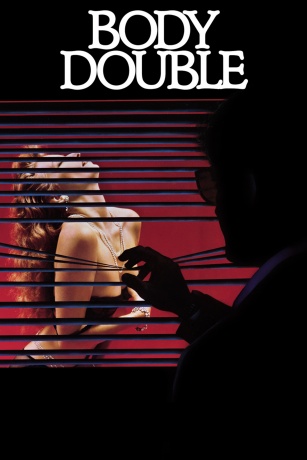
Body-double premise; casting and dubbing; box office; locations; audition rumors
In the discussion (12)
Approx. transcript time · 00:06:43Read transcript
- De Palma’s combative interview style and post-Scarface three-picture deal are connected with doubling down on sex and violence; the body-double idea reportedly grew from Dressed to Kill.
- Robert Avrech reportedly worked from De Palma’s reinterpretations of Hitchcock, and the studio rejected the original plan for unsimulated sex.
- Shelton’s performance was reportedly redubbed by Helen Shaver, an unusual American-production choice; an interview suggests Shelton’s own voice is normal, while Shaver’s sultry tone is praised.
- Griffith’s casting and nomination revived her career; De Palma reportedly knew her through Trivial Pursuit with Stephen Bauer and recovering actors.
- A $10 million budget and $8.8 million gross are reported; De Palma’s continued sense of failure contrasts with later affection for the movie.
- Kael’s disappointment is contrasted with Ebert’s praise and her earlier De Palma advocacy; her Hollywood experience and critical judgments are debated.
- The discussion identifies several real adult performers and Bauer’s cameo, while naming Michael Kearns as the stunt-cock performer; these are podcast casting claims rather than newly verified metadata.
- Locations are listed with explicit uncertainty about the Beverly Center and whether the video store is Tower; the Chemosphere is preferred as the defining Los Angeles place.
- The Relax set was reportedly reused for Fright Night’s nightclub sequence.
- Jake’s car is identified as a 1967 Chevrolet Camaro RS convertible, prompting jokes about jumping into cars.
- De Palma denies a persistent rumor of many women performing private auditions at his home, saying only Haven and Griffith worked there on the routine; the response is teased but not established as false.
- Griffith’s routine audition tape was reportedly destroyed at her request.