Never seen it before: nine years old and a boy at release, watching Superbad by 16.
It is one of Liz's favorite movies and she was extremely excited to watch it.
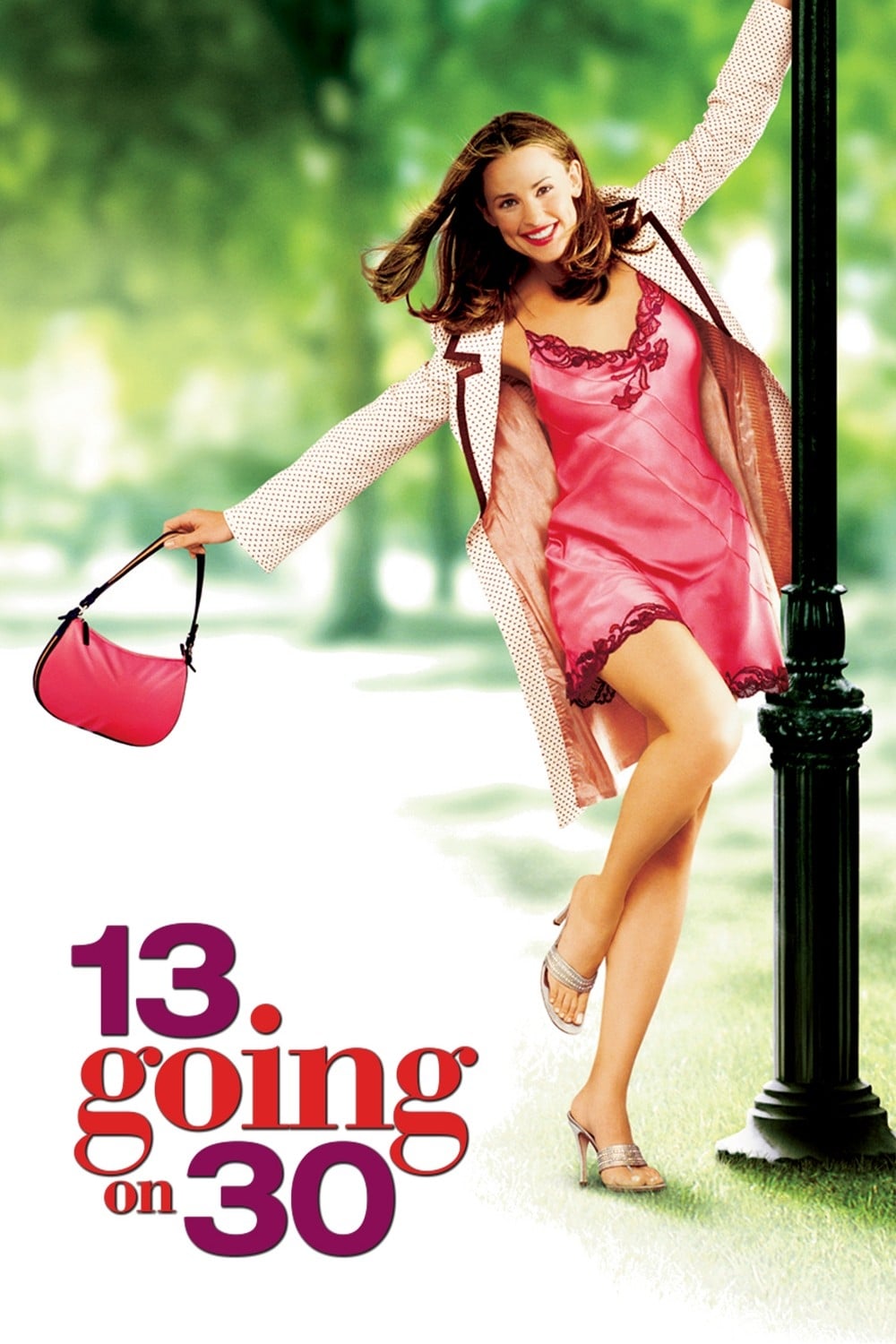
Garner is seen more around Brentwood than in movies; the recalled credits are Juno, Draft Day and Ghosts of Girlfriends Past.
Agreeing with an earlier point, most people in their 20s think of Garner as the Capital One lady who was married to Ben Affleck, like Paul Newman and salad dressing.
Garner's physical acting is amazing and subtle, down to the giant pina colada gulps; the movie is better seen in your 30s than at 13.
A daughter identified with the teen parts while a wife loved it in her 30s; adult themes include Matt insisting on marrying his fiancee and Jenna apologizing to her mom for missing Christmas, flipping the usual rom-com ending.
Someone recently watched Clueless for the first time; this holds up better as an adult watch, while Clueless is a 1995 time capsule and LA has changed.
The award for the biggest cop-out of an ending is invoked; wondering how the film should have ended is part of why it is rewatchable.
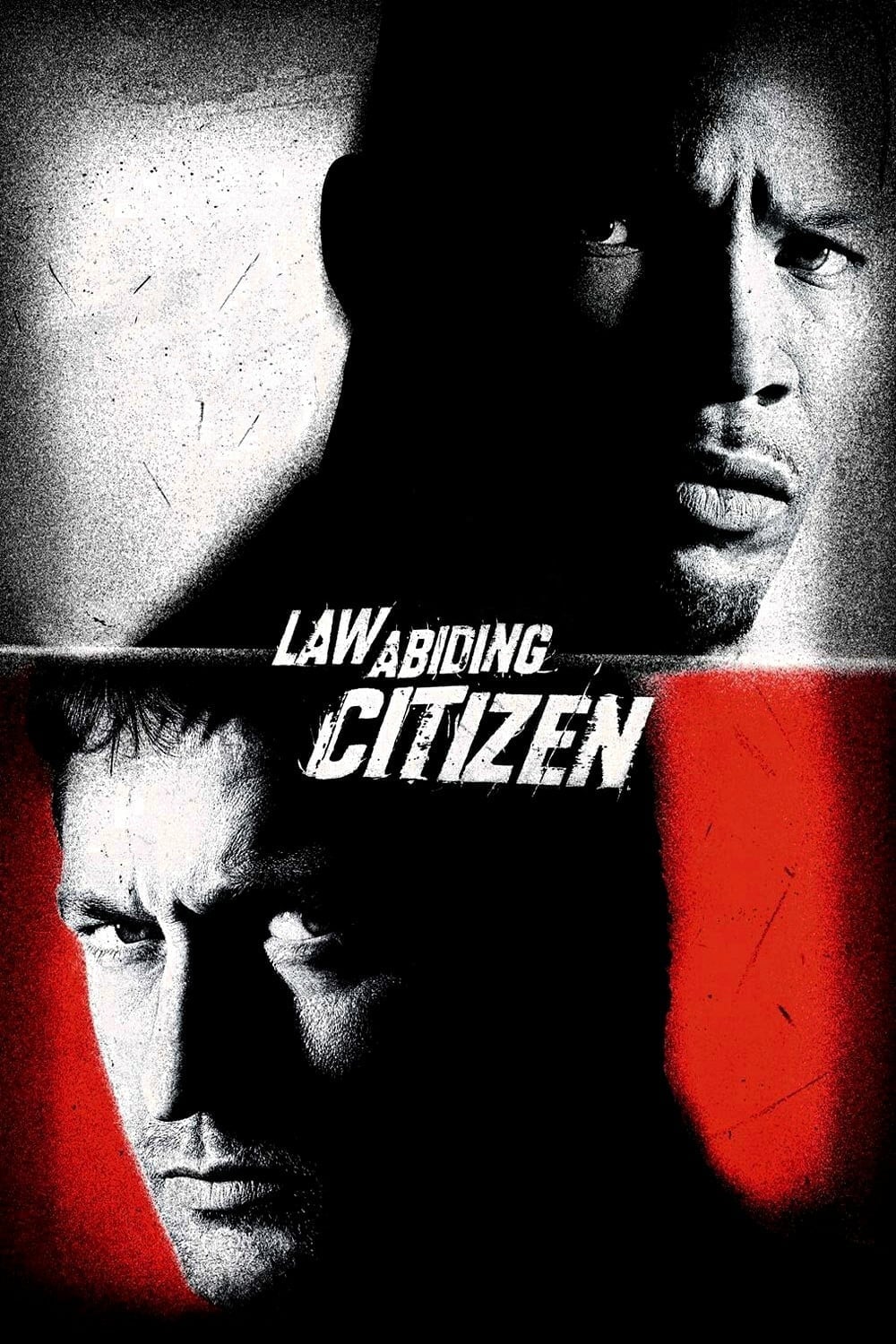
One proposed ending has Clyde anticipate Nick's move and blow him up in the cell or escape, or plant a second briefcase so Nick must choose between killing both of them or City Hall.
Nick has to die: outside the two murderers he is the one most to blame, and Clyde kills everyone else around him.
A counterpoint compares Seven, where the final murder has to happen, and calls this a bad David Fincher film; but in Seven John Doe is outside the two leads, so killing Nick would validate Clyde's killings, unless Clyde blows both of them up.
Another alternative: at the recital Nick's tie could carry poison, since the film sets up Clyde's tie that strangled a man; the ending may have been planned and chickened out of, like going for it on fourth down all game and then kicking a field goal.
The ending should have been settled earlier, from the cellmate killing; Clyde would have had to die or choose not to go through with it, instead of dumb Nick outsmarting the CIA operative.
Returning to it at the end: Nick has to die in the last scene; one voice says 'I think we all agree' it is a better movie if he dies.
Ebert gave the film three stars and liked it, writing that it is one of those movies you like more at the time than in retrospect, but that there is something to be said for a movie you like well enough at the time.
The hosts joke about whether the review was really written then or by a host a couple of days ago.
One speaker agrees with the in-the-moment point: after finishing the film he described the whole thing to Liz for 15 minutes; another review said you love it right away and then reconsider.
Watching with his wife and Ben, who had never seen it and liked it; his wife called it terrible until Leslie Bibb's car blew up and she got sucked in.
The opening home invasion is excluded from the rewatchable scenes.
Nick meeting Clyde to explain the plea deal (DNA ruled inadmissible despite a witness) is called one of the most detestable scenes in a beloved movie; afterward you want Clyde to kill everyone involved.
The lethal injection gone wrong is picked; it prompts curiosity about who attends executions, and Nick brings Leslie Bibb's character and skips his daughter's recital to watch.
A favorite trope: something traumatic has to happen for a man to become a real father.
Darby's abduction is 'perfectly executed', with his companion slumped on the ground; the barbed-gun reveal is when 'the movie has started'; the tetrodotoxin detail was looked up and is said to be real.
Clyde pretends to confess to Nick without confessing; a smarter, Fincher-style movie would reveal that an hour later instead of immediately.
The judge scene delivers the title line, 'Your honor, I'm a law-abiding citizen', followed by insults to the judge that are called hysterical.
In the jail cell Clyde orders a Del Frisco's steak and kills his cellmate with the bone, not the spork, as one speaker had believed after nine viewings, while 'Eminence Front' plays.
The cellmate killing was the most confusing moment on first viewing until the tunnels are revealed; a flashback to ten years of preparation would have been welcome.
The cell phone that blows up the judge is an all-timer and one speaker's favorite scene: out of nowhere, right after she says a judge can do what she wants, with horror-movie shock.
The parking-lot bombing kills Leslie Bibb's character; the hosts ask why Nick had everyone wait in the office at 6 a.m. and why the DA works the case like a detective.
The funeral drone gun, where Jonas is shot and then finished with a rocket, and the first 80 minutes are called elite.
The tunnel reveal and the final 'I don't make deals with murderers' confrontation end with operatic fire around Clyde as he looks at his daughter's bracelet.
One pick: 'my most rewatchable is the cell phone easily', plus Nick and Clyde's first interrogation; the eyelid-torture scene with the mirror is an honorable mention.
Another pick lists the cellmate, the cell phone and the parking lot, calling the whole stretch fantastic.
The crucial iPod scene, with a big iPod plugged into speakers near the end of the iPod era, is the most 2009 thing.
There was no social media to be outraged by the plea bargain; true crime would have changed the movie, with Clyde becoming a hero with his own faction online.
A comparison is drawn to public support for the man who killed the United CEO.
Fake true-crime documentaries about fictional characters (Clyde, John Doe from Seven, the Corleone victims) are pitched as a Ringer Movies idea; a fake 30 for 30 about Drago is said not to have worked.
One enjoyment: any movie where a lawyer protects a high conviction or plea-bargain rate, as in A Few Good Men and The Devil's Advocate, which signals the lawyer is a bad guy.
Another: movies where something tragic has to happen for a man to become a father, like a dad reaching his son's game only after terrorists kill 50 people.
Nick going to the recital does not follow from anything he learned; if his tie started strangling him there, it would be a Seven-level twist.
The hosts say Foxx was first set to play Clyde and Butler the lawyer until Butler pushed to flip; they quote Butler saying he was seduced by the other role and asked if Jamie would take the lawyer.
The flip is judged right: Butler as the lawyer would be a worse movie, while it is a better role for Foxx.
Butler's naked arrest adds him to the white leading men who show their butts on camera (Kevin Costner in Robin Hood, Mel Gibson, Tom Cruise); the hosts joke that hairy actors' butts are always waxed.
Philadelphia is an underrated, confined movie location; the Rocky statue or the Liberty Bell should have been threatened.
Regina Hall brings gravitas to a role of a few scenes, which is three scenes too short.
Another character explaining the hero's special set of skills is a favorite device; here it comes from 'the House of Cards guy' in a tunnel.
'Eminence Front' by The Who, remembered from Craig's favorite show Entourage.
A tangent covers the recent Jake Paul gambling ad with Piven and Grenier playing thinly veiled Entourage characters, which the hosts describe the Entourage creator objecting to; hosts enjoyed seeing them and would watch a relaunch.