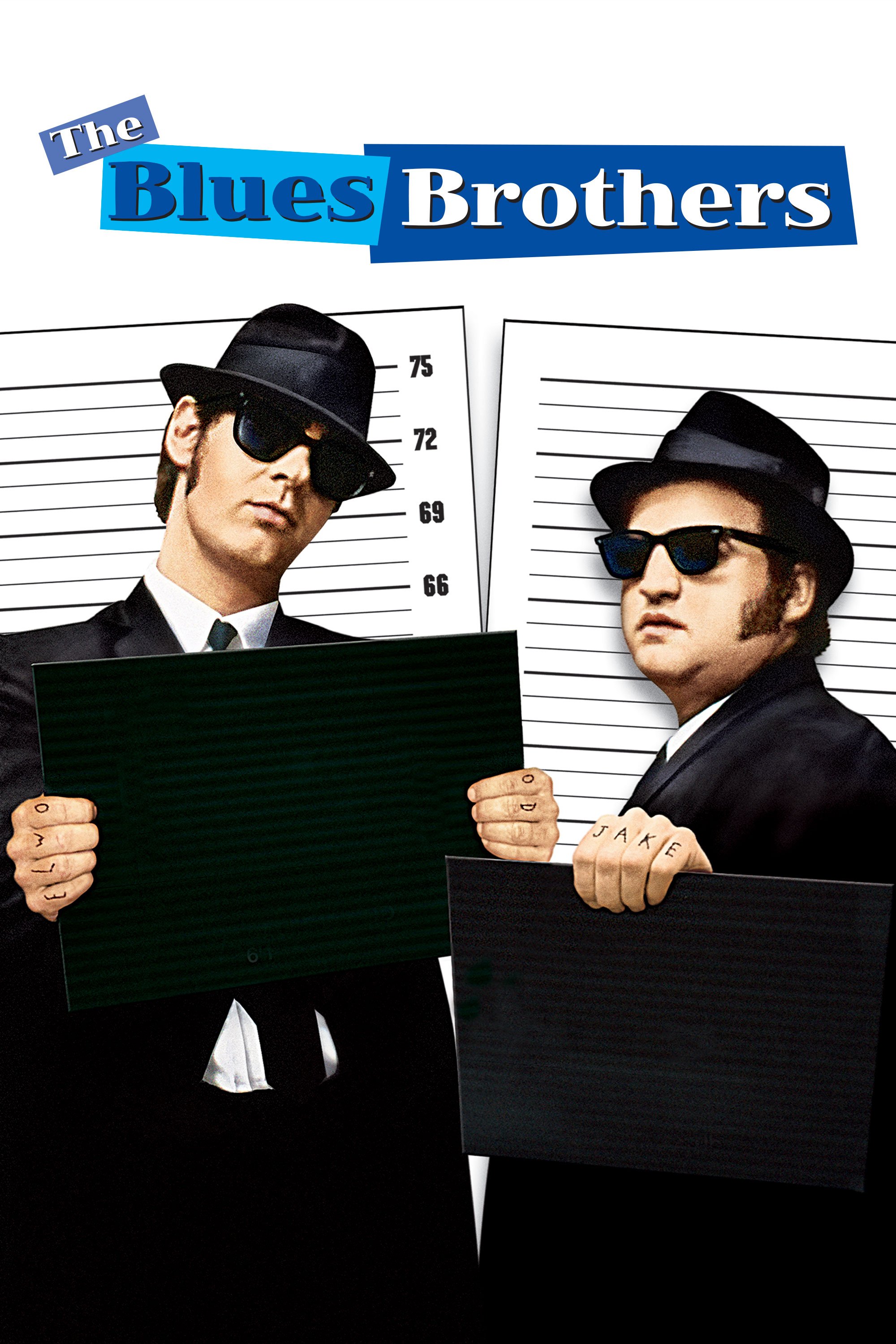
Ebert gives three stars and praises Landis for organizing chaos while preserving humor, grace and whimsy; the interpretation of the brothers as hard-boiled cynics is questioned. No denominator is spoken.
Enormous car pileups are questioned as a dated appeal, but escalating absurdity eventually turns initially tedious chases into impressive comic invention.
Manual steering ages poorly; a remembered failed test drive of a cheap late-1960s Mustang illustrates the difficulty.
Paul Shaffer’s absence disappoints; his competing Gilda Live commitment reportedly enraged Belushi and cost him his band place.
Howard Shore suggesting the Blues Brothers name without continuing involvement is raised, though his later career went well.
More SNL-related cameos, such as Murray, Martin or Laraine Newman, are desired; Hartman’s later cameo work illustrates the appeal.
Blues Brothers 2000 is called a poor sequel.
Landis’s account of Ted Mann restricting bookings to avoid Black audiences is condemned as racist and as harming the film’s release, despite its eventual success.
A deleted scene has Belushi’s discarded cigarette blow up the gas station after Twiggy leaves; its exclusion is questioned amid the retained destruction.
Late teens, around eighteen or nineteen, are the initial ideal viewing age.
A formative sixteenth-birthday trip to the Blues Brothers 2000 premiere and party led to repeated original-film viewings and a desire to move to Los Angeles; sixteen is the resulting age choice.
Sixteen suits discovering soul music while enjoying crashes; ten is also defended through childhood affection.
Enduring quoted lines connect the film with Stripes and Caddyshack; a first viewing after thirty might miss its impact.
Jake’s release, the brothers’ reunion, police-car pickup and bridge jump provide a strong opening.
James Brown’s church performance and Jake’s epiphany are nominated as iconic, with a stunt double inferred for the handsprings.
The Dixie Square Mall chase is loved for escalating destruction, deadpan shopping remarks and its period mall atmosphere.
Chez Paul is a favorite and the funniest scene, unleashing Belushi through food and outrageous demands; more similarly unrestrained scenes are desired.
The Soul Food Cafe sequence combines John Lee Hooker, dry toast and four fried chickens, and Aretha’s Think; Murphy’s stiff acting contrasts with her performance.
Ray’s Music Exchange is praised as the best musical number for its outdoor choreography, compared with Ferris Bueller’s Twist and Shout dancing.
Bob’s Country Bunker, Rawhide and Stand by Your Man are nominated; its chicken wire inspires a joke about live television recaps.
Minnie the Moocher, the Palace Hotel performances and Carrie Fisher’s tunnel confrontation are listed among candidates.
The 106-miles-to-Chicago exchange is an iconic launch into the final chase.
The Nazis’ prolonged falling Pinto, the Bluesmobile collapsing and the surrounding guns are final-chase highlights.
Ray’s Music Exchange is explicitly selected for Charles’s timing, the song and dance, and its necessary place in getting instruments; another response favors Chez Paul or the mall.
The rare original Lynda Carter centerfold is an attractive memorabilia choice; a discovered sale listing gives no available price.
Jake and Elwood’s hats and Ray-Bans are desirable, recalling souvenir gear at the sequel premiere; a reported five hundred lost glasses makes an original pair hard to identify.
Elwood’s briefcase and the collapsed car are alternatives, but the Colleen Camp poster is the preferred object because of its film history.
The harmonica from the major performance is another choice.