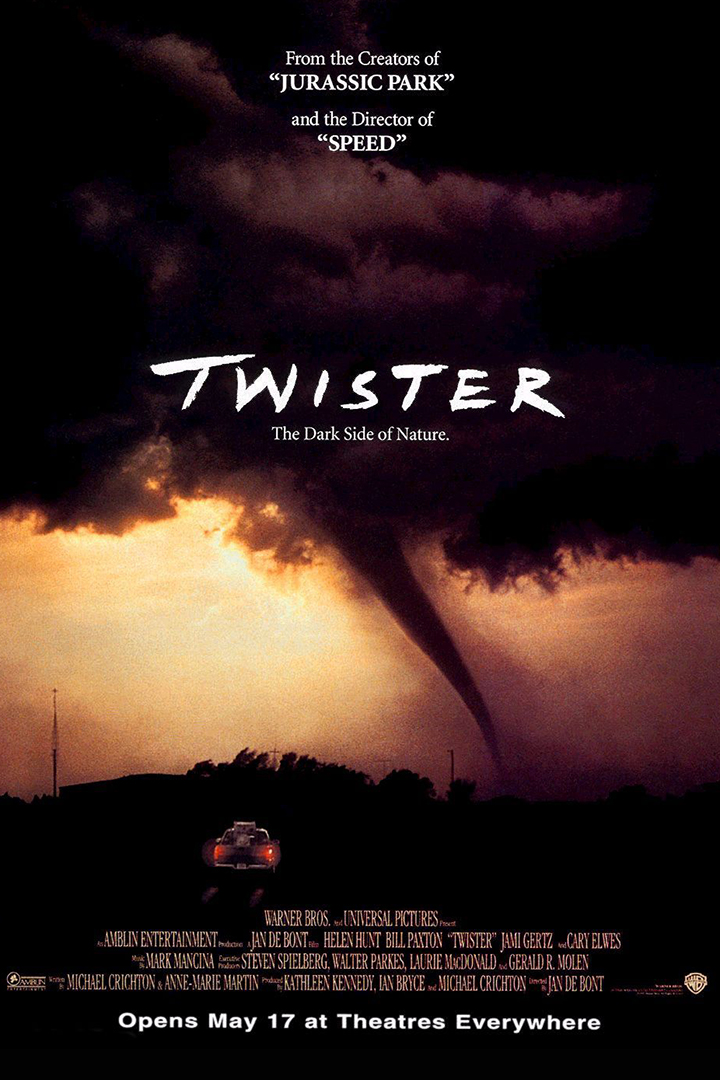
Bill and Jo are imagined having a child then divorcing; her identity after confronting the F5 and a sequel about their offspring are discussed without certainty about Twisters.
A first or unremembered earlier viewing leaves an enthusiastic impression of a tight emotional story and balanced effects; airplane turbulence reportedly amplified the experience.
Hoffman’s supporting work is controversially described as similar goofy outsider roles; Ripley is partially withdrawn from the comparison and The Master praised as different.
The Springer scene is nominated for Dr. Evil's entrance and ensuing brawl, while its dependence on the show's once-central cultural status is flagged as a future obstacle.
Mini-Me's introduction and immediate hostility to Scott are nominated; the reveal is remembered as a major comic event.
Verne Troyer's sudden celebrity is recalled through awards-show visibility and reality television, alongside acknowledgment of his later personal struggles.
The Alan Parsons Project sequence is nominated for Scott's sarcastic reactions and Dr. Evil's insulted response, while the musical reference may escape younger viewers.
The president and war room laughing at the $100 billion demand is nominated.
Austin's space fight with Mini-Me is nominated as effective slapstick and a callback to the first film's toilet sequence.
The spaceship euphemism montage is the favorite scene for one speaker and also amuses the producer; the Harrelson and Nelson cameos are highlighted, with an uncertain recollection that test reactions prompted extra filming.
Mini-Me's first scene remains another choice; the tent silhouette and objects emerging from the bag are additional nominees for juvenile but effective comedy.
The incompetent guard falling into the fire pit is nominated for its deliberate stupidity.
Fat Bastard's crying confession about eating and unhappiness is praised, though the character is considered more effective in 1999 than 2019.
Fat Bastard meeting Mini-Me and the baby-back-ribs song are additional memorable bits; the latter's 1969 setting is acknowledged as incoherent and its reference as time-bound.
The sex-scene lead-up with Frau Farbissina is considered weak, but the awkward coffee encounter afterward is praised and suggested as another rewatchable scene.
America Online's prominent name, email sound and video communication are most 1999 candidates, though the video technology looks surprisingly capable.
The Chili's jingle and Rebecca Romijn cameo are most 1999 candidates.
Myers's comedy-genius status and Starbucks expansion are most 1999 candidates; the Starbucks investment joke is nevertheless considered still effective.
Jerry Maguire catchphrases and Springer are further dated references.
America Online is the agreed most 1999 choice, prompting discussion of continuing to use an AOL address.
The opening credits and between-scene face-making transitions are praised for maintaining pace and coherence between sketches.
Mojo is praised as an enduring concept and the colorful, larger-budget production design is admired, including the canister's convincing appearance.
Dr. Evil's combination of Blofeld and a Lorne Michaels impression is praised; Dana Carvey's claim to the impression and the resulting estrangement are discussed, distinguishing comic invention from Myers's ability to build a film around a character.
Dr. Evil's unexplained oversized nipples are an aged-best choice.
The sex-scene lead-up with Frau Farbissina is considered weak, but the awkward coffee encounter afterward is praised and suggested as another rewatchable scene.
Mustafa calling up from below after his injury is praised as a successful repeated gag from the first film.
Mini-Me humping the laser and his hostile farewell card to Scott are aged-best choices.
I shall call him Mini-Me is praised as a reusable line, alongside the Mini-Me fight.
Final aged-best choices split between the unapologetic connected-sketch structure and the Mini-Me–Scott feud; Dr. Evil's nipples are explicitly rejected by the structure voter.
Lowe and Wagner are proposed as aged-best choices, interrupted by an explicitly speculative and then qualified accusation about Natalie Wood's death; the speakers acknowledge they do not know what happened.
Felicity sleeping with Fat Bastard is the final aged-worst choice for one speaker, who finds the encounter gross despite understanding the plot reason.
Kristen Johnston's Ivana Humpalot scenes are criticized for an unfunny performance and accent.
Fat Bastard reusing the Scottish voice from Axe Murderer is criticized, with Shrek completing the trio of similar voices.
Just the Two of Us and the One of Us musical bits are disliked; musical numbers are the other final aged-worst choice.
Colin Quinn reportedly turned down Scott Evil in the original film; the missed opportunity is noted alongside the earlier Carrey story.
Jim Carrey reportedly passed on Dr. Evil in the original film, prompting a question about why Carvey was not approached and speculation about the pair's relationship.
Colin Quinn reportedly turned down Scott Evil in the original film; the missed opportunity is noted alongside the earlier Carrey story.
Rob Lowe reportedly obtained the young Number Two role after doing a Robert Wagner impression while golfing with Myers; knowing Wagner through dating his daughter is offered as background.
Displaying discussions 3985 - 3996 of 7108 in total