
‹ All movies
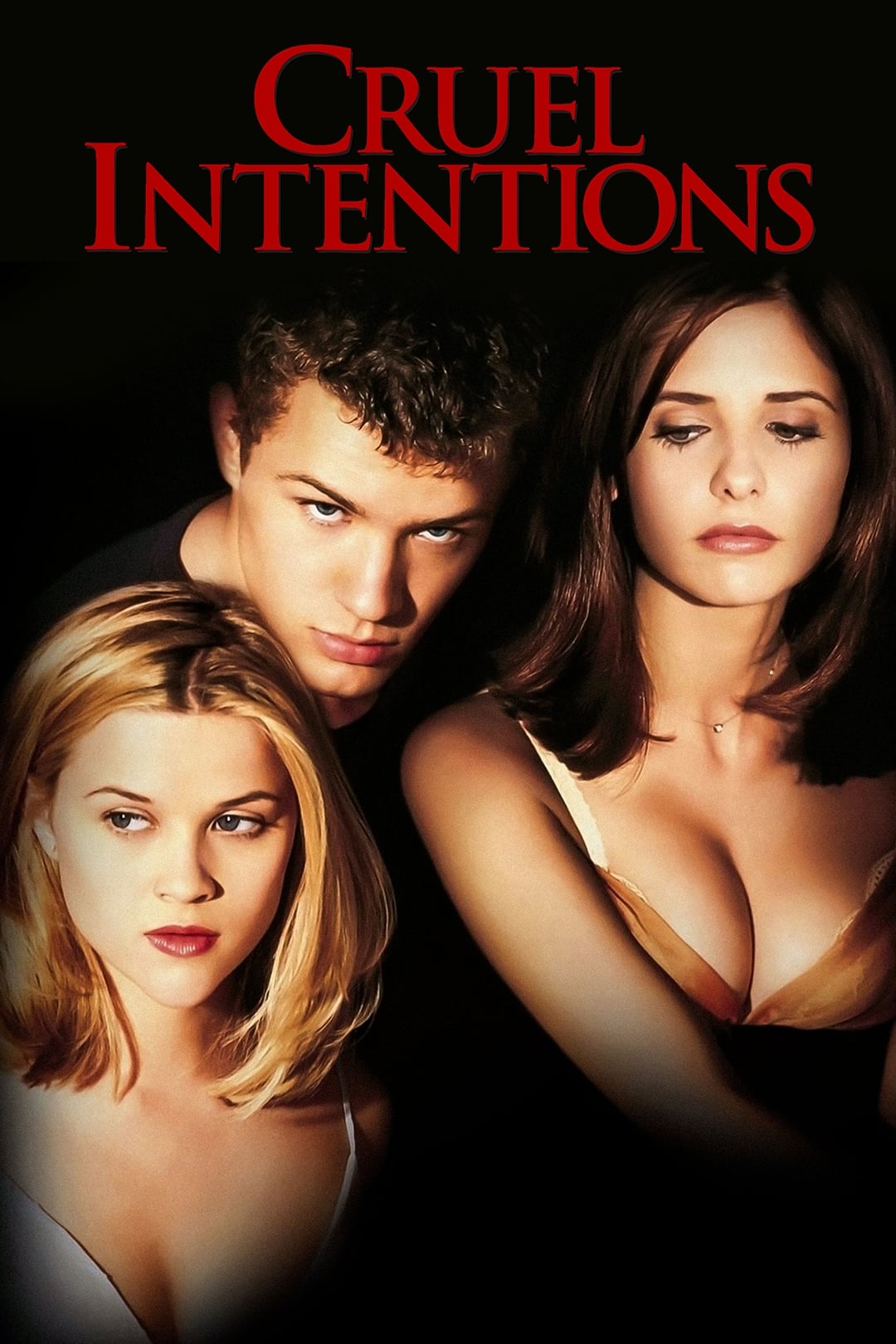
Cruel Intentions poster

Cruel Intentions

95 minutes

Cast

Selected cast credits · Film reference

Sarah Michelle Gellar Kathryn Merteuil
Ryan Phillippe Sebastian Valmont
Reese Witherspoon Annette Hargrove
Selma Blair Cecile Caldwell
Louise Fletcher Helen Rosemond

Cruel Intentions | The Rewatchables

Explore episodeClose episode

Most Rewatchable Scene

The ending and final five minutes

In the discussion (10)
Approx. transcript time · 00:28:00Read transcript
  • The initial wager establishes the story and lands before the later encounters become excessively theatrical; the blue walls also receive praise.
  • Witherspoon making faces at Sebastian in the car is nominated, though another response finds her scenes comparatively flat and blames her scene partner.
  • The Colorblind escalator reunion is praised for its memorable visual and musical impact; the ensuing loss-of-virginity scene divides reactions, including amusement at its earnest exchange.
  • The breakup brings unusually convincing acting from Phillippe and a strong emotional response from Witherspoon.
  • Kathryn’s unexpected double-cross of Sebastian is nominated.
  • Sebastian writing the letter to Witherspoon’s character is praised together with the Aimee Mann musical cue.
  • The closing five minutes are the emphatic final preference: the cocaine cross, public humiliation, slow-motion reactions and final drive are considered visually enduring.
  • The pool scene and Cardigans cue are nominated; Sebastian’s gift of a swimsuit is considered absurdly intimate, with disagreement about when such a gift could be welcome.
  • The monogrammed backpack gift receives approval, while the sequence of gifts is uncertain and jewelry is suggested as an alternative.
  • The final bathroom confrontation between the two female leads and Bittersweet Symphony complete the praised ending.

The most "year the movie came out" thing

Email is for geeks and pedophiles

In the discussion (6)
Approx. transcript time · 00:33:36Read transcript
  • The special 1999 category names the email insult as the winner, with Counting Crows underscoring a loss-of-virginity scene as runner-up.
  • Sebastian’s unusually small, expensive phone and Sean Patrick Thomas’s prominent casting are additional period markers.
  • Seventeen magazine’s plot importance and Mrs. Caldwell’s Colin Powell donation defense of her racial attitudes are additional nominees.
  • Annette’s clothing and bras are retrospectively suggested as period markers; the styling is considered comparatively frumpy and possibly deliberate.
  • The published teenage virginity essay is singled out more precisely as a period marker; comparable contemporary personal essays would appear online or on social media.
  • The Brady Bunch reference in Kathryn’s speech is suggested as another generational marker.

What’s Aged the Best?

Soundtrack; Jaguar; real estate; Gellar; quiet-time line; cocaine-cross reveal

In the discussion (11)
Approx. transcript time · 00:35:19Read transcript
  • Sebastian’s 1956 Jaguar XK140 Roadster is admired despite a report that Witherspoon found it unstable to drive and concern about its safety.
  • Cecile’s quiet-time line became a recurring household joke.
  • The cocaine-cross reveal, the spoon and Gellar’s tearful reaction remain particularly effective.
  • The Upper East Side and Central Park West geography generally feels convincing, with the characters’ nearby homes making park walks plausible.
  • The soundtrack’s Every You Every Me, Praise You, Coffee and TV, Bedroom Dancing, Colorblind and You Could Make a Killing are praised.
  • Lovefool is singled out despite its absence from the soundtrack album, and Bittersweet Symphony is considered a defining song of the decade.
  • The soundtrack wins broad final agreement, with the car also favored; its durability is contrasted with other dated or overly corny soundtracks aimed at young women.
  • The homes, blue walls, Selma Blair’s character’s apartment and hardwood floors receive enthusiastic approval.
  • Gellar’s performance is belatedly praised as a possible aged-best entry, distinct from the diminished novelty of her casting.
  • Paying for Bittersweet Symphony is explicitly judged an excellent decision because it defines the ending and the movie.
  • The luxurious trundle bed and Cecile’s room receive belated praise.

What’s Aged the Worst?

Homophobia; internet humiliation; Mrs. Caldwell; Sebastian’s redemption; diminished stunt-casting impact

In the discussion (5)
Approx. transcript time · 00:45:31Read transcript
  • Sebastian’s reprehensible behavior and nevertheless effective redemption make the audience’s sympathy uncomfortable; the antihero-origin claim is repeated as a provocative joke.
  • Mrs. Caldwell’s obliviousness is criticized, particularly accepting Cecile’s shopping explanation despite her disheveled appearance and the early hour.
  • The homophobia and Joshua Jackson’s Gregory characterization are emphatic choices; his reported defense of the role as stereotype-challenging is rejected.
  • Sebastian’s opening public internet humiliation of Tara Reid’s character is judged especially troubling and is discussed as behavior that would end a contemporary remake almost immediately.
  • Casting Buffy’s Gellar as a brunette villain no longer carries its original shock, although her actual performance is strongly defended.
In the discussion (5)
Approx. transcript time · 00:54:56Read transcript
  • Phillippe receives agreement: this film positioned him to headline subsequent movies, even though those films were disappointing.
  • Gellar receives agreement on the combination of Buffy’s popularity, a spin-off signaling influence and her admired Saturday Night Live hosting.
  • Witherspoon is rejected without hesitation.
  • Counting Crows are rejected despite this soundtrack’s impact; the earlier album era and the singer’s high-profile Friends-star relationships are preferred, while Dawson’s Creek exposure is also recalled.
  • Cocaine crosses receive an affirmative nomination for this conspicuous use.
In the discussion (3)
Approx. transcript time · 01:00:02Read transcript
  • Blair is the disputed choice: two responses find the performance excessive, particularly her dance after learning about orgasms, while another enjoys the comedy.
  • The exaggerated adolescent physicality is compared with Maggie Grace playing a younger character in Taken.
  • Blair’s defender enjoys the picnic kiss, screwball dynamic with Gellar and post-sex quiet-time exchange; another response likes some scenes but thinks she sometimes overplays them.

Sequel, Prequel, Limited Series, or All-Black Remake

Possible, with doubts about the themes

In the discussion (1)
Approx. transcript time · 01:08:32Read transcript
  • A ten-episode Netflix version seems possible but its sexual themes raise doubts; contemporary teen shows demonstrate that provocative material would not itself prevent production.