
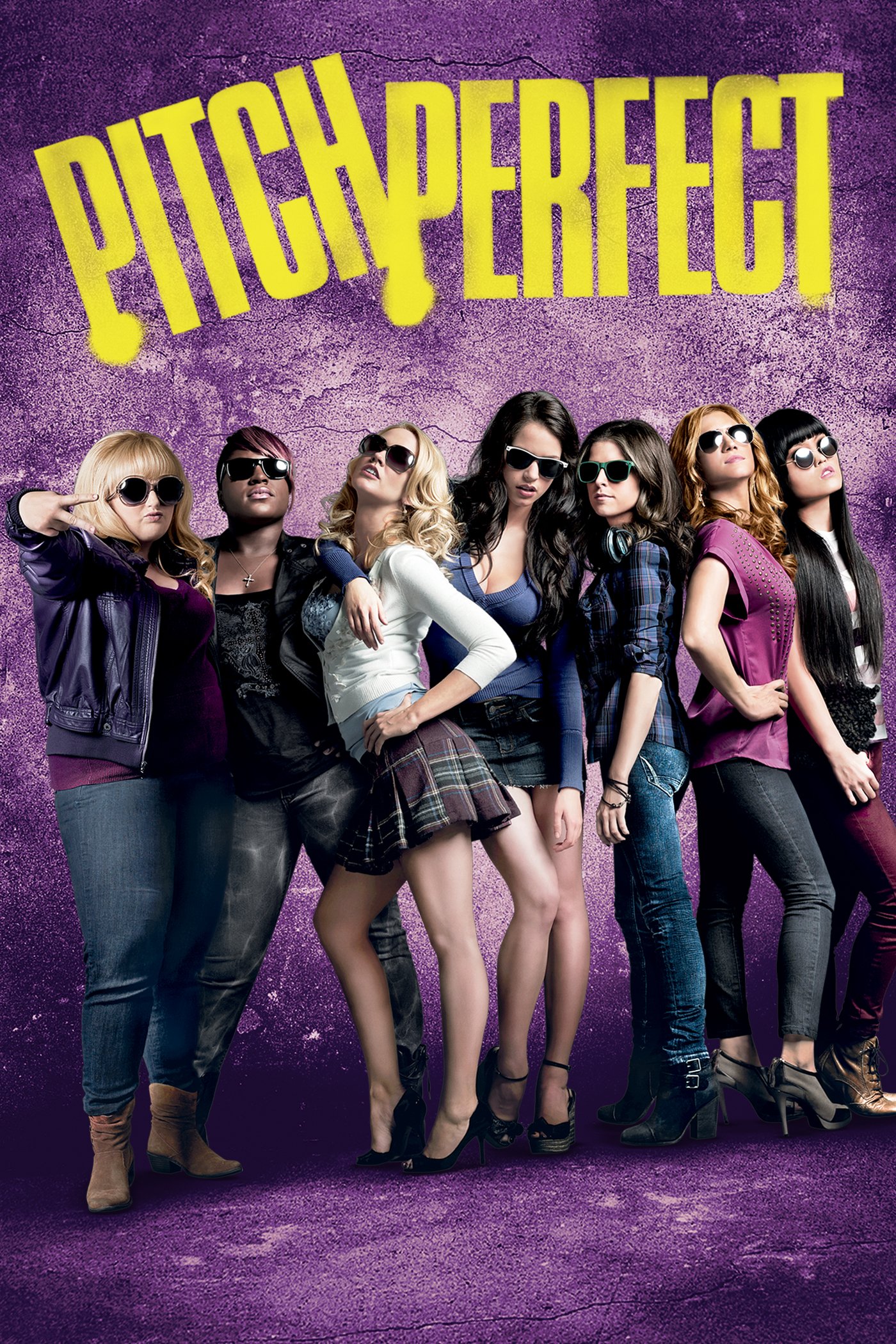

The Stephen A. Smith Hottest Take Award
Beca is the villain; women-only a cappella ranks last; Treblemakers should win; Platt’s voice divides
In the discussion (9)
Approx. transcript time · 00:20:48Read transcript
- Aubrey is defended as focused rather than cruel, while Beca resists the leadership of a group she voluntarily joined; refusing the matching hairstyle and improvising mid-performance are cited as selfish.
- Beca’s unplanned improvisation would derail real ensemble singers even if it sounds good in the movie.
- Her contempt for movies, anger at Jesse calling her father for bail and dismissal of free college make her seem entitled.
- The take receives agreement, but a counterargument sees believable college arrogance as the starting point for Beca’s growth into female friendship.
- Litman ranks women-only a cappella below male and mixed groups for entertainment and vocal range; bass limitations are offered as the reason, with school-group memories supporting the preference.
- One argument is that the Treblemakers should win the final: better charisma, dancing, vocals and pacing versus the Bellas’ overly busy medley; she repeatedly remembers them as the winners.
- Litman dislikes Platt’s singing despite respecting his talent; another rewatch restores appreciation for his charm after later career backlash.
- Platt’s vibrato is defended as working in the soft-to-loud final performance; Astin receives praise but is compared unfavorably with Jeremy Jordan’s vocal ability.
- Ambudkar’s rap is the favored Treblemakers contribution for one speaker, lending credible coolness while the character remains nerdy.